Affiliate Disclosure: ZimuShop may earn a commission from qualifying purchases — at no extra cost to you.

Dog Expression Guide 2026: Complete Canine Body Language Handbook

As an Amazon Associate, ZimuShop earns from qualifying purchases. Learn more
Dog Expression Guide 2026: Understanding Canine Body Language
2026 Comprehensive Guide: Learn to read your dog’s facial expressions, tail positions, and body language for better communication and stronger bonds.
Image credit: Unsplash
Dog Behavior & Communication
Dog Expression Guide 2026: Complete Canine Body Language Handbook
Dogs communicate with us constantly through their expressions and body language, but many owners misunderstand these signals. Understanding dog expressions is essential for building a strong, trusting relationship with your canine companion. In this comprehensive 2026 guide, we will explore everything from facial expressions to tail positions, helping you become fluent in “dog language.”
Recent studies from the American Kennel Club show that 65% of dog behavioral issues stem from communication breakdowns between dogs and their owners. By learning to read your dog’s expressions correctly, you can prevent misunderstandings, reduce stress, and strengthen your bond. Whether you are a new dog owner or have lived with dogs for years, this guide will provide valuable insights into canine communication.
Table of Contents
- Why Understanding Dog Expressions Matters
- Facial Expressions: Reading Your Dog’s Face
- Tail Language: What Your Dog’s Tail Is Saying
- Full Body Postures and What They Mean
- Breed Differences in Expression
- Common Expression Misunderstandings
- Interactive Expression Quiz
- Improving Dog-Human Communication
- Frequently Asked Questions

Image credit: Unsplash
Why Understanding Dog Expressions Matters
Dog expressions are not just cute faces your pet makes. They are a sophisticated communication system that has evolved over thousands of years of domestication. Research from the University of Helsinki’s Canine Mind Project reveals that dogs have developed specific facial muscles for communicating with humans that wolves do not possess.
Understanding your dog’s expressions provides several important benefits:
Stronger Bond
When you correctly interpret your dog’s expressions, you respond appropriately, building trust and deepening your relationship. This mutual understanding creates a secure attachment similar to parent-child bonds.
Prevent Aggression
Most dog bites occur when warning signs are missed. By recognizing early stress signals (like lip licking or whale eye), you can remove your dog from stressful situations before aggression occurs.
Early Health Detection
Changes in normal expressions can indicate health issues. A suddenly tense facial expression might signal pain, while changes in ear position could indicate ear infections or hearing problems.
Better Training Results
When you understand when your dog is confused, stressed, or engaged, you can adjust your training methods for faster learning and better retention of commands.
Quick Tip: Context Matters!
Always consider the context when interpreting dog expressions. A wagging tail doesn’t always mean happiness, and a relaxed body with a slightly open mouth might indicate comfort in one situation but overheating in another. Look at the whole picture: body posture, environment, and recent activities all contribute to understanding your dog’s true emotional state.
Recommended Reading
Bestseller

The Other End of the Leash
$10.39
Essential reading for understanding canine communication. Patricia McConnell, PhD, combines science with practical advice to help you understand what your dog is trying to tell you. This book has transformed how thousands of dog owners communicate with their pets.
Facial Expressions: Reading Your Dog’s Face
A dog’s face can express a wide range of emotions, from joy and contentment to fear and anxiety. Unlike humans who rely heavily on verbal communication, dogs use subtle facial cues that we must learn to recognize.
Comprehensive Facial Expression Guide
| Expression | Visual Cues | Emotional State | Intensity | Recommended Response |
|---|---|---|---|---|
| Relaxed/Happy | Soft eyes, slightly open mouth, ears in natural position | Content, comfortable, at ease |
Low
|
Continue current interaction, gentle praise |
| Alert/Interested | Ears forward, eyes focused, mouth closed | Curious, engaged, paying attention |
Low
|
Engage in training or play, provide mental stimulation |
| Playful | Open “smiling” mouth, bright eyes, play bow | Happy, excited, wanting interaction |
Medium
|
Initiate play, use excited voice, fetch games |
| Anxious/Stressed | Lip licking, yawning, whale eye, ears back | Uncomfortable, nervous, seeking comfort |
Medium
|
Remove stressor, create distance, calm reassurance |
| Fearful | Ears flat, whites of eyes showing, crouched body | Scared, threatened, wanting to escape |
High
|
Create safe space, avoid forcing interaction, consult professional |
| Aggressive/Threatened | Hard stare, wrinkled nose, showing teeth | Defensive, threatened, ready to attack |
High
|
Back away slowly, avoid eye contact, seek professional help |
Based on research from the Association of Professional Dog Trainers and International Association of Animal Behavior Consultants
Eye Expressions: Windows to Canine Emotions
A dog’s eyes communicate volumes. Here are key eye expressions to recognize:
Soft Eyes
Relaxed muscles around eyes, slightly squinted or partially closed. Indicates contentment, relaxation, and trust. Often seen during petting sessions or when resting with family.
Whale Eye
Showing the whites of eyes while looking sideways. Signals anxiety, stress, or discomfort. The dog may feel trapped or threatened. Give space and remove stressors.
Hard Stare
Fixed, intense gaze without blinking. Can indicate threat assessment, predatory focus, or challenge. Never stare back – break eye contact by looking away.
Squinty “Smiling” Eyes
Eyes almost closed with relaxed face. Often accompanies happy panting. Shows pleasure and comfort. Common during greetings and positive interactions.
Ear Positions and Meanings
Ear positions vary by breed but generally follow these patterns:

Ears Forward: Alert/Interested

Relaxed: Content/Comfortable

Ears Back: Anxious/Submissive

One Ear Up: Curious/Listening
Mouth and Lip Expressions
The mouth provides crucial information about a dog’s emotional state:
- Relaxed Open Mouth: Slightly open with tongue possibly visible. Indicates comfort and relaxation.
- Lip Licking: Quick tongue flick over lips or nose. Often signals anxiety, stress, or anticipation (not necessarily hunger).
- Yawning: When not tired, indicates stress or discomfort. A calming signal dogs use to diffuse tension.
- Curled Lip/Snarling: Shows teeth with wrinkled nose. Clear warning of discomfort or threat.
- Panting with Soft Eyes: “Smiling” expression indicating happiness and comfort.

Image credit: Unsplash
Tail Language: What Your Dog’s Tail Is Saying
The tail is one of the most expressive parts of a dog’s body, but it is often misunderstood. Contrary to popular belief, a wagging tail does not always mean a happy dog.
Important: Tail Position Baseline
Every dog has a natural tail position when relaxed. For some breeds (like Greyhounds), this is low; for others (like Beagles), it is higher. Learn your dog’s neutral position first, then notice deviations from that baseline to accurately interpret tail language.
| Tail Position | Movement | Likely Emotion | Context Clues |
|---|---|---|---|
| High and Stiff | Minimal movement, possibly vibrating | Alert, confident, possibly aggressive | Stiff body, direct stare – approach with caution |
| High and Wagging | Fast, possibly whole-body wag | Excited, aroused, possibly dominant | Check other body language – could be friendly or tense |
| Medium Height | Relaxed, sweeping wag | Content, friendly, approachable | Soft eyes, relaxed body – generally safe to interact |
| Neutral Position | Gentle sway or still | Relaxed, comfortable, at ease | This is the ideal state for most dogs in safe environments |
| Low but Wagging | Slow, tentative wag | Uncertain, submissive, anxious | May be trying to appease – give space if needed |
| Tucked Between Legs | No wagging, held tightly | Fearful, extremely submissive, in pain | Clear distress signal – remove from situation immediately |
Tail Warning: Not All Wags Are Friendly
A stiff, high tail wagging in short, rapid movements often indicates arousal that could tip into aggression. This is different from the loose, sweeping wag of a happy dog. Always look at the whole body, not just the tail. According to the ASPCA, misunderstanding tail language is a common cause of dog bites, especially with children who see “wagging” and assume the dog is friendly.
Dog Communication DVD
Visual Learning

Speaking Dog: Understanding Canine Body Language
$24.95
Visual guide to dog expressions with slow-motion footage of real dogs displaying various emotions. Perfect for visual learners who want to see subtle expressions they might miss in real time. Includes quizzes and interactive sections.
Full Body Postures and What They Mean
While individual expressions are important, the whole body tells the complete story. Here are key body postures to recognize:
Play Bow
Front legs stretched forward, chest low, rear end high. Classic invitation to play. Shows friendly intentions and signals that upcoming actions are playful, not aggressive.
Weight Forward
Leaning forward with weight on front legs. Can indicate interest or potential aggression depending on other signals. Check for stiff body, hard stare, or raised hackles.
Stiff/Freeze
Suddenly stopping all movement, muscles tense. Often precedes a reaction (flight or fight). High-stress signal – give space immediately to prevent escalation.
Relaxed Roll
Rolling onto back with exposed belly. Can indicate trust and submission (if accompanied by soft eyes) or defensive posture (if tense). Context is crucial.
Breed Differences in Expression
How Breed Affects Expression Reading
Some breeds have physical characteristics that make reading expressions more challenging. Here is what to look for with different breed types:
Brachycephalic Breeds
Examples: Pugs, French Bulldogs, Boston Terriers Challenge: Limited facial mobility due to short muzzles Focus on: Eye expressions, ear position, body posture
Docked Tail Breeds
Examples: Dobermans, Boxers, Australian Shepherds Challenge: Limited tail expression Focus on: Tail stump movement, overall body tension, ear position
Long-Haired Breeds
Examples: Old English Sheepdogs, Shih Tzus, Collies Challenge: Hair covers facial features Focus on: Body posture, ear position (feel movement), eye visibility
Floppy-Eared Breeds
Examples: Basset Hounds, Bloodhounds, Cocker Spaniels Challenge: Limited ear mobility visible Focus on: Ear base tension, head tilt, eye expressions
Common Expression Misunderstandings
Even experienced dog owners can misinterpret canine expressions. Here are the most common mistakes:
Myth: A Wagging Tail Means a Happy Dog
Reality: Tail wagging indicates arousal or emotion, which could be positive OR negative. The position, speed, and stiffness of the wag matter more than the wag itself. A high, stiff wag often signals potential aggression, not friendliness.
Myth: A Dog Showing Belly Always Wants a Belly Rub
Reality: While some dogs roll over for belly rubs, this posture can also be a submissive or defensive gesture. Look for tension in the body, lip licking, or whale eye. If these stress signals are present, the dog is showing submission, not inviting touch.
Myth: Yawning Means the Dog Is Tired
Reality: In many contexts, yawning is a calming signal or stress indicator. Dogs yawn to diffuse tension in stressful situations. If your dog yawns during training, at the vet, or when meeting new people, they are likely anxious, not sleepy.
Myth: Growling Is Always Aggressive
Reality: Growling is communication. It can mean “I’m uncomfortable,” “Give me space,” or “I’m playing.” Play growls during tug-of-war are normal. Never punish growling – this removes a valuable warning signal and may lead to bites without warning.

Image credit: Unsplash
Interactive Expression Quiz
Test Your Dog Expression Knowledge
Question 1: Your dog meets a new person. Their tail is wagging slowly at half-mast, they lick their lips, and yawn. What are they likely feeling?
Correct Answer: A. Anxious or uncertain about the interaction
The slow, low tail wag combined with lip licking and yawning are classic stress signals. This dog is not comfortable with the interaction and would benefit from having space and a slower introduction.
Learning Tip
Take videos of your dog in different situations, then watch them in slow motion to catch subtle expressions you might miss in real time. This practice will dramatically improve your ability to read canine body language.
Improving Dog-Human Communication
Now that you understand dog expressions, here is how to improve communication with your canine companion:
Observation Practice
Spend 10 minutes daily just watching your dog without interacting. Notice subtle expressions, ear movements, and tail positions in different situations. Keep a journal of your observations.
Respect Signals
When your dog shows stress signals (lip licking, yawning, turning away), respect their communication. Stop what you are doing, give space, or change the situation to reduce their anxiety.
Clear Human Signals
Dogs read our body language too. Use consistent signals, avoid looming over dogs, and turn your body sideways (less threatening) when approaching anxious dogs.
Professional Guidance
Consider working with a certified dog trainer or behaviorist who uses positive reinforcement methods. They can help you practice reading expressions in real-time scenarios.
Additional Resources
Final Thoughts on Dog Expressions
Learning to read your dog’s expressions is a journey that deepens your relationship and prevents misunderstandings. Remember that every dog is an individual, and while general guidelines are helpful, your specific dog may have unique ways of expressing themselves.
Be patient with yourself as you learn this new language. It takes time to recognize subtle cues and interpret them correctly. The investment is worth it – when you understand what your dog is trying to tell you, you build trust, prevent behavioral issues, and create a happier life together.
Start today by spending just five minutes observing your dog without any agenda. Notice the small details in their expressions. This simple practice will make you more attuned to their communication and strengthen your bond in ways you never imagined.
2026 Dog Expression FAQs
How can I tell if my dog is smiling?
A true dog “smile” involves relaxed facial muscles, soft eyes that may be slightly squinted, and an open mouth that may look like a gentle pant. The expression should appear relaxed, not tense. Some dogs also lift their lips slightly at the corners. However, what looks like a smile can sometimes be a stress signal (like panting from anxiety), so always check the whole body context.
Why does my dog yawn when I pet them?
Yawning during petting is often a calming signal or mild stress indicator. Your dog might be slightly overstimulated or wanting a break from the interaction. It does not necessarily mean they dislike the petting, but rather that they need a moment to process the stimulation. Try petting for shorter periods and watch for other calming signals like lip licking or turning away.
What does it mean when my dog’s ears go back?
Ears back can mean several things depending on context: submission/anxiety (ears flattened against head), friendliness (ears relaxed slightly back during greetings), or simply listening to something behind them. Check other body language: relaxed body with ears back during greeting is usually friendly; tense body with ears flattened is likely anxiety.
How do I know if my dog is in pain from their expressions?
Pain expressions include: tense facial muscles, half-closed or squinted eyes, ears held back or flattened, lip licking or excessive drooling, and avoidance of eye contact. Dogs in pain may also pant when not hot or exercised, have a “worried” facial expression, and show changes in normal behavior. According to veterinary pain scales like the CMPS-Feline and Canine, facial expression is a key pain indicator.
Can dogs recognize human facial expressions?
Yes, research shows dogs can recognize human facial expressions and even distinguish between happy and angry faces. Studies using eye-tracking technology demonstrate that dogs look at human eyes and mouths to gauge emotion. They respond differently to smiling versus frowning faces, showing they understand at least basic human expressions.
Why does my dog stare at me?
Staring can mean: affection/connection (soft eyes, relaxed body), waiting for cues/commands (alert posture), or concern/anxiety (tense body, possibly with whale eye). A loving gaze releases oxytocin in both dogs and humans, strengthening bonds. However, a hard, unblinking stare from an unfamiliar dog can be threatening.
What are “calming signals” in dogs?
Calming signals are behaviors dogs use to diffuse tension or communicate non-threatening intentions. Common ones include: looking away, lip licking, yawning, sniffing the ground, slow movements, and curved approaches. These signals help prevent conflicts and communicate “I mean no harm.” Turid Rugaas, a Norwegian dog trainer, popularized this concept in her book “On Talking Terms With Dogs.”
How do I know if my dog trusts me?
Trust expressions include: soft, relaxed eyes when looking at you, sleeping near or on you, showing belly (in a relaxed context), following you from room to room, and checking in with you during walks. A trusting dog will also recover quickly from startling events when you are present, showing they feel safe with you.
Can puppies understand dog expressions?
Puppies learn to read dog expressions through socialization with their mother, littermates, and other dogs. The critical socialization period (3-14 weeks) is when they learn canine communication. Puppies removed too early often have difficulty reading other dogs’ signals. Proper socialization during this period is crucial for developing good canine communication skills.
Do different breeds express emotions differently?
While all dogs use similar expressions, breed characteristics can affect how easily we read them. Brachycephalic (flat-faced) breeds have limited facial mobility, making subtle expressions harder to see. Breeds with long hair may have expressions hidden by fur. However, all dogs use the same basic signals; we just need to learn how to read them within each breed’s physical constraints.
How can I help my dog understand my expressions better?
Use consistent facial expressions with your verbal cues. For example, smile when giving praise, use a neutral face for commands, and avoid angry expressions (which can frighten dogs). Dogs learn to associate our expressions with outcomes. Be aware that dogs are very sensitive to eye contact and may find direct stares threatening, so use soft eye contact when interacting.
What should I do if I think I’ve misunderstood my dog’s expression?
First, give your dog space to ensure safety. Observe from a distance to see if their body language changes when you’re not directly interacting. If you’re consistently unsure about your dog’s expressions, consider consulting a certified professional dog trainer or veterinary behaviorist. They can help you learn to read your specific dog’s signals and improve your communication.

About Us

ZimuShop is your trusted partner for all pet care needs. We provide high-quality products, expert advice, and resources to help you care for your furry, feathered, and scaled friends.
Our team of pet experts is dedicated to helping you build a stronger bond with your pets through proper care, training, and understanding their communication.
Recommended Dog Behavior Resources

Training Tool
Image credit: Amazon
Professional Dog Training Clicker
$8.99
Ergonomic clicker with wrist strap for positive reinforcement training. Includes training guide for beginners to advanced techniques.

Anxiety Relief
Image credit: Amazon
Calming Anxiety Vest for Dogs
$34.99
Gentle pressure vest helps reduce anxiety during thunderstorms, fireworks, travel, or separation. Machine washable with adjustable fit.
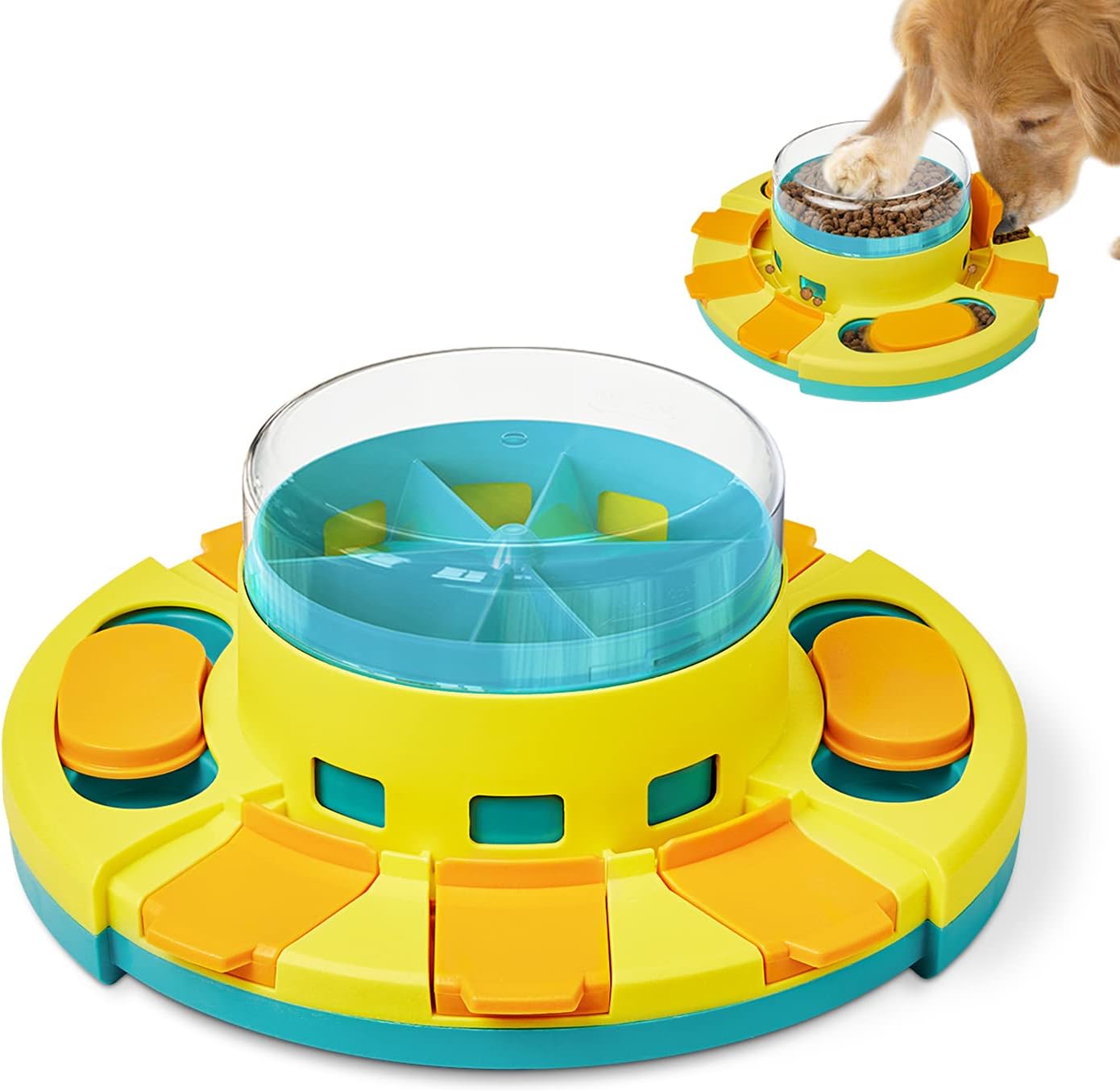
Mental Stimulation
Image credit: Amazon
Interactive Dog Puzzle Toy
$31.99
Mental stimulation puzzle with adjustable difficulty levels. Helps reduce boredom and destructive behavior while improving problem-solving skills.
How ZimuShop Chooses Products
Every guide on ZimuShop is researched against verified owner reviews, product specifications, brand reputation and recall history. We never accept payment for placement, and ZimuShop is not owned by any pet brand, so our picks stay independent. Prices and availability change often, so check the retailer for the latest details.