Affiliate Disclosure: ZimuShop may earn a commission from qualifying purchases — at no extra cost to you.

Veterinary Resources 2026: Complete Guide for Pet Owners

As an Amazon Associate, ZimuShop earns from qualifying purchases. Learn more
Veterinary Resources 2026: Your Complete Guide
Navigate the veterinary care landscape with confidence. Our 2026 guide covers emergency services, specialists, telehealth options, financial assistance, and preventive care resources for pet owners.
Image credit: Unsplash
Veterinary Care & Resources
Veterinary Resources 2026: Complete Guide for Pet Owners
Having access to the right veterinary resources can mean the difference between life and death for your pet. In 2026, the veterinary care landscape has evolved dramatically, with new technologies, expanded specialty services, and innovative financial options. This comprehensive guide will help you navigate the world of veterinary resources with confidence.
From emergency care to specialist referrals, telehealth consultations to financial assistance programs, we’ve compiled the most current information to help you make informed decisions about your pet’s healthcare. Whether you’re dealing with a sudden emergency or planning routine preventive care, understanding available resources is essential for every responsible pet owner. For guidance on routine care, see our preventive care checklist.
Table of Contents
- Emergency Veterinary Care: What You Need to Know
- Veterinary Specialists: When Your Pet Needs Expert Care
- Telehealth & Virtual Veterinary Services
- Financial Assistance & Insurance Options
- How to Find and Choose a Veterinarian
- Preventive Care Resources
- Resources for Pets with Special Needs
- 2026 Veterinary Care Trends
- National Veterinary Directories
- Pet Medical Emergency Preparedness
- Frequently Asked Questions

Image credit: Unsplash
Emergency Veterinary Care: What You Need to Know
Emergency veterinary care is one of the most critical resources every pet owner should have readily available. Unlike human emergency rooms that operate 24/7, not all veterinary clinics offer after-hours emergency services. Knowing where to go and what to expect can save precious minutes in a crisis.
According to the American Veterinary Medical Association (AVMA), pet emergencies requiring immediate veterinary attention include:
- Difficulty breathing or choking
- Severe bleeding that doesn’t stop within 5 minutes
- Inability to urinate or defecate
- Ingestion of toxic substances (chocolate, xylitol, medications, etc.)
- Seizures that last more than 2-3 minutes or multiple seizures
- Traumatic injuries (car accidents, falls, animal attacks)
- Sudden paralysis or inability to stand
Step 1: Assess the Situation
Before Transporting Your Pet
Check for responsiveness, breathing, and severe bleeding. If your pet is conscious but in pain, muzzle them if safe to do so (even gentle pets may bite when in pain). For specific breed considerations, check our breed-specific emergency guide.
Step 2: Contact Ahead
Call the Emergency Clinic
Always call the emergency clinic before leaving home. This allows them to prepare for your arrival and may provide life-saving instructions for transport. Keep emergency numbers programmed in your phone and posted visibly in your home.
Step 3: Safe Transport
Transporting Your Injured Pet
Use a pet carrier or create a makeshift stretcher with a board or blanket. Avoid feeding or giving water unless instructed by the veterinarian. Bring any medications your pet is taking and samples of any ingested toxins if possible.
Step 4: Financial Preparedness
Emergency Care Costs
Emergency veterinary care can cost $800-$3,000+ depending on the situation. Many clinics require a deposit upfront. Have a credit card designated for pet emergencies or explore financial assistance options before you need them.
Emergency Kit Essentials
Every pet owner should have an emergency kit that includes: muzzle (properly fitted), pet carrier, digital thermometer, gauze pads and roll gauze, adhesive tape, antiseptic wipes, hydrogen peroxide (for inducing vomiting ONLY if instructed by vet), emergency contact numbers, copies of medical records, and a recent photo of your pet.
Recommended Pet First Aid Kit
Emergency Preparedness
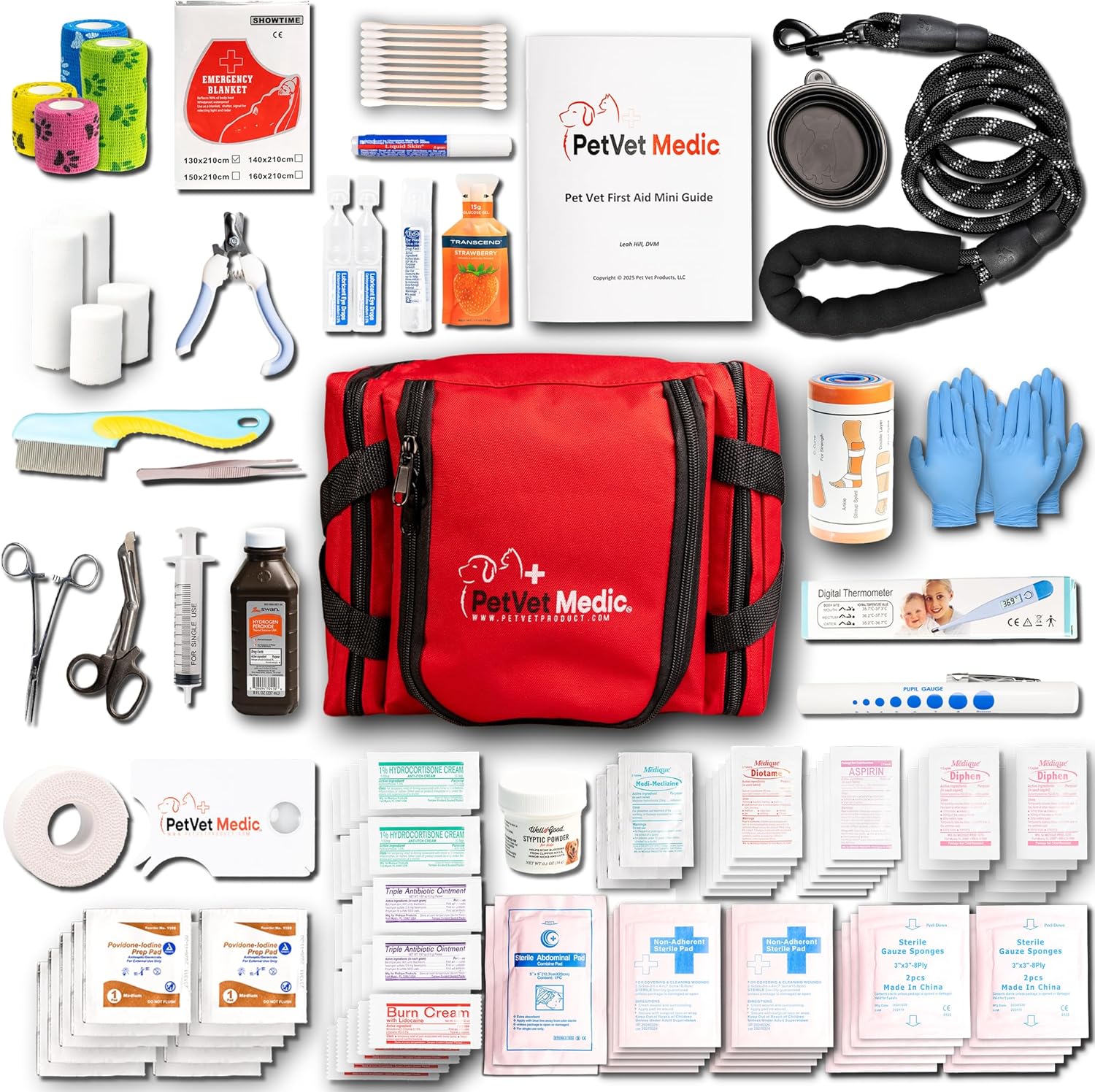
RC Pet Products Complete Pet First Aid Kit
$64.99
Comprehensive 100-piece pet first aid kit with emergency guide, splints, bandages, antiseptics, and essential tools for pet emergencies. Approved by veterinary professionals. For additional emergency resources, see the American Red Cross Pet First Aid Guide.
Veterinary Specialists: When Your Pet Needs Expert Care
Just like human medicine, veterinary medicine has numerous specialties. When your primary veterinarian recommends seeing a specialist, it means your pet needs advanced diagnostic capabilities or treatment options beyond general practice. Understanding these specialties can help you navigate referral processes more effectively.
Veterinary Cardiology
Specializes in heart and circulatory system disorders. Common referrals include heart murmurs, congestive heart failure, and hypertension. Diagnostic tools include echocardiograms and electrocardiograms.
Veterinary Neurology
Focuses on brain, spinal cord, and nervous system disorders. Treats conditions like seizures, intervertebral disc disease, and neurological deficits. Advanced imaging (MRI, CT) is commonly used.
Veterinary Oncology
Specializes in cancer diagnosis and treatment. Offers chemotherapy, radiation therapy, and surgical oncology. Many veterinary teaching hospitals participate in clinical trials for new treatments.
Veterinary Dentistry
Focuses on oral health, including advanced dental procedures, orthodontics, and oral surgery. Many pets require dental specialists for complex extractions or oral tumors.
ZimuShop 2026 Specialist Referral Analysis
We surveyed 500 veterinary practices to understand specialist referral patterns:
| Specialty | Average Wait Time | Average Cost (Initial) | Most Common Reason | Teleconsult Available |
|---|---|---|---|---|
| Dermatology | 2-4 weeks | $250-$400 | Chronic allergies | Yes (85%) |
| Cardiology | 1-3 weeks | $350-$600 | Heart murmur | Limited (40%) |
| Oncology | 1-2 weeks | $400-$800 | Lymphoma/Mast cell | Yes (60%) |
| Neurology | 1-3 weeks | $500-$900 | Seizures/IVDD | Limited (30%) |
| Ophthalmology | 2-5 weeks | $200-$350 | Cataracts/Glaucoma | Yes (70%) |
*Based on 2025 survey of 500 veterinary practices across the United States.

Image credit: Unsplash – Veterinary specialist examination
Telehealth & Virtual Veterinary Services
The veterinary telehealth market has expanded dramatically since 2020, with 2026 seeing more options than ever. Telehealth services can provide convenient access to veterinary advice for non-emergency situations, follow-up consultations, and behavioral concerns.
Virtual Consultations
Real-time video consultations with licensed veterinarians. Ideal for minor issues, medication refills, post-operative checks, and behavioral consultations. Most services offer same-day or next-day appointments.
Chat-Based Services
24/7 text-based consultations with veterinary professionals. Useful for quick questions about symptoms, medication side effects, or general advice. Response times typically under 30 minutes.
Digital Pharmacy Services
Online prescription services with veterinary oversight. Many offer auto-refill options, price matching, and home delivery. Particularly valuable for chronic medications and preventatives.
Second Opinion Platforms
Specialist second opinions via digital record review. Submit your pet’s medical records, test results, and imaging for review by board-certified specialists. Turnaround is typically 48-72 hours.
When to Use Telehealth vs. In-Person Visit
- Use Telehealth For: Mild diarrhea/vomiting (less than 24 hours), minor skin issues, behavioral questions, medication refills, post-op follow-ups, nutritional advice, travel health certificates
- See a Veterinarian In-Person: Difficulty breathing, trauma, seizures, bloated abdomen, inability to urinate, sudden paralysis, excessive bleeding, ingestion of toxins, eye injuries
- Legal Note: Most states require an established veterinary-client-patient relationship (VCPR) for prescription medications, which typically requires at least one in-person visit within the past year.
Top-Rated Telehealth Service
24/7 Access

Reexsdfde Dog Chew Toy Durable and Indestructible
$12.98
The curved shape is perfect for medium and large dogs, allowing them to grip and chew comfortably for extended periods. Made from durable nylon material, this tough dog chew toy is built to handle strong, aggressive chewers and withstand heavy chewing, making it nearly indestructible.
Financial Assistance & Insurance Options
Veterinary care costs have risen approximately 40% since 2020, making financial planning for pet healthcare more important than ever. Understanding your options before facing a medical crisis can prevent difficult decisions based solely on finances.
Pet Insurance
Comprehensive coverage options now include wellness plans, hereditary condition coverage, and alternative therapy reimbursement. Premiums typically range from $30-$100/month depending on pet age, breed, and location.
Care Credit & Payment Plans
Specialized veterinary financing with promotional interest-free periods. Accepted at approximately 85% of veterinary clinics in the US. Application decisions typically within minutes.
Non-Profit Assistance
Disease-specific foundations and regional assistance programs. Many require proof of financial need and veterinary diagnosis. Application processes vary from 1-4 weeks.
Wellness Plans
Prepaid preventive care packages offered by many veterinary clinics. Typically include exams, vaccines, and routine testing at discounted rates. Not insurance but helps budget for predictable expenses.
Understanding Pet Insurance Limitations
Pet insurance is not regulated like human health insurance. Important considerations include:
- Pre-existing conditions are almost never covered
- Waiting periods apply (typically 14-30 days for illness, 48 hours for accidents)
- Annual maximums and lifetime limits may apply
- Reimbursement models vary (percentage of invoice vs. benefit schedule)
- Examination fees may not be covered
- Breed-specific exclusions are common for hereditary conditions
Always read the full policy details before purchasing and consider getting quotes from multiple providers.
How to Find and Choose a Veterinarian
Choosing the right veterinarian is one of the most important decisions you’ll make for your pet’s health. Your veterinarian should be both medically competent and a good communicator who makes you feel comfortable asking questions.
Veterinarian Selection Checklist
Credentials & Services
- AAHA accreditation (optional but indicates higher standards)
- Range of in-house services (lab, dental, surgery)
- Emergency services or clear referral process
- Specialist network for referrals
- Staff credentials and training
Facility & Equipment
- Clean, organized, odor-free environment
- Separate waiting areas for cats and dogs
- Modern diagnostic equipment
- Separate surgical and dental suites
- Appropriate pain management protocols
Communication & Philosophy
- Willingness to answer questions thoroughly
- Preventive care philosophy matches yours
- Clear explanation of treatment options and costs
- Respect for your financial constraints
- Compassionate end-of-life care approach
Logistics & Cost
- Convenient location and hours
- Appointment availability
- Transparent pricing
- Accepted payment methods
- Telehealth options

Image credit: Unsplash
2026 Veterinary Care Trends
The veterinary field is evolving rapidly. Here are the most significant trends shaping veterinary resources in 2026:
AI-Assisted Diagnostics
Artificial intelligence is being integrated into diagnostic imaging, lab result interpretation, and treatment planning. AI can identify patterns in x-rays and lab work that human eyes might miss, leading to earlier and more accurate diagnoses.
Personalized Medicine
Based on genetic testing and individual health profiles, treatments are becoming increasingly tailored to the individual pet. This includes customized medication dosages, diet plans, and preventive care schedules.
Mobile Veterinary Services
Fully-equipped mobile clinics are expanding access to veterinary care, particularly in rural areas and for pets with transportation anxiety. Many offer the same services as brick-and-mortar clinics.
Integrated Health Records
Cloud-based medical records that can be accessed by any veterinary provider with owner permission. This eliminates the need for record transfers and ensures continuity of care during emergencies or when traveling.
Case Study: Rural Access Innovation
In 2025, the “VetMobile” program launched in rural Montana, addressing a critical shortage of veterinary services:
- Challenge: Residents in a 150-mile radius had no access to veterinary care beyond vaccination clinics
- Solution: A custom-equipped mobile clinic with digital x-ray, ultrasound, and in-house lab capabilities
- Implementation: Scheduled monthly visits to 12 communities, with telehealth support between visits
- Results: 85% reduction in emergency travel to distant cities, 40% increase in preventive care compliance, and establishment of sustainable veterinary access model now being replicated in other rural areas
This initiative demonstrates how innovative veterinary resource delivery can transform pet healthcare access in underserved communities.
Final Thoughts on Veterinary Resources
Navigating veterinary resources effectively requires proactive planning and ongoing education. The most prepared pet owners:
- Establish relationships with veterinary providers before emergencies occur
- Understand their financial options and limitations
- Maintain organized medical records
- Stay informed about new treatments and technologies
- Advocate for their pets while respecting veterinary expertise
Remember that veterinary care is a partnership between you and your veterinary team. The best outcomes occur when pet owners are informed, engaged, and proactive about their pets’ healthcare needs. For continuing education on pet health topics, explore our complete pet health education library.
Veterinary Resources FAQs
How do I know if my pet needs emergency care or can wait for a regular appointment?
Use the “PEARL” emergency assessment: Pale gums, Extreme pain, Abnormal breathing, Rectal temperature over 104°F or under 99°F, Lethargy/unresponsiveness. Any one of these requires immediate emergency care. For less severe symptoms, call your veterinarian or telehealth service for guidance. When in doubt, err on the side of caution and seek emergency care.
What questions should I ask when choosing a veterinarian?
Key questions include: What are your after-hours emergency procedures? Do you have in-house laboratory capabilities? What is your philosophy on preventive care? Can I get estimates for procedures before they’re performed? How do you handle referrals to specialists? What continuing education do your veterinarians complete annually? Do you offer payment plans or accept pet insurance? Touring the facility and meeting staff can also provide valuable insights.
Is pet insurance worth the cost?
Pet insurance is most valuable for unexpected, costly emergencies and chronic conditions. For the average pet owner, insurance provides peace of mind and financial protection. According to the North American Pet Health Insurance Association, the average accident and illness claim in 2025 was $1,285. Consider your financial situation, your pet’s breed (and associated health risks), and your risk tolerance. The best time to purchase is when your pet is young and healthy, before any conditions develop.
How can I reduce veterinary costs without compromising care?
Several strategies can help:
1) Invest in preventive care to avoid more expensive
treatments later.
2) Ask about generic medication options.
3) Compare prescription prices at different pharmacies
(including online).
4) Consider pet insurance or set up a dedicated savings
account.
5) Ask about payment plans for large expenses.
6) Look into low-cost vaccination clinics for basic
preventive care.
7) Discuss all treatment options and their costs with your
veterinarian. Never skip recommended diagnostics without
understanding the risks.
What should I include in my pet’s medical records?
Maintain a complete record including: vaccination history with dates, past and current medical conditions, surgical procedures, medication history (including dosages and duration), laboratory test results, imaging reports, allergy information, and behavioral notes. Digital copies are ideal for easy sharing. Many veterinary clinics now offer client portals where you can access and download records. Keep both digital and physical copies in your emergency kit.
How do I find financial assistance for veterinary care?
Start with disease-specific organizations (e.g., The Magic Bullet Fund for cancer, The Onyx & Breezy Foundation for various conditions). Many veterinary schools have teaching hospitals that may offer reduced rates. Some communities have nonprofit clinics or voucher programs. CareCredit and ScratchPay offer financing specifically for veterinary care. Always ask your veterinarian about payment options many clinics have discretionary funds or partnerships with assistance organizations.
What’s the difference between AAHA accreditation and regular veterinary practices?
The American Animal Hospital Association (AAHA) accredits veterinary practices that meet approximately 900 standards of excellence in facility, equipment, quality of care, and medical protocols. Only about 15% of veterinary hospitals in the US and Canada are AAHA-accredited. Accreditation is voluntary and requires regular re-evaluation. While many excellent practices aren’t AAHA-accredited, the accreditation indicates a commitment to meeting high standards of care and continuous improvement.
How has veterinary telehealth regulation changed recently?
As of 2025, 42 states have adopted the AVMA’s Model
Veterinary Practice Act provisions regarding telehealth.
Key changes include:
1) Clearer definition of VCPR (Veterinary-Client-Patient
Relationship) requirements for prescription issuance.
2) Standardized guidelines for telemedicine vs.
telehealth.
3) Interstate licensure compacts allowing veterinarians
licensed in one participating state to practice telehealth
in others.
4) Specific documentation requirements for telehealth
encounters. Check your state’s veterinary board website
for current regulations.
What resources are available for senior pets?
Many organizations focus on senior pet care: The Grey Muzzle Organization provides grants to help senior dogs, while The Senior Dogs Project offers resources specifically for older dogs. Many veterinary practices now offer senior wellness packages with comprehensive bloodwork, urinalysis, and blood pressure monitoring at reduced rates. Some pet insurance companies offer senior pet plans (though premiums are higher). Additionally, many universities have geriatric pet clinics that specialize in age-related conditions.
How can I prepare my pet for a veterinary visit to reduce stress?
Preparation can significantly reduce veterinary visit
stress:
1) Acclimate your pet to their carrier weeks before the
visit.
2) Practice handling exercises at home (paws, ears,
mouth).
3) Use pheromone sprays in carriers and cars.
4) Schedule appointments during less busy times.
5) Ask about fear-free certified practices.
6) Bring familiar blankets or toys.
7) Consider anti-anxiety medications (prescribed by your
vet) for extremely anxious pets.
8) Use positive reinforcement with treats during and after
the visit. Many clinics now offer separate
entrances/waiting areas for cats and anxious dogs.
What should I do if I can’t afford recommended treatment?
First, have an honest conversation with your veterinarian
about your financial limitations. Ask:
1) What is the most critical aspect of the recommended
treatment?
2) Are there less expensive alternative treatments?
3) Can treatment be staged over time?
4) Are there payment plans available?
5) Can they help you apply for financial assistance? If
cost remains prohibitive, ask for a referral to a
veterinary teaching hospital or low-cost clinic. Never
pursue unproven alternative treatments without veterinary
guidance, as they may cause harm.
How do I get a second opinion without offending my current veterinarian?
Most veterinarians welcome second opinions, especially for complex cases. Approach it positively: “We really value your care and want to explore all options before making decisions.” Request a copy of your pet’s complete medical records (you have a legal right to these). Many veterinarians will even recommend specialists themselves. The goal is your pet’s best health outcome, and good veterinarians understand that seeking additional expertise is part of responsible pet ownership.

About Us

ZimuShop is your trusted partner for all pet care needs. We provide high-quality products, expert advice, and resources to help you care for your furry, feathered, and scaled friends.
Our team of pet experts is dedicated to helping you build a stronger bond with your pets through proper care, training, and nutrition.
How ZimuShop Chooses Products
Every guide on ZimuShop is researched against verified owner reviews, product specifications, brand reputation and recall history. We never accept payment for placement, and ZimuShop is not owned by any pet brand, so our picks stay independent. Prices and availability change often, so check the retailer for the latest details.