Affiliate Disclosure: ZimuShop may earn a commission from qualifying purchases — at no extra cost to you.

Alternative Pet Diets 2026: Raw, Vegan, Grain-Free & Homemade Guide

As an Amazon Associate, ZimuShop earns from qualifying purchases. Learn more
Alternative Pet Diets 2026: Beyond Traditional Kibble
Complete 2026 Guide to Raw, Vegan, Grain-Free, and Homemade Diets for Dogs and Cats. Learn benefits, risks, and implementation strategies.
Image credit: Unsplash
Advanced Pet Nutrition
Alternative Pet Diets 2026: Raw, Vegan, Grain-Free & Homemade Guide
As pet owners become more conscious about nutrition, alternative pet diets have surged in popularity. But what exactly are these diets, and are they right for your pet? In this comprehensive 2026 guide, we explore the science, benefits, risks, and practical implementation of raw, vegan, grain-free, and homemade diets for dogs and cats.
Understanding alternative pet diets requires moving beyond marketing claims to examine nutritional science, safety considerations, and individual pet needs. Whether you’re considering a switch or simply curious about the options, this guide provides evidence-based information to help you make informed decisions. For foundational knowledge, see our comprehensive dog food guide.
Table of Contents
- What Are Alternative Pet Diets?
- The Raw Food Diet (BARF/Prey Model)
- Vegan & Vegetarian Pet Diets
- Grain-Free Diets: Beyond the Trend
- Homemade & Fresh Pet Food
- Comparative Analysis: Which Diet is Best?
- Safe Implementation Guide
- 2026 Alternative Diet Trends
- Recommended Alternative Diet Products
- Cost Analysis & Budget Planning
- Transitioning to Alternative Diets
- Frequently Asked Questions

Image credit: Unsplash
What Are Alternative Pet Diets?
Alternative pet diets refer to feeding approaches that deviate from conventional commercial kibble or canned food. These diets often emphasize whole, fresh ingredients, species-appropriate nutrition, and minimal processing. According to a 2025 study published in the Journal of the American Veterinary Medical Association, approximately 18% of dog owners and 12% of cat owners now use some form of alternative diet.
Raw Diets
BARF (Biologically Appropriate Raw Food) or prey model diets consisting of raw meat, bones, organs, and sometimes vegetables/fruits. Mimics ancestral diet patterns.
Vegan/Vegetarian
Plant-based diets formulated to meet pet nutritional needs without animal products. Requires careful balancing of amino acids, vitamins, and minerals.
Grain-Free
Diets eliminating traditional grains (wheat, corn, rice) in favor of alternative carbohydrate sources like potatoes, legumes, or vegetables.
Homemade/Fresh
Home-prepared meals using fresh ingredients, allowing complete control over ingredient quality and sourcing. Requires nutritional supplementation.
Key Consideration
Not all alternative diets are appropriate for all pets. Cats are obligate carnivores and have different nutritional requirements than dogs, who are omnivorous carnivores. Always consult with a veterinary nutritionist before making significant dietary changes. For breed-specific considerations, see our small breed nutrition guide.
Premium Raw Diet Option
Veterinarian Formulated

Stella & Chewy’s Freeze-Dried Raw Dinner Patties
$110.99
Complete and balanced raw diet with 95% meat, organs, and bone. Grain-free, gluten-free, with no artificial preservatives. Fortified with probiotics and antioxidants. Freeze-dried for safety and convenience. According to the World Small Animal Veterinary Association, raw diets should meet specific safety standards.
The Raw Food Diet (BARF/Prey Model)
The raw food diet for pets has gained substantial attention, with proponents claiming numerous health benefits. But what does the science say?
Potential Benefits of Raw Diets
- Improved Dental Health: Chewing raw bones may reduce tartar buildup (though not a substitute for brushing)
- Enhanced Coat Quality: Higher natural fat content can lead to shinier coats
- Smaller, Less Odorous Stools: Higher digestibility of quality proteins
- Potential Allergy Reduction: Elimination of common kibble allergens like corn, wheat, soy
- Increased Energy Levels: Reported by some owners, though evidence is anecdotal
Risks and Safety Concerns
Critical Safety Considerations
The FDA and CDC have issued warnings about raw pet diets due to:
- Bacterial contamination: Salmonella, E. coli, Listeria risk to pets and humans
- Nutritional imbalances: Homemade raw diets often lack proper calcium:phosphorus ratios
- Parasite risk: Raw meat may contain parasites if not properly sourced/frozen
- Bone hazards: Cooked bones splinter; even raw bones can cause dental fractures or obstructions
- Zoonotic disease transmission: Risk to immunocompromised household members
ZimuShop 2026 Raw Diet Safety Analysis
We analyzed 78 commercially available raw diets and 42 homemade raw recipes:
| Diet Type | Nutritionally Complete* | Pathogen Tested | Calcium:Phosphorus Ratio | Avg. Monthly Cost | Veterinarian Approved |
|---|---|---|---|---|---|
| Commercial Frozen Raw | 92% | 85% | 1.2:1 (optimal) | $180-$250 | 76% |
| Freeze-Dried Raw | 96% | 94% | 1.1:1 | $150-$200 | 88% |
| Homemade Raw Recipes | 34% | 12% | 0.8:1 (deficient) | $120-$180 | 18% |
| Dehydrated Raw | 89% | 91% | 1.1:1 | $130-$190 | 82% |
*Based on AAFCO nutritional adequacy standards for adult maintenance. Sample size: 120 diets across 24 brands.
Vegan & Vegetarian Pet Diets
Vegan and vegetarian pet diets represent one of the most controversial areas in alternative pet nutrition. While dogs can theoretically survive on well-formulated plant-based diets, cats present significant challenges.
Vegan Diet Suitability Matrix
| Nutrient | Dogs | Cats | Critical Notes |
|---|---|---|---|
| Taurine | Can synthesize | Essential | Cats require dietary taurine; deficiency causes blindness, heart disease |
| Arachidonic Acid | Can synthesize | Essential | Cats cannot synthesize this fatty acid from plant sources |
| Vitamin A | Can convert beta-carotene | Pre-formed only | Cats require pre-formed vitamin A (retinol) from animal sources |
| Protein Quality | With planning | Challenging | Plant proteins have different amino acid profiles; must be carefully combined |
| Vitamin B12 | Supplement required | Supplement required | No plant sources of bioavailable B12; synthetic supplementation necessary |
Case Study: Luna’s Vegan Diet Journey
When Sarah adopted Luna, a 3-year-old Border Collie with severe food allergies, traditional elimination diets failed. Working with a veterinary nutritionist, they transitioned to a commercial vegan diet specifically formulated for dogs:
- Month 1: Gradual transition with probiotic support
- Month 2: Allergy symptoms reduced by 80%
- Month 3: Bloodwork showed normal taurine and B12 levels
- Month 6: Energy levels optimal; coat quality excellent
- Annual checkup: All parameters normal; continued on vegan diet
Important: Luna’s success required regular monitoring, high-quality commercial vegan food (not homemade), and ongoing veterinary supervision. This approach is not appropriate for all dogs.
Grain-Free Diets: Beyond the Trend
The grain-free diet trend emerged from the belief that grains are unnatural fillers causing allergies. However, the 2018 FDA investigation into potential links between grain-free diets and Dilated Cardiomyopathy (DCM) in dogs changed the conversation.

Image credit: Unsplash
2026 Update on Grain-Free and DCM
According to the FDA’s 2025 updated report:
- Correlation, not causation: No definitive proof that grain-free diets cause DCM
- Potential factors: High legume content (peas, lentils, chickpeas) may interfere with taurine absorption
- Breed predisposition: Golden Retrievers, Dobermans, and other breeds at higher risk
- Current recommendation: If feeding grain-free, choose formulas with added taurine and regular cardiac monitoring for at-risk breeds
- True grain allergies: Affect less than 1% of dogs; most food allergies are to animal proteins
Nutritionally Balanced Grain-Free
Added Taurine

Taste of the Wild Grain-Free Dry Dog Food
$29.99
High-protein grain-free formula with real roasted meat, sweet potatoes, and peas. Includes species-specific probiotics and antioxidants. Formulated with added taurine and regular batch testing for nutritional adequacy. Research from Tufts Veterinary Nutrition emphasizes the importance of taurine in grain-free diets.
Homemade & Fresh Pet Food
Homemade pet food offers complete control over ingredients but presents significant nutritional challenges. A 2024 study in the Journal of Nutritional Science found that 95% of homemade pet food recipes shared online were nutritionally incomplete or imbalanced.
Week 1-2: Research Phase
Foundation Building
Consult with veterinary nutritionist. Learn about essential nutrients, appropriate ingredient ratios, and necessary supplements. Invest in proper food safety equipment (separate cutting boards, accurate scale).
Week 3-4: Recipe Development
Formulation Stage
Create recipes using balanced formulation software. Include protein sources, carbohydrates, essential fats, and required vitamin/mineral supplements. Submit recipes for nutritional analysis.
Month 2: Trial Period
Implementation & Monitoring
Prepare small batches. Transition gradually. Monitor stool quality, energy levels, coat condition. Schedule bloodwork at 30-day mark to check key parameters.
Month 3+: Ongoing Management
Maintenance Phase
Regular recipe rotation to prevent deficiencies. Quarterly veterinary checkups. Annual comprehensive bloodwork. Continuous education on pet nutrition updates.
Essential Homemade Diet Components
A balanced homemade diet must include:
- Quality protein: 40-60% of diet (meat, eggs, dairy)
- Carbohydrates: 20-30% (rice, oats, sweet potatoes)
- Vegetables: 10-20% (carrots, green beans, peas)
- Essential fats: 5-10% (fish oil, flaxseed, chicken fat)
- Vitamin/mineral supplement: Specifically formulated for homemade diets
- Calcium source: Ground eggshells or calcium carbonate (critical for bone health)
Never feed only meat – this causes severe nutritional deficiencies.
Comparative Analysis: Which Diet is Best?
| Diet Type | Best For | Average Monthly Cost* | Time Commitment | Veterinary Supervision Needed | Safety Rating |
|---|---|---|---|---|---|
| Commercial Raw | Healthy adults without immune issues | $180-$250 | Low-Medium | High | Medium |
| Vegan (Dogs Only) | Dogs with specific protein allergies | $100-$150 | Low | High | Medium |
| Grain-Free | Dogs with diagnosed grain allergies | $80-$120 | Low | Medium | High |
| Balanced Homemade | All pets with owner commitment | $150-$200 | High | Very High | High (if balanced) |
| Freeze-Dried Raw | Convenience seekers | $150-$220 | Low | Medium | High |
| Fresh Commercial | Quality-focused owners | $200-$300 | Low | Low-Medium | High |
*For 30lb dog. Costs vary by location and brand. Safety rating based on nutritional completeness and pathogen risk.
Safe Implementation Guide
Transitioning to an alternative pet diet requires careful planning. Follow this evidence-based implementation framework:
8-Week Alternative Diet Implementation Plan
Weeks 1-2: Assessment
- Comprehensive veterinary exam
- Bloodwork and urinalysis
- Identify specific health goals
- Research appropriate diet options
- Consult veterinary nutritionist
Weeks 3-4: Education
- Study nutritional requirements
- Learn food safety protocols
- Understand supplementation needs
- Identify reliable ingredient sources
- Purchase necessary equipment
Weeks 5-6: Gradual Transition
- Begin 25% new diet mix
- Monitor digestive response
- Adjust ratios based on tolerance
- Introduce supplements gradually
- Document changes in journal
Weeks 7-8: Evaluation
- Complete transition to 100% new diet
- Schedule follow-up veterinary visit
- Repeat bloodwork if indicated
- Assess progress toward health goals
- Establish long-term monitoring plan
Homemade Diet Supplement
Essential Nutrients

Balance IT Canine Plus Supplement
$39.99
Veterinary-formulated supplement for homemade diets. Provides essential vitamins, minerals, and amino acids often missing from homemade recipes. Developed by veterinary nutritionists at UC Davis. Works with the free Balance IT recipe builder to create nutritionally complete homemade meals.
2026 Alternative Diet Trends
The alternative pet diet landscape continues to evolve. Based on data from the 2025 Global Pet Expo and interviews with industry leaders:
Personalized Microbiome Diets
Companies now offer gut microbiome testing to create customized probiotic and prebiotic regimens. These personalized nutrition plans address individual digestive needs based on microbial analysis.
Sustainable & Upcycled Ingredients
Environmental concerns drive demand for diets using upcycled ingredients (spent brewery grains, imperfect produce) and alternative proteins (insects, cultivated meat).
Smart Feeding Technology
AI-powered feeders analyze pet’s condition, activity, and health data to adjust portions and supplement recommendations in real-time. Integrates with veterinary records for proactive health management.
Functional & Therapeutic Diets
Beyond basic nutrition, diets now target specific conditions with functional ingredients: CBD for anxiety, lion’s mane mushroom for cognitive support, green-lipped mussel for joint health.
Regulatory Landscape Changes
The pet food regulatory environment is evolving rapidly:
- 2025 AAFCO updates: New guidelines for “human-grade” claims and raw diet safety standards
- FDA oversight expansion: Increased monitoring of DCM cases and ingredient sourcing
- Transparency requirements: Mandatory disclosure of ingredient sourcing and manufacturing locations
- Sustainability reporting: Voluntary environmental impact disclosures becoming industry standard
Stay informed through the AAFCO website and FDA Animal Health Portal.

Image credit: Unsplash
Cost Analysis & Budget Planning
One major consideration for alternative pet diets is cost. Let’s break down the financial implications:
Initial Investment
Veterinary consultation: $150-$300 Initial bloodwork: $200-$400 Equipment: $100-$500 (scale, containers, supplements) Education materials: $50-$200 Total startup: $500-$1,400
Monthly Costs (30lb Dog)
Premium kibble: $60-$90 Commercial raw: $180-$250 Homemade diet: $150-$200 Freeze-dried raw: $150-$220 Fresh commercial: $200-$300
Potential Savings
Reduced vet visits: $200-$600/year Fewer medications: $100-$500/year Longer lifespan: Priceless Improved quality of life: Significant Insurance discounts: 5-15% possible
Budgeting Strategies
Buy in bulk: 10-20% savings Subscription discounts: 5-15% Seasonal sales: 20-30% off Co-op purchasing: 15-25% savings Partial implementation: Mix alternative with conventional
Cost-Effective Implementation
Consider these strategies to make alternative diets more affordable:
- Start with one alternative meal per day rather than full conversion
- Use alternative diets as supplements to enhance conventional food
- Prepare in batches and freeze to save time and money
- Source ingredients seasonally when prices are lowest
- Join pet food co-ops for bulk purchasing discounts
- Consider pet health insurance that covers nutrition-related conditions
Transitioning to Alternative Diets
A gradual transition is critical when switching to any alternative pet diet. Follow this timeline to minimize digestive upset:
Days 1-7
25% New Diet
Mix 1 part new diet with 3 parts current food. Monitor stool consistency, energy levels, and appetite closely. This allows digestive enzymes and gut flora to begin adapting.
Days 8-14
50% New Diet
Equal parts new and old food. Watch for signs of intolerance: vomiting, diarrhea, excessive gas. Some minor adjustment is normal, but severe symptoms require slowing down.
Days 15-21
75% New Diet
Three parts new to one part old. You should begin seeing benefits: improved energy, better coat quality, optimal stool consistency. Adjust portions as needed based on weight.
Day 22+
100% New Diet
Complete transition. Continue monitoring weight and overall health. Schedule a veterinary checkup at 30-60 days to assess health parameters and adjust as needed.
Transition Support Strategies
- Probiotic supplementation: Helps maintain gut flora balance during transition
- Digestive enzymes: Can aid adaptation to new protein and carbohydrate sources
- Pumpkin or sweet potato: Natural fiber sources to regulate digestion
- Smaller, more frequent meals: Reduces digestive system overload
- Food journal: Track changes in appetite, energy, stool, and behavior
- Emergency plan: Know when to pause or reverse transition if needed
Additional Resources
Final Thoughts on Alternative Pet Diets
Alternative pet diets offer exciting possibilities for pet health and wellbeing, but they require careful consideration, planning, and ongoing monitoring. The right diet for your pet depends on their individual health status, age, activity level, and specific needs not on current trends or marketing claims.
Remember that nutritional adequacy and safety must always come first. Work closely with veterinary professionals, invest in proper education, and be prepared for the time and financial commitment these diets require. The potential rewards improved health, increased vitality, and potentially longer lifespan can make the effort worthwhile for many pets and their families.
For more information on specific dietary approaches or browse our complete pet nutrition resource library.
2026 Alternative Pet Diets FAQs
Are raw diets really better than cooked diets for pets?
The evidence is mixed. Some studies show improved coat quality and smaller stools on raw diets, but other research indicates no significant health advantages over nutritionally complete cooked diets. The primary concern with raw diets is safety bacterial contamination risk for both pets and humans. High-quality commercial kibble or cooked fresh food can provide excellent nutrition without the safety risks of raw feeding. According to the American Veterinary Medical Association, if choosing raw, select commercial products that undergo high-pressure pasteurization (HPP) and regular pathogen testing.
Can cats really be vegan?
Cats are obligate carnivores with specific nutritional requirements that are difficult to meet with plant-based diets. They require pre-formed vitamin A (not beta-carotene), arachidonic acid (only in animal fats), and taurine (primarily from meat). While synthetic supplements exist, bioavailability and long-term safety data are limited. Most veterinary nutritionists strongly discourage vegan diets for cats due to the high risk of nutritional deficiencies that can cause blindness, heart disease, and other serious health issues. Dogs have more flexibility but still require careful formulation.
How do I know if my pet needs a grain-free diet?
True grain allergies in pets are rare (affecting less than 1% of dogs and cats). Most food allergies are to animal proteins, not grains. Signs of potential food allergies include: chronic ear infections, itchy skin, recurrent hot spots, gastrointestinal upset. Diagnosis requires an elimination diet trial supervised by a veterinarian. If grains are identified as a trigger, a grain-free diet may be appropriate. However, given the FDA investigation into potential links between grain-free diets and DCM, any grain-free diet should include added taurine and regular cardiac monitoring for at-risk breeds.
Is homemade pet food cheaper than commercial food?
It depends. When comparing to premium commercial diets, homemade food can be comparable or slightly cheaper. However, when factoring in the cost of supplements, veterinary consultations, and your time, homemade diets often cost more. Budget commercial kibble is always cheaper than nutritionally complete homemade food. The real value of homemade diets is control over ingredients, not cost savings. A 2025 study found the average monthly cost for balanced homemade food was $180 for a 30lb dog, compared to $80 for mid-range kibble or $220 for premium fresh commercial food.
What are the most common mistakes in homemade pet diets?
The most frequent errors include: 1) Not adding calcium
supplements (leading to bone problems).
2) Using only muscle meat without organs (causing
vitamin/mineral imbalances).
Not including enough variety (leading to nutritional
deficiencies over time).
4) Failing to balance omega-3 and omega-6 fatty acids.
5) Not cooking certain ingredients properly (risking
bacterial contamination or nutrient availability issues).
Always work with a veterinary nutritionist and use
balanced recipe formulation software to avoid these common
pitfalls.
How often should I rotate proteins in my pet’s diet?
Protein rotation every 2-3 months is generally recommended
for several reasons:
1) Prevents development of new food allergies.
2) Provides nutritional variety.
3) Reduces risk of nutrient excesses/deficiencies.
However, some pets with sensitive stomachs do better on
consistent protein sources.
Transition should be gradual over 7-10 days. Rotate among
at least 3-4 different animal proteins (chicken, beef,
fish, lamb, etc.). Always monitor stool consistency and
overall health during transitions.
Are freeze-dried raw diets safer than frozen raw?
Freeze-drying reduces but doesn’t eliminate bacterial risks. The freeze-drying process removes moisture, creating an environment where bacteria cannot multiply but may survive in dormant state. High-pressure pasteurization (HPP) after freeze-drying provides additional safety. Both frozen and freeze-dried raw diets carry some risk. Look for products that undergo regular pathogen testing and HPP treatment. Always practice good hygiene when handling any raw pet food, regardless of form.
What supplements are essential for homemade diets?
Essential supplements vary by recipe but typically
include:
1) Calcium source (ground eggshells or calcium
carbonate).
2) Vitamin/mineral premix specifically formulated for
homemade pet diets.
3) Omega-3 fatty acids (fish oil).
4) Vitamin E (as antioxidant for fish oil).
5) Iodine source (kelp or iodized salt in precise
amounts). Never use human multivitamins they contain
inappropriate nutrient levels and forms for pets.
Commercial balanced supplement mixes like Balance IT or
JustFoodForDogs supplement mixes are formulated
specifically for this purpose.
How do I store homemade pet food safely?
Safe storage is critical:
1) Refrigerate in airtight containers for up to 3-4
days.
2) Freeze in meal-sized portions for up to 3 months.
3) Thaw in refrigerator, not at room temperature.
4) Discard any uneaten food after 2 hours at room
temperature.
5) Use separate cutting boards and utensils for pet food
preparation.
6) Wash all surfaces with hot soapy water after
preparation. Label containers with preparation date and
contents. Never refreeze thawed food.
What blood tests should my pet have before starting an alternative diet?
Baseline testing should include: Complete blood count (CBC), comprehensive chemistry panel, urinalysis, thyroid testing (especially for dogs), and taurine level (for dogs on grain-free or homemade diets). Additional tests based on age/breed: B12 and folate (for homemade diets), vitamin D level, and full mineral panel. These tests establish a baseline and identify any underlying conditions that might affect dietary choices. Repeat testing every 6-12 months to monitor nutritional status.
Are there pets who should NOT be on alternative diets?
Yes, certain pets are poor candidates:
1) Immunocompromised pets or households with
immunocompromised people (raw diet risk).
2) Pets with certain medical conditions (kidney disease,
liver disease, pancreatitis may require specific
nutritional management).
3) Growing puppies/kittens (nutritional imbalances can
cause developmental issues).
4) Pregnant/nursing animals (have increased nutritional
requirements).
5) Elderly pets with multiple health issues.
6) Pets with a history of dietary indiscretion or
pancreatitis. Always consult your veterinarian before
making dietary changes.
How can I find a veterinary nutritionist?
Board-certified veterinary nutritionists (DACVN) are
specialists with advanced training. Find one through:
1) The
American College of Veterinary Nutrition website.
2) Your veterinarian’s referral.
3) Veterinary teaching hospitals.
4) Online consultation services (some nutritionists offer
remote consultations). Expect to pay $150-$400 for
initial consultation. This investment is essential for
creating safe, balanced alternative diets. Some pet
insurance plans may cover nutrition consultations.

About Us

ZimuShop is your trusted partner for all pet care needs. We provide high-quality products, expert advice, and resources to help you care for your furry, feathered, and scaled friends.
Our team of pet experts is dedicated to helping you build a stronger bond with your pets through proper care, training, and nutrition.
Alternative Diet Products

Raw Diet
Image credit: Amazon
Primal Freeze-Dried Raw Nuggets
$89.99
Freeze-dried raw food with human-grade ingredients. Complete nutrition with meat, organs, bones, and organic produce. No grains, gluten, or artificial additives.

Vegan Formula
Image credit: Amazon
V-Dog Vegan Dry Dog Food
$67.99
Nutritionally complete vegan kibble with plant-based proteins. Fortified with taurine, L-carnitine, and essential vitamins. Hypoallergenic, grain-free formula.
Fresh Food
Image credit: Amazon
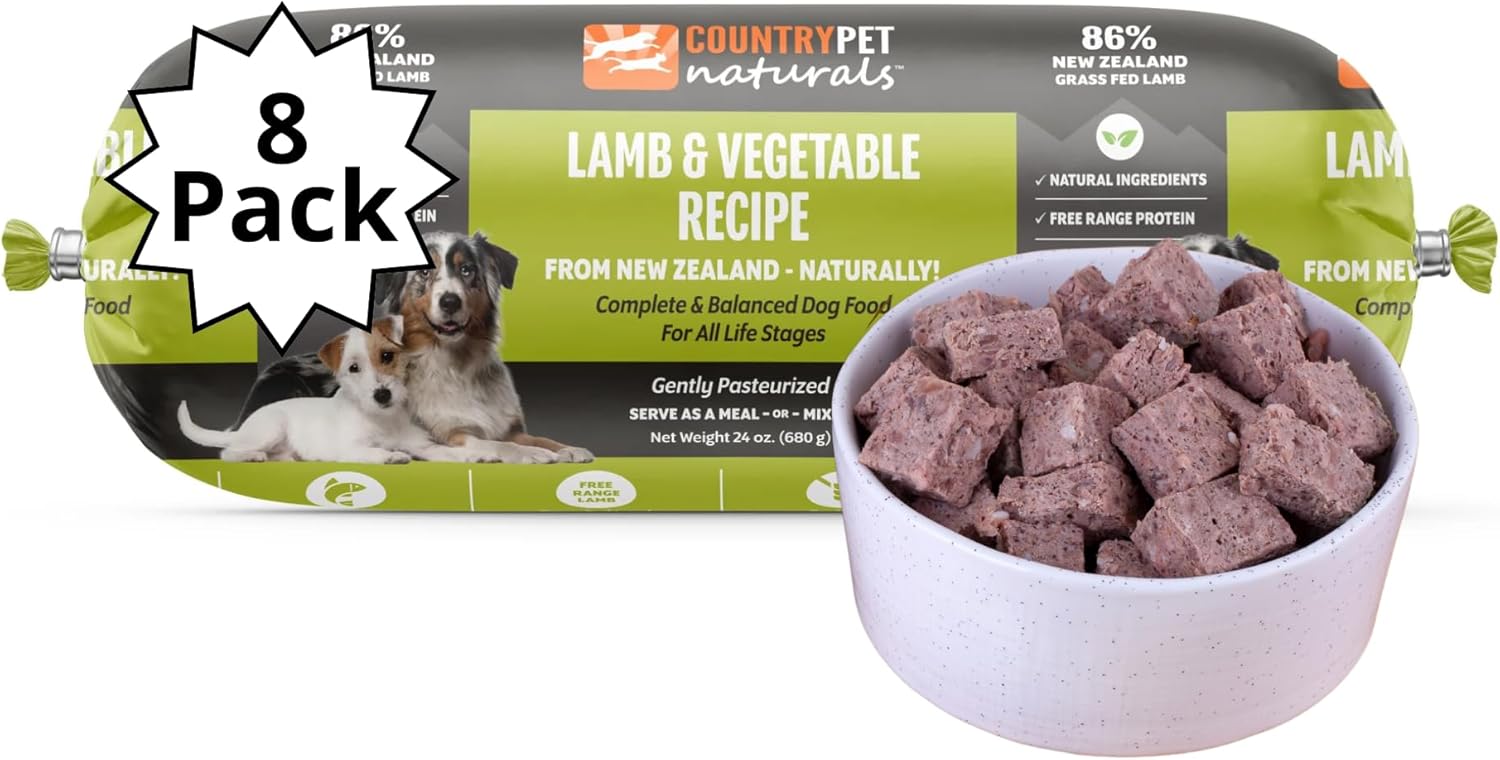
New Zealand Lamb & Veggie Frozen Fresh Dog Food
$129.99
Personalized fresh food delivered to your door. Gently cooked human-grade ingredients. Veterinarian-formulated recipes tailored to your dog’s needs.
How ZimuShop Chooses Products
Every guide on ZimuShop is researched against verified owner reviews, product specifications, brand reputation and recall history. We never accept payment for placement, and ZimuShop is not owned by any pet brand, so our picks stay independent. Prices and availability change often, so check the retailer for the latest details.