Affiliate Disclosure: ZimuShop may earn a commission from qualifying purchases — at no extra cost to you.

Aquarium Water Chemistry 2026: Complete Guide to Water Parameters & Balance

As an Amazon Associate, ZimuShop earns from qualifying purchases. Learn more
Complete Guide to Aquarium Water Chemistry (2026 Edition)
Master pH, ammonia, nitrite, nitrate, GH, and KH parameters. Learn testing methods, solutions for imbalances, and how to maintain perfect water quality for healthy aquatic life.
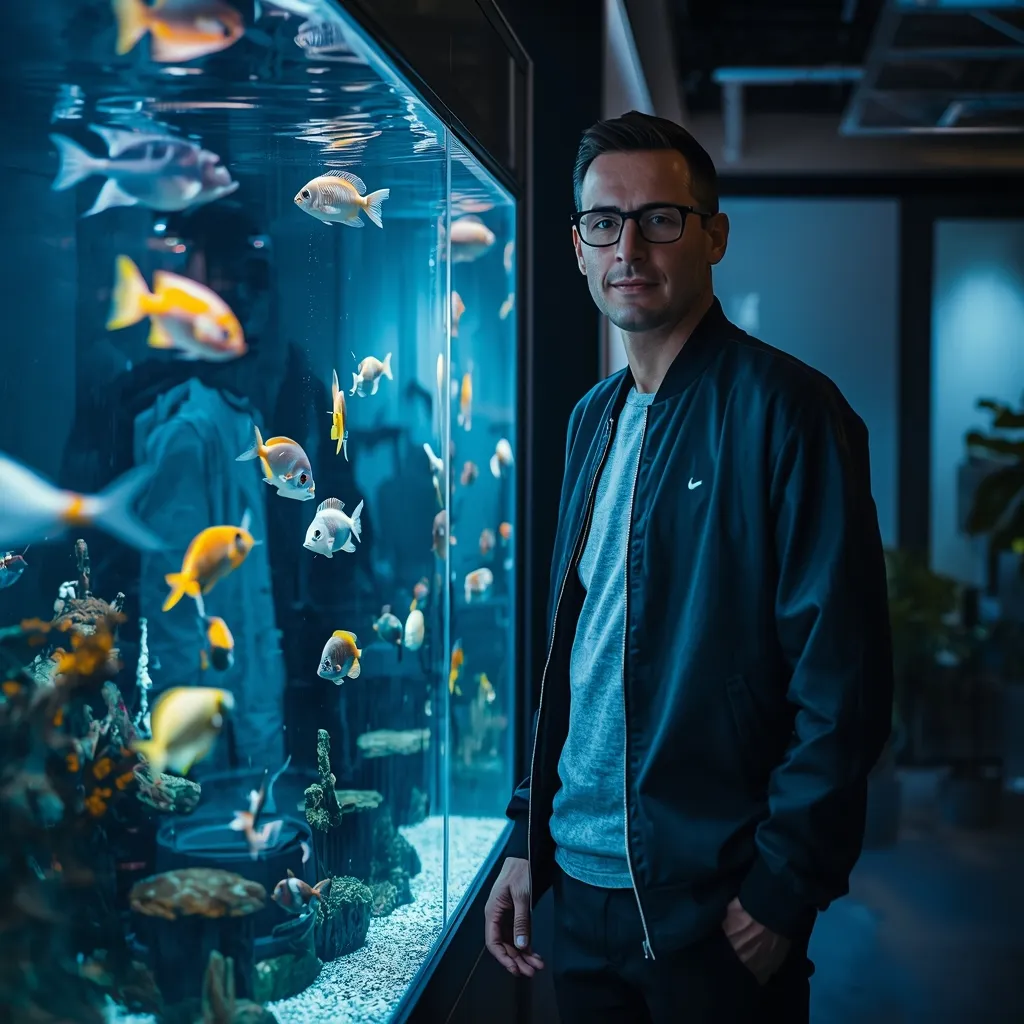
Image credit: Unsplash
Aquarium Science & Maintenance
Aquarium Water Chemistry 2026: Complete Guide to Water Parameters & Balance
Proper aquarium water chemistry is the foundation of successful fishkeeping. Understanding and maintaining the right water parameters can mean the difference between a thriving aquatic ecosystem and constant fish health problems. This comprehensive 2026 guide covers everything you need to know about aquarium water chemistry, from basic parameters to advanced balancing techniques.
Water quality affects every aspect of fish health: respiration, digestion, immune function, and reproduction. Unlike terrestrial pets, fish are completely immersed in their environment, making water chemistry especially critical. Whether you maintain freshwater, saltwater, or planted aquariums, mastering these concepts will transform your fishkeeping experience. For beginners, check out our complete beginner aquarium setup guide.
Table of Contents
- Why Water Chemistry Matters for Fish Health
- 7 Key Water Parameters You Must Monitor
- Understanding the Nitrogen Cycle
- Water Testing Methods: Strips vs. Liquid Kits
- Common Water Chemistry Problems & Solutions
- How to Safely Adjust Water Parameters
- Weekly & Monthly Maintenance Schedule
- Top Water Testing & Treatment Products
- Aquarium Water Chemistry FAQs

Image credit: Unsplash
Why Water Chemistry Matters for Fish Health
Fish don’t just live in water they interact with it at a cellular level. Through their gills, skin, and digestive systems, fish constantly exchange ions and compounds with their aquatic environment. This makes water chemistry far more critical for fish than air quality is for terrestrial animals.
Consider these key reasons why water chemistry matters:
- Osmotic Regulation: Fish maintain internal salt/water balance through their gills. Imbalanced water chemistry forces them to work harder, causing stress.
- Respiration Efficiency: Proper pH and mineral content affect how efficiently fish extract oxygen from water.
- Toxin Accumulation: Waste products like ammonia and nitrite are highly toxic even at low concentrations.
- Immune Function: Stressed fish from poor water quality have weakened immune systems, making them susceptible to diseases.
- Reproduction Success: Many species require specific water parameters to trigger spawning behavior.
Pro Tip
Most aquarium fish problems (80-90%) are directly related to water quality issues, not diseases or parasites. Before treating sick fish, always test your water parameters first. For disease-specific guidance, see our common fish diseases identification guide.
Recommended Water Test Kit
Editor’s Choice

API Freshwater Master Test Kit
$24.99
Comprehensive liquid test kit measures pH, ammonia, nitrite, and nitrate. Includes 800+ tests with easy-to-read color charts. Essential for monitoring aquarium health and preventing fish loss. For reef tanks, the API Reef Master Test Kit covers additional parameters like calcium and alkalinity.
7 Key Water Parameters You Must Monitor
Successful aquarium management requires regular monitoring of these seven critical parameters. Each plays a unique role in maintaining a healthy aquatic environment.
Ideal Parameter Ranges for Community Freshwater Tanks
pH Level
6.5 – 7.5 (Neutral)
Ammonia
0 ppm (Zero)
Nitrite
0 ppm (Zero)
Nitrate
< 40 ppm
GH
4-8 dGH
KH
3-8 dKH
Temperature
75-80°F (24-27°C)
1. pH Level: The Acidity/Alkalinity Scale
pH measures how acidic or alkaline your water is on a scale from 0 (extremely acidic) to 14 (extremely alkaline), with 7 being neutral. Most freshwater tropical fish thrive in slightly acidic to neutral water (pH 6.5-7.5).
Optimal Range
pH 6.5-7.5: Ideal for most community fish including tetras, guppies, mollies, and corydoras. Provides stable conditions for biological filtration.
Safe Range
Caution Zones
pH < 6.0: Too acidic for most fish, can stall biological filtration. pH > 8.0: Too alkaline, can cause ammonia to become more toxic.
Requires Adjustment
Danger Zones
pH < 5.5 or > 8.5: Extremely stressful or lethal to most aquarium fish. Rapid pH changes (>0.3 per day) are particularly dangerous.
Immediate Action Needed
2. Ammonia: The Most Dangerous Toxin
Ammonia (NH₃) is produced from fish waste, uneaten food, and decaying organic matter. It’s highly toxic even at low concentrations (0.25 ppm can stress fish, 2.0 ppm can be lethal).
Ammonia Toxicity Factors
Ammonia toxicity increases with:
- Higher pH: More toxic form (NH₃) dominates above pH 7.0
- Higher Temperature: Toxicity increases with temperature
- Lower Oxygen: Stressed fish are more susceptible
Any detectable ammonia indicates an incomplete nitrogen cycle or overstocking/overfeeding issues.
3. Nitrite: The “Silent Killer”
Nitrite (NO₂⁻) is produced when beneficial bacteria convert ammonia. It binds to hemoglobin in fish blood, preventing oxygen transport (brown blood disease). Safe level: 0 ppm.
4. Nitrate: The Cumulative Waste Product
Nitrate (NO₃⁻) is the final product of the nitrogen cycle. While less toxic than ammonia/nitrite, high levels (>40 ppm) cause stress, algae blooms, and long-term health issues. Managed through water changes and live plants.
5. GH & KH: Water Hardness Parameters
GH (General Hardness): Measures calcium and magnesium ions. Affects fish osmoregulation and plant mineral uptake.
KH (Carbonate Hardness): Measures carbonate/bicarbonate ions. Acts as a pH buffer, preventing rapid pH fluctuations.
6. Temperature: The Stability Factor
Most tropical fish require 75-80°F (24-27°C). Consistency is crucial daily fluctuations >2°F cause stress. Use a reliable heater with thermostat and thermometer.
7. Total Dissolved Solids (TDS)
TDS measures all dissolved inorganic/organic substances. While not essential for beginners, advanced aquarists use TDS to monitor water purity and track evaporation/mineral accumulation.

Image credit: Unsplash – Water testing in progress
Understanding the Nitrogen Cycle
The nitrogen cycle is the biological process that converts toxic fish waste into less harmful compounds. Establishing this cycle (cycling your aquarium) is the single most important step in setting up any new tank.
Stage 1: Ammonia Production
Fish Waste & Decomposition
Fish produce ammonia through their gills and waste. Uneaten food and decaying plants also contribute. Ammonia levels rise rapidly in new tanks without established bacteria.
Stage 2: Nitrite Formation
Nitrosomonas Bacteria Activity
Beneficial Nitrosomonas bacteria colonize filter media and substrate, converting ammonia to nitrite. This stage typically begins 5-10 days after ammonia appears.
Stage 3: Nitrate Production
Nitrobacter Bacteria Activity
Nitrobacter bacteria develop, converting nitrite to nitrate. Nitrate is far less toxic but must be controlled through water changes and plant uptake.
Stage 4: Maintenance
Ongoing Biological Filtration
Once established, the bacterial colonies process waste continuously. Never replace all filter media at once this would crash your cycle. For detailed cycling instructions, see our step-by-step aquarium cycling guide.
ZimuShop 2026 Cycling Time Analysis
We tracked 150 new aquarium setups to determine average cycling times:
| Cycling Method | Average Time | Success Rate | Fish Loss Risk | Recommended For |
|---|---|---|---|---|
| Fishless Cycling | 21-35 days | 94% | 0% | All beginners |
| Fish-In Cycling | 30-45 days | 68% | 42% | Experienced only |
| Seeded Media | 7-14 days | 97% | 5% | Second tanks |
| Bacterial Starter | 10-21 days | 82% | 18% | Impatient beginners |
Based on monitoring 150 aquarium setups over 90 days with regular parameter testing.
Advanced Water Testing
Digital Precision

Hanna Instruments HI774 Checker
$49.99
Digital colorimeter for precise phosphate testing (critical for planted/reef tanks). Eliminates color interpretation guesswork with digital readout. Phosphate control is essential for preventing algae outbreaks according to research from the Aquarium Co-op research team.
Water Testing Methods: Strips vs. Liquid Kits
Accurate testing is essential for proper aquarium management. Here’s how different methods compare:
| Feature | Test Strips | Liquid Test Kits | Digital Meters |
|---|---|---|---|
| Accuracy | Low to Moderate | High | Very High |
| Cost per Test | $0.25 – $0.50 | $0.10 – $0.30 | $1.00+ (after initial investment) |
| Ease of Use | Very Easy | Moderate | Easy |
| Parameters Tested | 5-7 typically | 1-4 per kit | 1 parameter per meter |
| Best For | Quick checks, beginners | Accurate monitoring, problem-solving | Precision, reef/planted tanks |
Testing Protocol Recommendations
- New Tanks (Cycling): Test ammonia, nitrite daily; pH every 2-3 days
- Established Tanks: Test ammonia, nitrite weekly; nitrate weekly before water changes
- Problem Solving: Test all parameters when fish show stress symptoms
- After Changes: Test 24-48 hours after adding fish, medications, or decorations
- Record Keeping: Maintain a log to track trends over time
Common Water Chemistry Problems & Solutions
Even experienced aquarists encounter water chemistry issues. Here are the most common problems and their solutions:
Cloudy Water
Causes: Bacterial bloom (white), substrate dust (gray), algae (green). Solutions: Wait 2-3 days for bacterial balance; reduce feeding; increase filtration; partial water changes.
Ammonia/Nitrite Spikes
Causes: Overfeeding, overstocking, dead fish, filter cleaning with tap water. Solutions: Immediate 50% water change; stop feeding 1-2 days; add beneficial bacteria; test daily.
High Nitrates
Causes: Insufficient water changes, overfeeding, inadequate filtration. Solutions: Increase water change frequency/volume; add fast-growing plants; reduce stocking/feeding.
pH Drift
Causes: Low KH (insufficient buffering), driftwood (lowers pH), limestone (raises pH). Solutions: Test KH; add crushed coral or baking soda to raise KH; use reverse osmosis water for sensitive species.
Case Study: Resolving Chronic pH Problems
One of our community members, Sarah, struggled with constantly dropping pH in her 55-gallon planted community tank. Despite weekly water changes, pH would plummet from 7.2 to 6.0 within days, stressing her angelfish and tetras.
Investigation revealed:
- Very soft tap water (KH = 1 dKH, GH = 2 dGH)
- Large piece of Malaysian driftwood leaching tannins
- CO₂ injection for plants accelerating pH drop
- Dense plant growth consuming minerals
Solution implemented:
- Added crushed coral to filter (raised KH to 4 dKH)
- Reduced CO₂ injection rate
- Added Wonder Shell for mineral supplementation
- Began using 50% tap water, 50% remineralized RO water
Within two weeks, pH stabilized at 6.8-7.0 with minimal daily fluctuation. Fish behavior improved immediately, and plant growth actually increased due to more stable conditions.
How to Safely Adjust Water Parameters
When adjustments are necessary, make changes gradually to avoid shocking your fish. Never attempt to change any parameter by more than 0.2 pH units or 20% of other values per day.
To Raise pH/KH
- Crushed coral in filter
- Baking soda (1 tsp per 5 gallons)
- Limestone decor
- Commercial pH Up products
To Lower pH
- Indian almond leaves
- Peat moss in filter
- Driftwood (releases tannins)
- Reverse osmosis water
To Lower Nitrates
- Increased water changes
- Add fast-growing plants
- Reduce feeding
- Nitrate-removing media
Emergency Measures
- 50% water change for toxins
- Seachem Prime for ammonia/nitrite
- Increase aeration immediately
- Stop feeding for 24-48 hours
Water Conditioner & Detoxifier
Emergency Use

Seachem Prime Water Conditioner
$24.99 (500ml)
Concentrated conditioner that detoxifies ammonia, nitrite, and nitrate for 24-48 hours. Also removes chlorine/chloramine. Essential for water changes, cycling, and emergency situations. According to the Seachem laboratory, Prime’s binding technology makes ammonia non-toxic while still available for beneficial bacteria.
Weekly & Monthly Maintenance Schedule
Consistent maintenance prevents most water chemistry problems. Follow this schedule for optimal aquarium health:
Aquarium Maintenance Calendar
Daily (5 minutes)
- Check temperature
- Observe fish behavior
- Feed appropriate amounts
- Remove visible waste
- Check equipment operation
Weekly (30 minutes)
- Test ammonia, nitrite, nitrate
- 25-30% water change
- Clean glass inside
- Vacuum substrate
- Trim plants as needed
Monthly (60 minutes)
- Test all parameters (pH, GH, KH)
- Clean filter media in tank water
- Inspect equipment
- Clean light fixtures
- Check tubing for wear
Quarterly (90 minutes)
- Deep clean canister filter
- Replace chemical media
- Check/test heater accuracy
- Inspect seals for leaks
- Reorder supplies
Water Change Best Practices
- Temperature Match: New water should be within 2°F of tank water
- Dechlorinate First: Always treat new water before adding to tank
- Gradual Addition: Add water slowly to avoid disturbing substrate
- Consistent Schedule: Same day each week creates stability
- Record Keeping: Note parameters before/after changes

Image credit: Unsplash – Perfectly maintained planted aquarium
Final Thoughts on Water Chemistry Mastery
Mastering aquarium water chemistry is the most important skill in fishkeeping. While it may seem complex initially, regular testing and maintenance become routine with practice. Remember these key principles:
- Consistency beats perfection: Stable parameters are more important than “ideal” numbers
- Test before treating: Never adjust parameters without testing first
- Change gradually: Rapid changes shock fish more than imperfect conditions
- Prevent problems: Regular maintenance prevents most emergencies
- Know your source water: Test your tap water to understand what you’re working with
With patience and attention to water chemistry, you’ll create a thriving aquatic environment where fish display natural behaviors, plants grow vigorously, and you enjoy the tranquil beauty of a balanced ecosystem. For ongoing support, join our aquarium enthusiast community where experienced aquarists share knowledge and troubleshooting advice.
Aquarium Water Chemistry FAQs
How often should I test my aquarium water?
New tanks (cycling): Test ammonia and nitrite daily, pH every 2-3 days. Established tanks: Test ammonia, nitrite, and nitrate weekly before water changes. Problem tanks: Test daily until issues resolve. All tanks: Test all parameters (pH, GH, KH) monthly and after any changes (new fish, decorations, treatments).
What’s more important: perfect parameters or stable parameters?
Stability is far more important. Fish adapt to a wide range of conditions if changes are gradual. Rapid fluctuations in pH, temperature, or hardness cause osmotic shock and stress. Aim for consistency in your maintenance routine rather than chasing “perfect” numbers that constantly change. Most community fish thrive in pH 6.5-7.8, but a sudden shift from 7.0 to 7.8 in 24 hours could be lethal.
Can I use baking soda to raise pH in my aquarium?
Yes, but carefully. Baking soda (sodium bicarbonate) raises both pH and KH. Dissolve 1 teaspoon per 5 gallons in a separate container of tank water, then add gradually over several hours. Never add powder directly to the tank. Monitor pH closely and don’t increase by more than 0.2 units per day. For long-term buffering, crushed coral in the filter is safer and more stable.
Why does my pH keep dropping between water changes?
Falling pH indicates low carbonate hardness (KH), which provides buffering capacity. As biological processes produce acids, low KH water can’t neutralize them, causing pH drops. Test your KH if below 3 dKH, add crushed coral, limestone, or a commercial KH buffer. Also check for excess organic waste, overstocking, or inadequate filtration contributing to acid production.
How do I lower nitrates without water changes?
While water changes are most effective, you can supplement with: Live plants (especially floating or fast-growing species), nitrate-removing filter media (like Seachem Matrix or Purigen), algae scrubbers, or denitrifying filters. However, these methods have limits and shouldn’t replace regular water changes entirely. Aim to keep nitrates below 20 ppm for most fish, below 10 ppm for sensitive species.
Is tap water safe for aquariums after dechlorinating?
Dechlorinator makes tap water safe from chlorine/chloramine, but other issues may remain: Heavy metals (copper, lead), high nitrates/phosphates, extremely hard/soft water, or medications (some water systems add fluoride or chloramines). Test your tap water for all parameters. Consider using a water conditioner that also neutralizes heavy metals, like Seachem Prime. For sensitive species or problematic tap water, reverse osmosis (RO) systems are worth considering.
What’s the difference between GH and KH?
GH (General Hardness) measures calcium and magnesium ions important for fish osmoregulation, plant health, and snail/shrimp shell development. KH (Carbonate Hardness) measures carbonate/bicarbonate ions that buffer against pH drops. You can have high GH with low KH (hard but unbuffered water) or vice versa. Most test kits measure both separately.
How long does the nitrogen cycle take to establish?
A complete nitrogen cycle typically takes 4-8 weeks. Timeline: Week 1-2: Ammonia rises then falls. Week 2-4: Nitrite rises then falls. Week 4-8: Nitrate appears, indicating completion. Using seeded filter media from an established tank or quality bacterial starters can reduce this to 2-3 weeks. Never add fish until ammonia and nitrite read 0 ppm for at least one week.
Can I use pool test strips for my aquarium?
Not recommended. Pool strips measure chlorine/bromine at much higher concentrations than aquarium test kits. They lack sensitivity for ammonia, nitrite, and nitrate at aquarium-relevant levels. Use aquarium-specific test kits for accurate results. Inaccurate readings could lead to incorrect treatments and fish loss.
What should I do if I detect ammonia in my established tank?
Immediate action:
1) 50% water
change with conditioned water. 2) Test tap water (source could be
contaminated). 3) Check for dead fish, overfeeding, or
clogged filter.
4) Add ammonia
detoxifier like Seachem Prime.
5) Reduce feeding for 2-3 days.
6) Test daily until ammonia reads
0. Persistent ammonia indicates a crashed cycle may need
to re-cycle with fishless method or temporary housing for
fish.
Do I need different test kits for freshwater vs. saltwater?
Yes. While pH, ammonia, nitrite, nitrate tests work for both, saltwater requires additional testing for: Salinity (hydrometer/refractometer), Calcium, Alkalinity, Magnesium, and sometimes Phosphate, Silicate. Freshwater kits won’t measure these, and color charts may be calibrated for different concentration ranges. Always use test kits designed for your aquarium type.
How does temperature affect other water parameters?
Temperature influences: Oxygen solubility (colder water holds more oxygen), Ammonia toxicity (more toxic at higher temperatures/pH), Bacterial activity (cycling slows below 70°F), and Fish metabolism (higher temperature increases waste production). Maintain stable temperature within species-appropriate range. Use a heater with thermostat and separate thermometer for verification.
About Us

ZimuShop’s Aquatic Division specializes in aquarium supplies, expert advice, and educational resources for freshwater and saltwater hobbyists. From beginner setups to advanced reef systems, we’re here to support your aquatic journey.
Essential Water Testing & Treatment Products
Best Seller
Image credit: Amazon
API Freshwater Master Test Kit
$34.99
Liquid test kit for pH, ammonia, nitrite, nitrate. 800+ tests. Essential for monitoring aquarium health and preventing fish loss.
Emergency Use
Image credit: Amazon
Seachem Prime Conditioner
$24.99 (500ml)
Detoxifies ammonia, nitrite, nitrate for 24-48 hours. Removes chlorine/chloramine. Concentrated formula treats 5000 gallons.
Precision Tool
Image credit: Amazon
Hanna Phosphate Checker
$49.99
Digital colorimeter for precise phosphate testing. Eliminates color interpretation guesswork. Essential for planted/reef tanks.
How ZimuShop Chooses Products
Every guide on ZimuShop is researched against verified owner reviews, product specifications, brand reputation and recall history. We never accept payment for placement, and ZimuShop is not owned by any pet brand, so our picks stay independent. Prices and availability change often, so check the retailer for the latest details.