Affiliate Disclosure: ZimuShop may earn a commission from qualifying purchases — at no extra cost to you.

Choosing the Right Kibble: How to Navigate the Dry Dog Food Aisle Like a Pro

As an Amazon Associate, ZimuShop earns from qualifying purchases. Learn more
Choosing the Best Dog Kibble: Complete 2026 Guide
Master the art of selecting premium dry dog food. Learn to decode labels, compare nutritional values, and choose the perfect kibble for your dog’s unique needs.
Image credit: Unsplash
Dry Dog Food Guide
Choosing the Right Kibble: How to Navigate the Dry Dog Food Aisle Like a Pro
With hundreds of kibble brands lining pet store shelves, choosing the right dry food for your dog can feel overwhelming. From grain-free to high-protein, small breed formulas to weight management recipes, the options seem endless. But selecting the perfect kibble does not have to be complicated when you know what to look for.
In this comprehensive guide, we will demystify the kibble selection process. You will learn how to read labels like a nutritionist, understand the difference between marketing hype and nutritional reality, and identify the key factors that determine whether a kibble truly supports your dog’s health. Whether you are choosing your puppy’s first food or switching your senior dog to a more age-appropriate formula, this guide provides the expertise you need to make an informed decision.
Table of Contents

Image credit: Unsplash
Why Choose Kibble? The Benefits of Dry Dog Food
While fresh and raw diets gain popularity, kibble remains the most popular dog food choice for good reasons. Understanding these benefits helps you appreciate why selecting high-quality kibble matters so much for your dog’s daily nutrition.
Dental Health Benefits
The mechanical action of chewing crunchy kibble helps scrape plaque from teeth. While not a replacement for brushing, quality kibble with specific dental formulations can reduce tartar buildup by up to 20% compared to soft foods.
Cost-Effective Nutrition
Kibble provides complete nutrition at a lower cost per serving than wet or raw diets. Premium kibbles offer exceptional value when calculated by cost-per-nutrient rather than cost-per-pound.
Convenience and Storage
Properly stored kibble lasts 6-8 weeks after opening without refrigeration. This makes feeding routines simpler and reduces food waste compared to perishable alternatives.
Consistent Nutrition
Unlike homemade diets that may lack specific nutrients, commercial kibbles undergo rigorous testing to ensure every bite delivers balanced vitamins, minerals, and macronutrients.
Understanding Kibble Labels: Your Roadmap to Quality
The packaging tells the story if you know how to read it. Here is how to decode kibble labels to separate premium options from marketing gimmicks.
Decoding the Ingredient List
Ingredients appear in descending order by weight before processing. The first five ingredients typically constitute 80% of the formula, making them the most critical to evaluate.
| Quality Indicator | What to Look For | What to Avoid |
|---|---|---|
| First Ingredient | Specific meat (Chicken, Beef, Salmon) | Generic terms (Meat, Poultry, Animal) |
| Protein Sources | Named meals (Chicken meal, Fish meal) | By-products (Chicken by-products) |
| Carbohydrates | Whole grains (Brown rice, Oats) | Refined fillers (Corn gluten, Wheat middlings) |
| Fats | Named sources (Chicken fat, Salmon oil) | Animal fat (unspecified source) |
| Preservatives | Natural (Mixed tocopherols, Rosemary) | Artificial (BHA, BHT, Ethoxyquin) |
Pro Tip: The “Meal” Misconception
“Meat meal” is not inferior to whole meat. In fact, chicken meal contains 300% more protein per pound than fresh chicken because the water has been removed. The key is specificity: “Chicken meal” is excellent; “Meat meal” is vague and potentially low-quality.
Reading the Guaranteed Analysis
This panel shows minimum or maximum percentages of nutrients. For kibble, look for these benchmarks:
Optimal Kibble Nutritional Values
| Nutrient | Adult Maintenance | Growth/Pregnancy | Weight Management |
|---|---|---|---|
| Protein (Min) | 18-25% | 28-32% | 25-30% |
| Fat (Min) | 12-18% | 18-22% | 8-12% |
| Fiber (Max) | 3-5% | 2-4% | 8-12% |
| Moisture (Max) | 10% | 10% | 10% |
Values based on AAFCO nutritional profiles for dry dog food (as-fed basis).
The AAFCO Statement
Look for this crucial statement: “Animal feeding tests using AAFCO procedures substantiate that [Product Name] provides complete and balanced nutrition for [life stage].”
Formulations meeting AAFCO standards through feeding trials (rather than just laboratory analysis) have been tested on actual living dogs, providing greater assurance of nutritional adequacy and digestibility.
Best All-Life-Stages Kibble
Top Rated

Royal Canin Size Health Nutrition
$26.99
Breed-specific kibble shapes and precise nutritional profiles tailored to your dog’s size. Clinically tested antioxidants and highly digestible proteins.
Life Stage Considerations
Dogs have different nutritional needs at different life stages. Choosing appropriate kibble ensures optimal development and maintenance.
Puppy Kibble (0-12 months)
Puppies require 30% minimum protein and specific calcium-to-phosphorus ratios (between 1:1 and 1.3:1) to support rapid growth without causing orthopedic issues. Large breed puppies need controlled calorie density to prevent orthopedic problems.
Adult Maintenance (1-7 years)
Adult dogs require maintenance formulas with 18-25% protein. Active working dogs may need higher protein (26-30%), while sedentary pets benefit from moderate protein with controlled calories.
Senior Formulas (7+ years)
Senior kibbles often feature reduced calories, enhanced joint support (glucosamine and chondroitin), and increased antioxidants. Protein should remain high (28%+) to prevent muscle wasting in aging dogs.
Types of Kibble Formulations
Modern kibble comes in specialized formulations targeting specific health needs:
Grain-Free
Uses potatoes, peas, or lentils instead of grains. Suitable for dogs with grain allergies (rare), though recent studies suggest potential heart health concerns. Consult your vet before choosing grain-free.
Weight Management
Reduced calorie density with increased fiber (8-12%) to promote satiety. Often contains L-carnitine to support fat metabolism.
Limited Ingredient
Contains minimal ingredients to identify food allergens. Usually features single protein and carbohydrate sources.
High Performance
30%+ protein and 20%+ fat for working dogs, athletes, or high-energy breeds. Energy-dense to fuel intense activity.
Does Kibble Size Matter?
Absolutely. Kibble size and shape affect palatability, chewing behavior, and even digestion speed.
Size Guidelines by Breed
- Toy breeds (under 10 lbs): Small kibble (7-10mm) prevents choking and encourages chewing
- Small breeds (10-25 lbs): Mini kibble (10-12mm) sized for smaller jaws
- Medium breeds (25-60 lbs): Standard kibble (12-16mm) allows proper crunching
- Large breeds (60+ lbs): Large kibble (16-20mm) forces slower eating and reduces bloat risk
Some brands offer breed-specific kibbles with shapes designed for specific jaw structures. For example, Golden Retriever kibble encourages chewing, while Boxer kibbles accommodate the breed’s unique brachycephalic jaw.
Red Flags: What to Avoid in Kibble
Warning Signs of Low-Quality Kibble
- Vague protein sources: “Meat meal,” “animal digest,” or “by-product meal” without species specification
- Artificial preservatives: BHA, BHT, and ethoxyquin (banned in human food, restricted in pet food in EU)
- Excessive fillers: Corn, wheat, or soy as first ingredients provide calories without optimal nutrition
- Added sugars: Corn syrup, sugar, or cane molasses indicate palatability masking of low-quality ingredients
- Unnecessary dyes: Blue 2, Red 40, Yellow 5 and 6 serve marketing, not nutrition
- Propylene glycol: A controversial humectant banned in cat food, questionable in dog food

Image credit: Unsplash
Best Grain-Inclusive Option
Vet Recommended

Hill’s Science Diet Adult
$51.99
Veterinarian-developed formula with clinically proven antioxidants and precisely balanced nutrition. No chicken by-product meal, artificial colors, or preservatives.
Transitioning to New Kibble Safely
Even when upgrading to premium kibble, abrupt changes can cause digestive upset. Follow this gradual transition schedule:
Days 1-3
25% New, 75% Old
Begin with a small amount of new kibble mixed thoroughly with the current food. Monitor for any immediate adverse reactions.
Days 4-6
50% New, 50% Old
Equal portions allow your dog’s gut bacteria to adapt to the new protein and carbohydrate sources.
Days 7-9
75% New, 25% Old
Majority new food. You should start noticing improvements in stool quality and energy levels.
Day 10+
100% New Kibble
Complete transition. Continue monitoring weight and health markers for full adjustment.
Transition Tips
- Sensitive stomachs: Extend each phase to 4-5 days instead of 3
- Adding moisture: Warm water or bone broth can soften kibble and ease transition
- Probiotic support: Consider adding canine probiotics during the switch
- When to slow down: If vomiting or diarrhea occurs, return to the previous ratio for 2 additional days
Storing Kibble for Maximum Freshness
Even the best kibble degrades if stored improperly. Follow these guidelines to preserve nutritional integrity:
- Keep in original bag: The bag’s interior liner protects against oxidation. Place the entire bag inside an airtight container rather than pouring loose kibble into plastic bins
- Avoid heat and humidity: Store in a climate-controlled area under 80°F. garages and sheds experience temperature fluctuations that accelerate fat oxidation
- Use within 6 weeks: After opening, consume within 6-8 weeks even if the expiration date is distant
- Check for rancidity: Smell the kibble monthly. Rancid fat smells like paint or crayons. If detected, discard immediately
Kibble Selection FAQs
How do I know if my dog’s current kibble is high quality?
Check the first five ingredients. Quality kibbles list specific named meats (chicken, salmon, beef) or meat meals first. Avoid foods listing corn, wheat, or by-products in the top five. Look for an AAFCO feeding trial statement rather than just “formulated to meet” language. Your dog’s health markers matter too: firm stools, healthy coat, consistent energy, and maintaining appropriate weight indicate good nutritional match.
Is expensive kibble always better?
Not always, but generally price correlates with ingredient quality. Mid-tier kibbles ($2-3/lb) often provide the best value, using quality ingredients without boutique pricing. However, some expensive brands charge for marketing rather than superior nutrition. Focus on ingredient lists rather than price tags. Conversely, extremely cheap kibble (under $1/lb) almost certainly uses low-quality fillers and by-products.
Should I rotate my dog’s kibble flavor or brand?
Rotating proteins within the same quality brand can provide nutritional variety and prevent food boredom. However, frequent brand switching may cause digestive upset. If rotating, stay within the same brand family to maintain similar carbohydrate bases, or transition gradually between brands every 3-6 months. Some dogs with sensitive stomachs do best on consistent formulas.
Can I mix kibble with wet food or toppers?
Yes, but keep additions under 10% of total calories to avoid nutritional imbalance. Fresh toppers like cooked vegetables or lean meats add moisture and variety. If adding wet food, reduce kibble portion proportionally to prevent weight gain. Avoid mixing therapeutic prescription kibbles with regular foods unless directed by your veterinarian.
My dog has allergies. What kibble should I choose?
Choose a limited ingredient diet (LID) with a novel protein your dog has never consumed often duck, venison, salmon, or kangaroo. Hydrolyzed protein kibbles (available by prescription) break proteins into molecules too small to trigger immune responses. Avoid foods with “and” in the protein name (e.g., “chicken and fish”), as these contain multiple protein sources. Always transition allergic dogs very gradually.
How long does an open bag of kibble last?
An opened bag maintains optimal nutrition for 4-6 weeks when stored properly in a cool, dry place. The fats in kibble begin oxidizing (going rancid) after opening, especially in warm or humid environments. For single small dogs, buy smaller bags to ensure freshness rather than storing large bags for months. Write the opening date on the bag with a marker to track freshness.
What is the “ash content” listed in some guaranteed analyses?
“Ash” represents mineral content (calcium, phosphorus, magnesium). It is not literal ash, but what remains after burning the food in a laboratory to measure minerals. Normal ash content ranges from 5-8%. Higher ash (over 10%) may indicate excessive bone meal or mineral fillers. Very low ash (under 4%) might mean the food lacks sufficient minerals, though some premium brands achieve low ash through better ingredient quality.
Are “natural” and “holistic” kibbles better?
Not necessarily. “Natural” has a specific AAFCO definition (no artificial colors, flavors, or preservatives), but natural ingredients are not inherently more nutritious than synthetic supplements. “Holistic” has no legal definition in pet food marketing it is purely a buzzword. Ignore these marketing terms and evaluate the actual ingredient list and nutritional adequacy statements instead.

About Us

ZimuShop is your trusted partner for all pet care needs. We provide high-quality products, expert advice, and resources to help you care for your furry, feathered, and scaled friends.
Our team of pet experts is dedicated to helping you build a stronger bond with your pets through proper care, training, and nutrition.
Top Rated Kibbles
Sensitive Stomach
Image credit: Amazon
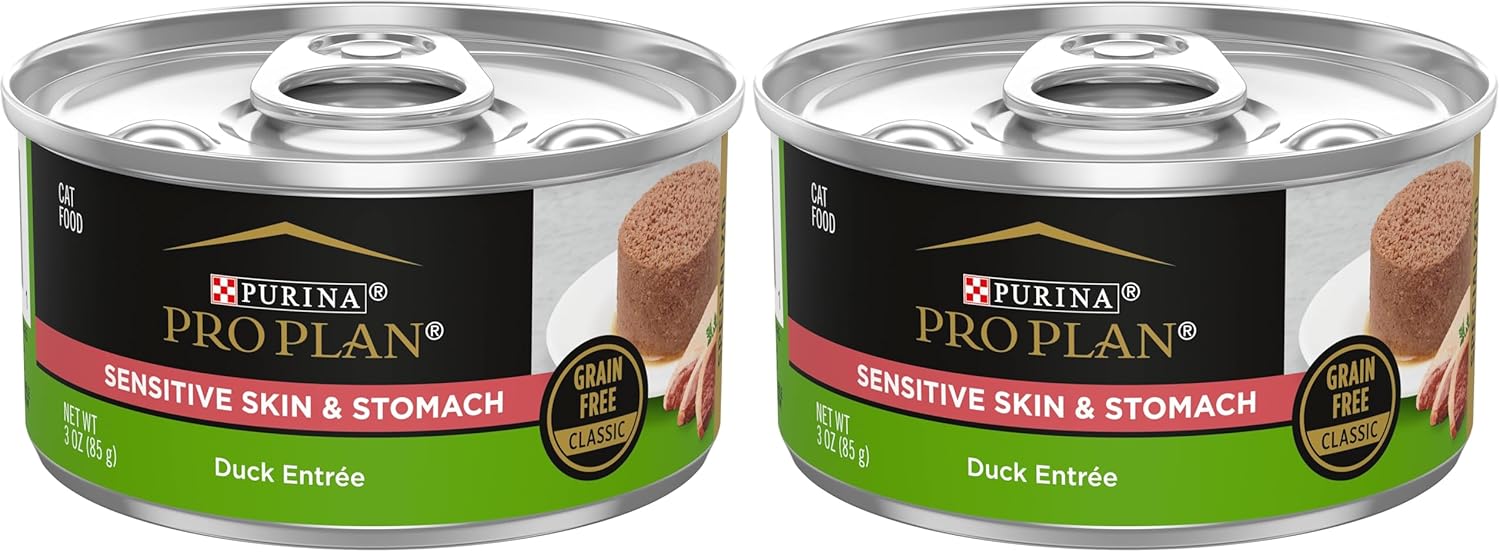
Purina Pro Plan Sensitive Skin & Stomach
$94.08
Salmon and rice formula with prebiotic fiber. Highly digestible for dogs with food sensitivities.

LifeSource Bits
Image credit: Amazon
Blue Buffalo Life Protection Formula
$39.99
Real chicken first ingredient with antioxidant-rich LifeSource Bits. No corn, wheat, or soy.
High Protein
Image credit: Amazon
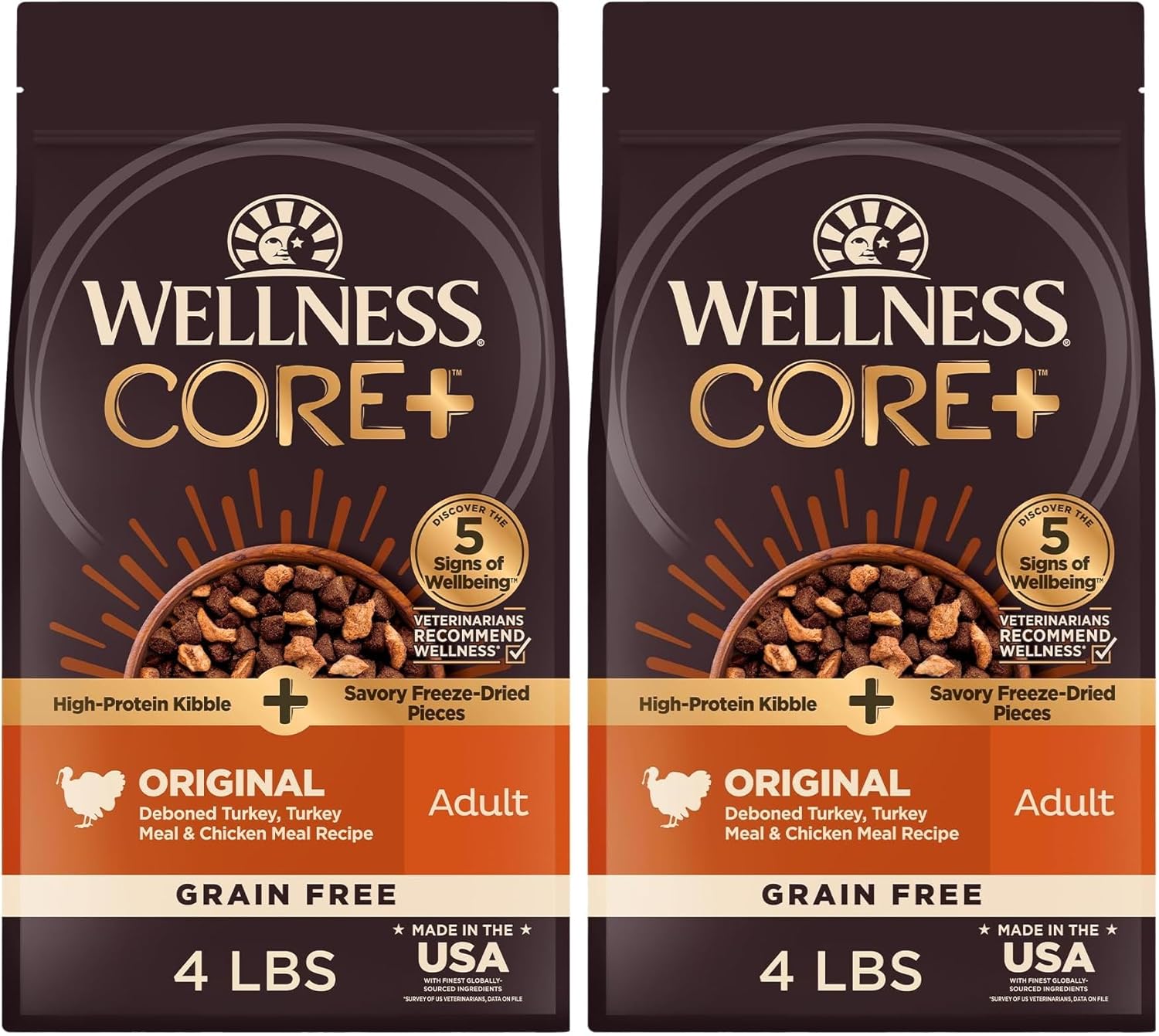
Wellness CORE RawRev Grain-Free
$47.99
Freeze-dried turkey mixed with high-protein kibble. 45% protein with guaranteed probiotic cultures.
How ZimuShop Chooses Products
Every guide on ZimuShop is researched against verified owner reviews, product specifications, brand reputation and recall history. We never accept payment for placement, and ZimuShop is not owned by any pet brand, so our picks stay independent. Prices and availability change often, so check the retailer for the latest details.