Affiliate Disclosure: ZimuShop may earn a commission from qualifying purchases — at no extra cost to you.

Pet Feeding Calculator 2026: Custom Portion & Schedule Tool

As an Amazon Associate, ZimuShop earns from qualifying purchases. Learn more
Pet Feeding Calculator 2026: Perfect Portions & Schedules
2026 Interactive Calculator: Calculate perfect feeding amounts, create customized schedules, and optimize nutrition for dogs, cats, birds, and small pets. Free tool.
Image credit: Unsplash
Pet Nutrition Tools
Pet Feeding Calculator 2026: Custom Portion & Schedule Tool
Feeding your pet the right amount is one of the most important aspects of pet care. Overfeeding can lead to obesity and health problems, while underfeeding can cause malnutrition. Our 2026 Pet Feeding Calculator takes the guesswork out of portion control by providing scientifically-backed calculations tailored to your pet’s specific needs.
This comprehensive tool helps you determine exact feeding amounts, create optimal feeding schedules, and track your pet’s weight management goals. Whether you have a dog, cat, bird, or small mammal, our calculator provides personalized recommendations based on the latest veterinary nutrition research.
Table of Contents
- Interactive Pet Feeding Calculator
- How the Calculator Works: Science Behind the Numbers
- Optimal Feeding Schedules by Pet Type
- Portion Control Strategies for Weight Management
- Special Needs Considerations
- Adjusting for Different Food Types
- Monitoring & Adjusting Over Time
- Common Feeding Mistakes to Avoid
- Frequently Asked Questions

Image credit: Unsplash
Interactive Pet Feeding Calculator
Use our comprehensive calculator below to determine the perfect feeding amount for your pet. The calculator uses advanced algorithms based on Resting Energy Requirements (RER) and Daily Energy Requirements (DER) calculations used by veterinary nutritionists.
Feeding Recommendations
Daily Calories
0
kcal per day
Daily Food Amount
0
cups per day
Weight Goal
Maintain
Target: 0 lbs
Recommended Feeding Schedule
Weight Management Progress
Calculator Tip
For the most accurate results, weigh your pet regularly using a pet or baby scale. Remember that these calculations are starting points individual pets may require adjustments based on metabolism, health conditions, and other factors. Always consult with your veterinarian before making significant dietary changes, especially for pets with medical conditions.
Precision Feeding Scale
Essential Tool

Greater Goods Digital Pet Food Scale
$24.99
Precision digital scale with 0.1oz/1g accuracy. Tare function, LCD display, and automatic shutoff. Perfect for measuring exact portions as recommended by our calculator. According to the American Veterinary Medical Association, accurate portion measurement is crucial for weight management and preventing obesity.
How the Calculator Works: Science Behind the Numbers
Our calculator uses established veterinary formulas to determine your pet’s nutritional needs. Here is the science behind the calculations:
Calculation Methodology
The calculator uses these scientifically-validated formulas:
| Calculation | Formula | Purpose | Source |
|---|---|---|---|
| Resting Energy Requirement (RER) | 70 × (Weight in kg)0.75 | Baseline calories at rest | WSAVA Guidelines |
| Daily Energy Requirement (DER) | RER × Multiplier* | Total daily calorie needs | AAHA Nutrition |
| Food Amount | DER ÷ Food kcal/cup | Portion calculation | Veterinary Manual |
| Weight Adjustment | ±15-25% of DER | Weight loss/gain goals | ACVN Standards |
*Multipliers range from 1.2-2.0 based on age, activity, and health status
Step 1
Calculate RER
Resting Energy Requirement: The calculator first determines how many calories your pet needs at complete rest using the standard veterinary formula: RER = 70 × (weight in kg)0.75. This accounts for metabolic scaling (smaller animals need more calories per pound than larger ones).
Step 2
Apply Life Stage Multipliers
Age & Activity Adjustments: Puppies/kittens get 2.0-3.0× multiplier for growth. Adult pets get 1.2-1.8× based on activity. Seniors get 1.0-1.4×. Neutered pets get 1.6× (vs 1.8× for intact). These multipliers are based on WSAVA Global Nutrition Guidelines.
Step 3
Adjust for Body Condition
Weight Management: For overweight pets, we reduce calories by 20-30% for safe weight loss (1-2% body weight per week). For underweight pets, we increase by 20-30%. These adjustments follow American College of Veterinary Nutrition (ACVN) recommendations for safe, sustainable weight changes.
Step 4
Convert to Food Amounts
Portion Calculation: Finally, we divide total daily calories by the calorie density of your specific food (kcal/cup or kcal/can). This gives you the exact amount to feed. Wet food typically has 200-300 kcal/can, dry food 300-500 kcal/cup.

Image credit: Unsplash
Optimal Feeding Schedules by Pet Type
How often you feed your pet is as important as how much you feed. Different pets have different digestive needs and metabolic patterns:
Dogs
Adult Dogs: 2 meals per day (morning/evening) Puppies: 3-4 meals per day Seniors: 2-3 smaller meals Working Dogs: 2 meals + snacks as needed
Cats
Natural Pattern: 10-16 small meals daily Practical Schedule: 2-4 meals Automatic Feeders: Excellent for portion control Free Feeding: Not recommended for most cats
Birds
Small Birds: Food available 24/7 Medium/Large: 2 measured meals Fresh Foods: Offer in morning, remove after 2 hours Pellets vs Seeds: Different schedules needed
Small Mammals
Rabbits/Guinea Pigs: Hay 24/7, pellets 1-2x daily Hamsters: Evening feeding (nocturnal) Ferrets: Food available 24/7 (high metabolism) Rodents: Measured daily portion
Creating Your Pet’s Feeding Schedule
Based on the calculator results, here is how to implement an effective feeding schedule:
Sample 7-Day Feeding Schedule Implementation
Days 1-2: Baseline
- Measure current food exactly
- Establish consistent meal times
- Record everything consumed
- Weigh pet at same time daily
- Note energy levels and behavior
Days 3-4: Adjustment
- Implement calculator portion sizes
- Split into recommended meals
- Monitor hunger signals
- Adjust timing if needed
- Continue daily weighing
Days 5-7: Fine-tuning
- Assess weight trend
- Adjust portions ±10% if needed
- Establish routine
- Introduce enrichment feeding
- Plan for maintenance
Schedule Warning Signs
Watch for these indicators that your feeding schedule needs adjustment:
- Excessive begging: May indicate portions are too small or meals too far apart
- Food aggression: Can result from inconsistent feeding times
- Vomiting bile: Often occurs with empty stomach for too long
- Weight fluctuations: Inconsistent portions or schedule
- Behavioral changes: Anxiety around feeding times
- Digestive issues: Diarrhea/constipation from irregular feeding
Automatic Pet Feeder
Schedule Helper

PetSafe Smart Feed Automatic Pet Feeder
$129.99
Programmable feeder with 12-meal capacity. Wi-Fi enabled for remote control via smartphone app. Customizable portions from 1/8 to 4 cups. Battery backup ensures feeding during power outages. Perfect for maintaining consistent feeding schedules as recommended by our calculator.
Portion Control Strategies for Weight Management
Portion control is essential for maintaining your pet’s ideal weight. Here are proven strategies:
Weigh Food, Don’t Eyeball
Use a digital kitchen scale for accuracy. Cup measurements can vary by 20-30% depending on how you scoop. Weighing ensures consistent portions. Aim for 1-2g accuracy for small pets, 5g for medium, 10g for large.
Use Measuring Cups Correctly
If using cups: level off with straight edge, don’t pack food down, use same cup consistently. Better: use portion control cups marked with measurements. Calibrate your cups by weighing what they actually hold.
Account for Treats & Extras
Treats should be ≤10% of daily calories. Subtract treat calories from main meals. Use low-calorie options: veggies, training treats, or part of daily kibble. Keep a treat log if weight management is challenging.
Weekly Meal Prep
Pre-portion food for the week using containers or bags. Ensures consistency, saves time, prevents overfeeding. Include treats in prep. Adjust based on weekly weigh-ins.
| Weight Goal | Calorie Adjustment | Expected Rate | Monitoring Frequency | When to Adjust |
|---|---|---|---|---|
| Weight Loss | -20% to -30% of maintenance | 1-2% body weight per week | Weekly weigh-ins | If no loss after 2 weeks |
| Weight Gain | +20% to +30% of maintenance | 1-3% body weight per week | Bi-weekly weigh-ins | If no gain after 2 weeks |
| Weight Maintenance | Maintenance calories ±5% | Stable weight | Monthly weigh-ins | If ±5% from target weight |
Success Story: Bailey’s Weight Loss Journey
Bailey, a 7-year-old Labrador, was 30% overweight at 95lbs (ideal weight 70lbs). His owner was using a “scoop” that varied from 2-4 cups per meal. After using our calculator:
- Week 1-4: Implemented measured 2-cup portions twice daily (vs 3-6 cups previously)
- Month 1-3: Lost 1.5lbs per week, reached 85lbs
- Month 4-6: Adjusted to 1.75 cups per meal, reached 75lbs
- Month 7-9: Maintenance at 1.5 cups per meal, stable at 72lbs
- Result: Arthritis symptoms improved by 70%, energy levels doubled, medication reduced
Bailey’s story demonstrates how precise portion control based on calculated needs can transform a pet’s health and quality of life.
Special Needs Considerations
Some pets require adjustments to standard feeding calculations:
Medical Conditions
Kidney Disease: Protein/phosphorus restrictions Diabetes: Consistent carb intake, timed insulin Allergies: Novel protein sources Dental Issues: Soft or soaked foods Always consult your veterinarian
Breed Specifics
Large Breeds: Controlled growth rates Small Breeds: Higher metabolism Brachycephalic: Slower eating, portion control Sighthounds: Lean body mass maintenance Working Breeds: Higher calorie needs
Environmental Factors
Cold Weather: May need 10-20% more calories Hot Weather: May eat less, ensure hydration Altitude: Higher elevation = increased needs Indoor vs Outdoor: Temperature regulation needs
Life Stage Adjustments
Pregnancy/Lactation: 1.5-3× maintenance Growth: Frequent meals, high quality Aging: May need more frequent, smaller meals Recovery: Increased protein for healing
When to Consult a Veterinary Nutritionist
Seek specialized advice if your pet has:
- Multiple medical conditions requiring dietary management
- Unusual weight changes despite proper portions
- Food allergies/intolerances needing elimination diets
- Need for homemade diets (requires proper formulation)
- Competition/working animals with extreme energy needs
- Pets not responding to standard weight management
The American College of Veterinary Nutrition provides directories of board-certified nutritionists.

Image credit: Unsplash
Adjusting for Different Food Types
Different foods have different calorie densities. Here is how to adjust portions:
| Food Type | Average Calories | Portion Adjustments | Special Considerations | Calculator Settings |
|---|---|---|---|---|
| Dry Kibble | 300-500 kcal/cup | Standard measurement | Check bag for exact kcal/cup | Use food-specific calories |
| Canned Wet Food | 200-300 kcal/can | Measure by weight or can | Higher moisture = larger volume | Select “wet food” option |
| Raw/Homecooked | Varies widely | Weigh all components | Requires careful balancing | Consult nutritionist first |
| Dehydrated/Freeze-Dried | 400-500 kcal/cup (rehydrated) | Follow rehydration instructions | Measure after rehydration | Use as “dry” with adjustments |
Food Transition Warning
When switching foods:
- Always check new food’s calorie content can vary by 50% between brands
- Transition gradually over 7-10 days to avoid digestive upset
- Recalculate portions for the new food don’t assume same volume
- Monitor weight closely during transition period
- Adjust slowly if large calorie difference exists
- Keep a food diary during transitions to track effects
Monitoring & Adjusting Over Time
Your pet’s needs change over time. Regular monitoring ensures continued optimal nutrition:
Monthly Nutrition Checkup
Weekly Tasks
- Weigh your pet (same time, same scale)
- Check body condition score (1-9 scale)
- Monitor energy levels and behavior
- Assess stool quality and quantity
- Note any changes in appetite
Monthly Review
- Track weight trend (graph recommended)
- Reassess life stage/activity changes
- Adjust portions if weight ±5%
- Check food supply and expiration
- Clean feeding equipment
Quarterly Assessment
- Complete recalculate using calculator
- Consider seasonal adjustments
- Review with veterinarian
- Update treat/training food allowance
- Check for new food formulations
Annual Checkup
- Comprehensive veterinary exam
- Bloodwork if recommended
- Nutritional assessment with vet
- Update feeding plan as needed
- Set goals for coming year
Body Condition Scoring (BCS)
Learn to assess your pet’s body condition using the 9-point scale:
- 1-3 (Underweight): Ribs visible, no fat cover, bony prominence
- 4-5 (Ideal): Ribs felt with light pressure, visible waist
- 6-7 (Overweight): Ribs difficult to feel, waist barely visible
- 8-9 (Obese): Ribs not felt under fat, no waist, abdominal fat
Aim for BCS 4-5 for most pets. Take monthly photos from above and side to track changes.
Common Feeding Mistakes to Avoid
Even well-intentioned owners make feeding errors. Here are the most common pitfalls:
Following Bag Guidelines Blindly
Bag recommendations are averages for active, intact animals. Most pets need 10-30% less. Always adjust based on your individual pet’s needs using our calculator.
Free Feeding
Leaving food out all day prevents portion control, makes monitoring intake impossible, and can lead to obesity. Most pets do better with scheduled meals.
Ignoring Treat Calories
Treats, chews, and table scraps add significant calories. A few extra treats daily can cause 10-20% weight gain annually. Always account for extras in daily totals.
Not Adjusting for Age
Calorie needs decrease 20-30% from adulthood to senior years. Continuing adult portions leads to obesity. Recalculate annually or with life changes.
Additional Resources
Final Thoughts on Pet Feeding Calculations
Proper feeding is one of the most significant contributions you can make to your pet’s health and longevity. Our 2026 Pet Feeding Calculator provides a scientifically-backed starting point, but remember that every pet is unique. Use these calculations as a guide, then fine-tune based on your individual pet’s response.
The most successful feeding approach combines accurate calculations with consistent monitoring and regular veterinary consultation. By taking the guesswork out of portion control and creating structured feeding schedules, you’re setting your pet up for optimal health, appropriate weight, and maximum quality of life.
Remember that feeding isn’t just about nutrition it’s also about bonding, routine, and enrichment. Use mealtimes as opportunities for training, interaction, and strengthening your relationship with your pet. That’s the true value of getting feeding right.
Pet Feeding Calculator FAQs
How accurate is the pet feeding calculator?
Our calculator uses the same Resting Energy Requirement (RER) and Daily Energy Requirement (DER) formulas used by veterinary nutritionists. It provides accuracy within 10-15% for most pets when all inputs are correct. However, individual metabolism can vary by up to 30%, so use the results as a starting point and adjust based on your pet’s response. Regular weight checks are essential for fine-tuning. For pets with medical conditions or extreme activity levels, consult a veterinary nutritionist for personalized calculations.
My pet is gaining/losing weight on the calculator’s recommendations. What should I do?
Adjust portions gradually: For weight gain: Increase daily amount by 10% and monitor for 2 weeks. For weight loss: Decrease by 10% and monitor. The calculator provides a starting point, but metabolism varies. Aim for 1-2% body weight change per week. If adjustments don’t work after 4 weeks, consult your veterinarian to rule out medical issues. Keep a detailed food/weight diary to identify patterns.
How do I find my pet food’s calorie content?
Check the packaging for a “Guaranteed Analysis” or “Nutrition Facts” section. Look for “kcal/cup” (dry food) or “kcal/can” (wet food). If not listed, check the manufacturer’s website or call their customer service. Some premium foods list “metabolizable energy (ME).” Be precise calories can range from 250-550 kcal/cup between brands. For homemade/raw diets, use pet nutrition software or consult a veterinary nutritionist for accurate calculations.
Should I feed my pet based on current weight or ideal weight?
For weight loss: Calculate based on current weight but reduce by 20-30% to create a deficit. For weight gain: Calculate based on current weight but increase by 20-30%. For maintenance: Use ideal weight once reached. Our calculator automatically adjusts for body condition. As your pet’s weight changes, recalculate every 2-4 weeks. According to the AAHA Weight Management Guidelines, safe weight loss is 1-2% of body weight per week.
How often should I recalculate my pet’s feeding amounts?
Recalculate: Monthly for growing puppies/kittens, Quarterly for adult pets, Immediately when changing foods, with significant (±10%) weight change, after spay/neuter, with activity level changes, during pregnancy/lactation, and when entering senior years (dogs: 7+ years, cats: 10+ years). Also recalculate seasonally if your pet’s activity changes significantly with weather.
Can I use this calculator for multiple pets in one household?
Yes, but calculate separately for each pet. Pets can have dramatically different needs even if same breed/size due to age, metabolism, and health. Feed separately to ensure each gets their calculated amount. Use different colored bowls or feed in separate rooms. Monitor each pet’s weight individually. Be especially careful with multi-pet households where food competition or food stealing may occur.
How do I account for treats and training rewards?
Treats should be ≤10% of daily calories. Calculate: (Daily calories × 0.10) ÷ treat calories = max treats per day. Example: 500 kcal/day dog with 20 kcal treats: (500 × 0.10) ÷ 20 = 2.5 treats max. Subtract treat calories from main meals. Use low-calorie options: vegetables, training treats (3-5 kcal each), or reserve portion of daily kibble for training. Keep a treat log if weight management is challenging.
My pet seems hungry all the time. Should I feed more?
Not necessarily. First: ensure accurate portions using a scale. Try splitting meals into more frequent, smaller portions. Add low-calorie fillers like green beans or pumpkin (with vet approval). Use puzzle feeders to extend eating time. Rule out medical causes with your vet (parasites, diabetes, etc.). Some breeds/individuals are naturally food-motivated. If weight is stable and vet confirms health, occasional hunger may be behavioral rather than nutritional.
How does spaying/neutering affect feeding amounts?
Spaying/neutering typically reduces energy requirements by 20-30% due to metabolic changes and reduced activity. Our calculator automatically adjusts for this. After surgery: reduce portions by 20% immediately, monitor weight for 4-8 weeks, adjust further if needed. Many pets gain weight post-surgery because owners don’t adjust feeding. According to studies, neutered pets have a 30-60% higher obesity risk if portions aren’t adjusted.
Can I use this calculator for exotic pets (rabbits, reptiles, etc.)?
Our calculator is optimized for dogs, cats, birds, and small mammals. For exotic pets: rabbits/guinea pigs need unlimited hay + measured pellets, reptiles have species-specific requirements, fish feeding varies by type/tank. For exotic pets, consult species-specific resources or an exotic animal veterinarian. Many exotics have unique nutritional needs not captured by standard calorie calculations.
What if my pet won’t eat the recommended amount?
First: rule out medical issues with your vet. If healthy: try warming food slightly, adding low-sodium broth (pet-safe), changing feeding schedule, using puzzle feeders, or trying different food forms (wet vs dry). Some pets self-regulate if weight is stable on less food, they may need fewer calories than calculated. Never force-feed. For chronic poor appetite, consult a veterinarian to identify underlying causes.
How has pet feeding calculation changed since 2024?
Key advancements: Personalized algorithms using AI/ML for more accurate predictions, gut microbiome integration in calorie utilization calculations, wearable device integration for real-time activity tracking, breed-specific metabolic profiles based on genetic research, and environmental factor adjustments (temperature, humidity, altitude). Our 2026 calculator incorporates these latest developments for unprecedented accuracy.

About Us

ZimuShop is your trusted partner for all pet care needs. We provide high-quality products, expert advice, and resources to help you care for your furry, feathered, and scaled friends.
Our team of pet experts is dedicated to helping you build a stronger bond with your pets through proper care, training, and nutrition.
Feeding Tools & Products

Portion Control
Image credit: Amazon
Portion Control Slow Feeder Bowl
$6.99
Divided sections for accurate portion control. Slow feeding design prevents gulping. Non-slip base, dishwasher safe. Multiple size options.

Precision Weighing
Image credit: Amazon
Etekcity Digital Kitchen Scale
$15.99
0.1g to 5kg precision. Tare function, LCD display, auto shutoff. Stainless steel platform. Essential for accurate portion measurement.
Fresh Storage
Image credit: Amazon
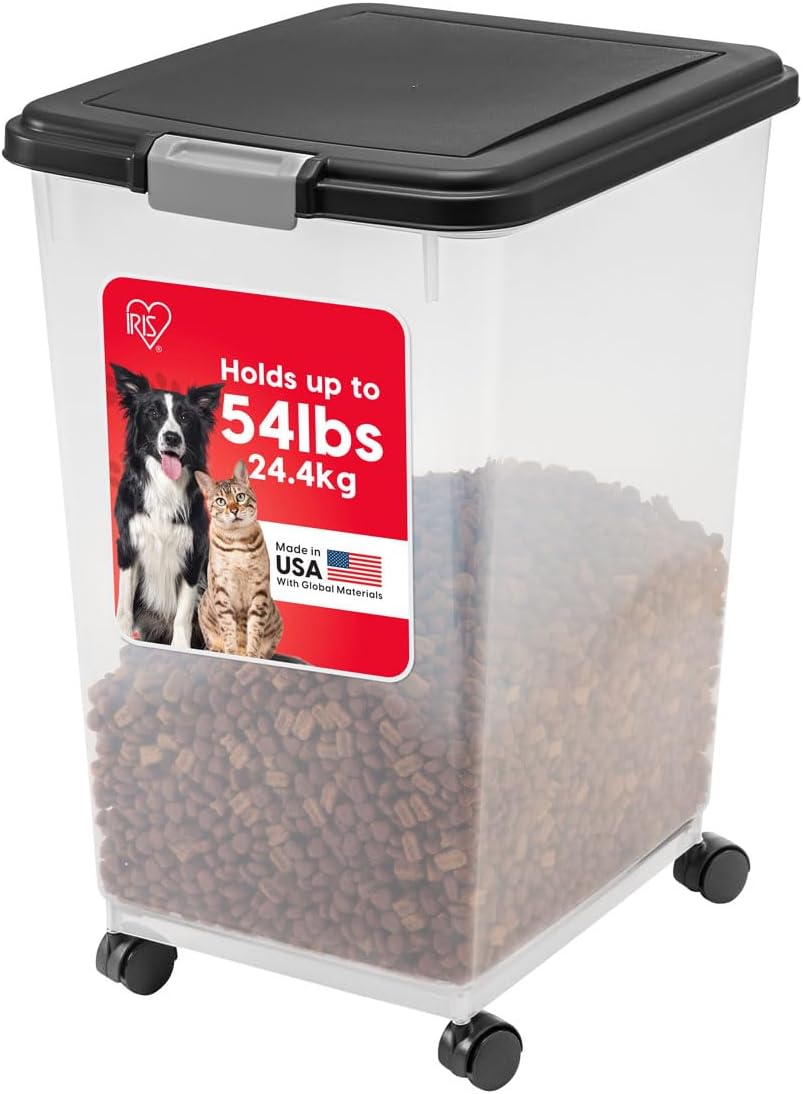
IRIS Airtight Pet Food Container
$34.99
25lb capacity, airtight seal keeps food fresh. Includes measuring cup and wheels for easy movement. BPA-free plastic.
JavaScript
How ZimuShop Chooses Products
Every guide on ZimuShop is researched against verified owner reviews, product specifications, brand reputation and recall history. We never accept payment for placement, and ZimuShop is not owned by any pet brand, so our picks stay independent. Prices and availability change often, so check the retailer for the latest details.