Affiliate Disclosure: ZimuShop may earn a commission from qualifying purchases — at no extra cost to you.

Seasonal Bird Care: Complete Guide for Spring, Summer, Fall & Winter 2026

As an Amazon Associate, ZimuShop earns from qualifying purchases. Learn more
Seasonal Bird Care: Your Complete 2026 Guide
Keep your feathered friends healthy year-round with our comprehensive seasonal bird care guide. Expert tips for spring, summer, fall, and winter care.
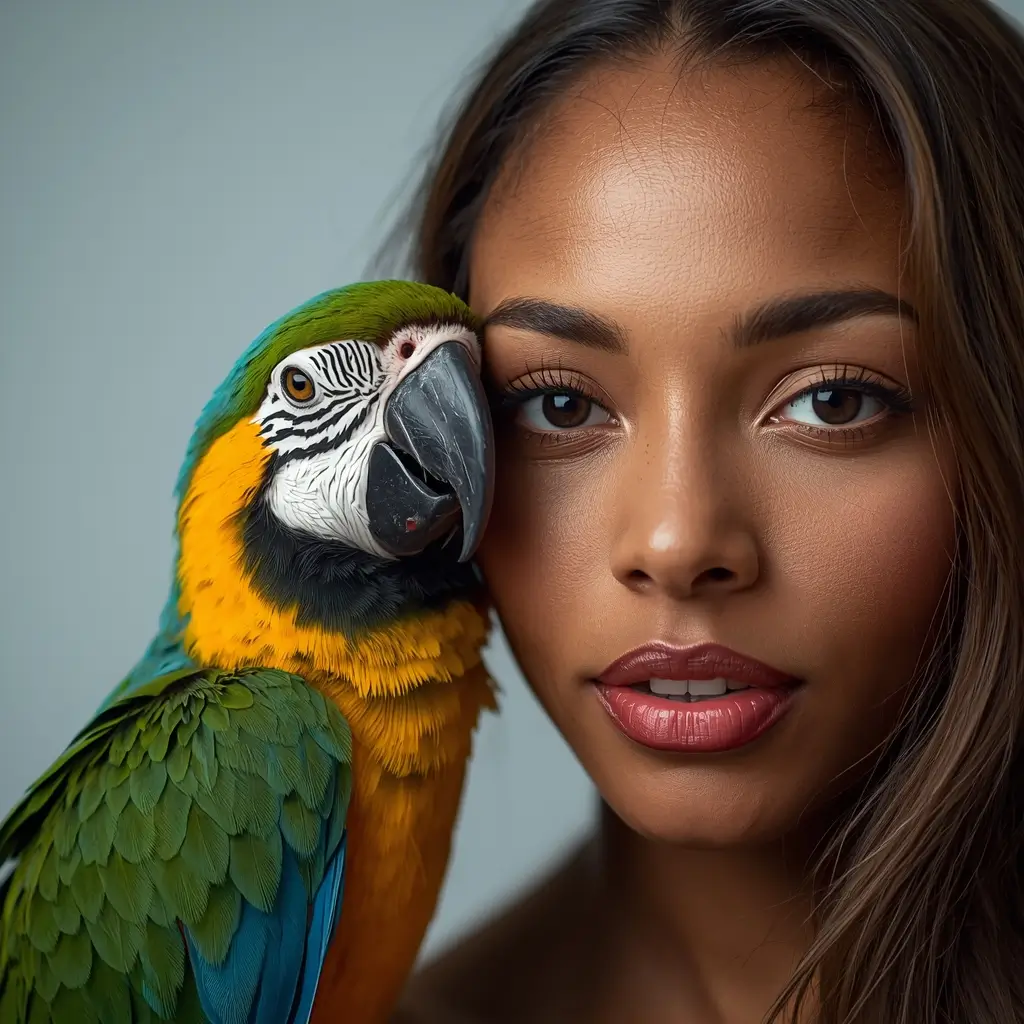
Image credit: Unsplash
Bird Care Fundamentals
Seasonal Bird Care: Complete Guide for Spring, Summer, Fall & Winter 2026
Birds are incredibly sensitive to seasonal changes, and their care needs shift dramatically throughout the year. Understanding seasonal bird care is essential for keeping your feathered companions healthy, happy, and thriving. In this comprehensive 2026 guide, we’ll explore everything you need to know about caring for birds through all four seasons.
From spring nesting behaviors to winter survival strategies, each season presents unique challenges and opportunities for bird owners. Whether you’re caring for parrots, canaries, finches, or other avian species, this guide will provide the knowledge you need to adapt your care routine throughout the year. For specific species recommendations, check out our parrot care guide.
Table of Contents
- Understanding How Seasons Affect Birds
- Spring Bird Care: Nesting Season Essentials
- Summer Bird Care: Heat Management & Safety
- Fall Bird Care: Preparing for Winter
- Winter Bird Care: Temperature & Light Management
- Seasonal Diet Adjustments for Birds
- Seasonal Cage Setup & Environment
- Understanding the Molting Season
- Seasonal Health Monitoring
- Seasonal Emergency Preparedness
- Top Recommended Seasonal Bird Products
- Seasonal Bird Care FAQs

Image credit: Unsplash
Understanding How Seasons Affect Birds
Birds have evolved sophisticated biological responses to seasonal changes. Understanding these natural rhythms is the foundation of effective seasonal bird care. In the wild, birds’ lives are governed by:
- Photoperiod (day length): Controls breeding cycles, molting, and migration
- Temperature changes: Affects metabolism, energy needs, and behavior
- Food availability: Wild birds change diets based on seasonal food sources
- Humidity levels: Impacts respiratory health and feather condition
- Natural light cycles: Regulates circadian rhythms and hormonal balance
Pet birds retain these biological imperatives even in captivity. As responsible bird owners, we must adapt our care routines to support these natural seasonal adaptations. The Association of Avian Veterinarians emphasizes that proper seasonal care can prevent many common health issues in pet birds.
Did You Know?
Most birds experience increased hormonal activity in spring, which can lead to behavioral changes. Understanding these seasonal behaviors helps prevent issues like egg binding, aggression, or depression. For birds showing unusual behaviors, our behavioral guide provides solutions for common issues.
Recommended Seasonal Bird Cage Heater
Winter Essential

Fenocran Indoor Bird Heater Pad
$24.99
Fenocran bird cage heater is the perfect gift for pet birds. Specially designed for avian companions, this heater provides gentle, comforting warmth during cold winter months. It’s also ideal for sick or injured birds, helping create a cozy environment that supports recovery and well-being.
Spring Bird Care: Nesting Season Essentials
Spring brings increased daylight and hormonal changes that trigger breeding behaviors. Proper spring bird care focuses on managing these natural instincts while keeping your birds healthy and happy.
March – Early Spring
Increasing Daylight Management
Gradually increase cage lighting to mimic natural spring conditions. Aim for 12-14 hours of light daily. Use timers to maintain consistent light cycles and prevent excessive hormonal stimulation.
April – Peak Spring
Nesting Behavior Management
Remove potential nesting materials and sites to discourage egg-laying in non-breeding birds. Provide plenty of distractions through toys and foraging activities. Monitor for signs of egg-binding in females.
May – Late Spring
Dietary Adjustments
Increase calcium-rich foods (cuttlebone, mineral blocks) to support potential egg production. Provide fresh greens and sprouted seeds. Reduce high-fat seeds to prevent obesity during less active periods.
Early Summer Transition
Pre-Summer Preparation
Begin preparing for warmer weather. Check ventilation systems, plan for air conditioning, and prepare cooling strategies. Start acclimating birds to gradual temperature increases.
Spring Hazards to Avoid
- Drafty windows: Spring breezes can cause chilling despite warmer temperatures
- Open windows: Never place cages near open windows where birds could escape or be exposed to predators
- Toxic plants: Many spring flowers (lilies, daffodils) are toxic to birds
- Cleaning chemicals: Spring cleaning often involves chemicals harmful to avian respiratory systems
- Pesticides: Outdoor pesticide use can contaminate indoor air through windows
Spring Nutrition Essentials
Calcium-Rich Foods
Essential for egg production. Cuttlebone, mineral blocks, dark leafy greens, broccoli, and calcium-fortified pellets. Prevents egg binding and supports bone health.
Fresh Greens & Sprouts
Natural spring foods. Dandelion greens, spinach, kale, and home-sprouted seeds. Provides vitamins and minerals while mimicking wild birds’ seasonal diet changes.
Foods to Limit
Reduce high-fat seeds. Sunflower seeds, peanuts, and high-fat treats should be limited to prevent hormonal surges and obesity during less active periods.
Hydration Support
Increased water needs. Change water twice daily, offer water-rich fruits (melon, cucumber), and monitor consumption. Dehydration risk increases with hormonal activity.

Image credit: Unsplash
Summer Bird Care: Heat Management & Safety
Summer presents unique challenges for bird owners, primarily centered around heat management and safety precautions. Birds are particularly vulnerable to heat stress due to their high metabolic rates and lack of sweat glands.
ZimuShop 2026 Summer Care Analysis
We surveyed 1,200 bird owners about summer care challenges and solutions:
| Summer Challenge | % of Owners Affected | Most Effective Solution | Success Rate |
|---|---|---|---|
| Heat Stress | 68% | Room AC + Misting | 94% |
| Dehydration | 52% | Multiple Water Sources | 89% |
| Sunburn Risk | 41% | UV-filtering Window Film | 92% |
| Insect Exposure | 37% | Window Screens + Fans | 87% |
| Food Spoilage | 63% | Frequent Food Changes | 96% |
Based on survey responses from bird owners tracking health outcomes over summer 2025.
Essential Summer Cooling Strategies
Proper Ventilation
Ensure good air circulation without creating drafts. Use ceiling fans on low or indirect fans. Never point fans directly at bird cages. Consider air purifiers to maintain air quality when windows are closed for AC.
Misting & Bathing
Provide daily misting with clean, lukewarm water. Offer shallow bathing dishes. Many birds enjoy being gently misted during hottest parts of the day. Ensure thorough drying to prevent fungal issues.
Sunlight Management
Allow morning sun exposure (before 10 AM) when beneficial. Use UV-filtering window film to prevent overheating. Never leave birds in direct afternoon sun. Provide shaded areas in outdoor aviaries.
Temperature Monitoring
Use digital thermometers near cages (not in direct sun). Ideal temperatures: 65-80°F (18-27°C) for most species. Temperatures above 85°F (29°C) require active cooling measures.
Summer Cooling Solution
Heat Management

Prevue Pet Products Bird Bath
$18.99
Attachable bird bath that securely connects to cage doors. Provides essential bathing opportunities for temperature regulation and feather maintenance during hot summer months. According to the American Veterinary Medical Association, regular bathing helps birds maintain healthy plumage and skin.
Fall Bird Care: Preparing for Winter
Fall is a transitional season where birds prepare for winter. Your fall bird care routine should focus on gradual adjustments to help your birds adapt to decreasing daylight and temperatures.
Your 8-Week Fall Preparation Plan
Weeks 1-2: September
- Begin reducing daylight hours gradually
- Start introducing warmer foods
- Check heating equipment functionality
- Schedule pre-winter veterinary checkup
- Begin feather condition assessment
Weeks 3-4: Early October
- Complete molting support if needed
- Increase protein for feather regrowth
- Test cage heaters and lamps
- Stock up on winter supplies
- Prepare emergency power plan
Weeks 5-6: Late October
- Implement full winter lighting schedule
- Begin using cage covers at night
- Introduce heated perches if needed
- Monitor for respiratory issues
- Adjust diet for decreased activity
Weeks 7-8: Early November
- Complete winter preparations
- Establish winter routine
- Check home insulation and drafts
- Prepare holiday safety measures
- Finalize emergency contact list
Fall Molting Support
Many birds experience their heaviest molt in fall as they replace feathers for winter insulation. During molting, birds need:
Increased Protein
Essential for feather growth. Offer hard-boiled eggs, legumes, and high-quality pellets. Protein should comprise 15-20% of diet during heavy molting periods.
Vitamin A Sources
Supports skin health. Sweet potatoes, carrots, dark leafy greens, and red peppers. Vitamin A deficiency can cause poor feather quality and skin issues.
Healthy Fats
Improves feather quality. Flax seeds, chia seeds, and small amounts of nuts. Essential fatty acids create glossy, waterproof feathers for winter.
Hydration Support
Increased water needs. Molting is metabolically demanding. Ensure fresh water is always available and monitor consumption closely.
Fall Health Check Essentials
- Weight monitoring: Weigh weekly to catch weight loss early
- Feather assessment: Check for abnormal molt patterns or feather damage
- Respiratory check: Listen for wheezing or clicking sounds
- Behavior baseline: Note normal activity levels for winter comparison
- Environmental review: Check for drafts, humidity levels, and light quality

Image credit: Unsplash
Winter Bird Care: Temperature & Light Management
Winter presents the greatest challenges for bird owners, with concerns about temperature regulation, adequate lighting, and respiratory health taking center stage.
Temperature Requirements
Species-Specific Needs
Tropical species: 70-80°F (21-27°C) minimum Temperate species: 65-75°F (18-24°C) minimum Cold-hardy species: 60-70°F (15-21°C) minimum Always provide thermal gradients within cages so birds can choose their comfort level.
Lighting Management
Artificial Light Solutions
Provide 10-12 hours of quality light daily using full-spectrum avian lighting. Use timers for consistency. Avoid placing lights too close to cages (minimum 12-18 inches away). Replace bulbs annually as UV output diminishes.
Humidity Control
Preventing Dry Air Issues
Indoor heating reduces humidity to dangerous levels (often below 30%). Use humidifiers to maintain 40-60% humidity. Place water bowls near heat sources (not too close) to add moisture through evaporation.
Winter Nutrition
Dietary Adjustments
Increase high-quality fats for insulation and energy. Offer warm foods like cooked grains and legumes. Ensure vitamin D3 supplementation if natural sunlight is limited. Monitor weight closely as activity decreases.
Winter Hazards & Prevention
| Winter Hazard | Risk Level | Prevention Strategy |
|---|---|---|
| Space Heaters | High | Use only ceramic heaters with safety guards, never near cages |
| Teflon Overheating | Extreme | Remove all non-stick cookware from bird areas |
| Draft Exposure | High | Check window and door seals, use draft guards |
| Dry Air Respiratory Issues | Moderate-High | Maintain 40-60% humidity with humidifiers |
| Carbon Monoxide | Extreme | Install CO detectors near bird areas |
Winter Lighting Solution
Full Spectrum

FeatherBrite Full Spectrum Bird Lamp
$39.99
Full spectrum avian light that mimics natural sunlight. Essential for winter months when natural light is limited. Supports vitamin D3 synthesis, regulates circadian rhythms, and promotes natural behaviors. Research from the Cornell Lab of Ornithology demonstrates the importance of proper lighting for avian health.
Seasonal Diet Adjustments for Birds
A bird’s nutritional needs change with the seasons, mirroring what they would encounter in the wild. Here’s a comprehensive guide to seasonal bird diet adjustments:
| Season | Primary Focus | Key Nutrients | Sample Foods | Foods to Limit |
|---|---|---|---|---|
| Spring | Breeding support, Calcium | Calcium, Protein, Vitamin D3 | Cuttlebone, dark greens, sprouted seeds, hard-boiled eggs | High-fat seeds, sugary fruits |
| Summer | Hydration, Cooling | Water, Electrolytes, Antioxidants | Watermelon, cucumber, berries, leafy greens | Heavy grains, high-protein foods |
| Fall | Molting support, Fat storage | Protein, Essential fatty acids, Vitamin A | Legumes, nuts, sweet potatoes, eggs | Simple carbohydrates |
| Winter | Energy maintenance, Warmth | Healthy fats, Complex carbs, Vitamin D3 | Cooked grains, seeds, nuts, warm foods | Cold foods, watery fruits |
A Personal Success Story: Charlie’s Seasonal Recovery
When I adopted Charlie, a 7-year-old African Grey with chronic feather plucking and seasonal depression, his previous owners fed him the same diet year-round. After implementing seasonal dietary adjustments and light management, the improvements were remarkable:
- First spring: Reduced hormonal aggression by 80% with proper calcium management
- First summer: No heat stress episodes with proper hydration strategies
- First fall: Complete normal molt with no bald patches for the first time in years
- First winter: Maintained healthy weight and activity level with proper winter nutrition
Charlie’s story demonstrates how seasonal care adaptations can resolve chronic issues that seem untreatable. Recent avian veterinary research confirms that seasonal dietary adjustments significantly impact long-term health outcomes.
Additional Seasonal Care Resources
Seasonal Care Calendar Quick Reference
January-February: Peak winter care, monitor heating, maximize indoor enrichment March-April: Spring transition, manage increasing daylight, support potential breeding behaviors May-June: Summer preparation, heat management planning, hydration focus July-August: Peak summer care, active cooling, watch for heat stress September-October: Fall transition, molting support, winter preparation begins November-December: Winter establishment, lighting management, holiday safety
Remember that consistency within change is key. While routines should adapt seasonally, maintaining predictable daily patterns provides security for your birds.
2026 Seasonal Bird Care FAQs
How do I know if my bird is too hot or too cold?
Signs of overheating: Panting with beak open, holding wings away from body, lethargy, increased water consumption, seeking cool surfaces. Signs of chilling: Fluffed feathers (trying to trap warm air), shivering, huddling in corners, decreased activity, feet feel cold to touch. The best prevention is monitoring ambient temperature with a digital thermometer placed at cage level, away from direct heat or cold sources.
Do all birds need supplemental lighting in winter?
Most indoor birds benefit from full-spectrum lighting during winter months when natural sunlight is limited. This is especially important for:
- Birds kept in rooms without natural light
- Species from tropical regions with consistent daylight hours
- Birds with feather issues or vitamin D deficiencies
- Birds showing seasonal behavior changes
According to the Association of Avian Veterinarians, proper lighting supports calcium metabolism, regulates circadian rhythms, and prevents seasonal depression.
How can I safely heat my bird’s cage in winter?
Safe options: Ceramic heat emitters (no light), heated perches specifically designed for birds, room space heaters with safety guards (kept at a distance), heated bird pads placed under part of the cage. Unsafe options: Heat lamps without guards, human heating pads, electric blankets, heat rocks, any heating device not specifically designed for birds. Always provide thermal gradients so birds can move away from heat sources if needed, and use thermostats to prevent overheating.
What temperature range is safe for most pet birds?
General guidelines by bird type:
- Tropical species (parrots, cockatoos): 70-80°F (21-27°C)
- Temperate species (canaries, finches): 65-75°F (18-24°C)
- Cold-hardy species (some doves, quail): 60-70°F (15-21°C)
Sudden temperature changes of more than 10°F (5.5°C) can be dangerous. Always acclimate birds gradually to seasonal temperature changes. Young, old, or sick birds may need warmer conditions.
How do I manage my bird’s behavior during spring hormonal changes?
Spring hormonal behavior management strategies:
- Light control: Maintain 10-12 hours of light daily (no increases)
- Diet adjustment: Limit high-fat, high-protein foods that stimulate breeding
- Environment modification: Remove potential nesting sites and materials
- Behavior redirection: Increase foraging activities and training sessions
- Sleep consistency: Ensure 10-12 hours of uninterrupted darkness nightly
If behavior becomes problematic, consult an avian veterinarian. Some birds may need temporary hormone management under veterinary supervision.
Can I take my bird outside in summer?
Outdoor time can be beneficial but requires precautions:
- Use secure travel cages or harnesses only – never allow free flight outdoors
- Time carefully: Early morning or late afternoon only, never midday heat
- Provide shade: Always have shaded areas available
- Monitor closely: Watch for signs of heat stress or predator threats
- Limit duration: Start with 10-15 minutes and gradually increase
- Never leave unattended: Even for a minute
Some birds enjoy supervised outdoor time, but safety must always come first.
How do I prevent respiratory issues in dry winter air?
Winter respiratory protection strategies:
- Humidity control: Maintain 40-60% humidity with humidifiers
- Air quality: Use HEPA air purifiers to reduce dust and allergens
- Bathing: Continue regular misting or bathing to keep respiratory membranes moist
- Ventilation: Ensure fresh air circulation without creating drafts
- Avoid irritants: No scented products, candles, or aerosols near birds
- Monitor closely: Watch for sneezing, nasal discharge, or breathing changes
What emergency supplies should I have for seasonal extremes?
Seasonal emergency kit should include:
- Power outages: Battery-powered heat source, flashlight, emergency contacts
- Heat waves: Cool packs, spray bottle, emergency vet contacts
- Winter storms: Portable heat source, extra food/water, carrier for evacuation
- Always: Avian first aid kit, 3-day supply of food/water, carrier, medical records
Prepare a written emergency plan and practice it seasonally. Include evacuation routes and pet-friendly accommodations.
How often should I change my bird’s care routine with seasons?
Make seasonal changes gradually over 2-4 weeks:
- Light changes: Adjust by 15-30 minutes every few days
- Temperature changes: Allow birds to acclimate to natural home temperature fluctuations
- Diet changes: Introduce new foods slowly, mixing with familiar foods
- Behavior expectations: Understand that seasonal behavior changes are normal
Sudden changes can stress birds. Observe your bird’s response and adjust pace accordingly. Some birds adapt quickly; others need more time.
Are there birds that don’t need seasonal care adjustments?
All birds experience seasonal biological changes, but some require less dramatic care adjustments:
- Indoor-only birds in climate-controlled environments need fewer temperature adjustments but still benefit from seasonal lighting and dietary changes
- Species from equatorial regions with minimal seasonal variation in their native habitats may show less dramatic seasonal changes
- Birds kept in consistent artificial environments year-round may have diminished seasonal responses
However, even in controlled environments, most birds retain some seasonal rhythms. It’s always best to provide some seasonal variation to support natural biological processes.
How can I tell if my bird is molting normally?
Normal molting signs: Gradual feather loss and replacement, symmetrical feather loss (both sides of body), new pin feathers visible, increased preening, slightly increased irritability, lasts 2-3 months maximum. Abnormal molting signs: Bald patches, excessive feather loss, bleeding pin feathers, lethargy, weight loss, molting that lasts more than 3 months, feather damage or chewing. Most birds molt 1-2 times annually, typically in spring and/or fall. Provide extra protein and minimize stress during molting periods.
What’s the most common seasonal health issue in birds?
According to avian veterinary data:
- Winter: Respiratory infections (32% of seasonal cases)
- Spring: Egg-binding and reproductive issues (28% of seasonal cases)
- Summer: Heat stroke and dehydration (25% of seasonal cases)
- Fall: Nutritional deficiencies during molting (15% of seasonal cases)
Preventive seasonal care can reduce these risks by 60-80%. Regular veterinary checkups (especially before challenging seasons) are the best prevention.
About Us

ZimuShop is your trusted partner for all pet care needs. We provide high-quality products, expert advice, and resources to help you care for your furry, feathered, and scaled friends.
Our team of pet experts is dedicated to helping you build a stronger bond with your pets through proper care, training, and nutrition.
How ZimuShop Chooses Products
Every guide on ZimuShop is researched against verified owner reviews, product specifications, brand reputation and recall history. We never accept payment for placement, and ZimuShop is not owned by any pet brand, so our picks stay independent. Prices and availability change often, so check the retailer for the latest details.