Affiliate Disclosure: ZimuShop may earn a commission from qualifying purchases — at no extra cost to you.

Summer Pet Safety 2026: Complete Heat Protection Guide

As an Amazon Associate, ZimuShop earns from qualifying purchases. Learn more
Summer Pet Safety 2026: Complete Heat Protection Guide
Essential 2026 summer safety guide for dogs, cats, and all pets. Learn heatstroke prevention, hydration tips, and seasonal hazards protection.
Image credit: Unsplash
Pet Safety Guide
Summer Pet Safety 2026: Complete Heat Protection Guide
Summer 2026 brings warmer temperatures and new challenges for pet owners. With climate patterns shifting and average temperatures rising, understanding summer pet safety has never been more critical. Every year, thousands of pets suffer from preventable heat-related illnesses, dehydration, and seasonal hazards. This comprehensive guide provides essential strategies to protect your furry friends during the hottest months.
From recognizing early signs of heatstroke to creating effective cooling strategies, we cover everything you need to know about keeping pets safe in summer. Whether you have dogs, cats, small animals, or birds, this 2026 update includes the latest research and recommendations from veterinary experts.
Table of Contents
- Heatstroke Prevention & Emergency Response
- Hydration Strategies for Hot Weather
- Paw Protection & Hot Surface Safety
- Summer Hazards: Toxic Plants & Chemicals
- Summer Grooming & Coat Care
- Summer Travel & Car Safety
- Pool, Lake & Water Safety
- Fireworks & Noise Anxiety Management
- Top Cooling Products for 2026
- Summer Emergency Preparedness Plan
- Frequently Asked Questions

Image credit: Unsplash
Heatstroke Prevention & Emergency Response
Heatstroke is the most dangerous summer threat to pets. Unlike humans, dogs and cats cannot sweat effectively and rely primarily on panting to cool down. This makes them exceptionally vulnerable to rising temperatures. According to the American Veterinary Medical Association, hundreds of pets die from heatstroke each year, and thousands more require emergency veterinary care.
Critical Warning: Never Leave Pets in Cars
Even on mild 70°F (21°C) days, car interiors can reach 100°F (38°C) within 20 minutes. On 85°F (29°C) days, temperatures can exceed 120°F (49°C) in less than 10 minutes. Leaving pets in parked cars is illegal in many states and can be fatal within minutes. According to data from the Humane Society, 32 states now have specific laws protecting pets in hot vehicles.
Early Signs of Heatstroke
Recognizing early symptoms can save your pet’s life. Watch for these warning signs:
Early Stage
- Excessive panting & drooling
- Increased heart rate
- Bright red tongue/gums
- Mild restlessness
Advanced Stage
- Labored breathing
- Weakness or collapse
- Vomiting or diarrhea
- Glazed eyes
Emergency Stage
- Seizures
- Loss of consciousness
- Body temperature >104°F
- Blue/purple gums
Recommended Cooling Product
Editor’s Choice
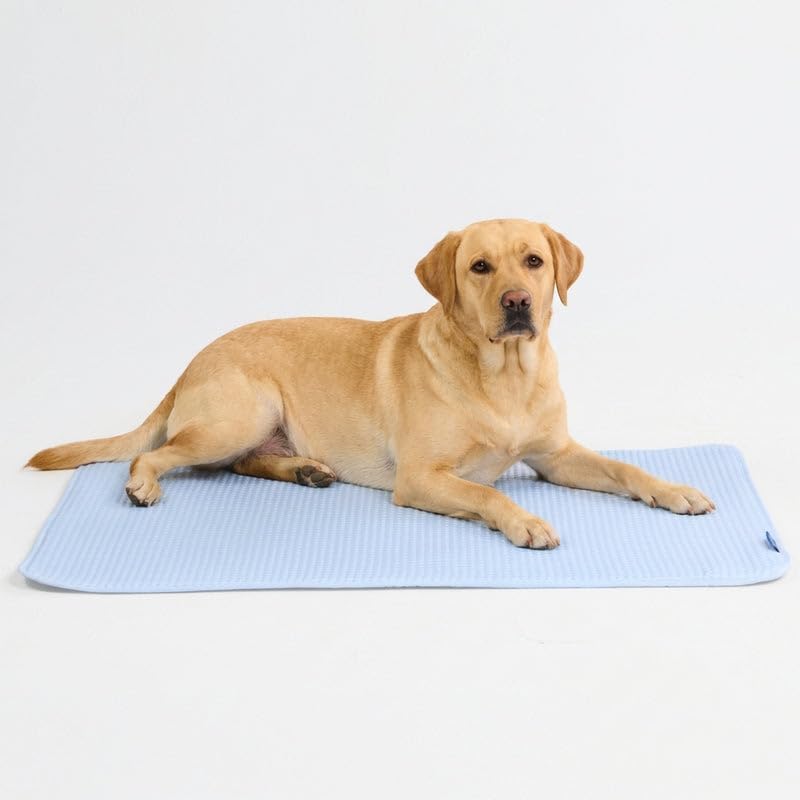
The Green Pet Shop Self-Cooling Mat
$34.99
Non-toxic, pressure-activated cooling gel provides up to 3 hours of relief. No refrigeration needed, activates when pet lies down. Perfect for crate, bed, or car travel. For additional cooling options, see our
Emergency Heatstroke Response Protocol
Immediate Action
Move to Cool Area
Immediately move your pet to a shaded or air-conditioned area. Do not attempt to cool them in direct sunlight. Place them on a cool surface like tile or use a cooling mat.
First 5 Minutes
Begin Cooling Process
Apply cool (not cold) water to their body, focusing on neck, armpits, and groin. Use wet towels or gently spray with hose. Avoid ice water as it can cause shock.
5-15 Minutes
Monitor Temperature
Check rectal temperature every 5 minutes. Stop cooling when temperature reaches 103°F (39.4°C). Offer small amounts of cool water if pet is conscious and able to swallow.
15+ Minutes
Veterinary Care
Transport to veterinarian immediately, even if symptoms improve. Internal damage may not be immediately apparent. Call ahead so clinic can prepare for emergency.
2026 Temperature Safety Guide
Based on veterinary research and climate data, here are updated temperature guidelines:
| Temperature Range | Risk Level | Recommended Action | High-Risk Breeds* |
|---|---|---|---|
| Below 68°F (20°C) | Safe | Normal outdoor activities | Monitor for overheating |
| 68-78°F (20-26°C) | Low Risk | Provide shade & water | Limit exercise to 30 min |
| 78-85°F (26-29°C) | Moderate Risk | Short walks only, avoid midday | Avoid outdoor exercise |
| 85-90°F (29-32°C) | High Risk | Potty breaks only, indoor play | Keep indoors with AC |
| Above 90°F (32°C) | Dangerous | Keep pets indoors | Extreme caution required |
*High-risk breeds include brachycephalic (flat-faced), elderly, overweight, or pets with heart/respiratory conditions
Hydration Strategies for Hot Weather
Proper hydration is crucial for thermoregulation and overall health during summer months. Pets can become dehydrated quickly in hot weather, especially during exercise or outdoor activities.
Signs of Dehydration in Pets
Mild Dehydration
- Loss of skin elasticity
- Slightly dry gums
- Mild lethargy
- Increased panting
Moderate Dehydration
- Very dry, sticky gums
- Sunken eyes
- Elevated heart rate
- Loss of appetite
Severe Dehydration
- Collapse or weakness
- Very pale gums
- Rapid breathing
- Shock symptoms
Hydration Calculation & Tips
Most pets need approximately 1 ounce of water per pound of body weight daily. This increases by 50-100% during hot weather or exercise. For example:
- 20 lb dog: Normally needs 20 oz daily → Summer needs 30-40 oz
- 50 lb dog: Normally needs 50 oz daily → Summer needs 75-100 oz
- 10 lb cat: Normally needs 10 oz daily → Summer needs 15-20 oz
Creative Hydration Solutions
- Ice cube treats: Freeze low-sodium broth or water with pet-safe fruit
- Water fountains: Many pets prefer moving water; increases consumption by 30-50%
- Wet food addition: Add water to dry food or increase wet food portion
- Multiple stations: Place water bowls in multiple locations throughout home
- Portable bottles: Use collapsible bowls during walks and outings
Hydration Solution
Best Seller

Petcool 2.5L Automatic Water Fountain
$49.99
Quiet 1.5W pump with 3-stage filtration (pre-filter, activated carbon, ion exchange). Free-falling water stream encourages drinking. Automatic shut-off when water is low. Research from Tufts University shows pets drink 50% more from fountains than bowls.
Paw Protection & Hot Surface Safety
Asphalt, concrete, and sand can reach temperatures that cause severe burns to paw pads. Many pet owners don’t realize that surfaces can be significantly hotter than air temperature.
Surface Temperature Comparison
At 87°F (31°C) air temperature:
- Asphalt: 143°F (62°C) – Can cause burns in 60 seconds
- Concrete: 125°F (52°C) – Can cause burns in 2 minutes
- Artificial Turf: 140°F (60°C) – Can cause burns in 70 seconds
- Sand: 124°F (51°C) – Can cause burns in 3 minutes
- Grass: 102°F (39°C) – Generally safe for longer periods
The 7-Second Test
Place the back of your hand on the surface for 7 seconds. If it’s too hot for your hand, it’s too hot for paws. Walk pets during cooler morning or evening hours, and stick to grassy areas whenever possible.
Paw Protection Products
Protective Booties
Best for: Extended walks on hot surfaces, hiking, beach visits. Look for breathable, waterproof materials with non-slip soles. Proper fit is crucial.
Paw Balms & Waxes
Best for: Daily protection, minor heat resistance. Creates protective barrier. Apply 5-10 minutes before walks. Reapply as needed.
Paw Cleansing Wipes
Best for: Post-walk cleanup. Removes hot surface residues, chemicals, and allergens. Look for alcohol-free, soothing formulas.

Image credit: Unsplash
Summer Hazards: Toxic Plants & Chemicals
Summer brings specific seasonal hazards that can be dangerous or fatal to pets. Being aware of these threats is the first step in prevention.
| Summer Hazard | Pets Affected | Symptoms | Prevention |
|---|---|---|---|
| Blue-green algae (ponds, lakes) | Dogs primarily | Vomiting, diarrhea, seizures, liver failure | Avoid stagnant water, check for advisories |
| Fertilizers & pesticides | All pets | Drooling, vomiting, tremors, difficulty breathing | Wait 24-48 hours after application, store securely |
| Cocoa mulch | Dogs primarily | Vomiting, diarrhea, rapid heart rate, seizures | Use pet-safe alternatives like cedar or pine |
| Antifreeze leaks (sweet taste) | All pets | Drunken behavior, vomiting, seizures, kidney failure | Clean garage/parking areas regularly |
| Barbecue foods (bones, corn cobs) | Dogs primarily | Choking, intestinal blockage, pancreatitis | Keep pets away from grill area, secure trash |
Case Study: Luna’s Close Call
“Last summer, our 3-year-old Labrador Luna ingested fertilizer from a neighbor’s yard during an evening walk. Within 30 minutes, she was vomiting repeatedly and became disoriented. We rushed her to the emergency clinic where she required IV fluids and monitoring for 48 hours. The veterinarian explained that many summer fertilizers contain iron, which is toxic in large quantities. Now we’re vigilant about keeping her away from recently treated lawns and always carry pet-safe water to rinse her mouth after walks.”
Lessons learned: Always assume lawns have been treated, carry emergency vet contacts, and know the location of the nearest 24-hour clinic.
Summer Grooming & Coat Care
Proper grooming is essential for temperature regulation and comfort during summer months. However, common misconceptions can lead to unintentional harm.
Shaving Warning: Think Twice!
Contrary to popular belief, shaving double-coated breeds (Huskies, German Shepherds, Golden Retrievers) can actually make them hotter. Their undercoat provides insulation against both cold AND heat. Shaving removes this natural temperature regulation system and exposes sensitive skin to sunburn. Instead, focus on regular brushing to remove dead undercoat.
Summer Grooming Best Practices
Regular Brushing
Frequency: 2-3 times weekly for most breeds, daily for heavy shedders. Removes dead hair that traps heat and allows air circulation to skin.
Appropriate Bathing
Frequency: Every 4-6 weeks with pet-safe shampoo. More frequent if swimming in chlorinated or salt water. Rinse thoroughly to prevent skin irritation.
Sun Protection
Apply pet-safe sunscreen to thinly-haired areas (nose, ears, belly) 15 minutes before sun exposure. Reapply every 4-6 hours or after swimming.
Cooling Wear Solution
Heat Relief

Ruffwear Swamp Cooler Evaporative Vest
$64.95
Evaporative cooling technology activated by water. Lightweight mesh with UPF 30+ sun protection. Provides up to 4 hours of cooling. Machine washable. According to AKC guidelines, cooling vests can reduce body temperature by 2-3°F during outdoor activities.
Summer Travel & Car Safety
Summer often means road trips and vacations with pets. Proper preparation ensures safe and comfortable travel for everyone.
Summer Car Travel Checklist
Before Travel
- Schedule pre-trip veterinary check-up
- Update microchip & tag information
- Pack pet first-aid kit
- Research emergency vets along route
- Test harness/restraint system
Packing Essentials
- 3-day supply of food & water
- Collapsible bowls & water bottles
- Medications & medical records
- Favorite toys & comfort items
- Poop bags & cleaning supplies
In-Transit Safety
- Never leave pet alone in vehicle
- Stop every 2-3 hours for breaks
- Offer small amounts of water frequently
- Use sunshades on windows
- Monitor for signs of distress
Hotel/Airbnb Safety
- Pet-proof the room upon arrival
- Keep pet on leash in new areas
- Maintain normal feeding schedule
- Provide familiar bedding
- Never leave alone in unfamiliar space
Pool, Lake & Water Safety
While many dogs enjoy water activities, not all are natural swimmers, and water presents specific summer hazards.
Critical Pool Safety Rules
- Supervision required: Never leave pets unattended near water
- Teach exit strategy: Show pets how to get out of pool
- Use life jackets: Even strong swimmers can tire unexpectedly
- Secure pool area: Install fences or safety covers
- Rinse after swimming: Chlorine and salt can irritate skin
- Dry ears thoroughly: Prevent ear infections
Life Jacket Selection Guide
| Feature | Essential | Recommended | Luxury |
|---|---|---|---|
| Buoyancy | Keeps head above water | Full body support | Automatic righting |
| Handle | Basic lifting handle | Padded handle | Multiple handles |
| Visibility | Bright color | Reflective strips | LED lights |
| Comfort | Adjustable straps | Mesh panels | Full padding |
| Drying time | Standard materials | Quick-dry fabric | Antimicrobial lining |

Image credit: Unsplash
Fireworks & Noise Anxiety Management
Summer holidays often include fireworks, which can cause severe anxiety in pets. According to the ASPCA, more pets go missing around July 4th than any other time of year due to fireworks fear.
2026 Major Fireworks Dates
- Memorial Day: May 25-27
- Independence Day: July 1-7 (peak July 4th)
- Labor Day: September 5-7
- Local festivals: Check community calendars
- Sporting events: May include post-game fireworks
Begin preparation 2-3 weeks before anticipated noise events for best results.
Anxiety Management Strategies
Create Safe Space
Before fireworks: Create interior room with familiar bedding, close windows/curtains, play white noise or calming music through Through a Dog’s Ear, use pheromone diffusers.
Supplements & Medications
Consult veterinarian: For severe anxiety, discuss prescription options. Over-the-counter options include CBD (verify quality), melatonin, or calming supplements with L-theanine.
Pressure Wraps
Thundershirt/Anxiety wrap: Applies gentle, constant pressure that can reduce anxiety by 80% in some pets. Introduce gradually before needed.
Summer Emergency Preparedness Plan
Create your personalized summer safety plan with this checklist:
Emergency Contacts
- Primary veterinarian phone
- 24-hour emergency clinic
- Animal poison control: (888) 426-4435
- Trusted pet sitter/neighbor
- Microchip company
First Aid Kit
- Digital pet thermometer
- Non-stick bandages & gauze
- Hydrogen peroxide (vet-directed use)
- Saline solution for eye rinse
- Tweezers & nail clippers
Identification
- Current tags with phone number
- Microchip registration updated
- Recent photos (all angles)
- Medical records accessible
- Vaccination proof
Evacuation Plan
- Carrier/crate labeled with info
- 3-day food/water supply
- Medications & instructions
- List of pet-friendly shelters
- Transportation arranged
Final Summer Safety Reminders
Summer should be enjoyable for both pets and their families. By implementing these summer pet safety strategies, you can prevent most common seasonal hazards. Remember these key principles:
- Prevention is easier than treatment: Most heat-related illnesses are preventable with proper planning
- Know your pet’s limits: Breed, age, and health conditions affect heat tolerance
- When in doubt, stay indoors: If conditions feel uncomfortable to you, they’re dangerous for pets
- Prepare for emergencies: Have plans and supplies ready before they’re needed
- Stay informed: Weather patterns are changing; adapt your routines accordingly
2026 Summer Pet Safety FAQs
What temperature is too hot to walk my dog?
Generally, avoid walks when temperatures exceed 85°F (29°C). Use the 7-second test: Place back of hand on pavement for 7 seconds. If uncomfortable for you, it’s dangerous for paws. Walk during early morning or late evening when temperatures are cooler. For brachycephalic (flat-faced), elderly, or overweight dogs, limit outdoor time when temperatures exceed 75°F (24°C).
Can I shave my dog to keep them cooler in summer?
For most breeds, do not shave your dog. Double-coated breeds (Huskies, Golden Retrievers, etc.) have coats that provide insulation against both heat and cold. Shaving removes this natural protection and can lead to sunburn, overheating, and permanent coat damage. Instead, regular brushing to remove dead undercoat is more effective. Exceptions may include medical conditions or heavily matted coats consult your groomer or veterinarian.
How can I tell if my pet is dehydrated?
Check these signs: Skin elasticity test: Gently pinch skin at back of neck. It should snap back immediately. Delayed return indicates dehydration. Gum check: Press on gums they should turn white then pink again within 2 seconds. Other signs: Dry nose, sunken eyes, lethargy, loss of appetite. For accurate assessment, consult your veterinarian. Pets need approximately 1 ounce of water per pound of body weight daily, increasing in hot weather.
Are cooling mats safe for pets?
Most cooling mats are safe when used properly. Choose mats with non-toxic gel and durable covers to prevent puncture. Supervise use initially to ensure your pet doesn’t chew the mat. Never leave a cooling mat as the sole cooling method in extreme heat. Some pets prefer cooled towels or ceramic tiles. Always provide alternative resting spots so pets can choose their comfort level.
What are signs of heatstroke versus normal panting?
Normal panting: Slows when pet rests, pink gums, responsive behavior, stops within 10-15 minutes in cool environment. Heatstroke signs: Excessive panting that doesn’t slow, bright red or purple gums, confusion/dizziness, vomiting, diarrhea, collapse. Take rectal temperature: Normal is 100-102.5°F; 103°F requires cooling; 104°F+ is emergency. According to the AVMA, heatstroke can cause organ failure within 15 minutes.
Can pets get sunburned?
Yes, pets can get sunburned, especially those with light-colored fur, thin coats, or exposed skin (nose, ears, belly). Use pet-specific sunscreen (zinc oxide is toxic if ingested). Apply to vulnerable areas 15 minutes before sun exposure. Reapply every 4-6 hours or after swimming. Provide shaded areas outdoors. Sunburn increases skin cancer risk, particularly in cats (ears) and dogs (belly).
How often should I check for ticks in summer?
Check daily during peak season (May-September). Ticks can transmit diseases within 24-48 hours. Focus on ears, neck, armpits, between toes, and around tail. Use fine-tipped tweezers to remove: Grasp close to skin, pull steadily upward, clean area with antiseptic. Save tick in sealed bag for identification if pet shows symptoms. Consult your veterinarian about tick prevention products suitable for your pet.
Are saltwater pools safe for dogs to swim in?
Saltwater pools are generally safer than chlorine pools as they contain lower chemical levels, but precautions still apply: Rinse dog thoroughly after swimming to remove salt, which can dry skin and cause irritation if ingested. Provide fresh drinking water to prevent them from drinking pool water. Monitor for signs of salt ingestion (vomiting, diarrhea). Always supervise swimming and provide exit assistance.
How can I keep my indoor cat cool without AC?
Create cooling stations: Place ceramic tiles in refrigerator, then on floor; provide access to basement or tiled bathrooms; use fans (ensure cords are secured); freeze water bottles, wrap in towel for leaning against; keep curtains closed during hottest hours; offer ice cubes in water; groom regularly to remove excess fur. Cats prefer temperatures around 70-80°F and will seek cool surfaces naturally.
What summer foods are dangerous for pets?
Avoid: Corn on the cob (choking/blockage hazard), fruit pits/seeds (cyanide risk), onions/garlic (in many marinades), avocado (persin toxin), grapes/raisins (kidney failure), chocolate, sugar-free products with xylitol, alcohol, caffeinated drinks. Secure trash cans at barbecues. If ingestion occurs, contact animal poison control immediately at (888) 426-4435.
How do I prepare my pet for fireworks anxiety?
Start weeks before: Create safe interior room, use sound desensitization (play firework sounds at low volume, gradually increasing), consider anxiety wrap (Thundershirt), discuss medication options with vet, ensure identification is current (more pets get lost on July 4th than any day), exercise pet early in day, provide distraction toys, never punish fear responses.
What are 2026 updates to summer pet safety recommendations?
Key 2026 updates include: Revised temperature guidelines based on climate data, new cooling technology (phase-change materials), updated flea/tick prevention protocols due to resistance patterns, expanded fireworks legislation in many municipalities, improved emergency alert systems for extreme heat warnings, and new research on hydration needs for different breeds. Stay updated through veterinary associations and trusted pet safety resources.

About Us

ZimuShop is your trusted partner for all pet care needs. We provide high-quality products, expert advice, and resources to help you care for your furry, feathered, and scaled friends.
Our team of pet experts is dedicated to helping you build a stronger bond with your pets through proper care, training, and nutrition.
How ZimuShop Chooses Products
Every guide on ZimuShop is researched against verified owner reviews, product specifications, brand reputation and recall history. We never accept payment for placement, and ZimuShop is not owned by any pet brand, so our picks stay independent. Prices and availability change often, so check the retailer for the latest details.