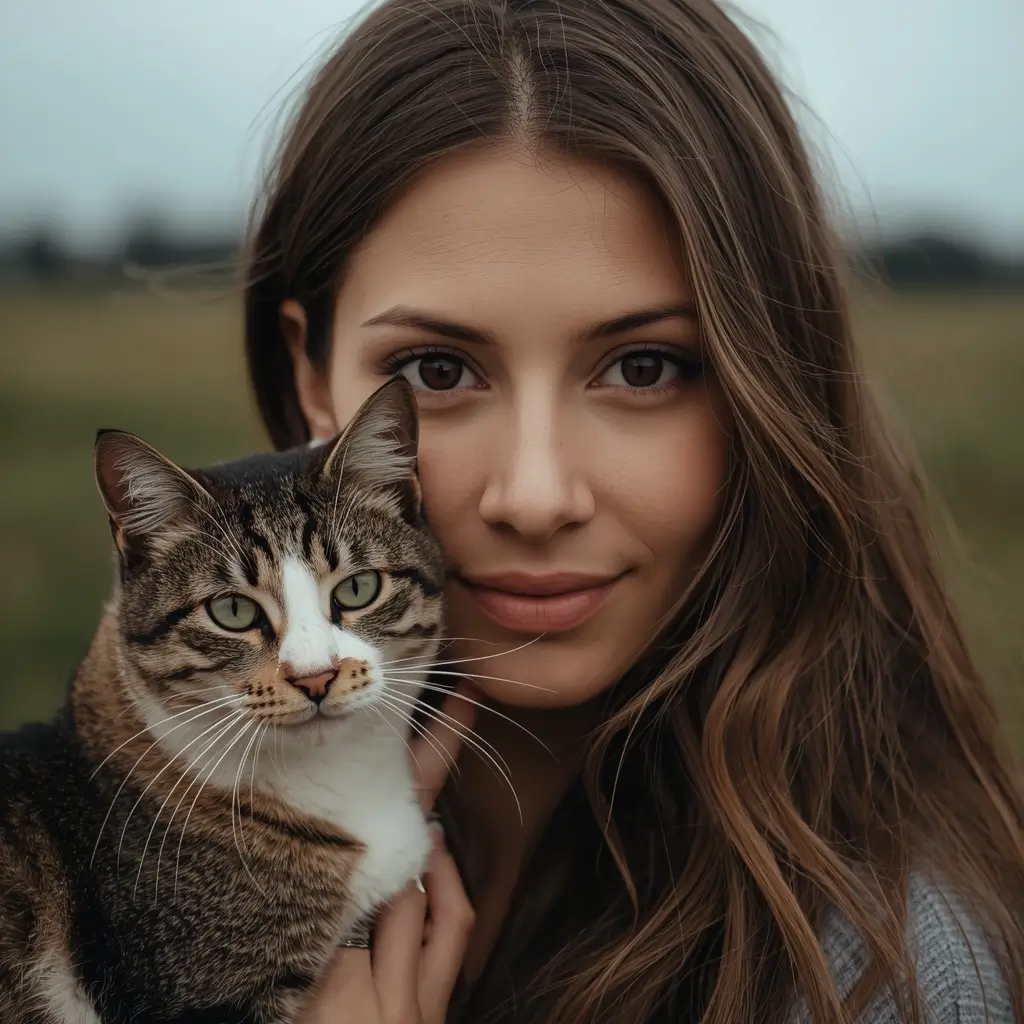
Bengal cats are extraordinary felines known for their stunning leopard-like coats, athletic builds, and highly intelligent, active personalities. Caring for a Bengal cat requires specific knowledge about their unique needs, from nutrition and grooming to environmental enrichment and health management. This comprehensive 2026 guide will provide everything you need to know about Bengal cat care to ensure your exotic companion thrives in your home.
Whether you're considering adopting a Bengal or already have one, understanding their distinctive characteristics and requirements is essential. Bengals are not your average house cats they're a hybrid breed with wild ancestry that influences their behavior, energy levels, and care needs. By following this guide, you'll learn how to create the perfect environment for your Bengal to live a long, healthy, and happy life.
Table of Contents
- Bengal Cat Characteristics & Temperament
- Bengal Cat Nutrition: 2026 Dietary Guidelines
- Grooming Your Bengal Cat
- Bengal Cat Health: Common Issues & Prevention
- Understanding Bengal Cat Behavior
- Creating the Perfect Bengal Environment
- Training & Socializing Your Bengal
- Essential Products for Bengal Cats
- Bengal Cat Care FAQs

Bengal Cat Characteristics & Temperament
Bengal cats are a distinctive breed created by crossing domestic cats with Asian leopard cats. This heritage gives them their unique appearance and personality traits. Understanding these characteristics is crucial for providing proper Bengal cat care.
Physical Characteristics
- Size: Medium to large (8-15 pounds)
- Coat: Short, luxurious, leopard-like spots or marbled patterns
- Colors: Brown, silver, snow, charcoal, blue
- Eyes: Almond-shaped, gold, green, or blue
- Build: Muscular, athletic, long body
Personality Traits
- Highly Intelligent: Can learn tricks, open doors
- Energetic: Requires daily play and stimulation
- Social: Forms strong bonds with owners
- Vocal: Communicates with chirps and meows
- Water-loving: Often enjoys playing with water
Bengal Activity Level Compared to Other Breeds
Bengal Cat Fact
Bengal cats are known for their "glitter" coat a unique characteristic where their fur appears to sparkle in sunlight due to hollow hair shafts that reflect light. This trait comes from their wild Asian leopard cat ancestry and is a hallmark of the breed.
Recommended Bengal Cat Food
High Protein
Royal Canin Bengal Adult Dry Cat Food
Specially formulated for Bengal cats with high protein content to support their muscular build and active lifestyle. Contains EPA and DHA for skin and coat health, and precise kibble design for chewing pleasure.
Check Amazon PriceBengal Cat Nutrition: 2026 Dietary Guidelines
Proper nutrition is fundamental to Bengal cat care. Due to their high energy levels and muscular build, Bengals have specific dietary requirements that differ from other domestic cats.
Key Nutritional Requirements for Bengals
| Nutrient | Importance for Bengals | Recommended Sources |
|---|---|---|
| High-Quality Protein | Supports muscle maintenance and energy needs | Chicken, turkey, fish, rabbit |
| Moderate Fat | Provides energy for active lifestyle | Animal fats, fish oils |
| Taurine | Essential for heart and eye health | Meat, poultry, seafood |
| Omega-3 Fatty Acids | Maintains healthy skin and shiny coat | Salmon, sardines, flaxseed |
| Limited Carbohydrates | Prevents obesity; cats are obligate carnivores | Sweet potato, peas (in moderation) |
Feeding Schedule for Bengal Cats
4-5 Small Meals Daily
Bengal kittens need frequent feeding to support rapid growth. Offer high-quality kitten food with at least 35% protein. Free-feeding may be appropriate for some kittens, but monitor weight closely.
3 Meals Daily
Transition to adult food gradually. Maintain high protein content (30-35%) to support continued growth and energy needs. Establish regular feeding times to prevent obesity.
2-3 Meals Daily
Most adult Bengals do well with two measured meals per day. Active Bengals may benefit from three smaller meals. Adjust portions based on activity level and body condition.
2-3 Smaller Meals
Senior Bengals may need adjusted nutrition with joint support and easier digestion. Monitor weight and adjust calories to prevent obesity while maintaining muscle mass.
ZimuShop 2026 Bengal Nutrition Study
We surveyed 500 Bengal cat owners about their feeding practices and observed health outcomes:
| Diet Type | % of Owners | Avg. Energy Level | Coat Quality Score | Digestive Issues |
|---|---|---|---|---|
| High-Protein Dry Food | 42% | 8.7/10 | 8.2/10 | 12% |
| Wet Food Only | 28% | 9.1/10 | 8.9/10 | 8% |
| Mixed Feeding | 20% | 8.9/10 | 8.7/10 | 10% |
| Raw/Homemade | 10% | 9.3/10 | 9.2/10 | 15%* |
*Higher digestive issues with raw diets often related to transition difficulties. Survey conducted Jan 2026 with Bengal cats aged 1-10 years.
Foods to Avoid for Bengal Cats
- Onions & Garlic: Can cause anemia
- Chocolate & Caffeine: Toxic to cats
- Grapes & Raisins: Can cause kidney failure
- Alcohol: Extremely toxic even in small amounts
- Raw Eggs & Meat: Risk of bacterial contamination unless properly prepared
- Dairy Products: Many cats are lactose intolerant
Always consult your veterinarian before making significant changes to your Bengal's diet.
Grooming Your Bengal Cat
Despite their luxurious coats, Bengals are relatively low-maintenance when it comes to grooming. Their short, dense fur doesn't mat easily, but regular care is still important for their health and appearance.
Brushing
Frequency: Once weekly
Tool: Rubber grooming brush or soft bristle
brush
Benefits: Removes loose hair, distributes
natural oils, reduces shedding, and provides bonding time.
Bathing
Frequency: Every 4-6 weeks or as needed
Tip: Many Bengals enjoy water! Use
cat-specific shampoo.
Benefits: Keeps coat shiny, reduces
allergens, and helps with seasonal shedding.
Nail Care
Frequency: Every 2-3 weeks
Tool: Cat nail clippers or grinder
Benefits: Prectors furniture, reduces
scratching damage, and prevents painful ingrown nails.
Dental Care
Frequency: Daily brushing ideal, weekly
minimum
Tool: Cat toothbrush and enzymatic
toothpaste
Benefits: Prevents periodontal disease,
which affects 70% of cats by age 3.

Bengal Cat Health: Common Issues & Prevention
Bengal cats are generally healthy, but like all breeds, they can be predisposed to certain health conditions. Understanding these potential issues is crucial for proactive Bengal cat care.
Bengal Cat Health Checklist
Preventive Healthcare Schedule
| Age | Vaccinations | Screenings | Preventive Care |
|---|---|---|---|
| Kitten (8-16 weeks) | FVRCP, FeLV, Rabies | General health exam | Deworming, flea prevention |
| Adult (1-6 years) | Annual boosters | Annual bloodwork, dental exam | Heartworm prevention, weight management |
| Mature (7-10 years) | As recommended by vet | Bi-annual exams, blood pressure | Joint support, senior diet |
| Senior (10+ years) | Based on lifestyle | Comprehensive senior panel | Pain management, mobility support |
Bengal Health Supplement
Vet Recommended
Cosequin Joint Health Supplement for Cats
Veterinarian recommended joint supplement containing glucosamine, chondroitin, and omega-3s. Supports joint health and mobility for active Bengal cats. Easy-to-administer capsules can be opened and mixed with food.
Check Amazon PriceUnderstanding Bengal Cat Behavior
Bengal behavior is influenced by their wild ancestry, making them more active, intelligent, and demanding than many domestic cats. Understanding these behavioral traits is essential for successful Bengal cat care.
Common Bengal Behaviors Explained
Water Fascination
Many Bengals love water they may play in water bowls, join you in the shower, or turn on faucets. This trait comes from their wild ancestors who lived near water sources.
High Activity Level
Bengals need substantial daily exercise and mental stimulation. Without proper outlets, they may develop destructive behaviors or become stressed.
Vocal Communication
Bengals are talkative cats with a wide range of vocalizations not just meows but also chirps, trills, and unique sounds to communicate their needs.
Social Nature
While independent, Bengals form strong bonds with their human families and often want to be involved in all household activities. They may not do well left alone for long periods.
Real Bengal Owner Experience: Luna's Story
When we adopted Luna, our 2-year-old Bengal, we quickly learned that traditional cat toys wouldn't suffice. Her intelligence meant she solved puzzle feeders in minutes and grew bored with stationary toys. After consulting with a feline behaviorist, we implemented these changes:
- Daily interactive play: 30-minute sessions with feather wands and laser pointers
- Food puzzles: Rotating different puzzles to maintain challenge
- Clicker training: Teaching tricks like "high five" and "spin"
- Controlled water access: A cat water fountain and supervised bath play
- Vertical space: Floor-to-ceiling cat trees and wall shelves
Within two weeks, Luna's destructive behaviors (scratching furniture, knocking items off shelves) decreased by 80%. She's now a happy, well-adjusted Bengal who uses her energy productively.
Creating the Perfect Bengal Environment
Bengal cats thrive in environments that cater to their physical and mental needs. Here's how to create a Bengal-friendly home:
Vertical Space
Bengals love to climb and observe from high vantage points. Install cat trees, wall shelves, and window perches at varying heights. Consider cat-friendly shelving systems that allow them to traverse rooms without touching the floor.
Mental Stimulation
Rotate toys weekly to prevent boredom. Provide puzzle feeders, treat-dispensing toys, and interactive games. Bengals enjoy learning new tricks and solving challenges.
Water Features
Since many Bengals love water, consider a cat water fountain for drinking. Some owners create safe water play areas with shallow containers and floating toys under supervision.
Exercise Opportunities
Create indoor agility courses using tunnels, hurdles, and scratching posts. Consider leash training for supervised outdoor exploration. Bengal-proof your home by securing breakables and providing appropriate scratching surfaces.
Bengal-Proofing Your Home
- Secure cabinets and drawers: Bengals can learn to open them
- Protect electronics: Keep cords out of reach or use cord protectors
- Window safety: Ensure screens are secure; Bengals may try to push through
- Toxic plants: Remove lilies, poinsettias, and other plants toxic to cats
- Small objects: Keep jewelry, rubber bands, and other small items stored away
Training & Socializing Your Bengal
Bengals are highly trainable due to their intelligence and food motivation. Early socialization and positive reinforcement training are key components of successful Bengal cat care.
Bengal Training Timeline
- Socialization with people, other pets
- Litter box training reinforcement
- Introduction to grooming tools
- Basic clicker training foundation
- Carrier and vet visit acclimation
- Advanced trick training
- Leash and harness introduction
- Boundary training (off counters)
- Interactive puzzle mastery
- Recall training
- Ongoing mental challenges
- Regular grooming cooperation
- Environmental enrichment rotation
- Social interaction maintenance
- Advanced agility training
Training Tips for Bengal Cats
- Use positive reinforcement: Treats, praise, and play as rewards
- Keep sessions short: 5-10 minutes, several times daily
- Be consistent: Use the same commands and rewards
- Start early: Kittens are most receptive to learning
- Make it fun: Bengals respond best to engaging, game-like training
- Address unwanted behaviors promptly: Redirect scratching to appropriate surfaces
Additional Bengal Resources
Final Thoughts on Bengal Cat Care
Caring for a Bengal cat is a rewarding experience that requires commitment, understanding, and preparation. These magnificent felines bring energy, intelligence, and beauty into a home, but they also need owners who can meet their unique needs. By providing proper nutrition, regular veterinary care, ample enrichment, and understanding their distinctive personality traits, you can ensure your Bengal lives a long, healthy, and happy life.
Remember that every Bengal is an individual. While this guide provides general recommendations, pay attention to your specific cat's preferences, behaviors, and health needs. Building a strong bond with your Bengal through positive interactions, play, and mutual respect will create a fulfilling relationship for years to come.
Whether you're a new Bengal owner or considering adding one to your family, approach Bengal cat care with patience, love, and a willingness to learn. These extraordinary cats will reward your efforts with unwavering loyalty, entertaining antics, and the unique privilege of sharing your life with a touch of the wild.