
Water is essential for every living creature, and cats are no exception. Yet many cat owners are unaware of how much their feline friends should drink or the subtle signs of dehydration. In this complete 2026 cat drinking guide, we’ll cover everything you need to know about cat hydration, from daily water requirements to choosing the best water fountain and recognizing when your cat needs veterinary attention.
A 2025 survey by the Cat Fanciers' Association found that over 40% of cats in the U.S. may be chronically underhydrated, contributing to urinary tract issues and kidney disease. Proper hydration is one of the simplest ways to improve your cat's long-term health.
Table of Contents
- Why Hydration Matters for Cats
- How Much Water Should a Cat Drink?
- Signs of Dehydration in Cats
- 10 Vet-Approved Tips to Encourage Drinking
- Water Fountains vs Bowls: Which Is Better?
- Wet Food vs Dry Food: Hydration Impact
- Water Quality & Temperature: What Cats Prefer
- Hydration & Common Health Issues (Kidney, UTI)
- Top 3 Cat Water Fountains 2026
- Transitioning Your Cat to More Water
- Frequently Asked Questions

Why Hydration Matters for Cats
Cats have a low thirst drive due to their desert-origin ancestry. Adequate water intake is crucial for:
- Kidney function: Flushes toxins and prevents chronic kidney disease (common in older cats).
- Urinary health: Dilutes urine to prevent crystals, stones, and UTIs.
- Digestion: Prevents constipation and helps nutrient absorption.
- Temperature regulation: Cats don't sweat much; they rely on respiratory and water balance.
Did You Know?
A 5% drop in body water can cause signs of dehydration in cats. Chronic low-level dehydration is a major risk factor for feline lower urinary tract disease (FLUTD).
Recommended Cat Water Fountain
Best Seller
Veken Cat Water Fountain 2.5L
Stainless steel top, triple filtration, ultra-quiet pump, and large capacity. Encourages cats to drink more with flowing water.
Check Amazon PriceHow Much Water Should a Cat Drink?
A general rule: cats need about 3.5–4.5 ounces of water per 5 pounds of body weight daily. For a 10 lb cat, that's 7–9 oz (about a cup). This includes moisture from food. Wet food is ~75% water; dry is ~10%. So a cat on dry food needs to drink much more.
Signs of Dehydration in Cats
- Lethargy and sunken eyes
- Dry, tacky gums
- Skin tenting (scruff stays up when gently pulled)
- Panting (unusual for cats)
- Constipation or small, hard stools
Emergency
If your cat stops drinking entirely for 24 hours, or shows any dehydration signs, contact your vet immediately.
10 Vet-Approved Tips to Encourage Drinking
1. Multiple water stations
Place bowls in different rooms – cats like options.
2. Use wide, shallow bowls
Whiskers are sensitive; avoid deep bowls.
3. Try a fountain
Moving water attracts cats and is fresher.
4. Add water to food
Mix extra water into wet food or kibble.
5. Ice cubes in water
Some cats enjoy playing with ice.
6. Flavor water
Add tuna juice (low sodium) or chicken broth.
7. Clean bowls daily
Cats refuse stale or dirty water.
8. Separate from food
Place water away from food bowl (instinct to avoid contamination near kill).
9. Try different materials
Glass, ceramic, stainless steel – avoid plastic (odor).
10. Slightly warm water
Some cats prefer room temp or slightly warm.
Water Fountains vs Bowls: Which Is Better?
| Feature | Fountain | Bowl |
|---|---|---|
| Encourages drinking | ⭐ High (flowing water) | Moderate |
| Filtration | Yes (removes debris) | No |
| Oxygenation | Yes – fresher taste | Stagnant |
| Noise | Quiet pump, some models | Silent |
| Maintenance | Weekly cleaning | Daily wash |
| Cost | $30–$60 | $5–$20 |

Stainless Steel Fountain
Easy Clean
Catit Stainless Steel Flower Fountain
Three flow settings, carbon filter, dishwasher-safe parts. Veterinary recommended.
Check Amazon PriceWet Food vs Dry Food: Hydration Impact
Wet food contains 75-80% moisture, closely mimicking a cat's natural prey. Dry food has only 6-10%. Cats on dry food must drink four times more water to compensate. Many don't. Switching to wet food (or mixing) is the single most effective way to boost hydration.
ZimuShop 2026 Hydration Survey
We surveyed 1,200 cat owners:
| Diet Type | Avg. daily water intake (from all sources) | Urinary issues reported |
|---|---|---|
| Dry only | 40 mL/kg | 27% |
| Mixed (wet+dry) | 55 mL/kg | 12% |
| Wet only | 70 mL/kg | 6% |
Water Quality & Temperature: What Cats Prefer
Cats are picky. They prefer fresh, cool, oxygenated water. Change water twice daily. Use filtered water if your tap water has strong taste/odor. Some cats love a splash of ice water. Avoid plastic bowls – they can cause "cat acne" and harbor bacteria.
Hydration & Common Health Issues
Kidney disease: Increased hydration slows progression. FLUTD / crystals: Dilute urine prevents mineral aggregation. Constipation: Softens stools. Always consult your vet for therapeutic diets.
Luna's Story: From UTI to Thriving
Our team member's cat Luna had recurrent UTIs on dry food. After switching to a fountain and wet food, she now drinks 3x more and hasn't had a UTI in 2 years. Hydration transformed her health.
Ceramic Fountain
Quiet Operation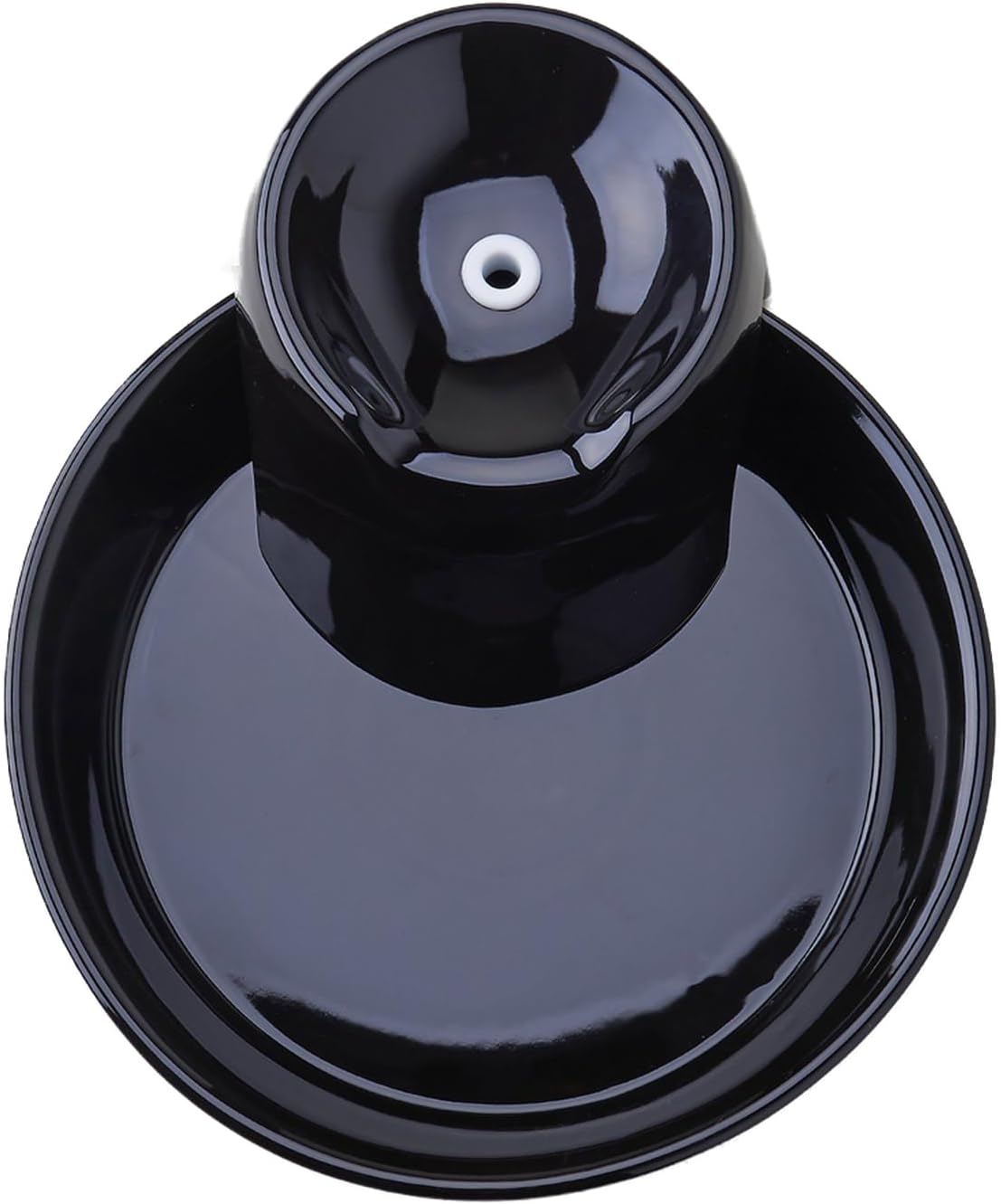
Pioneer Pet Ceramic Fountain
BPA-free ceramic, dishwasher safe, low voltage pump. Stylish and easy to clean.
Check Amazon PriceTransitioning Your Cat to More Water
Add water to food
Start with 1 tbsp extra water in wet food.
Introduce fountain
Place near current bowl, let cat explore.
Flavor water
Add tuna juice to encourage fountain use.
Monitor urine output
Should see larger clumps in litter box.
Quick Hydration Check
Lift the scruff gently; if it snaps back fast, hydration is good. If it tents slowly, offer water and call vet.
Cat Drinking FAQs
My cat doesn't drink water. Is that normal?
Cats on a wet food diet may get most of their moisture from food and appear to drink little. However, if your cat eats dry food and you never see them drink, try offering a fountain, different bowl types, or moving the bowl. If you're still concerned, consult your vet.
Can cats drink milk?
Most adult cats are lactose intolerant and drinking cow's milk can cause diarrhea. Stick to fresh water. Special cat milk (lactose-free) is available as an occasional treat.
How often should I clean my cat's water bowl?
Daily! Bacteria can form a biofilm that cats can taste and may refuse. Wash bowls with hot, soapy water and rinse thoroughly. Fountains need cleaning every few days according to manufacturer instructions.
Should I leave water out all night?
Yes, fresh water should always be available 24/7 unless your vet advises otherwise for a specific medical reason.
My cat dips her paw in the water and drinks that way. Why?
This is normal behavior. Some cats dislike getting their whiskers wet, have poor vision that makes the water surface hard to gauge, or simply prefer to drink this way. Ensure the bowl is wide enough to avoid whisker stress.
Can dehydration cause urinary problems?
Absolutely. Concentrated urine increases the risk of crystals, stones, and urinary tract infections. Proper hydration dilutes urine and flushes the bladder.
ZimuShop Pet Info Expert Team
The ZimuShop Feline Health Team includes veterinarians and cat nutrition experts dedicated to improving cat wellness through education. For more cat health resources, visit our Cat Care section or explore cat products that support hydration.