Combination feeding, also known as mixed feeding or hybrid feeding, is the practice of feeding your dog both wet and dry food. This approach has gained significant popularity in 2026 as pet owners seek to maximize their dogs' nutrition, hydration, and mealtime enjoyment. But what exactly is combination feeding, and is it right for your dog?
This comprehensive 2026 guide will explore everything you need to know about combination feeding for dogs. From the science behind mixing wet and dry food to practical implementation schedules, we'll cover how this feeding method can benefit dogs of all ages and health conditions. Whether you have a picky eater, a senior dog, or a growing puppy, combination feeding might be the solution you've been looking for.
Table of Contents
- What Is Combination Feeding?
- 7 Proven Benefits of Combination Feeding
- Different Combination Feeding Methods
- Optimal Wet-to-Dry Food Ratios
- Sample Combination Feeding Schedules
- Combination Feeding for Different Life Stages
- How to Transition to Combination Feeding
- Cost Analysis & Budget Tips
- Common Mistakes to Avoid
- Frequently Asked Questions

What Is Combination Feeding?
Combination feeding refers to the practice of feeding dogs a diet that includes both wet (canned) and dry (kibble) food. This approach allows dogs to benefit from the advantages of both food types while minimizing their respective disadvantages. It's not simply alternating between wet and dry food, but rather creating a balanced approach that meets all of your dog's nutritional needs.
According to the AAFCO, both wet and dry dog foods can provide complete and balanced nutrition when properly formulated. However, each type has unique characteristics that make combination feeding particularly beneficial:
Did You Know?
Dogs fed through combination feeding often show improved hydration status compared to dogs fed only dry food. Wet food typically contains 70-85% moisture, while dry food contains only 6-10%. This additional hydration can benefit kidney function and overall health, especially in older dogs or those prone to urinary issues.
Recommended Combination Feeding Starter Kit
Best Value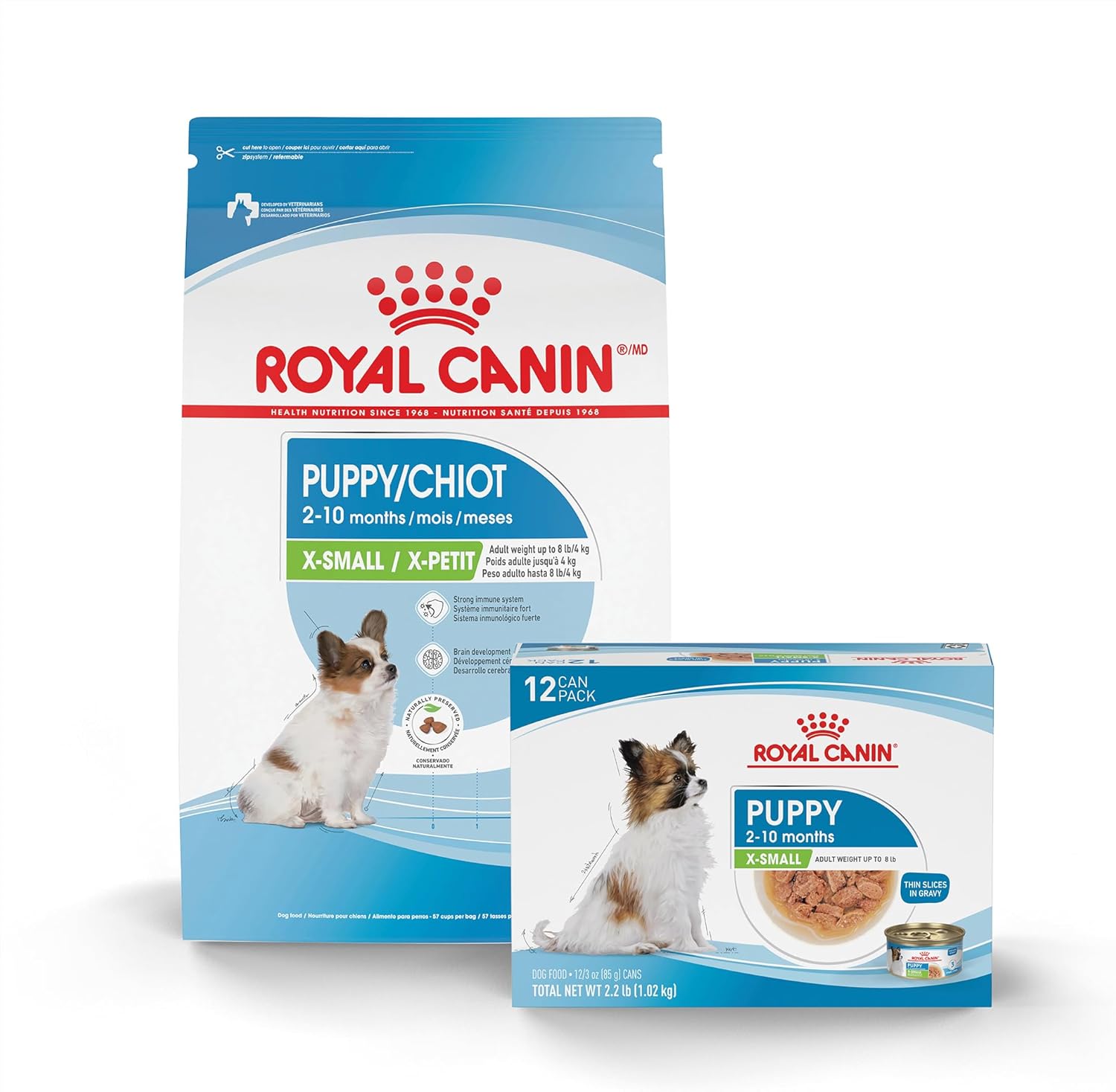
Royal Canin Combination Feeding Bundle
Perfectly balanced dry kibble and wet food formulas designed to work together. Includes 15lb bag of dry food and 12 cans of wet food. Formulated for optimal nutrition when combined.
Check Amazon Price7 Proven Benefits of Combination Feeding
Combination feeding offers numerous advantages over feeding only wet or only dry food. Here are the seven most significant benefits supported by veterinary research:
1. Improved Hydration
Wet food provides essential moisture that many dogs don't get from water bowls alone. This helps prevent urinary tract issues and supports kidney function, especially important for senior dogs and breeds prone to kidney problems.
2. Dental Health Balance
Dry kibble helps clean teeth through mechanical abrasion, while wet food is gentler on dogs with dental issues. Combination feeding provides both benefits without compromising either aspect of dental health.
3. Enhanced Palatability
Most dogs find wet food more appealing due to its texture and aroma. Adding wet food to dry kibble can encourage picky eaters to consume their meals while still benefiting from dry food's nutritional density.
4. Better Weight Management
Wet food has fewer calories per volume than dry food, helping dogs feel fuller with fewer calories. This makes combination feeding an excellent strategy for weight management and preventing obesity.
5. Digestive Health Support
The moisture in wet food aids digestion and can help prevent constipation. Meanwhile, the fiber in quality dry food supports regular bowel movements and healthy gut bacteria.
6. Cost-Effective Nutrition
While wet food alone can be expensive, combining it with more affordable dry food allows you to provide premium nutrition without breaking your budget.
7. Nutritional Insurance
By feeding both wet and dry, you're diversifying your dog's nutrient sources, which can help ensure they get a broader range of vitamins, minerals, and antioxidants.

Different Combination Feeding Methods
There are several approaches to combination feeding, each with its own advantages. Choose the method that best fits your schedule and your dog's preferences:
1. Mixed Meal Method
This involves mixing wet and dry food together in the same bowl for each meal. This is the most popular method as it ensures dogs consume both types of food and benefits from their combined advantages in every meal.
2. Separate Meal Method
Feed wet food for one meal and dry food for another. For example, wet food in the morning and dry food in the evening. This method works well for dogs who are sensitive to dietary changes or have specific digestive needs.
3. Topping Method
Use wet food as a "topper" or "mix-in" with dry kibble. This is excellent for picky eaters who need encouragement to eat their dry food. The wet food enhances palatability while maintaining the dental benefits of kibble.
4. Rotational Method
Rotate between wet-only, dry-only, and mixed meals on different days. This provides variety and can help prevent food boredom while ensuring balanced nutrition over time.
| Method | Best For | Benefits | Considerations |
|---|---|---|---|
| Mixed Meal | Most dogs, picky eaters | Consistent nutrition, easy portion control | Must be eaten immediately, can't be left out |
| Separate Meal | Dogs with sensitive stomachs | Easier digestion tracking, dental benefits preserved | Requires more planning, less hydration per meal |
| Topping Method | Picky eaters, weight management | Enhanced palatability, portion control | May encourage pickiness if overused |
| Rotational Method | Dogs who enjoy variety | Prevents food boredom, flexible scheduling | Requires careful calorie tracking |
Perfect Wet Food Topper
High Palatability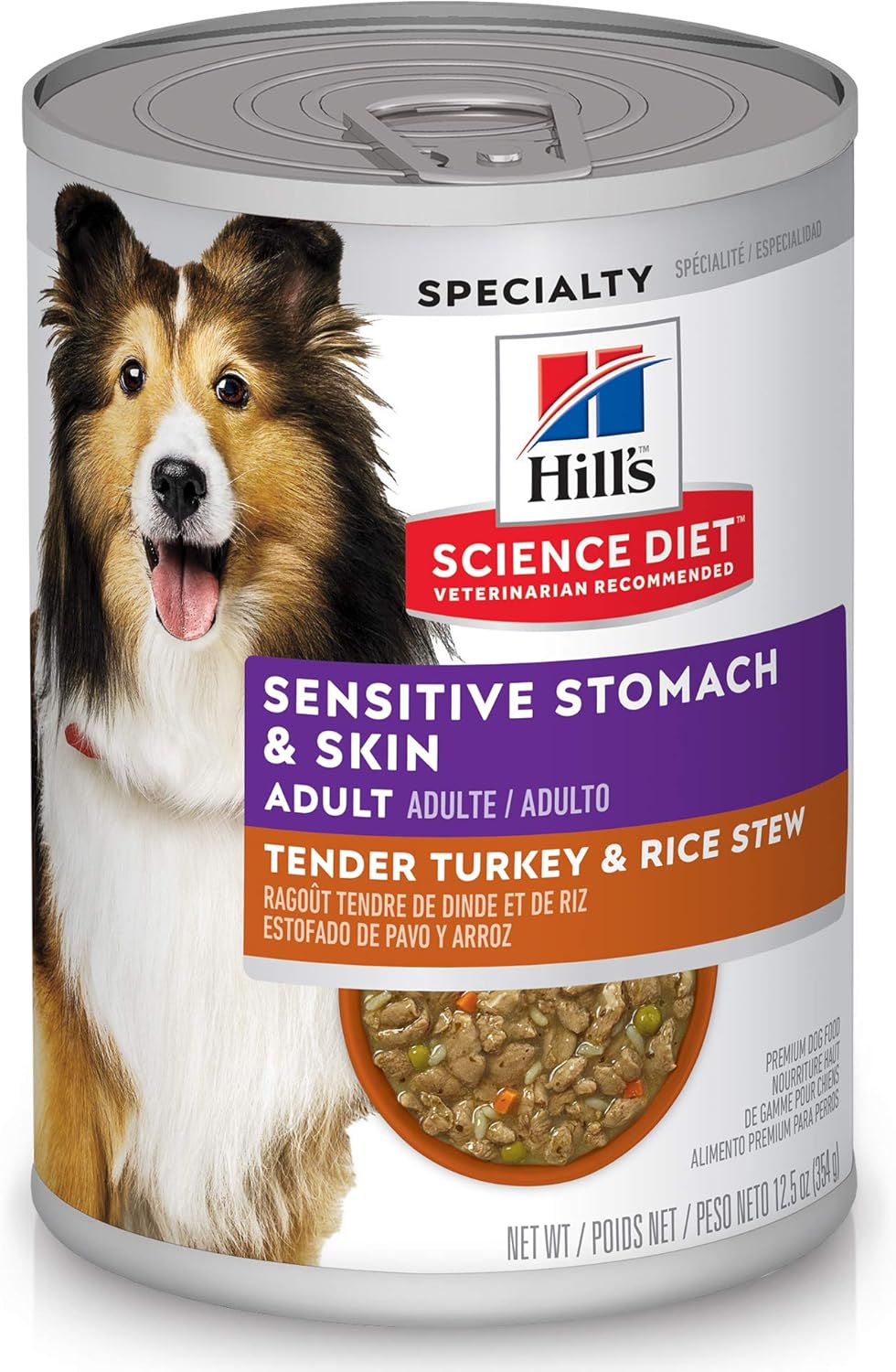
Hill's Science Diet Wet Dog Food Topper
Specially formulated wet food designed to mix perfectly with dry kibble. High protein content with balanced nutrients. Easy-open cans with resealable lids for freshness.
Check Amazon PriceOptimal Wet-to-Dry Food Ratios
Finding the right balance between wet and dry food is crucial for proper nutrition. The ideal ratio depends on your dog's age, health, activity level, and specific needs. Here are the most common recommended ratios:
Recommended Ratios for Different Needs
| Dog Type | Dry Food | Wet Food | Notes |
|---|---|---|---|
| Standard Adult | 70-75% | 25-30% | Balances hydration, dental health, and cost |
| Picky Eaters | 50% | 50% | Higher wet percentage increases palatability |
| Senior Dogs | 50-60% | 40-50% | Extra hydration for kidney health |
| Weight Loss | 60% | 40% | Wet food adds volume with fewer calories |
| Dental Issues | 80-90% | 10-20% | Maximizes dental cleaning while adding moisture |
| Hot Climate | 60% | 40% | Increased hydration during warm weather |
Always adjust portions based on your dog's individual needs and consult with your veterinarian for personalized recommendations.
Important Ratio Considerations
- Calorie Density: Wet food has fewer calories per cup than dry food. When mixing, reduce total dry food amount to account for wet food calories.
- Nutritional Balance: Ensure both foods are "complete and balanced" according to AAFCO standards to prevent nutrient deficiencies.
- Transition Slowly: Gradually introduce new ratios over 7-10 days to prevent digestive upset.
- Monitor Weight: Weigh your dog monthly and adjust ratios if weight changes occur.
- Water Intake: Dogs on higher wet food ratios may drink less water - monitor hydration levels.
Sample Combination Feeding Schedules
Creating a consistent feeding schedule is essential for combination feeding success. Here are sample schedules for different lifestyles:
Morning Meal
Mixed meal: ¾ cup dry kibble + ¼ can wet food (mixed together). Provides energy for the day ahead with good hydration to start the morning.
Midday Snack (Optional)
Dry only: ¼ cup dry kibble or dental treat. Helps maintain dental health and provides a small energy boost without disrupting dinner appetite.
Evening Meal
Separate meals: ½ can wet food followed by ½ cup dry kibble 30 minutes later. Wet food first encourages hydration, dry food after helps clean teeth.
Alternative Schedule for Working Owners
| Time | Meal Type | Portion | Notes |
|---|---|---|---|
| Before Work | Dry Food Only | 60% of daily dry food | Can be left in automatic feeder if needed |
| After Work | Mixed Meal | 40% dry + all wet food | Quality time with your dog during feeding |
| Weekends | Mixed Both Meals | 50/50 split | Consistent nutrition with more interaction |
Success Story: Bella's Transformation
Bella, a 7-year-old Beagle, was a notoriously picky eater who would often skip meals. Her owner tried multiple premium dry foods with little success. After switching to combination feeding:
- Week 1: Started with 25% wet food mixed with dry - Bella immediately showed more interest in meals
- Month 1: Increased to 40% wet food - Consistent meal consumption, weight stabilized
- Month 3: Coat became noticeably shinier, energy levels improved
- Month 6: Annual vet check showed improved hydration markers and perfect weight
"Combination feeding transformed Bella from a finicky eater to a dog who eagerly anticipates every meal. The added hydration has also helped with her occasional constipation issues," reports her owner, Sarah.
Combination Feeding for Different Life Stages
Dogs have different nutritional needs at various life stages. Here's how to adapt combination feeding for each stage:
Puppies (2-12 months)
Ratio: 60% dry, 40% wet
Frequency: 3-4 meals daily
Special Considerations: Use
puppy-formulated foods, ensure proper calcium-phosphorus
ratio, monitor growth rate closely.
Adult Dogs (1-7 years)
Ratio: 70-75% dry, 25-30% wet
Frequency: 2 meals daily
Special Considerations: Adjust based on
activity level, monitor weight, consider breed-specific
needs.
Senior Dogs (7+ years)
Ratio: 50-60% dry, 40-50% wet
Frequency: 2-3 smaller meals
Special Considerations: Higher moisture for
kidney health, softer texture for dental issues, adjusted
protein levels.
Performance/Working Dogs
Ratio: 80% dry, 20% wet
Frequency: 3 meals + snacks
Special Considerations: Higher calorie
needs, increased protein, timing meals around activity.
Senior Dog Combination Food
Joint Support
Purina Pro Plan Senior Combination Pack
Specifically formulated for senior dogs with glucosamine for joints, antioxidants for immune health, and optimal protein/fat ratio. Includes both dry kibble and wet food in senior-appropriate portions.
Check Amazon PriceHow to Transition to Combination Feeding
Transitioning from a single food type to combination feeding should be done gradually to prevent digestive upset. Follow this 10-day transition plan:
10-Day Transition Schedule
- 90% current food
- 10% new combination (mostly dry)
- Monitor stool consistency
- Watch for appetite changes
- Ensure fresh water available
- 75% current food
- 25% new combination (add wet food)
- Introduce wet food gradually
- Mix foods thoroughly
- Monitor hydration levels
- 50% current food
- 50% new combination
- Adjust to target ratio
- Note energy level changes
- Check coat and skin condition
- 100% combination feeding
- Final target ratio achieved
- Weigh your dog weekly
- Adjust portions as needed
- Enjoy the benefits!
Transition Success Tips
- Go slower if needed: Some dogs with sensitive stomachs may need 14-21 days for full transition
- Keep a journal: Record appetite, stool quality, energy levels, and any concerns
- Consult your vet: Always discuss dietary changes with your veterinarian, especially for dogs with health conditions
- Maintain routine: Keep feeding times consistent even as you change the food type
- Be patient: Some dogs resist change; persistence with gradual introduction usually succeeds

Cost Analysis & Budget Tips
Many pet owners worry that combination feeding will be significantly more expensive than dry-only feeding. Let's break down the costs:
Combination Feeding Cost Calculator
Estimate your monthly costs based on your dog's size and chosen brands:
Budget-Friendly Combination Feeding Tips
- Buy in bulk: Purchase larger bags of dry food for lower cost per pound
- Use wet food as topper: Even a small amount of wet food mixed with dry can provide benefits
- Shop sales: Stock up on wet food when it's on sale
- Consider subscription services: Many retailers offer 5-15% discounts for auto-delivery
- Mix with homemade: Add small amounts of cooked lean meat or vegetables (consult your vet first)
- Compare unit prices: Larger cans are often cheaper per ounce than smaller ones
Common Mistakes to Avoid
When starting combination feeding, avoid these common pitfalls:
Top Combination Feeding Mistakes
- Overfeeding: Not adjusting total calories when adding wet food, leading to weight gain
- Incomplete nutrition: Using treats or non-complete foods as the wet component
- Poor food safety: Leaving mixed food out too long (discard after 30 minutes)
- Abrupt changes: Switching ratios or foods too quickly causing digestive upset
- Ignoring dental health: Using too much wet food without compensating for dental care
- Mismatched foods: Combining foods with vastly different nutritional profiles
- Forgetting water: Assuming wet food eliminates the need for fresh water
Additional Resources
Final Thoughts on Combination Feeding
Combination feeding represents one of the most flexible and beneficial approaches to canine nutrition available today. By thoughtfully mixing wet and dry foods, you can provide your dog with optimal hydration, enhanced palatability, balanced dental care, and cost-effective nutrition all in one feeding strategy.
Remember that every dog is unique. What works perfectly for one dog may need adjustment for another. Start with conservative ratios, transition gradually, monitor your dog's response, and don't hesitate to consult with your veterinarian for personalized guidance.
The goal of combination feeding is to enhance your dog's quality of life through improved nutrition and mealtime enjoyment. With careful planning and attention to your dog's individual needs, you can create a feeding regimen that supports their health, happiness, and longevity for years to come.