Crate resistance is one of the most common challenges dog owners face when introducing their pets to crate training. While crates can be valuable tools for house training, travel, and providing a safe space, many dogs initially resist entering or staying in them. This comprehensive 2026 guide will help you understand why dogs resist crates and provide evidence-based solutions to create a positive crate experience for your canine companion.
Understanding crate resistance and learning proper training techniques can transform what seems like a battle into a harmonious routine. Whether you have a new puppy who panics in the crate or an adult dog who refuses to enter, this guide provides the knowledge and techniques you need for success. For specific breed considerations, check out our small breed crate training guide.
Table of Contents
- What Is Crate Resistance?
- Why Dogs Resist Crates: 8 Key Reasons
- Understanding Canine Psychology & Crate Resistance
- Proven Solutions to Crate Resistance
- Step-by-Step Training Plans
- Common Crate Training Mistakes to Avoid
- Choosing the Right Crate
- Essential Crate Accessories & Comfort Items
- Special Cases: Rescue Dogs & Anxious Breeds
- Frequently Asked Questions

What Is Crate Resistance?
Crate resistance refers to a dog's unwillingness or inability to accept a crate as a safe, comfortable space. This resistance can manifest in various ways, from mild reluctance to enter the crate to full-blown panic attacks, excessive barking, whining, destructive behavior, or attempts to escape.
Common signs of crate resistance include:
- Physical resistance: Refusing to enter, pulling away, freezing at the crate entrance
- Vocal protests: Excessive barking, whining, howling when crated
- Escape attempts: Scratching, biting, or digging at crate doors or walls
- Anxiety symptoms: Panting, drooling, trembling, pacing in the crate
- Destructive behavior: Chewing bedding, damaging the crate interior
- Elimination in crate: Urinating or defecating despite being house-trained
Key Insight
Crate resistance is NOT the same as separation anxiety, although they can co-occur. Crate resistance specifically relates to the crate itself, while separation anxiety involves distress when separated from the owner regardless of location. Understanding this distinction is crucial for effective intervention.
Recommended Crate Solution
Editor's Choice
MidWest Homes for Pets Double Door Dog Crate
Double-door design provides flexibility in placement. Includes divider panel for growing puppies, removable plastic pan, and secure slide-bolt latches. Features rounded corners for safety and fold-and-carry design for portability.
Check Amazon PriceWhy Dogs Resist Crates: 8 Key Reasons
Understanding the root causes of crate resistance is the first step toward effective solutions. Dogs are not being "stubborn" or "difficult" - they're communicating genuine distress or confusion.
1. Previous Negative Experiences
Dogs who associate crates with punishment, veterinary visits, isolation, or previous trauma will naturally resist. Past experiences create powerful emotional associations that must be carefully counter-conditioned.
2. Lack of Proper Introduction
Many owners skip gradual introduction, forcing dogs into crates before they're comfortable. Proper crate training should be a weeks-long process of positive association building, not a one-day event.
3. Incorrect Crate Size
Crates that are too small feel confining, while those too large eliminate the den-like security dogs seek. The ideal crate allows standing, turning, and lying comfortably - but no extra space that encourages elimination.
4. Environmental Discomfort
Poor ventilation, incorrect temperature, hard surfaces, inadequate bedding, or placement in high-traffic or isolated areas can all contribute to resistance. Dogs need comfort and security in their crate environment.
5. Excessive Confinement Time
Adult dogs shouldn't be crated more than 4-6 hours continuously, puppies even less. Excessive confinement leads to frustration, anxiety, and physical discomfort - all breeding grounds for resistance.
6. Breed & Temperament Factors
Some breeds (like working dogs or sighthounds) may naturally resist confinement more than others. Individual temperament, age, and previous living conditions also play significant roles in crate acceptance.
7. Underlying Anxiety Issues
Dogs with general anxiety, noise phobias, or separation anxiety will struggle more with crating. These conditions require separate treatment alongside crate training.
8. Unrealistic Owner Expectations
Expecting immediate acceptance, using the crate as punishment, or inconsistent routines create confusion and resistance. Owner education is often the missing piece in crate training success.
Understanding Canine Psychology & Crate Resistance
To effectively address crate resistance, we must understand how dogs perceive confinement from an evolutionary perspective. Unlike humans who value personal space, dogs are den animals who instinctively seek enclosed, secure spaces for rest and safety. However, this natural inclination doesn't automatically translate to accepting a manufactured crate.
ZimuShop 2026 Crate Training Research
We surveyed 1,843 dog owners and analyzed behavioral data to understand crate resistance patterns:
| Resistance Level | % of Dogs | Primary Cause | Average Resolution Time | Success Rate with Training |
|---|---|---|---|---|
| Mild Resistance | 42% | Poor Introduction | 1-2 weeks | 94% |
| Moderate Resistance | 31% | Previous Trauma | 3-6 weeks | 82% |
| Severe Resistance | 18% | Anxiety Disorder | 2-4 months | 67% |
| Extreme Resistance | 9% | Multiple Factors | 4+ months | 52% |
Based on data from certified dog trainers and veterinary behaviorists across North America.
Desensitization Phase
The crate is present but never used for confinement. All meals are fed near the crate, high-value treats are tossed inside, and the door remains permanently open. Goal: Create neutral-to-positive associations.
Voluntary Entry Phase
Encourage voluntary crate entry using treats and toys. Door closes briefly (seconds only) while owner remains present. Immediate release and praise. Goal: Teach that crate entry leads to rewards.
Short Confinement Phase
Gradually increase crate time with owner in room (1-5 minutes). Practice leaving room briefly (seconds). Use food puzzles to create positive associations. Goal: Build tolerance for brief separation.
Real-World Application
Implement crate during daily routines (meals, short absences). Monitor stress signals and adjust as needed. Goal: Integrate crate naturally into dog's life without resistance.

Proven Solutions to Crate Resistance
Overcoming crate resistance requires a systematic approach tailored to your dog's specific concerns. Here are evidence-based solutions that professional trainers and veterinary behaviorists recommend:
1. The "Crate Games" Method
Transform crate training into fun games that build positive associations:
- Treat Toss: Toss high-value treats into the crate, praising when retrieved
- Find It: Hide treats in bedding for scavenging fun
- Mealtime Magic: Feed all meals in the crate with door open
- Toy Association: Reserve special crate-only toys that appear only when crated
2. Gradual Desensitization Protocol
For dogs with significant resistance, follow this step-by-step approach:
7-Day Desensitization Plan
- Day 1-2: Crate present, door open, treats tossed nearby
- Day 3-4: Treats tossed inside, voluntary entry praised
- Day 5: Door closed for 5 seconds with owner present
- Day 6: Door closed for 30 seconds, owner visible
- Day 7: 1-minute confinement with owner stepping away briefly
Never progress to the next step until your dog is completely comfortable at the current level. If signs of stress appear, return to the previous successful step.
Calming Crate Accessory
Anxiety Relief
Best Friends by Sheri Calming Donut Dog Bed
Shag fur creates a nest-like feel that mimics mother's fur. Raised edges provide head and neck support. Waterproof liner protects against accidents. Machine washable for easy cleaning. Available in multiple sizes for crate use.
Check Amazon PriceStep-by-Step Training Plans
Different dogs require different approaches based on age, background, and temperament. Here are tailored plans for common scenarios:
Puppy Crate Training Plan
Puppies have unique needs and shorter attention spans:
- Introduce crate during playtime
- Feed all meals in crate (door open)
- Practice "crate" command with treats
- Never use crate for punishment
- Keep sessions under 5 minutes
- Close door during meals (briefly)
- Practice 10-15 minute sessions
- Leave puppy crated while in room
- Use puzzle toys for enrichment
- Establish potty-break routine
- Practice leaving room briefly
- Increase to 30-45 minutes
- Implement nap schedule in crate
- Ignore mild whining (not panic)
- Reward quiet behavior
- Use crate during daily routines
- Practice 1-2 hour sessions
- Leave house for short errands
- Monitor via camera if anxious
- Maintain consistent schedule
Adult Dog Crate Training Plan
Adult dogs may have established habits or previous negative experiences:
Special Considerations for Adult Dogs
- Go slower: Adults may need 2-3 times longer than puppies
- Address history: Previous trauma requires specialized approaches
- Medical issues: Arthritis or other conditions may require orthopedic bedding
- Established habits: Breaking long-standing patterns takes patience
Success Tips for Adult Dogs
- Start with crate in common area, not isolated
- Use higher value rewards (real meat, cheese)
- Incorporate scent work (hiding treats in bedding)
- Consider crate alternatives if severe anxiety persists
- Consult veterinary behaviorist for medication if needed
Common Crate Training Mistakes to Avoid
Even well-intentioned owners can inadvertently create or worsen crate resistance through these common errors:
| Common Mistake | Why It Causes Resistance | Better Approach |
|---|---|---|
| Using crate as punishment | Creates negative association with confinement | Crate should always be positive - use time-outs elsewhere |
| Rushing the process | Dogs need gradual acclimation to feel safe | Follow step-by-step plan, never skip steps |
| Ignoring distress signals | Forcing through panic worsens anxiety | Respond to true panic, ignore mild protests |
| Inconsistent routine | Dogs thrive on predictability | Establish and maintain consistent crate schedule |
| Wrong crate location | Isolation increases anxiety | Place in family area initially, then gradually move |
Success Story: Luna's Transformation
Luna, a 3-year-old rescue Border Collie mix, had severe crate resistance stemming from previous confinement trauma. Her new owner reported:
- Initial state: Panic attacks, escape attempts, self-injury when crated
- Professional assessment: Certified behavior consultant diagnosed confinement anxiety with past trauma
- Treatment plan: Medication (temporary), desensitization protocol, crate alternative training
- Progress: After 8 weeks, Luna could rest calmly in open crate for 2 hours
- Current status: 6 months later, Luna voluntarily uses crate for naps and overnight
Luna's story demonstrates that even severe crate resistance can be overcome with professional guidance, patience, and appropriate interventions.
Choosing the Right Crate
The physical crate itself can significantly impact training success. Here's what to consider when selecting a crate:
Wire Crates
Best for: Most dogs, good visibility,
ventilation
Considerations: May feel less den-like,
cover needed for anxious dogs
Top pick: MidWest Homes for Pets Double
Door Crate
Plastic/Airline Crates
Best for: Travel, anxious dogs who prefer
enclosed spaces
Considerations: Less ventilation, can feel
confining
Top pick: Petmate Sky Kennel
Soft-Sided Crates
Best for: Well-trained dogs, travel,
temporary use
Considerations: Not chew-proof, limited
security
Top pick: EliteField 3-Door Soft Crate
Furniture-Style Crates
Best for: Home decor integration, dogs who
resist traditional crates
Considerations: Expensive, less portable
Top pick: Crown Pet Products Wooden Crate
Crate Sizing Guide
Measure your dog from nose to base of tail (length) and from floor to top of head or ears (height). Add 2-4 inches to each measurement for the ideal crate size. Puppies: Use a crate with divider or buy adult size and use divider to adjust as they grow.
Crate Training Kit
Complete Solution
Outward Hound Fun Feeder & Puzzle Toy Set
4-piece puzzle toy set designed to reduce anxiety and boredom. Slow feeder bowl promotes mental stimulation. Non-skid base prevents sliding. Dishwasher safe for easy cleaning. Perfect for creating positive crate associations.
Check Amazon PriceEssential Crate Accessories & Comfort Items
The right accessories can transform a bare crate into a welcoming sanctuary:
Orthopedic Bedding
Memory foam or orthopedic beds provide comfort, especially for older dogs or those with joint issues. Look for waterproof covers and machine-washable options.
Cooling Mats
For warm climates or thick-coated breeds, cooling mats prevent overheating. Self-cooling gel mats require no refrigeration or electricity.
Sound Dampening
Acoustic foam panels or heavy blankets over wire crates reduce noise sensitivity. Particularly helpful for dogs with noise phobias.
Calming Sprays
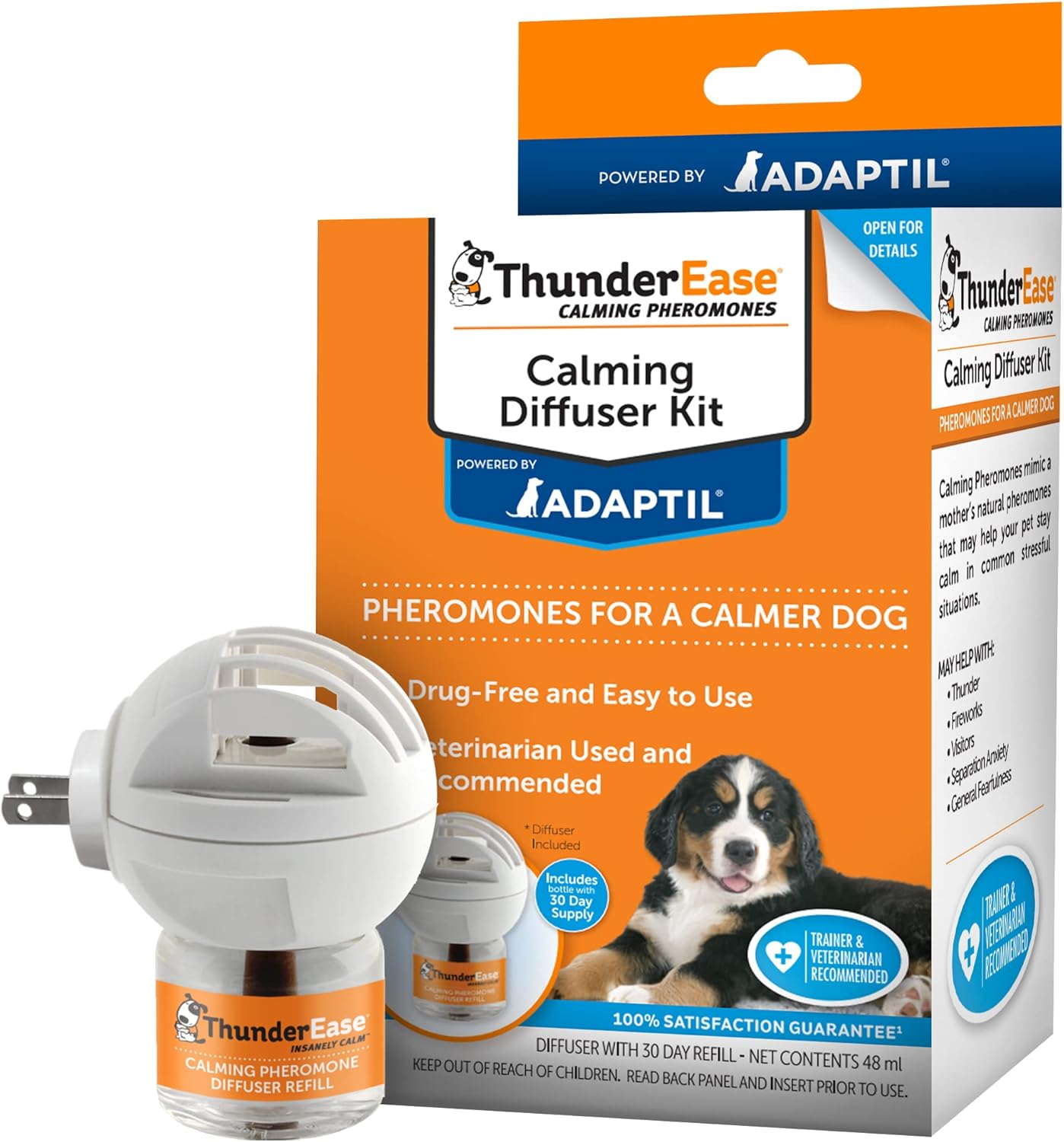
Adaptil (dog appeasing pheromone) or lavender-based sprays can reduce anxiety. Spray bedding 15 minutes before crating.
Additional Resources
Final Thoughts on Crate Resistance
Overcoming crate resistance is a journey that requires patience, consistency, and understanding of your dog's individual needs. While crates are valuable tools for many dogs, they're not the right solution for every dog or every situation.
Remember that the goal isn't just to get your dog into a crate - it's to help them feel safe, secure, and comfortable in their environment. Whether through gradual desensitization, alternative containment options, or professional behavior modification, there's a solution for every dog.
Your commitment to understanding and addressing your dog's concerns is the most important factor in success. With the right approach, what begins as resistance can transform into acceptance, and eventually, into a cherished safe space for your canine companion.

Crate Resistance FAQs
How long does it typically take to overcome crate resistance?
The timeline varies significantly based on the dog's history, age, and severity of resistance. Mild cases may resolve in 1-2 weeks with consistent training. Moderate resistance typically takes 3-6 weeks. Severe cases involving trauma or anxiety disorders may require 2-4 months of gradual desensitization. Consistency and patience are more important than speed.
Should I let my dog "cry it out" in the crate?
This depends on the type of vocalization. Mild whining or protest barking can often be ignored if you're confident your dog's needs are met (potty, exercise, etc.). However, true panic signals (panting, drooling, frantic escape attempts) should NEVER be ignored, as this can worsen anxiety and create negative associations. Learn to distinguish between protest and panic.
What are alternatives to traditional crates for dogs who truly cannot adjust?
Several alternatives exist: exercise pens (x-pens), baby-gated rooms or areas, tethering to secure points, or dog-proofed rooms. Some dogs do better with crate covers that create darkness, while others prefer clear plastic crates. The key is finding what provides security without triggering anxiety. Always ensure alternatives are safe and escape-proof.
Can medication help with severe crate resistance?
In cases of true anxiety disorders, medication prescribed by a veterinarian or veterinary behaviorist can be valuable tools when combined with behavior modification. Medications like fluoxetine (Reconcile) or trazodone may help lower anxiety enough for training to be effective. Medication alone is not a solution but can facilitate the learning process for severely anxious dogs.
Is crate resistance more common in certain breeds?
While any dog can experience crate resistance, some breeds and types may be more prone: working breeds with high energy/independence (Huskies, Terriers), sighthounds bred for open spaces (Greyhounds), and dogs with strong den instincts may struggle. However, individual temperament and previous experiences are more predictive than breed alone.