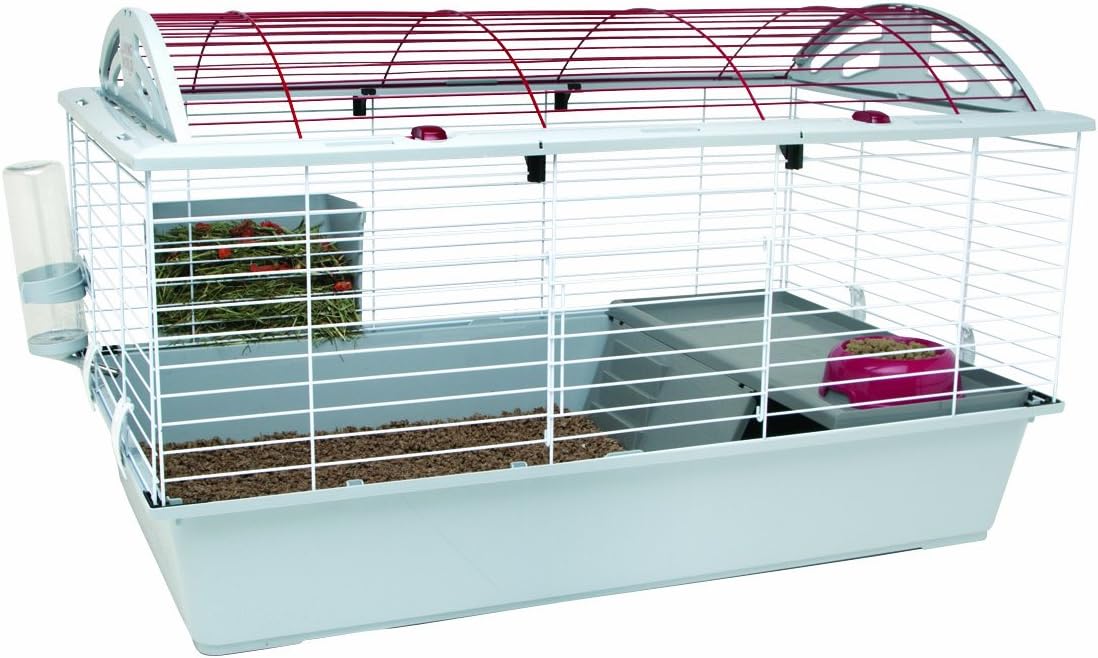
Creating the perfect home for small pets is both an art and a science. Whether you are setting up your first hamster cage or upgrading your rabbit's living quarters, the habitat you design directly impacts your pet's health, happiness, and lifespan. Small pets have specific environmental needs that, when met, allow them to express natural behaviors and thrive in captivity.
Understanding how to create a perfect habitat requires knowledge of species-specific requirements, safety considerations, and enrichment strategies. In this comprehensive 2026 guide, we will walk you through everything you need to know about designing exceptional homes for hamsters, guinea pigs, rabbits, gerbils, mice, and other small companions. For specific species care, explore our hamster care guide or complete rabbit care guide.
Table of Contents
- Understanding Small Pet Habitat Basics
- Species-Specific Housing Requirements
- 5 Essential Habitat Components
- Step-by-Step Setup Guide
- Safety Considerations and Toxic Materials
- Enrichment and Environmental Design
- Cleaning and Maintenance Schedule
- Common Habitat Mistakes to Avoid
- Budget-Friendly Habitat Solutions
- Recommended Habitat Products
- Frequently Asked Questions

Understanding Small Pet Habitat Basics
A small pet habitat is more than just a cage it is a complete ecosystem that must meet your pet's physical and psychological needs. The perfect home mimics natural environments while providing safety from predators and household hazards. Modern habitat design emphasizes species-appropriate living spaces that allow for natural behaviors like burrowing, climbing, foraging, and hiding.
Key principles for creating perfect small pet homes include:
- Space requirements: Minimum floor space standards vary by species but generally exceed outdated pet store recommendations
- Ventilation: Proper airflow prevents respiratory issues and ammonia buildup
- Security: Escape-proof construction protects pets from household dangers
- Accessibility: Easy cleaning and interaction design for daily maintenance
- Environmental control: Temperature and humidity management appropriate for the species
Did You Know?
Research from the University of California shows that small pets in enriched environments with adequate space exhibit 40% fewer stress behaviors and live an average of 20% longer than those in minimal housing. This demonstrates why habitat quality matters as much as nutrition for small pet welfare.
Recommended Habitat Starter Kit
Top Rated
Ferplast Hamster Cage with Accessories
Two-tier design with exercise wheel, water bottle, food dish, and hideout. Provides ample space for natural behaviors with secure locking mechanisms.
Check Amazon PriceSpecies-Specific Housing Requirements
Before creating the perfect home, you must understand your specific pet's needs. Each species has evolved distinct behavioral patterns requiring tailored environments:
| Species | Min. Floor Space | Height Priority | Key Features | Bedding Depth |
|---|---|---|---|---|
| Syrian Hamster | 800 sq inches | Low | Burrowing tunnels, wheel (10"+) | 8-12 inches |
| Dwarf Hamster | 600 sq inches | Medium | Sand bath, climbing branches | 6-8 inches |
| Guinea Pig | 8 sq feet (2 pigs) | Low | Hides, hay racks, flat surfaces | 2-3 inches |
| Rabbit | 12 sq feet + run | Medium | Litter box, digging box, platforms | Varies by area |
| Gerbil | 600 sq inches | High | Deep bedding (burrowing), chew toys | 10+ inches |
| Mouse | 360 sq inches | High | Climbing ropes, multiple levels | 4-6 inches |
Critical Warning
Many commercial cages marketed for hamsters and other small pets are far too small for species-appropriate care. A common "critter trail" style cage often provides less than 200 square inches well below the 600-800 minimum required. Always calculate actual floor space (length x width) rather than trusting packaging claims.
5 Essential Habitat Components
1. Appropriate Substrate
Bedding is not just for comfort. For burrowing species, deep substrate allows natural tunneling behavior. Use aspen shavings, paper-based bedding, or hemp. Avoid cedar/pine oils (toxic) and cotton fluff (entanglement risk). Depth matters more than expensive brands.
2. Secure Shelter
Prey animals need safe zones. Provide at least one enclosed hideout per pet, preferably with multiple entrances. Ceramic, wood, or thick plastic hides work well. Position shelters in quiet areas away from high traffic to reduce stress.
3. Nutrition Stations
Separate areas for different foods. Heavy ceramic dishes prevent tipping for pellets. Hay racks keep forage clean and accessible. Water bottles or bowls (species-dependent) require daily cleaning. Place away from bathroom areas.
4. Exercise Equipment
Physical activity prevents obesity and boredom. Solid-surface wheels (not wire) prevent bumblefoot. tunnels, bridges, and climbing structures encourage exploration. Ensure wheels are appropriately sized back curvature indicates a wheel too small.
5. Enrichment Elements
Mental stimulation is essential. Foraging toys, chew items (untreated wood, cardboard), and rearrangeable terrain prevent boredom. Rotate toys weekly to maintain interest. Natural elements like rocks and branches provide sensory variety.

Step-by-Step Setup Guide
Creating the perfect home requires systematic planning. Follow this habitat setup timeline to ensure nothing is overlooked:
Location Selection and Preparation
Choose a draft-free area away from direct sunlight and heating vents. Maintain ambient temperature between 65-75°F (18-24°C) for most species. Avoid bedrooms if you are a light sleeper (nocturnal activity). Place on a sturdy surface protected from spills with a waterproof mat.
Substrate Layering
Clean the enclosure thoroughly with pet-safe disinfectant (vinegar solution) and dry completely. Add substrate to appropriate depth deeper for burrowers, shallower for others. Create distinct zones: deep burrowing areas, shallow litter areas, and flat feeding zones.
Essential Infrastructure
Install water sources (bottles hung at correct height or heavy bowls). Position food stations away from bathroom corners. Place hides in quiet corners, ensuring they are stable and cannot trap pets. Test all closures and latches for security.
Environmental Enrichment
Add exercise equipment ensuring adequate clearance for wheels. Introduce climbing structures for arboreal species. Scatter foraging items and hay to encourage natural searching behavior. Provide appropriate chew materials for dental health.
Final Inspection
Check for sharp edges, loose parts, or gaps where pets could escape or get stuck. Verify temperature and lighting (avoid bright lights for nocturnal species). Introduce your pet gradually, allowing them to explore one section at a time over several days.
Premium Bedding Solution
Dust Free
Carefresh Small Pet Bedding
99% dust-free paper bedding with odor control. Biodegradable, absorbent, and perfect for burrowing. Safe for all small pets including rabbits, guinea pigs, and hamsters.
Check Amazon PriceSafety Considerations and Toxic Materials
Safety is paramount when creating small pet habitats. These animals are curious and vulnerable, requiring vigilant protection from household hazards:
Hazardous Materials to Avoid
Our veterinary consultants have identified the most common dangers in DIY and commercial habitats:
| Material/Item | Risk Level | Why It's Dangerous | Safe Alternative |
|---|---|---|---|
| Cedar/Pine shavings | High | Phenols cause liver damage and respiratory issues | Aspen, paper, hemp bedding |
| Cotton fluff/nesting | High | Impaction risk, limb entanglement | Shredded paper, hay |
| Wire mesh floors | Medium | Bumblefoot (ulcerative pododermatitis) | Solid flooring with bedding |
| Plastic tubes (small) | Medium | Poor ventilation, cornering traps | Open tunnels, larger connectors |
| Scented products | High | Respiratory irritation, toxic buildup | Unscented, natural materials |
Data compiled from ASPCA Animal Poison Control Center reports and exotic veterinary literature (2023-2025).
Escape Prevention
Small pets are escape artists. Bar spacing must be appropriate: under 0.4 inches for mice and dwarf hamsters, under 0.5 inches for Syrian hamsters, and under 1 inch for guinea pigs and rabbits. Always check for gaps around doors, corners, and where different materials meet.
Enrichment and Environmental Design
Enrichment transforms a basic cage into a perfect home. Environmental enrichment satisfies natural instincts and prevents stereotypic behaviors like bar-chewing, over-grooming, and repetitive pacing.
Naturalistic Design
Incorporate live plants (wheatgrass, rabbit-safe herbs), untreated wood branches, and rocks. These provide sensory stimulation, temperature regulation, and foraging opportunities while creating an aesthetically pleasing habitat.
Cognitive Challenges
Puzzle feeders, treat balls, and hidden food stations encourage problem-solving. Rotate enrichment items weekly to prevent habituation. Simple DIY options include toilet paper tubes stuffed with hay or cardboard boxes with entry holes.
Spatial Complexity
Create varied terrain with platforms, ramps, and levels (for climbers). Provide different substrates in zones: sand baths for chinchillas/hamsters, digging boxes for rabbits/gerbils, and solid rest areas for guinea pigs.
Social Considerations
Social species (guinea pigs, rabbits) need companion-appropriate housing with separate resources to prevent bullying. Solitary species (Syrian hamsters) require absolute isolation to prevent fighting and stress.
Cleaning and Maintenance Schedule
Maintaining the perfect home requires consistent hygiene protocols. Poor sanitation leads to ammonia buildup, bacterial growth, and respiratory illness:
Daily, Weekly, and Monthly Tasks
- Remove soiled bedding and wet spots
- Refresh water and check for leaks
- Spot-clean food dishes
- Remove uneaten fresh food
- Observe pet behavior and health
- Replace 1/3 of bedding substrate
- Wash all dishes and bottles with soap
- Wipe down surfaces with safe cleaner
- Inspect toys for damage
- Check for signs of illness
- Full substrate replacement
- Deep clean and disinfect enclosure
- Replace or rotate enrichment items
- Inspect enclosure for wear/damage
- Health check and weight monitoring
Pro Cleaning Tips
- Never use bleach or ammonia-based products residue is toxic to small pets
- Use a 1:1 vinegar-water solution for safe disinfection
- Allow everything to dry completely before adding bedding
- Keep a "cleaning kit" with dedicated brushes and cloths nearby
- Spot clean litter areas daily to extend full cleaning intervals
Common Habitat Mistakes to Avoid
Even well-meaning owners make errors when creating small pet homes. Learn from these common habitat mistakes:
1. Inadequate Space: The most prevalent error is choosing cages based on convenience rather than species requirements. Upgrade to the largest habitat your space and budget allow.
2. Improper Bedding: Using cedar/pine for odor control actually harms respiratory health. Scented litters and deodorizing sprays are similarly dangerous.
3. Dangerous Wheels: Wire wheels or wheels too small cause back injuries and bumblefoot. Choose solid, appropriately sized running surfaces.
4. Lack of Hiding Spaces: Open concept cages stress prey animals. Always provide covered shelters where pets can retreat from view.
5. Poor Ventilation: Aquarium tanks and plastic bins require extensive ventilation modifications to prevent ammonia buildup and respiratory distress.

Budget-Friendly Habitat Solutions
Creating the perfect home does not require expensive store-bought setups. DIY solutions often provide superior space at lower costs:
Ikea Detolf Conversion
Glass display cases (64" x 16") provide over 1,000 square inches for under $100 excellent for hamsters and mice. Remove shelves, add mesh lid, and install bedding retainers.
C&C Cage Systems
Cube and coroplast (corrugated plastic) grids allow custom guinea pig and rabbit enclosures. Expandable, affordable, and provide excellent ventilation. Plans available online for free.
DIY Toy Fabrication
Toilet paper tubes, cardboard boxes, untreated wicker baskets, and apple wood branches provide free enrichment. Avoid glue, staples, or dyes in DIY projects.
Secondhand Furniture
Repurpose bookshelves, dressers, or cabinets into habitats. Ensure safe sealants (water-based polyurethane) and extensive ventilation holes. Thoroughly clean and disinfect.
C&C Cage Expansion Kit
Customizable
C&C Cage Grid Connectors Set
23 storage cube grids with connectors to build custom guinea pig or rabbit enclosures. Combine with coroplast base for waterproof, expandable housing solutions.
Check Amazon PriceSuccess Story: From Critter Trail to Paradise
When Sarah adopted her first Syrian hamster, she purchased a colorful "starter kit" from a pet store. Her hamster, Peanut, showed signs of stress: bar-chewing, pacing, and biting when handled. After researching how to create a perfect home, Sarah converted an Ikea Detolf into a hamster paradise with 10 inches of bedding, multiple hides, and a 12-inch wheel.
"The transformation was immediate," Sarah reports. "Within a week, Peanut stopped bar-chewing entirely. He started burrowing complex tunnels and became handleable for the first time. He lived to 2.5 years well above average for his species. The setup cost less than $120 total, proving that proper housing is about knowledge, not money."
Additional Resources
Final Thoughts on Perfect Small Pet Homes
Creating the perfect home for small pets is an ongoing journey, not a one-time purchase. Start with the largest enclosure possible, prioritize safety over aesthetics, and observe your pet's behavior to identify their preferences. Remember that enrichment is not optional mental stimulation is as critical as food and water for these intelligent animals.
By following species-appropriate guidelines, avoiding toxic materials, and maintaining consistent hygiene, you provide the foundation for a long, healthy, and happy life for your small companion. The effort invested in proper habitat design pays dividends in reduced veterinary costs, stronger human-animal bonds, and the joy of watching natural behaviors flourish.