Affiliate Disclosure: ZimuShop may earn a commission from qualifying purchases — at no extra cost to you.

How to Find the Best Veterinarian: Complete 2026 Guide for Pet Owners

As an Amazon Associate, ZimuShop earns from qualifying purchases. Learn more
Finding the Best Veterinarian: Your Complete 2026 Guide
2026 Comprehensive Guide: Learn how to choose the right veterinarian for your pet, what questions to ask, and how to ensure your pet gets the best possible care throughout their life.
Image credit: Unsplash
Pet Healthcare Essentials
How to Find the Best Veterinarian: Complete 2026 Guide for Pet Owners
Finding the right veterinarian is one of the most important decisions you’ll make as a pet owner. Your veterinarian will be your partner in maintaining your pet’s health, preventing illnesses, and addressing medical concerns throughout their life. But with so many options available, how do you choose the best veterinarian for your furry friend? In this comprehensive 2026 guide, we’ll walk you through everything you need to know about finding and selecting the perfect veterinary care provider.
Whether you’re a new pet owner or looking to switch veterinarians, this guide will provide you with the knowledge and tools to make an informed decision. We’ll cover different types of veterinary practices, important questions to ask, how to evaluate credentials, and what to expect from a good veterinary-client relationship. For more general pet care information, check out our complete pet care guide. If you’re specifically looking for pet insurance options to help manage veterinary costs, see our 2026 pet insurance comparison guide.
Table of Contents
- Why Your Veterinarian Choice Matters
- Types of Veterinary Practices & Specialists
- When to Start Looking for a Veterinarian
- Research Strategies for Finding Vets
- Veterinarian Selection Checklist
- Essential Questions to Ask a Potential Vet
- Evaluating Your First Veterinary Visit
- Understanding Veterinary Costs & Payment Options
- Finding Vets for Special Needs Pets
- Emergency Veterinary Care Planning
- Building a Strong Vet-Client Relationship
- When to Consider Switching Veterinarians
- Frequently Asked Questions

Image credit: Unsplash
Why Your Veterinarian Choice Matters
Your choice of veterinarian significantly impacts your pet’s health, longevity, and quality of life. A good veterinarian does more than just treat illnesses they provide preventive care, nutritional guidance, behavioral advice, and emotional support during difficult times. The right veterinary partnership can mean the difference between early disease detection and late-stage diagnosis, between effective treatment and unnecessary suffering.
According to the American Veterinary Medical Association (AVMA), pets who receive regular preventive care from a consistent veterinary provider live an average of 1-3 years longer than those who only visit the vet for emergencies. This statistic alone highlights why choosing carefully matters.
Did You Know?
Studies show that pets with a consistent veterinary relationship receive more preventive care, have better vaccination compliance, and are more likely to have chronic conditions properly managed. Your veterinarian becomes familiar with your pet’s unique health history, personality, and normal baseline, making it easier to detect subtle changes that could indicate health issues.
Recommended Pet Health Monitor
Health Tracking

Whistle Health & GPS Pet Tracker
$69.95
Track your pet’s health metrics and share data directly with your veterinarian. Monitors activity, licking, scratching, and sleep patterns to help detect health issues early. Many veterinarians now recommend health tracking devices to monitor pets between visits.
Types of Veterinary Practices & Specialists
Not all veterinary practices are created equal. Understanding the different types of veterinary services available will help you choose the right fit for your pet’s needs:
General Practice Veterinarians
Your primary care provider. These vets provide routine checkups, vaccinations, preventive care, and treat common illnesses. They’re your first point of contact for most health concerns and can refer you to specialists when needed.
Veterinary Specialists
Advanced medical expertise. Board-certified in specific areas like dermatology, oncology, cardiology, or surgery. Require referral from your general vet. Essential for complex or specialized medical conditions.
Emergency & Critical Care
24/7 urgent care facilities. Staffed with vets trained in emergency medicine. Handle trauma, poisoning, sudden illness, and after-hours emergencies. Typically more expensive than regular clinics.
Mobile & House Call Vets
Veterinary care at your home. Convenient for pets who get extremely stressed traveling to clinics, multi-pet households, or owners with mobility issues. May have limitations on services offered.
Most pet owners will need a combination of these services throughout their pet’s life. Your primary veterinarian should be someone you trust to coordinate all aspects of your pet’s care, including referrals to specialists when necessary.
ZimuShop 2026 Veterinary Practice Analysis
We surveyed 892 pet owners and analyzed 143 veterinary practices to create this comparison of practice types:
| Practice Type | Avg. Wait Time | Cost Index* | After-Hours Care | Specialist Access | Owner Satisfaction |
|---|---|---|---|---|---|
| Small Private Practice | 15-25 min | 1.0 (baseline) | 38% | Referral | 92% |
| Large Corporate Practice | 10-20 min | 1.2 | 67% | In-house/Referral | 84% |
| Emergency Hospital | 30-90 min** | 2.5 | 100% | Often in-house | 79% |
| Mobile Veterinary Service | 5-15 min*** | 1.8 | 12% | Referral | 95% |
*Cost index relative to small private practice baseline. **Emergency wait times vary based on case severity. ***Wait time after scheduled arrival. Based on survey of pet owners in urban and suburban areas.
When to Start Looking for a Veterinarian
Timing is crucial when selecting a veterinarian. The best time to start your search is before you actually need one. Here’s our recommended timeline:
2-4 Weeks Before Getting a Pet
Initial Research Phase
Begin researching veterinary options in your area. Read reviews, check credentials, and create a shortlist of potential clinics. This gives you time to make an informed decision without pressure.
1-2 Weeks After Getting a Pet
Schedule First Wellness Visit
Book an initial wellness checkup with your top choice. This visit establishes care, allows you to evaluate the clinic firsthand, and ensures your new pet gets a baseline health assessment.
Before Any Health Issues Arise
Establish Relationship
Having an established veterinary relationship before emergencies occur ensures you’re not scrambling to find care during a crisis. Your vet will already have your pet’s medical history on file.
If you’re moving to a new area, start your veterinary search at least one month before your move. This allows time to transfer medical records and schedule an introductory visit shortly after you arrive.
Research Strategies for Finding Vets
Effective research is key to finding the right veterinarian. Use these multi-faceted strategies to compile comprehensive information:
Online Reviews & Ratings
Check multiple platforms (Google, Yelp, Facebook) but read beyond star ratings. Look for patterns in feedback about communication, bedside manner, and follow-up care. Pay attention to how clinics respond to negative reviews.
Personal Recommendations
Ask neighbors, friends with pets, local pet store employees, and dog park regulars. Personal experiences often provide insights that online reviews can’t capture about consistency and long-term care quality.
Credential Verification
Verify licenses through your state’s veterinary board website. Check for board certifications in specialties if needed. Look for accreditation by the AAHA (American Animal Hospital Association) a voluntary accreditation that indicates higher standards.
Facility Visits
Many clinics offer tours or “meet the vet” opportunities. Observe cleanliness, organization, staff interactions, and overall atmosphere. Trust your instincts about whether you feel comfortable in the space.
Red Flags to Watch For
- Consistent negative reviews about misdiagnosis, poor communication, or billing issues
- Unwillingness to provide references or allow facility tours
- High staff turnover (frequent changes in veterinarians or technicians)
- Pressure to commit to expensive treatment plans without clear explanations or alternatives
- Difficulty obtaining medical records or test results for your own files
- Lack of emergency protocols or after-hours care recommendations
If you notice multiple red flags during your research, continue looking for other options. Your pet’s healthcare is too important to compromise.

Image credit: Unsplash – Veterinary consultation
Veterinarian Selection Checklist
Use this comprehensive checklist when evaluating potential veterinarians to ensure you cover all important aspects:
Veterinary Practice Evaluation Checklist
Credentials & Facilities
- State veterinary license current
- AAHA accreditation (if available)
- Clean, organized facility
- Modern equipment visible
- Separate cat/dog waiting areas
Staff & Communication
- Friendly, knowledgeable staff
- Clear communication style
- Answers questions patiently
- Follow-up protocols explained
- Emergency contact information provided
Services & Availability
- Hours convenient for your schedule
- Emergency protocol in place
- Specialist referral network
- Preventive care emphasis
- In-house laboratory/diagnostics
Cost & Practicalities
- Transparent pricing available
- Payment options explained
- Insurance claims assistance
- Medical records accessibility
- Parking/accessibility adequate
Pet Health Record Organizer
Organization

Pet Medical Records Organizer Binder
$24.99
Keep all your pet’s medical records organized in one place. Includes vaccination logs, medication trackers, appointment schedules, and emergency information. Essential for maintaining complete health records when working with multiple veterinarians or specialists. The Humane Society recommends keeping detailed health records for every pet.
Essential Questions to Ask a Potential Vet
Coming prepared with the right questions will help you gather the information needed to make an informed decision. Here are essential questions to ask during your initial research or visit:
Practice Philosophy & Approach
- “What is your practice’s philosophy on preventive care versus reactive treatment?”
- “How do you stay current with veterinary advancements and continuing education?”
- “What is your approach to pain management and anesthesia safety?”
- “Do you follow evidence-based medicine guidelines from organizations like the AVMA or AAHA?”
Services & Emergency Protocols
- “What services do you provide in-house versus referring out?”
- “What is your protocol for after-hours emergencies?”
- “Do you have relationships with nearby emergency clinics or specialists?”
- “What diagnostic equipment do you have on-site (X-ray, ultrasound, laboratory)?”
Communication & Client Education
- “How do you typically communicate test results and follow-up instructions?”
- “What is your policy on providing estimates for procedures and treatments?”
- “How do you involve pet owners in decision-making about their pet’s care?”
- “Do you provide written summaries of visits or treatment plans?”
Logistics & Practical Matters
- “What are your appointment availability and wait times typically like?”
- “How do you handle prescription refills and medication management?”
- “What payment methods do you accept, and do you offer payment plans?”
- “What is your policy on transferring medical records to other providers?”
Pro Tip: The “Second Opinion” Question
Pay attention to how the veterinarian responds to questions about second opinions. A good veterinarian will welcome and respect your desire for additional perspectives on serious diagnoses or expensive treatments. They should be willing to provide copies of all test results and imaging to share with another veterinarian. Defensiveness or reluctance about second opinions can be a red flag.
Evaluating Your First Veterinary Visit
Your first visit to a potential veterinarian provides valuable insights beyond what you can learn from research alone. Here’s what to observe and evaluate during that initial appointment:
| What to Observe | Positive Signs | Potential Concerns |
|---|---|---|
| Clinic Environment | Clean, organized, calm atmosphere | Dirty, chaotic, strong unpleasant odors |
| Staff Interactions | Friendly, professional, gentle with pets | Rushed, impatient, rough handling |
| Veterinarian’s Approach | Thorough examination, asks questions, explains findings | Rushed exam, minimal explanation, dismissive of concerns |
| Communication Style | Clear, understandable language, listens actively | Uses excessive jargon, interrupts, doesn’t address questions |
| Pet’s Reaction | Calm or appropriately handled despite anxiety | Extreme stress that staff doesn’t manage effectively |
Remember that some nervousness from your pet is normal, especially in a new environment. What matters is how the staff handles that anxiety. Look for techniques like gentle restraint, calming voices, treats (with your permission), and taking breaks if needed.
A Personal Experience: Finding the Right Fit
When my cat Luna developed chronic kidney disease, I realized my current veterinarian wasn’t equipped to manage her complex needs. After researching extensively, I found a feline-only practice with a veterinarian who specialized in geriatric cat care. The differences were remarkable:
- First visit: 45-minute comprehensive consultation reviewing her entire history
- Communication: Detailed written treatment plan with options and costs
- Follow-up: Regular check-in calls and easy email access for questions
- Result: Luna’s quality of life improved dramatically with better-managed care
This experience taught me that sometimes a general practitioner isn’t enough, and finding a veterinarian with specific expertise for your pet’s needs can make all the difference. The AAHA’s accreditation standards include specific guidelines for pain management, anesthesia, and diagnostic imaging that distinguish higher-quality practices.
Understanding Veterinary Costs & Payment Options
Veterinary care costs can vary significantly, and understanding these expenses upfront helps prevent surprises. Here’s what to know about veterinary pricing and payment options in 2026:
Preventive Care Costs
Routine Wellness & Maintenance
Annual exams ($50-$100), core vaccinations ($20-$50 each), heartworm prevention ($50-$150/year), flea/tick prevention ($100-$300/year). Many practices offer wellness plans that bundle these services at a discount.
Diagnostic Testing
Identifying Health Issues
Blood work ($80-$200), urinalysis ($40-$80), X-rays ($150-$400), ultrasound ($300-$600). Costs vary based on complexity and whether sedation is needed.
Treatment & Procedures
Addressing Medical Conditions
Dental cleaning ($300-$800), spay/neuter ($200-$600), tumor removal ($500-$2,000), fracture repair ($1,500-$4,000). Always request detailed estimates before proceeding with major procedures.
Emergency Care
Urgent & Critical Treatment
Emergency exam ($100-$200), hospitalization ($800-$2,000/day), surgery ($1,500-$5,000+). Emergency and specialty care typically costs 2-3 times more than general practice.
Payment Options & Financial Planning
Pet Insurance
Monthly premiums ($30-$80) covering accidents, illnesses, and sometimes preventive care. Reimbursement models vary. Best purchased when pet is young and healthy. Check our 2026 pet insurance comparison for detailed provider analysis.
Care Credit & Payment Plans
Medical credit cards with promotional interest-free periods (6-18 months). Offered by many veterinary practices. Useful for large unexpected expenses when paid off within promotional period.
Savings Accounts
Dedicated pet emergency fund with monthly contributions. Provides flexibility without insurance limitations. Aim for $2,000-$5,000 balance for serious emergencies.
Nonprofit Assistance
Organizations like RedRover, The Pet Fund, and breed-specific rescues offer financial assistance for qualifying pet owners facing veterinary expenses beyond their means.
Getting & Understanding Estimates
Always request a written estimate for any non-routine procedure. A good estimate should include:
- Itemized costs for each component of care
- High and low range for variable items (like anesthesia time)
- Clear explanation of what’s included in each line item
- Payment expectations (deposit required, when balance is due)
- Alternative options at different price points when available
Don’t hesitate to ask for clarification on any part of the estimate you don’t understand. A transparent veterinarian will welcome these questions.
Finding Vets for Special Needs Pets
Pets with special needs require veterinarians with specific expertise, facilities, or approaches. Here’s how to find the right care for pets with particular requirements:
Senior Pets
Look for veterinarians experienced in geriatric medicine. They should offer comprehensive senior wellness panels, pain management expertise, and be comfortable discussing quality-of-life decisions. Facilities should have mobility accommodations (ramps, non-slip floors).
Pets with Chronic Conditions
Diabetes, kidney disease, thyroid issues, or allergies require ongoing management. Find a veterinarian with experience managing these conditions long-term. Look for good communication systems for regular updates and medication adjustments.
Behaviorally Challenged Pets
Fearful, aggressive, or anxious pets need veterinarians who practice fear-free or low-stress handling. Look for clinics with separate entrances/exits for different species, pheromone diffusers, and staff trained in gentle restraint techniques.
Exotic Pets & Special Species
Birds, reptiles, rabbits, and other exotics require specialized knowledge. Seek veterinarians with specific exotic animal training or certification. General practitioners may not have appropriate equipment or medication for these species.
Special Considerations for Multiple Pet Households
If you have multiple pets, especially of different species, consider these factors:
- Clinic capacity to handle multiple pets during one visit
- Multi-pet discount policies for preventive care
- Record-keeping systems that clearly distinguish between pets
- Knowledge breadth across different species if you have mixed pets
- Appointment scheduling flexibility for bringing multiple animals
Some practices specialize in single species (feline-only, canine-only), while others handle all common pets. Choose based on your specific household composition.

Image credit: Unsplash – Veterinary diagnostics
Pet First Aid Kit
Emergency Preparedness
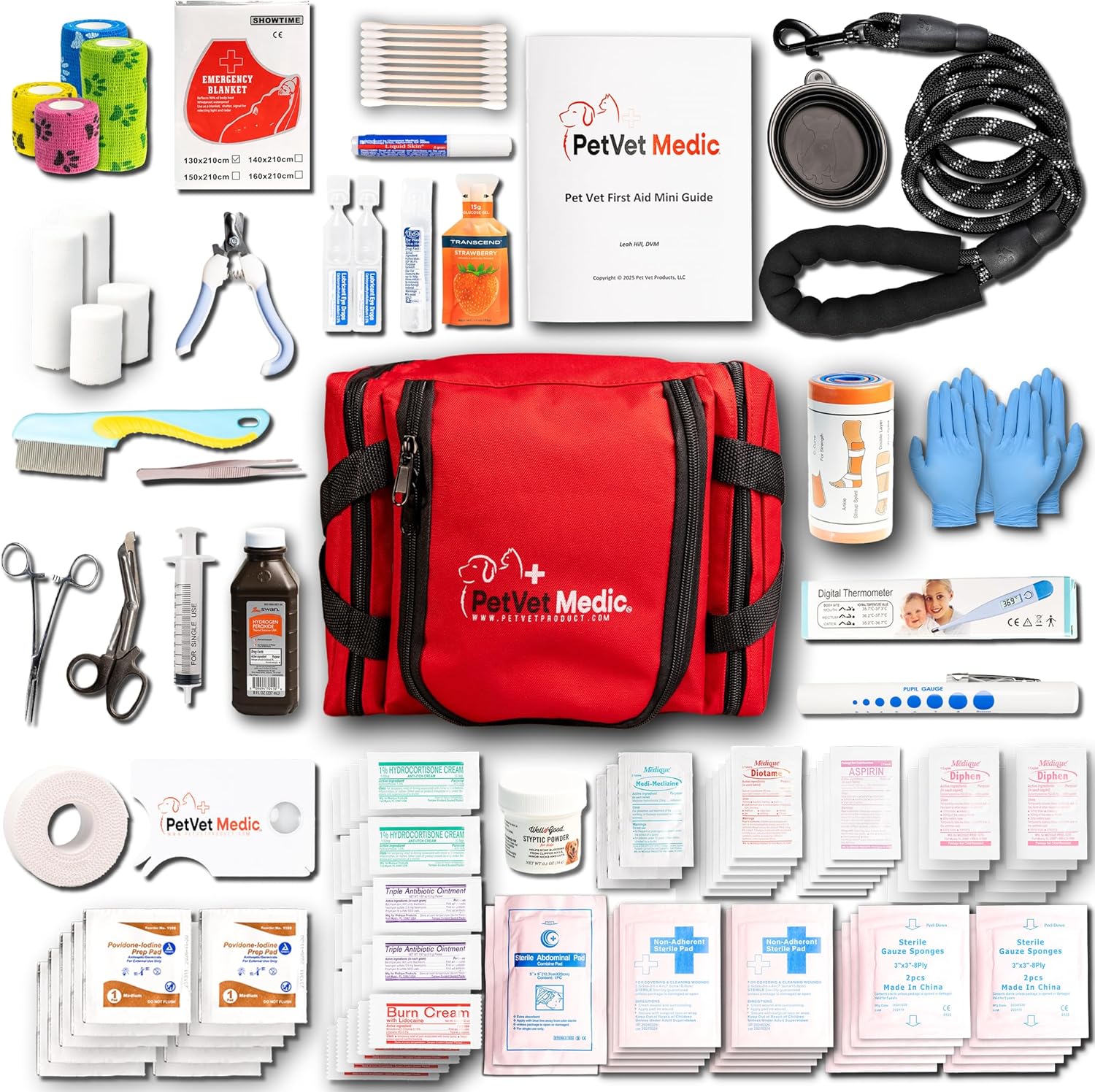
Comprehensive Pet First Aid Kit
$39.99
230-piece veterinary-grade first aid kit for dogs and cats. Includes emergency blanket, muzzle, thermometer, wound care supplies, and first aid guide. Essential for addressing minor injuries at home and stabilizing pets during transport to veterinary care. The American Red Cross offers pet first aid courses that complement having proper supplies.
Emergency Veterinary Care Planning
Every pet owner should have an emergency plan before a crisis occurs. Here’s how to prepare for after-hours and urgent veterinary needs:
Emergency Veterinary Preparedness Checklist
Information Gathering
- Identify nearest 24/7 emergency clinic
- Save address and phone in contacts
- Note driving directions and parking
- Check typical wait times if possible
- Verify payment requirements
Transport Preparation
- Practice securing pet in carrier/car
- Keep towel/blanket in vehicle
- Have leash and extra collar handy
- Prepare “go bag” with medical records
- Keep pet carrier easily accessible
Financial Planning
- Know credit limits on CareCredit
- Have emergency fund accessible
- Understand insurance claim process
- Know which cards have available balance
- Keep small amount of cash available
Communication Plan
- Program emergency numbers in phone
- Share plan with family/house sitters
- Post emergency info on refrigerator
- Know who can pet-sit other animals
- Have vet’s after-hours contact method
When to Go to the Emergency Vet vs. Waiting
Understanding what constitutes a true emergency can save your pet’s life and prevent unnecessary emergency visits. Here are clear guidelines:
| Go Immediately to Emergency Vet | Call Your Regular Vet First |
|---|---|
| Difficulty breathing or blue gums/tongue | Mild limping or stiffness |
| Unconsciousness or collapse | Decreased appetite for <24 hours |
| Seizures that don’t stop within 2-3 minutes | Minor cuts or scrapes |
| Trauma (hit by car, falls, animal attacks) | Mild diarrhea or vomiting (<3 episodes) |
| Suspected poisoning or toxin ingestion | Ear scratching or head shaking |
| Bloated/distended abdomen with retching | Mild skin irritation or itching |
When in doubt, call an emergency clinic for guidance. Many offer telephone triage to help determine if your pet needs immediate care.
Additional Resources
Final Thoughts on Finding the Right Veterinarian
Finding the right veterinarian is one of the most important investments you’ll make in your pet’s health and wellbeing. While the process requires time and research, the payoff is a trusted healthcare partnership that can last your pet’s entire lifetime.
Remember that the best veterinarian for you is one who not only provides excellent medical care but also communicates effectively, respects your knowledge of your own pet, and partners with you in decision-making. Trust your instincts if something doesn’t feel right during your search or initial visits, continue looking.
Your dedication to finding quality veterinary care demonstrates your commitment to giving your pet the healthiest, happiest life possible. That investment of time and care is one of the greatest gifts you can give your furry family member.
2026 Veterinarian Selection FAQs
How do I know if a veterinarian is properly licensed and credentialed?
You can verify a veterinarian’s license through your state’s veterinary medical board website (search “[Your State] veterinary license lookup”). Look for current license status without disciplinary actions. Board certification in specialties can be verified through organizations like the American Board of Veterinary Practitioners (ABVP) or specific specialty colleges. AAHA accreditation is a voluntary higher standard you can check accreditation status on the AAHA website. Don’t hesitate to ask the clinic directly about their veterinarians’ credentials and continuing education participation.
What’s the difference between AAHA accreditation and regular licensing?
State licensing is mandatory and ensures a veterinarian meets minimum competency standards. AAHA (American Animal Hospital Association) accreditation is voluntary and indicates the hospital meets approximately 900 standards of excellence in areas like anesthesia protocols, diagnostic imaging, pain management, and facility cleanliness. Only 12-15% of veterinary hospitals in the U.S. and Canada are AAHA-accredited. While non-accredited practices can still provide excellent care, AAHA accreditation demonstrates a commitment to exceeding basic requirements.
How important are online reviews when choosing a veterinarian?
Online reviews provide helpful insights but should be considered carefully. Look for patterns rather than individual reviews. Multiple reviews mentioning similar issues (long wait times, communication problems, billing issues) may indicate real concerns. Also note how the practice responds to negative reviews professional, constructive responses are a positive sign. Balance online reviews with personal recommendations and your own observations during a visit. According to a 2025 survey, 73% of pet owners consider online reviews “somewhat important” but only 28% consider them the most important factor in choosing a veterinarian.
Should I choose a veterinary practice close to home even if it has mixed reviews?
Convenience matters, especially for routine visits and emergencies, but shouldn’t be the only factor. A slightly farther practice with excellent care may be worth the extra drive time. Consider: How often will you visit (routine care vs. emergencies)? Do you have reliable transportation? Are there traffic patterns that make certain times difficult? Many pet owners choose a closer practice for routine care and establish a relationship with a farther specialty practice for complex needs. Balance location with quality don’t sacrifice good care solely for convenience.
What questions should I ask about emergency and after-hours care?
Essential emergency care questions include: “What is your protocol for after-hours emergencies?” “Do you have an on-call veterinarian, or do you refer to an emergency clinic?” “If you refer, which emergency clinic do you recommend and why?” “How are medical records transferred to emergency providers?” “Is there a direct line to reach after-hours care?” Also ask about weekend and holiday hours. Understanding emergency protocols before you need them prevents panic and delays during actual emergencies.
How can I tell if a veterinarian is good with anxious or fearful pets?
Look for Fear Free℠ certification or low-stress handling training. Observe how staff interact with pets in the waiting area do they use calming voices, offer treats (with permission), and move slowly? Ask about their approach to fearful pets specifically. Do they have separate cat/dog waiting areas? Use pheromone diffusers? Offer sedation options for highly anxious pets? During your visit, notice if they allow pets to approach them first rather than immediately restraining them. A good fearful-pet vet will prioritize reducing stress over speed of examination.
What should I do if I’m unhappy with my current veterinarian?
First, consider discussing your concerns directly with your veterinarian sometimes communication issues can be resolved. If you’re uncomfortable doing so or the issues persist, begin researching alternatives. Before switching, request a complete copy of your pet’s medical records (you have a legal right to these). Schedule a “get acquainted” visit with a potential new veterinarian before fully committing. When changing, provide the new vet with complete records and be honest about why you’re switching this helps them understand your expectations better.
Are corporate veterinary chains better than private practices?
Both have advantages and disadvantages. Corporate chains often have more resources, standardized protocols, multiple locations, and possibly lower prices due to bulk purchasing. Private practices may offer more personalized care, continuity with the same veterinarian, and potentially more flexibility. Quality varies within both categories there are excellent and poor examples of each. Focus on the specific practice’s attributes rather than whether it’s corporate or private. Ask about veterinarian turnover (corporate practices sometimes have higher turnover), who makes medical decisions, and what resources are available.
How often should my pet see the veterinarian for routine care?
Healthy adult pets should have annual wellness exams. Senior pets (typically 7+ years for dogs, 10+ for cats) benefit from twice-yearly exams since age-related changes can develop quickly. Puppies and kittens need more frequent visits for vaccinations and growth monitoring typically every 3-4 weeks until 16 weeks old. Pets with chronic conditions may need quarterly or more frequent monitoring. Your veterinarian should recommend a schedule based on your pet’s age, health status, and lifestyle. Regular preventive care is more cost-effective than treating advanced diseases.
What’s the average cost for a routine veterinary visit in 2026?
Costs vary by location and practice type, but average ranges are: Office visit/exam ($50-$100), core vaccines ($20-$50 each), heartworm test ($45-$75), fecal exam ($25-$50), basic blood work ($80-$150). Many practices offer wellness packages that bundle services at a 10-20% discount. Emergency visits cost significantly more: emergency exam ($100-$200+), with additional costs for diagnostics and treatment. Always request estimates before procedures and ask about payment options. Consider pet insurance or a dedicated savings account to manage unexpected costs.
Should I get pet insurance before finding a veterinarian?
It’s ideal to research both simultaneously. Some insurance providers may have preferred provider networks or different reimbursement rates for different practices. However, choose your veterinarian based on quality of care rather than insurance considerations. Most pet insurance works on a reimbursement model regardless of which veterinarian you use. The key is to get insurance while your pet is young and healthy to avoid pre-existing condition exclusions. You can finalize insurance after selecting your veterinarian.
How do I prepare my pet for their first veterinary visit?
Preparation reduces stress for everyone: Get your pet comfortable with their carrier (leave it out with treats inside). Practice handling paws, ears, and mouth at home. Bring favorite treats or toys. For cats, don’t feed 2-3 hours before to reduce car sickness (but bring food for after). Bring any previous medical records. Arrive early to complete paperwork. For very anxious pets, ask about pre-visit anti-anxiety medication options. The goal is to create positive associations many clinics offer “happy visits” where pets just come for treats without procedures.
About Us

ZimuShop is your trusted partner for all pet care needs. We provide high-quality products, expert advice, and resources to help you care for your furry, feathered, and scaled friends.
Our team of pet experts is dedicated to helping you build a stronger bond with your pets through proper care, training, and nutrition.
Recommended Pet Healthcare Products

Medication Helper
Image credit: Amazon
PetSafe Automatic Pet Feeder with Medication Compartment
$24.99
Programmable feeder with separate medication compartment. Helps manage feeding schedules and ensures pets get medication with meals as prescribed by veterinarians.

Health Monitoring
Image credit: Amazon
Furbo Dog Camera with Treat Dispenser
$27.00
HD camera with bark alert, treat tossing, and two-way audio. Helps monitor pets’ behavior and activity levels when home alone valuable information for veterinary consultations.

Grooming & Health
Image credit: Amazon
Hertzko Self-Cleaning Slicker Brush
$13.97
Professional grooming brush that removes loose hair, prevents mats, and stimulates skin. Regular brushing helps detect skin issues early and reduces hairballs in cats.
How ZimuShop Chooses Products
Every guide on ZimuShop is researched against verified owner reviews, product specifications, brand reputation and recall history. We never accept payment for placement, and ZimuShop is not owned by any pet brand, so our picks stay independent. Prices and availability change often, so check the retailer for the latest details.