Homemade reptile food offers unparalleled control over your pet's nutrition, but it requires careful planning and knowledge. Unlike commercial reptile diets, homemade meals allow you to select fresh, high-quality ingredients tailored to your reptile's specific needs. In this comprehensive 2026 guide, we'll explore everything you need to know about creating balanced, nutritious homemade food for your reptilian companions.
From understanding reptile nutritional requirements to mastering safe food preparation techniques, this guide will help you provide optimal nutrition for bearded dragons, leopard geckos, turtles, and other popular reptile pets. Whether you're looking to supplement commercial diets or transition to fully homemade meals, you'll find practical recipes and expert advice here.
Table of Contents
- Why Choose Homemade Reptile Food?
- Understanding Reptile Nutritional Requirements
- Food Safety: Critical Considerations
- 2026 Homemade Reptile Food Recipes
- Essential Supplements and Gut Loading
- Transitioning to Homemade Food
- Common Mistakes to Avoid
- Food Preparation and Storage Guide
- Cost Analysis: Homemade vs Commercial
- Frequently Asked Questions

Why Choose Homemade Reptile Food?
Homemade reptile food offers several advantages over commercial options when prepared correctly. While commercial diets provide convenience and balanced nutrition, homemade meals allow for greater customization and ingredient control.
Key benefits of homemade reptile food include:
Ingredient Control
Select fresh, high-quality ingredients and avoid preservatives, artificial colors, and fillers often found in commercial diets.
Customization
Tailor meals to your reptile's specific needs, preferences, and health conditions. Adjust calcium-phosphorus ratios as needed.
Freshness
Provide recently harvested vegetables and live insects at peak nutritional value, maximizing vitamin and mineral content.
Cost Effectiveness
Potentially lower costs, especially for multiple reptiles or larger species. Buying ingredients in bulk can reduce expenses significantly.
Important Consideration
While homemade food offers benefits, it requires careful planning to ensure nutritional completeness. Unlike commercial diets formulated by reptile nutritionists, homemade meals must be carefully balanced. Consult with a reptile veterinarian before making significant dietary changes, especially for reptiles with health conditions.
Essential Reptile Supplement
Veterinarian Recommended
Rep-Cal Calcium with Vitamin D3
Ultra-fine phosphorus-free calcium powder with vitamin D3. Essential for homemade reptile diets to prevent metabolic bone disease. Formulated specifically for reptiles and amphibians.
Check Amazon PriceUnderstanding Reptile Nutritional Requirements
Reptiles have diverse nutritional needs based on their species, age, and natural diet. Understanding these requirements is essential for creating balanced homemade meals. Reptiles generally fall into three dietary categories:
Plant-Eating Reptiles
Examples: Green iguanas, tortoises,
uromastyx
Diet: 80-90% vegetables, 10-20% fruits
Key nutrients: High calcium, moderate
fiber, low protein
Critical: Calcium:Phosphorus ratio of 2:1
or higher
Meat/Insect-Eating Reptiles
Examples: Snakes, monitor lizards, tegus
Diet: Whole prey items or insects
Key nutrients: High protein, balanced fats,
minimal carbohydrates
Critical: Whole prey provides complete
nutrition
Mixed Diet Reptiles
Examples: Bearded dragons, box turtles,
blue-tongue skinks
Diet: Varied mix of plant and animal
matter
Key nutrients: Balanced protein, calcium,
vegetables
Critical: Adjust ratios based on life stage
ZimuShop 2026 Reptile Nutrition Analysis
We analyzed nutritional requirements across 15 common reptile species to create this comprehensive guide:
| Species | Diet Type | Protein % | Calcium:Phosphorus | Key Vegetables | Key Insects/Protein |
|---|---|---|---|---|---|
| Bearded Dragon | Omnivore | 20-30% (adult) | 2:1 minimum | Collard, Mustard, Dandelion | Dubia roaches, Crickets |
| Leopard Gecko | Insectivore | 35-45% | 1.5:1 minimum | N/A (insects only) | Mealworms, Waxworms |
| Red-Eared Slider | Omnivore | 25-35% (juveniles) | 2:1 minimum | Aquatic plants, Veggies | Feeder fish, Shrimp |
| Crested Gecko | Frugivore/Insectivore | 15-25% | 2:1 minimum | Fruits, Occasional Veggies | Crickets, Roaches |
| Russian Tortoise | Herbivore | 8-12% | 3:1 minimum | Weeds, Dark Leafy Greens | N/A (herbivore) |
*Percentages represent approximate dietary composition. Always consult species-specific guides.
Critical Nutritional Warnings
Several common foods can be harmful or fatal to reptiles:
- Avocado: Toxic to most reptiles, contains persin
- Rhubarb: Contains oxalic acid, can cause kidney failure
- Iceberg lettuce: Minimal nutritional value, can cause diarrhea
- Spinach/Kale (excess): High oxalates can bind calcium
- Fireflies: Extremely toxic to all reptiles
- Wild-caught insects: May carry pesticides or parasites
Always research species-specific dietary restrictions before introducing new foods.
Food Safety: Critical Considerations
Food safety is paramount when preparing homemade reptile meals. Unlike mammals, reptiles are more susceptible to certain pathogens and have different digestive capabilities.
Sanitation
Wash hands thoroughly before and after handling reptile food. Clean all surfaces, utensils, and feeding dishes with reptile-safe disinfectants.
Temperature Control
Serve food at appropriate temperatures. Most reptiles prefer food at or slightly above room temperature. Never serve food that's been left out for extended periods.
Parasite Prevention
Freeze feeder insects for 48 hours before feeding to kill potential parasites. Purchase insects from reputable breeders, not wild-caught sources.
Supplement Safety
Measure supplements carefully. Over-supplementation can be as harmful as deficiencies. Rotate between plain calcium and calcium with D3 based on UVB exposure.

2026 Homemade Reptile Food Recipes
These recipes have been developed with input from reptile nutritionists and experienced herpetoculturists. Each recipe includes nutritional analysis and preparation instructions.
Bearded Dragon Super Salad Mix
EasyIngredients
- 1 cup collard greens (chopped)
- ½ cup dandelion greens
- ¼ cup grated butternut squash
- ¼ cup grated carrot
- 2 tbsp finely chopped bell pepper (red or yellow)
- 1 tbsp chopped cilantro or parsley
- 5-10 dubia roaches or crickets (gut-loaded)
- ½ tsp calcium supplement (without D3)
- ¼ tsp multivitamin supplement (2x weekly)
Yield: 2-3 meals for adult bearded dragon
Preparation Instructions
- Wash all vegetables thoroughly under cold running water
- Chop greens into bite-sized pieces (no larger than space between dragon's eyes)
- Grate squash and carrot using fine grater
- Combine all vegetables in mixing bowl
- Lightly dust vegetables with calcium supplement
- Add gut-loaded insects just before serving
- Serve at room temperature, remove uneaten portions after 4 hours
Nutritional Notes: Calcium:Phosphorus ratio ~2.5:1. High in Vitamin A and fiber. Suitable for adults (reduce insects for seniors).
Premium Feeder Insects
Gut-Loaded
Premium Dubia Roaches - Medium Size
Nutrient-rich feeder insects with optimal protein-fat ratio. Easier to digest than crickets, less chitin. Already gut-loaded with premium diet. According to the Anapsid nutrition resource, dubia roaches provide superior nutrition compared to many other feeder insects.
Check Amazon PriceLeopard Gecko Insect Medley
ModerateIngredients
- 10-15 mealworms (gut-loaded)
- 5-8 dubia roaches (small, gut-loaded)
- 3-5 black soldier fly larvae
- 2-3 waxworms (treat, not staple)
- ½ tsp calcium supplement (with D3)
- ¼ tsp multivitamin supplement
- Insect gut-load formula (commercial or homemade)
Yield: 2-3 feedings for adult leopard gecko
Preparation Instructions
- Gut-load insects for 24-48 hours before feeding
- Prepare gut-load: commercial formula or mix of grains, vegetables, and calcium
- Create feeding dish with shallow sides (prevents escape)
- Combine insects in feeding dish
- Lightly dust with calcium supplement (with D3 for indoor geckos)
- For variety, dust different insects with different supplements
- Feed in evening (leopard geckos are nocturnal)
- Remove uneaten insects after 15-20 minutes
Nutritional Notes: Varied insect diet prevents nutritional deficiencies. Black soldier fly larvae provide natural calcium. Waxworms should be limited to 1-2 times weekly as treats.
Turtle Aquatic Medley
AdvancedIngredients
- ½ cup aquatic plants (duckweed, azolla, or water lettuce)
- ¼ cup shelled peas (thawed if frozen)
- 2-3 feeder fish (guppies or minnows, quarantined)
- 2-3 freshwater shrimp (thawed if frozen)
- 1 tsp calcium block (for water)
- 2-3 earthworms (chopped if large)
- 2-3 crickets or dubia roaches
- ½ tsp reptile multivitamin
Yield: 2-3 meals for adult red-eared slider
Preparation Instructions
- Rinse aquatic plants thoroughly in dechlorinated water
- Thaw frozen items in refrigerator (not microwave)
- Chop larger items appropriate to turtle's mouth size
- Combine plant materials in separate container
- Dust animal protein items with calcium supplement
- Add calcium block to main tank water
- Feed plant portion first, then protein items
- Remove uneaten food after 30 minutes to maintain water quality
Nutritional Notes: Juvenile turtles need 50% protein, adults 25%. Adjust ratios accordingly. Live feeder fish provide enrichment but must be disease-free.
Transitioning to Homemade Food
Transitioning reptiles to homemade food requires patience and careful observation. Abrupt dietary changes can cause stress and digestive issues.
Introduction Phase
Offer homemade food alongside regular diet. Mix 25% homemade with 75% commercial food. Observe acceptance and monitor stool consistency. Some reptiles may ignore new foods initially - this is normal.
Increasing Proportion
Increase to 50% homemade, 50% commercial. Continue monitoring weight and behavior. If rejection occurs, try different preparation methods (chopped finer, different combinations).
Majority Homemade
Offer 75% homemade, 25% commercial. Assess overall health indicators: energy levels, skin/shell condition, alertness. Consult veterinarian if any concerns arise.
Full Transition
Complete transition to 100% homemade (if desired). Some keepers prefer 80% homemade, 20% high-quality commercial for nutritional insurance. Maintain detailed feeding records.
Transition Success Tips
- Temperature matters: Serve food at preferred temperature for your species
- Presentation: Some reptiles respond to brightly colored foods (red/yellow peppers, carrots)
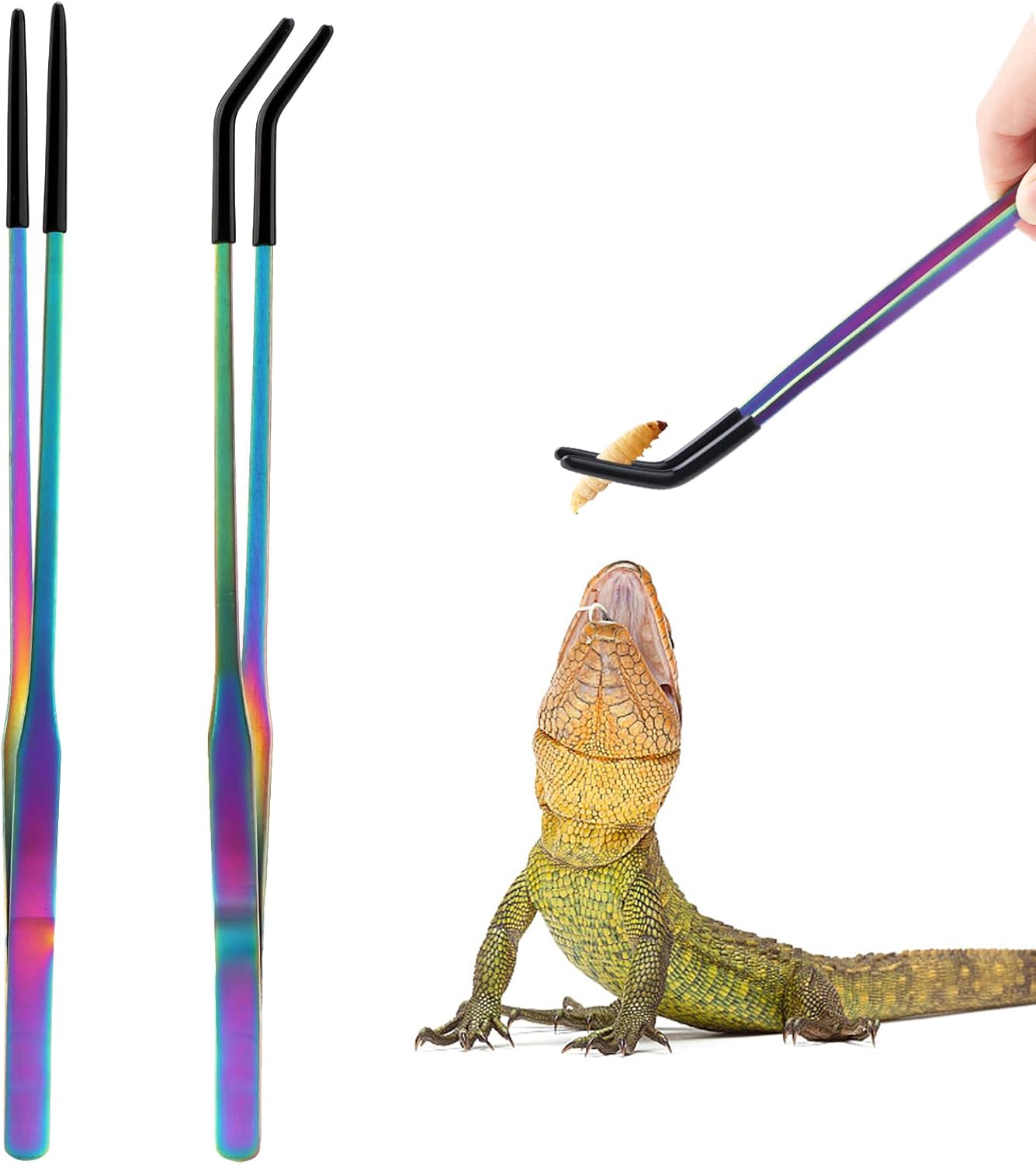
- Movement: For insectivores, use feeding tweezers to simulate live movement
- Consistency: Maintain regular feeding schedule throughout transition
- Patience: Some reptiles take weeks to accept new foods, especially older individuals
- Health monitoring: Weigh weekly and record observations
Common Mistakes to Avoid
Even experienced reptile keepers can make errors when preparing homemade food. Awareness of these common mistakes can prevent health issues:
Improper Calcium Ratios
Calcium deficiency leads to metabolic bone disease. Ensure proper Calcium:Phosphorus ratio (usually 2:1 or higher). Supplement as needed based on diet composition.
Over-Supplementation
Excess vitamins, especially fat-soluble ones (A, D, E, K), can cause toxicity. Follow supplement schedules carefully and adjust based on diet composition.
Monotonous Diet
Feeding the same few foods repeatedly can cause nutritional imbalances. Rotate through 10-15 different appropriate foods for variety.
Ignoring Life Stage Needs
Juveniles, adults, and seniors have different nutritional requirements. Adjust protein levels, portion sizes, and supplementation accordingly.

Food Preparation and Storage Guide
Proper food preparation and storage maintains nutritional quality and prevents contamination. Follow these guidelines for optimal safety and freshness:
| Food Type | Preparation Method | Storage | Shelf Life |
|---|---|---|---|
| Fresh Vegetables | Wash thoroughly, chop to size, blanch if desired | Airtight container, refrigerator | 3-5 days |
| Live Insects | Gut-load 24-48 hours before feeding | Proper insect housing with ventilation | Varies by species |
| Frozen Protein | Thaw in refrigerator overnight | Freezer until use, refrigerate after thawing | 3-6 months frozen, 24 hours thawed |
| Pre-Mixed Salads | Combine ingredients, add supplements just before serving | Airtight container, refrigerator, paper towel to absorb moisture | 2-3 days |
| Supplement Mixtures | Measure precisely, mix supplements separately from food | Cool, dry place in original containers | Check expiration dates |
Batch Preparation Tips
For multiple reptiles or busy schedules, consider batch preparation:
- Weekly vegetable mixes: Prepare base vegetable mix, add supplements daily
- Frozen insect packs: Portion insects into weekly serving packs, freeze
- Supplement schedule: Create calendar for which supplements on which days
- Label everything: Date all prepared foods, use oldest first
- Quality check: Always inspect food before feeding, discard if questionable
Cost Analysis: Homemade vs Commercial
Is homemade reptile food more economical? Let's analyze the costs for a common scenario: feeding one adult bearded dragon.
Commercial Diet Cost
Premium pellets: $25/month
Fresh supplements: $15/month
Treat insects: $10/month
Total: $50/month
Homemade Diet Cost
Fresh vegetables: $20/month
Staple insects: $15/month
Supplements: $5/month
Total: $40/month
Non-Monetary Benefits
Freshness control
Ingredient transparency
Customization options
Reduced preservatives
Potential health improvements
Time Investment
Preparation: 30-60 mins weekly
Research: Initial 5-10 hours
Shopping: Weekly trip
Record keeping: 15 mins weekly
Total time: Significant but valuable
Your 4-Week Homemade Transition Plan
- Research your reptile's specific nutritional needs
- Consult with reptile veterinarian
- Create list of safe, appropriate foods
- Inventory current supplies
- Purchase necessary supplements
- Purchase small quantities of new foods
- Test individual ingredients for acceptance
- Practice proper food preparation techniques
- Begin keeping feeding records
- Establish gut-loading routine for insects
- Combine successful ingredients into recipes
- Test complete homemade meals
- Adjust recipes based on acceptance
- Establish proper storage methods
- Monitor health indicators closely
- Transition to majority homemade diet
- Establish weekly preparation routine
- Create batch preparation system
- Evaluate cost savings
- Schedule follow-up veterinary check
Additional Resources
Final Thoughts on Homemade Reptile Food
Homemade reptile food represents a significant commitment to your pet's health and wellbeing. While it requires more time, research, and effort than commercial diets, the benefits can be substantial when done correctly. The key to success lies in education, planning, and consistency.
Remember that balance is everything in reptile nutrition. A beautiful salad or varied insect mix means nothing if it lacks essential nutrients or contains harmful ratios. Start slowly, monitor closely, and don't hesitate to seek professional guidance. For more comprehensive information, explore our complete reptile nutrition guide.
Your reptile depends entirely on you for proper nutrition. By investing time in learning and preparing homemade meals, you're providing the foundation for a long, healthy life. That is the true value of understanding and implementing proper homemade reptile nutrition.