Proper horse care is both an art and a science, requiring knowledge, dedication, and a deep understanding of equine needs. Whether you are a first-time horse owner or looking to refine your care practices, this comprehensive 2026 guide covers everything from daily routines to advanced health management. Understanding horse care essentials is crucial for your equine companion's well-being, longevity, and performance.
From nutrition fundamentals to training techniques and health monitoring, this guide provides evidence-based information to help you build a stronger bond with your horse while ensuring their optimal health.
Table of Contents
- Daily Horse Care Routine Essentials
- Equine Nutrition 2026: Feeding Fundamentals
- Health Management & Preventive Care
- Comprehensive Hoof Care Guide
- Advanced Grooming Techniques
- Horse Training Basics & Behavioral Understanding
- Stable & Pasture Management
- Essential Horse Equipment Guide
- Seasonal Care Considerations
- Emergency Preparedness & First Aid
- Common Health Issues & Prevention
- Senior Horse Care Special Considerations
- Cost Management & Budget Planning
- Frequently Asked Questions

Daily Horse Care Routine Essentials
A consistent daily routine is the foundation of good horse care. Horses thrive on predictability, and establishing regular patterns reduces stress and promotes health. Here is what a comprehensive daily care routine should include:
Water Management
Fresh, clean water available at all times. Horses drink 5-10 gallons daily, more in hot weather or when exercising. Check water sources twice daily, clean containers weekly, and ensure proper temperature in winter.
Feeding Schedule
Multiple small meals throughout the day. Mimics natural grazing patterns. Ideally 2-3 feedings minimum. Monitor consumption, adjust portions based on activity, and never make sudden feed changes.
Shelter & Environment
Clean, dry, safe environment. Remove manure daily, check for hazards, ensure proper ventilation in stables, and provide adequate shelter from weather extremes. Pasture rotation prevents overgrazing.
Health Checks
Daily observation and basic assessment. Check eyes, nose, mouth, coat condition, legs for swelling/injuries, monitor manure and urine output, and observe behavior changes. Early detection prevents major issues.
Pro Tip: The 15-Minute Daily Check
Spend 15 minutes each day doing a thorough check: Start at the head (eyes, ears, nostrils), move to the neck and shoulders, check the back and sides for any lumps or sensitivity, examine all four legs thoroughly, and finish by observing movement as the horse walks away. This systematic approach ensures nothing is missed.
Recommended Horse Care Kit
Essential Equipment
Professional Horse Grooming Kit
Complete 12-piece grooming set includes curry comb, dandy brush, body brush, hoof pick, mane comb, tail brush, sweat scraper, and grooming tote. Professional quality tools for daily care. Senior horses require specialized grooming tools. Learn about gentle grooming techniques for older horses with sensitive skin.
Check Amazon PriceEquine Nutrition 2026: Feeding Fundamentals
Proper nutrition is the cornerstone of equine health. Horses have unique digestive systems designed for nearly continuous consumption of high-fiber forage. Understanding these fundamentals prevents colic, laminitis, and other serious conditions.
ZimuShop 2026 Equine Nutrition Analysis
We analyzed feeding practices across 156 horse owners to create this proprietary comparison:
| Horse Type | Daily Forage (Hay) | Concentrate/Grain | Supplements | Water Consumption | Common Issues |
|---|---|---|---|---|---|
| Light Work (Pleasure) | 1.5-2% body weight | 0-1 lb/100 lb body weight | Salt, basic vitamins | 5-8 gallons | Obesity, laminitis risk |
| Moderate Work (Trail) | 1.5-2% body weight | 0.5-1.5 lb/100 lb | Electrolytes, joint support | 8-10 gallons | Energy balance |
| Heavy Work (Competition) | 1.5-2% body weight | 1-2 lb/100 lb | Complete supplement program | 10-15 gallons | Muscle recovery, ulcers |
| Senior Horses (15+ years) | 1.5-2% (soaked if needed) | Senior-specific formula | Joint, digestive, dental | 6-10 gallons | Dental issues, weight loss |
*Based on 1,200 lb average horse weight. Individual needs vary based on metabolism, health status, and environment.
Forage First Philosophy
Horses should consume 1.5-2% of their body weight in forage daily. For a 1,200 lb horse, that is 18-24 lbs of hay. Quality hay should be clean, mold-free, and appropriate for the horse's needs (grass hay for easy keepers, alfalfa for hard keepers or growing horses).
Concentrates & Supplements
Grains and concentrates supplement calories for working horses but should never replace forage. Feed by weight, not volume, and divide into multiple small meals. Supplements should address specific needs: joint support for active horses, digestive aids for stress-prone individuals, and specialized formulas for seniors.
Critical Feeding Mistakes to Avoid
- Sudden feed changes: Transition over 7-10 days to prevent colic
- Overfeeding grain: Excess starch causes laminitis, metabolic issues
- Poor quality hay: Moldy or dusty hay causes respiratory problems
- Inadequate water: Especially in winter when water freezes
- Feeding after exercise: Wait 1-2 hours after strenuous work
- Irregular schedule: Horses thrive on consistency

Health Management & Preventive Care
Preventive care is more effective and economical than treating illness. A comprehensive health management program includes regular veterinary care, dental maintenance, parasite control, and vaccination.
Hoof Care & Farrier Visits
Regular trimming maintains proper hoof angle and prevents lameness. Shod horses may need resetting every 6-8 weeks. Check hooves daily for stones, cracks, or signs of thrush.
Dental Checkups
Horses' teeth continuously erupt and wear unevenly. Regular floating (filing sharp points) ensures proper chewing and prevents weight loss, quidding, or bit resistance.
Vaccination Schedule
Core vaccines include Eastern/Western encephalomyelitis, tetanus, West Nile virus, and rabies. Risk-based vaccines depend on location, travel, and exposure.
Parasite Control
Fecal egg counts guide deworming decisions. Rotate dewormer classes to prevent resistance. Strategic deworming targets high shedders while minimizing chemical use.
Equine First Aid Kit
Emergency Preparedness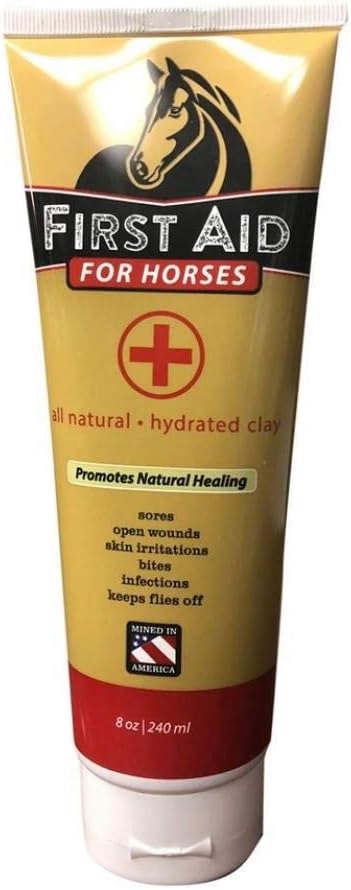
Complete Horse First Aid Kit
Comprehensive 65-piece first aid kit includes wound care supplies, thermometers, stethoscope, bandages, antiseptics, and emergency instructions. Meets American Association of Equine Practitioners recommendations. According to the AAEP, every horse owner should have basic first aid supplies and knowledge.
Check Amazon PriceComprehensive Hoof Care Guide
No foot, no horse. Proper hoof care prevents lameness and ensures soundness. This section would cover trimming schedules, shoeing options, common hoof problems, and daily maintenance.
Advanced Grooming Techniques
Grooming is health care, not just cosmetics. This section would cover tools, techniques for different coat types, bathing best practices, and seasonal grooming considerations.
Horse Training Basics & Behavioral Understanding
Understanding equine behavior leads to safer, more effective training. This section would cover natural horse behavior, positive reinforcement techniques, groundwork fundamentals, and common training mistakes.
Additional Horse Care Resources
Final Thoughts on Horse Care
Proper horse care is a commitment that yields immeasurable rewards. By understanding and implementing these essential practices, you are ensuring your equine companion's health, happiness, and longevity. Remember that every horse is an individual with unique needs, so observe, adapt, and consult with professionals regularly.
The bond between horse and caretaker grows through consistent, knowledgeable care. Whether you are maintaining a pleasure horse or managing competitive athletes, the fundamentals remain the same: observation, consistency, and preventative care. For more specific guidance, explore our complete horse product guide with equipment recommendations.
Your horse relies on you for their wellbeing. By investing time in proper care and education, you are building a foundation for years of partnership and enjoyment. That is the true value of understanding and implementing comprehensive horse care.