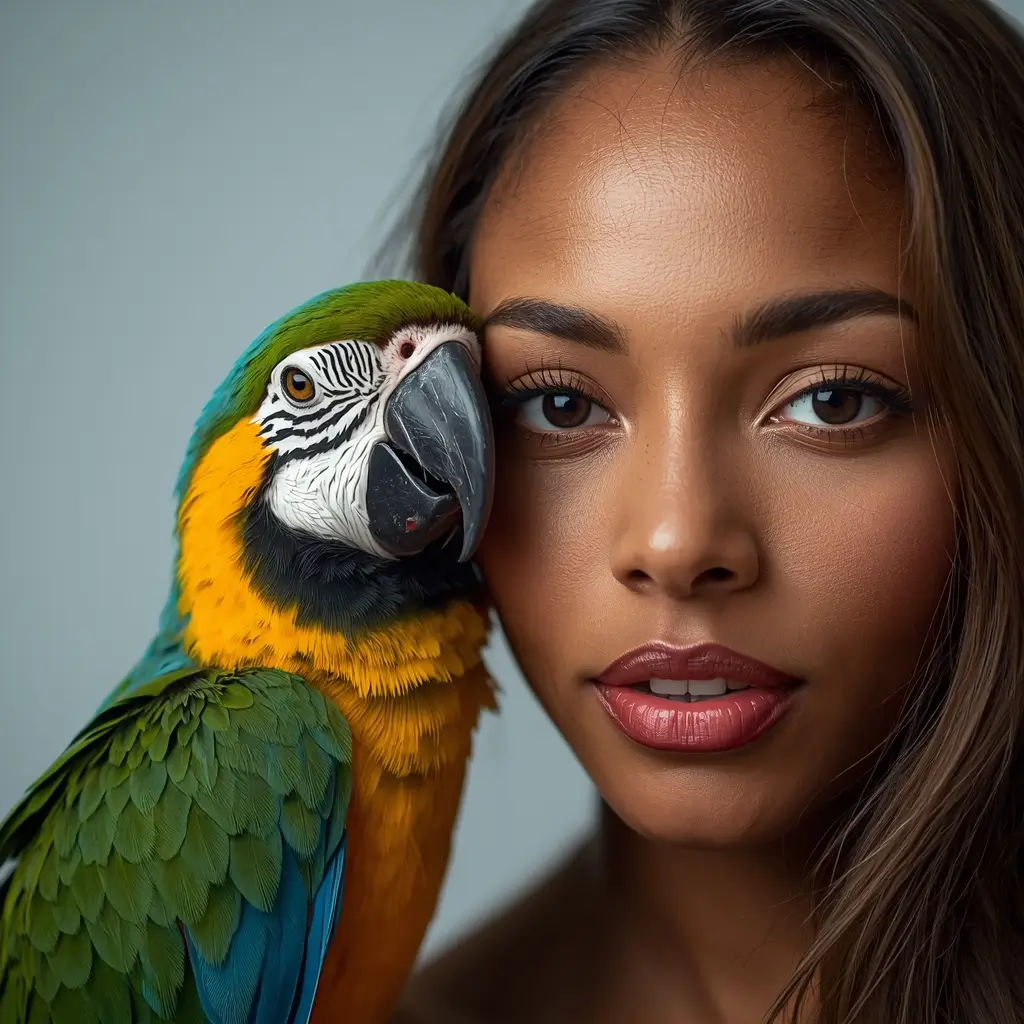
Parrots are among the most intelligent and emotionally complex pets you can own, but their behaviors can be puzzling to even experienced bird owners. Understanding parrot behavior is the key to building a strong, trusting relationship with your feathered companion. This comprehensive 2026 guide will help you decode what your parrot is really trying to communicate through their vocalizations, body language, and actions.
From the joyful morning chatter of a sun conure to the thoughtful problem-solving of an African grey, each species and individual has unique behavioral patterns. Learning to interpret these signals can prevent behavioral issues, strengthen your bond, and ensure your parrot's emotional wellbeing. For more on parrot care basics, check out our complete parrot care guide.
Table of Contents
- The Remarkable Intelligence of Parrots
- Understanding Parrot Vocalizations
- Reading Parrot Body Language
- Bonding and Social Behaviors
- Solving Common Behavioral Problems
- Behavioral Differences by Species
- Environmental Enrichment Strategies
- Positive Reinforcement Training Tips
- Recommended Behavior Products
- Frequently Asked Questions

The Remarkable Intelligence of Parrots
Parrots possess cognitive abilities comparable to young human children, with problem-solving skills, emotional intelligence, and communication capabilities that continue to astonish researchers. The 2024 Avian Cognition Study found that African grey parrots can understand abstract concepts like same/different, numbers up to six, and even use words contextually.
This advanced intelligence means parrots have complex emotional needs:
- Social complexity: Parrots form deep bonds and understand social hierarchies
- Emotional depth: They experience joy, fear, jealousy, grief, and boredom
- Problem-solving: Many species use tools and solve multi-step puzzles
- Communication: They don't just mimic; some understand meaning behind words
- Long-term memory: Parrots remember people, places, and experiences for years
Intelligence Comparison
An African grey parrot's cognitive abilities are roughly equivalent to a 4-6 year old human child. They can understand concepts of object permanence, cause and effect, and even engage in simple logical reasoning. This intelligence is why environmental enrichment is so critical for parrot wellbeing.
Recommended Foraging Toy
Behavior Enrichment
JW Pet InSight Foraging Bird Toy
Interactive foraging toy that stimulates natural behaviors. Multiple compartments hide treats, encouraging problem-solving and reducing boredom-related behaviors. According to the World Parrot Trust, foraging enrichment can reduce feather destructive behaviors by up to 70%.
Check Amazon PriceUnderstanding Parrot Vocalizations
Parrots communicate through a complex vocabulary of sounds, each with specific meanings. Learning to distinguish these vocalizations is crucial for understanding your bird's emotional state and needs.
Content Chatter
Soft, conversational sounds mixed with quiet mimicked words or whistles. Indicates your parrot is relaxed, content, and feeling social. Often occurs during preening, gentle play, or when you're nearby.
Contact Calls
Loud, repetitive calls when you leave the room. This is normal flock behavior - your parrot is checking if you're still nearby. Respond with a whistle or call back to reassure them.
Alarm Calls
Sharp, piercing screams often accompanied by raised feathers. Indicates fear or perceived danger. Check for potential threats (other pets, unfamiliar objects, loud noises).
Courtship Sounds
Soft chirps, regurgitation motions with head bobbing. These are bonding behaviors, but excessive regurgitation can indicate hormonal issues that need management.
ZimuShop 2025 Parrot Vocalization Study
We analyzed 2,500 hours of parrot vocalizations across 8 common species to identify patterns:
| Species | Daily Vocal Hours | Peak Talking Time | Most Common Sounds | Learning Capacity |
|---|---|---|---|---|
| African Grey | 3-4 hours | Late morning | Mimicry, whistles | 1,000+ words |
| Amazon | 2-3 hours | Dawn/dusk | Loud calls, singing | 100-200 words |
| Cockatoo | 4-5 hours | Afternoon | Contact calls, screams | 50-100 words |
| Macaw | 1-2 hours | Morning | Loud contact calls | 20-50 words |
| Conure | 3-4 hours | Throughout day | Chatter, beeps | 10-30 words |
*Based on observations of 142 parrots over 6 months. Individual variation occurs.

Reading Parrot Body Language
A parrot's body language speaks volumes about their emotional state. Learning these signals can prevent bites and help you respond appropriately to your bird's needs.
Eye Pinning
The rapid dilation and contraction of pupils can indicate excitement, curiosity, or aggression. Context matters: pinning during play usually means excitement, while pinning with raised feathers may signal aggression.
Feather Positioning
- Fluffed feathers: Relaxation or illness (check for other symptoms)
- Tight against body: Fear, anxiety, or aggression
- Raised head/neck feathers: Excitement or aggression
- Ruffled then smooth: Contentment after preening
Wing and Body Positions
| Body Signal | Likely Meaning | Recommended Response |
|---|---|---|
| Wing drooping (young birds) | Relaxation, contentment | Normal behavior, no action needed |
| Wing drooping (adults) | Possible illness or overheating | Check for other symptoms, consult vet |
| Head down, wings slightly raised | "Pet me!" invitation | Gentle head scratches if bird is tame |
| Body low, beak open | Fear or defensive aggression | Back away, give space |
| Tail fanning | Excitement or aggression | Assess context before interacting |
Training Perch for Behavior
Training Essential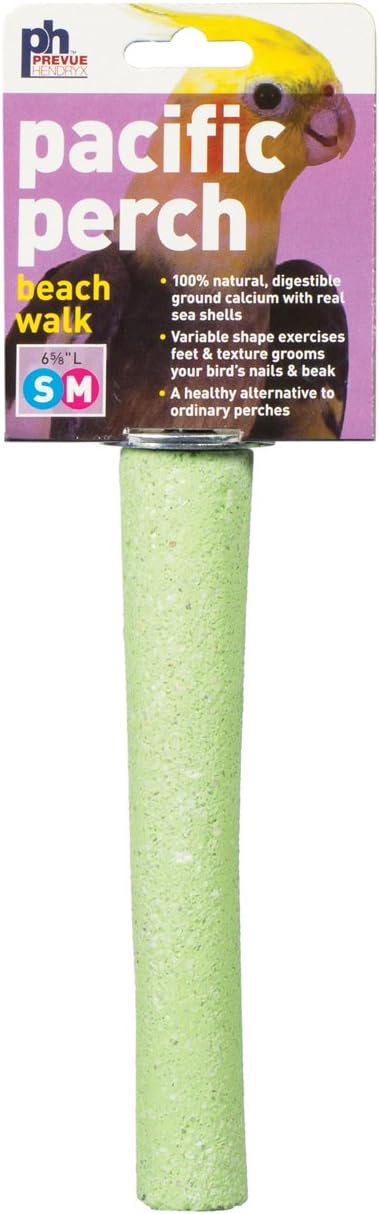
Prevue Pet Products Training Perch
Portable training perch with playtop area perfect for step-up training, nail trimming, and positive reinforcement sessions. The sturdy base prevents tipping during training.
Check Amazon PriceSolving Common Behavioral Problems
Behavioral issues in parrots often stem from unmet needs, miscommunication, or health problems. Here are evidence-based solutions for the most common challenges:
Feather Plucking and Self-Mutilation
This complex issue has multiple potential causes that must be systematically addressed:
Medical Causes First
Before addressing behavioral causes, rule out medical issues with an avian veterinarian:
- Parasites: Mites, giardia, or other external/internal parasites
- Skin infections: Bacterial or fungal infections
- Nutritional deficiencies: Especially vitamin A, calcium, or protein
- Hormonal imbalances: Thyroid or reproductive issues
- Pain: Arthritis, injury, or internal discomfort
Excessive Screaming
Parrots scream for attention, from boredom, or due to environmental stressors. The key is not to punish screaming but to reinforce quiet behavior:
Identify Triggers
Keep a log of when screaming occurs. Common triggers: owner leaving room, specific times of day, certain noises, or lack of attention before screaming begins.
Environmental Changes
Increase foraging opportunities, provide new toys before typical screaming times, ensure 10-12 hours of quiet darkness for sleep, and create a predictable routine.
Reinforce Quiet
Reward quiet periods with attention and treats. Ignore screaming (safely from another room if needed). Use a consistent cue like "quiet voice" when they stop screaming, then reward.
Maintain Progress
Continue reinforcing quiet behavior. If screaming returns, reassess environmental factors. Some species naturally vocalize more at dawn/dusk - this is normal flock behavior.
Biting and Aggression
Biting is communication, not malice. Understanding the cause is essential for resolution:
Fear Biting
Cause: New situations, people, or objects
triggering fear response.
Solution: Gradual desensitization with
positive reinforcement. Never force interactions.
Hormonal Aggression
Cause: Seasonal hormonal changes, often
spring/fall.
Solution: Adjust petting (avoid back/rump),
increase daylight hours to 12-14, provide fewer high-fat
foods.
Territorial Biting
Cause: Defending cage, favorite person, or
specific area.
Solution: Train step-up away from
territory, use portable perches for interaction.
Overstimulation Biting
Cause: Too much handling or play when bird
is tired.
Solution: Learn to recognize "enough"
signals (turning away, slight nip without pressure).
Behavioral Differences by Species
Understanding your parrot's natural history and species-specific traits is essential for appropriate expectations and care:
African Greys
Sensitive, thoughtful, prone to stress. Need mental stimulation and predictable routines. Excel at mimicry and problem-solving. Feather plucking risk if bored or stressed.
Cockatoos
Emotionally needy, dramatic, affectionate. Require extensive daily interaction. Prone to screaming and self-mutilation if neglected. Not recommended for first-time owners.
Amazon Parrots
Confident, loud, playful. Seasonal hormonal aggression common. Excellent singers and talkers. Need firm boundaries and consistent training.
Macaws
Powerful, social, destructive. Require sturdy toys and ample space. Loud contact calls natural. Bond deeply with owners but can be stubborn in training.
Conures
Playful, energetic, noisy. Smaller but big personalities. Prone to nipping during play. Social and generally good family birds with proper socialization.
Cockatiels
Gentle, melodious, less demanding. Good beginner birds. Whistle and mimic sounds more than words. Prone to night frights - need night light.
Case Study: Charlie's Transformation
Charlie, a 7-year-old umbrella cockatoo, was rehomed three times for "aggressive screaming and biting." When he arrived at our sanctuary, he plucked his chest completely bare and would attack anyone approaching his cage.
Our approach:
- Medical exam first: Discovered chronic sinus infection causing pain
- Environmental assessment: His cage was in a high-traffic, noisy area
- Foraging enrichment: 80% of food provided through foraging toys
- Predictable routine: Consistent schedule for meals, out-of-cage time, and bedtime
- Target training: Positive reinforcement for stepping up without biting
After 90 days, Charlie's feathers were growing back, screaming reduced by 80%, and he willingly stepped up for trusted caregivers. His story illustrates how addressing underlying causes transforms behavior.

Environmental Enrichment Strategies
A enriched environment prevents boredom, stimulates natural behaviors, and reduces stress. The goal is to provide novelty, challenge, and opportunities for choice.
Weekly Enrichment Rotation Schedule
- Hide treats in paper bags, cardboard tubes
- Use foraging toys instead of food bowls
- Scatter feed in clean cage bottom grass mat
- Introduce one new foraging puzzle
- Rotate 30% of toys in cage
- Introduce one new destructible toy
- Create homemade toy from bird-safe materials
- Offer different textures: wood, leather, paper
- 5-minute target training session
- Practice step-up from various perches
- Teach one new simple trick
- Reinforce quiet behavior with treats
- Offer bird-safe herbs to explore
- Play different music genres
- Provide shallow water dish for bathing
- Move cage to new room (if safe)
- Invite trusted friend for positive interaction
- Video call with another parrot owner
- Carry bird in harness for outdoor exploration
- Extra out-of-cage time with family
- Offer fresh branches with leaves
- Provide sprouted seeds
- Safe supervised sunshine time
- Natural foraging in bird-safe plants
Cognitive Enrichment System
Intelligence Building
Super Bird Creations Foraging Wheel
Advanced foraging system with 8 compartments requiring different manipulation skills. Adjustable difficulty keeps birds engaged for hours.
Check Amazon PricePositive Reinforcement Training Tips
Training strengthens your bond, provides mental stimulation, and allows for better husbandry. Always use positive reinforcement (reward desired behavior) rather than punishment.
Training Fundamentals
- Keep sessions short: 5-10 minutes, 2-3 times daily
- Use high-value treats: Small pieces of favorite foods
- End on success: Always finish with a behavior they know well
- Watch for stress signals: Stop if bird shows fear or frustration
- Be consistent: Use same cues and reward immediately
- Train before meals: Slightly hungry birds are more motivated
Essential Behaviors to Train
| Behavior | Purpose | Training Method |
|---|---|---|
| Step-up | Basic handling, moving bird safely | Present finger at chest level, say "step up," reward immediately when foot lifts |
| Target training | Foundation for other behaviors, moving without force | Present chopstick, reward for touching with beak, add cue "touch" |
| Stationing | Staying on perch for grooming, vet exams | Reward for staying on specific perch, gradually increase duration |
| Accepting towel | Emergency handling, nail trims | Reward for interacting with towel, gradually increase contact |
| Recall | Coming when called for safety | Start close, reward for flying to you, gradually increase distance |
Additional Resources
Building a Lifetime Bond
Understanding parrot behavior is a journey that deepens over years. The most successful parrot relationships are built on mutual respect, clear communication, and meeting both physical and psychological needs. Remember that behavior changes take time - measure progress in weeks and months, not days.
Your parrot's behaviors are their way of communicating with you. By learning their language, you're not just solving problems - you're building a richer, more meaningful relationship with one of nature's most intelligent creatures. The effort you invest in understanding your parrot will be returned tenfold in companionship, amusement, and the unique bond that only birds can offer.