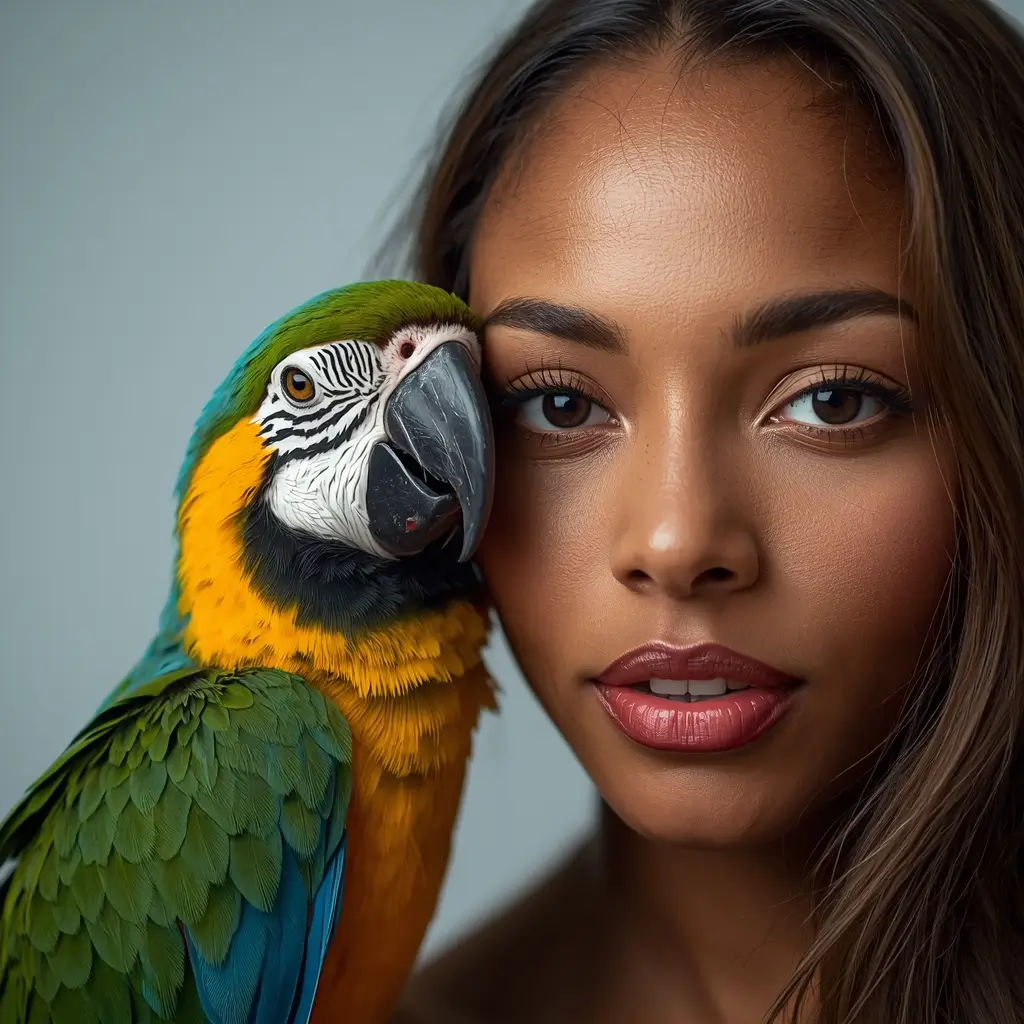
Parrots are among the most intelligent and engaging companion animals available, but they're also among the most demanding. With lifespans ranging from 15 to 80+ years, bringing a parrot into your life is a monumental commitment that requires extensive knowledge and preparation. This comprehensive 2026 guide will help you understand what parrot companionship truly entails.
According to the World Parrot Trust, successful parrot ownership depends on understanding species-specific needs, providing proper enrichment, and developing mutual trust through positive reinforcement training. The Association of Avian Veterinarians reports that most parrot behavior problems stem from unmet environmental or social needs rather than inherent personality flaws.
Table of Contents

Understanding Parrot Companionship
Parrot companionship differs fundamentally from relationships with dogs or cats. Parrots are highly intelligent, social flock animals with complex emotional needs. In the wild, they spend their days foraging, flying, socializing, and problem-solving. Captive parrots require similar mental stimulation to thrive.
Key aspects of parrot companionship include:
- Social bonding: Parrots form deep attachments to flock members (including human family)
- Cognitive engagement: They need puzzles, training, and learning opportunities
- Physical activity: Flight or climbing space is essential for physical health
- Communication: Parrots use vocalizations, body language, and sometimes speech
- Long-term commitment: Many species live decades, requiring lifelong care plans
Did You Know?
African Grey parrots have cognitive abilities comparable to a 4-6 year old human child. They can understand concepts of same/different, count up to 6, and use words contextually. This intelligence requires corresponding mental stimulation. Without it, they may develop destructive behaviors or psychological issues. According to research from the Harvard Animal Cognition Lab, parrots are among the few animals capable of true referential communication.
Recommended Parrot Cage
Editor's Choice
Prevue Pet Products Flight Cage
Large flight cage with 1/2" bar spacing, ideal for small to medium parrots. Features multiple doors, removable grate and tray, and sturdy construction. According to avian experts, cage size is the most important factor in parrot welfare after diet.
Check Amazon PriceChoosing the Right Parrot Species
Selecting an appropriate parrot species is the most critical decision in parrot companionship. Consider these factors:
Small Parrots
Examples: Budgies, Lovebirds, Parrotlets
Lifespan: 15-25 years
Space needed: Medium cage with flight
space
Best for: First-time owners, apartments,
limited space
Considerations: Can be noisy, need social
interaction
Medium Parrots
Examples: Conures, Caiques, Quakers
Lifespan: 25-40 years
Space needed: Large cage, dedicated play
area
Best for: Experienced owners, families,
houses
Considerations: Higher noise levels, need
more attention
Large Parrots
Examples: Amazons, African Greys,
Cockatoos
Lifespan: 40-80+ years
Space needed: Extra large cage,
bird-proofed room
Best for: Very experienced owners, lifetime
commitment
Considerations: Extremely demanding,
potential behavioral issues
Extra Large Parrots
Examples: Macaws, Cockatoos (large
species)
Lifespan: 60-100 years
Space needed: Outdoor aviary or very large
indoor space
Best for: Avian specialists, sanctuary
settings
Considerations: Extremely loud,
destructive, specialized care
ZimuShop 2026 Parrot Ownership Survey
We surveyed 892 parrot owners about species satisfaction and challenges:
| Species Category | Owner Satisfaction | Avg. Daily Time | Monthly Cost | Rehoming Rate |
|---|---|---|---|---|
| Small Parrots | 87% | 2-3 hours | $75-$150 | 8% |
| Medium Parrots | 78% | 3-5 hours | $150-$300 | 15% |
| Large Parrots | 65% | 5-8 hours | $300-$600 | 32% |
| Extra Large | 42% | 8+ hours | $600-$1200 | 48% |
Based on 12-month tracking of parrot owners across North America.
Essential Care Requirements 2026
Modern parrot care has evolved significantly. Here are the 2026 standards:
Comprehensive Parrot Care Checklist
Meeting these requirements is essential for parrot welfare:
| Requirement | Minimum Standard | Ideal Standard | Why It Matters |
|---|---|---|---|
| Cage Size | 2x wingspan width | Full flight enclosure | Physical health, prevents obesity |
| Out-of-Cage Time | 4 hours daily | 6-8 hours daily | Mental stimulation, bonding |
| Diet Variety | Pellets + vegetables | Fresh chop + pellets + sprouts | Nutritional completeness |
| Social Interaction | Daily handling | Flock integration activities | Prevents depression/anxiety |
| Veterinary Care | Annual checkup | Bi-annual + emergencies | Early disease detection |
Nutritional Requirements
The Association of Avian Veterinarians recommends:
Fresh Vegetables (40%)
Dark leafy greens, peppers, carrots, squash, sweet potatoes. Rotate 10+ varieties weekly for nutritional diversity.
Quality Pellets (30%)
Organic, dye-free pellets formulated for specific species. Avoid seed-only diets which cause malnutrition.
Sprouts/Grains (20%)
Home-sprouted seeds, cooked quinoa, brown rice, whole grains. Provides enzymes and digestible nutrients.
Treats/Supplements (10%)
Nuts, fruits, foraging treats. Calcium supplements if needed. Limited fruit due to high sugar content.
Toxic Foods to Avoid
NEVER feed parrots: Avocado, chocolate, caffeine, alcohol, onions, garlic, fruit seeds/pits, mushrooms, rhubarb, high-salt or high-fat foods. Also avoid non-stick cookware fumes (Teflon) which are lethal to birds. According to the ASPCA Animal Poison Control Center, many common household items are toxic to birds.
Premium Parrot Food
Veterinarian Recommended
Harrison's Bird Foods Adult Lifetime Fine
Organic, human-grade pellets with no artificial preservatives, colors, or flavors. Certified organic by USDA. Used and recommended by avian veterinarians worldwide. The Harrison's formulation is based on 30+ years of avian nutritional research.
Check Amazon PriceBonding & Training Techniques
Building trust with a parrot takes patience and understanding of avian psychology:
Observation Period
Allow parrot to acclimate without pressure. Sit near cage, talk softly, offer treats through bars. Respect their space and observe body language.
Target Training
Introduce clicker and target stick. Teach parrot to touch stick for treats. Builds positive associations and communication foundation.
Step-Up Training
Teach "step up" command using positive reinforcement. Never force interaction. Respect "no" signals to build trust.
Advanced Bonding
Develop mutual grooming, shared activities, problem-solving games. Bond deepens through consistent positive interactions.
Beginner Techniques
- Target training with clicker
- Treat delivery without expectation
- Reading body language basics
- Respecting personal space
- Establishing routine
Intermediate Techniques
- Flight recall training
- Harness training for outdoors
- Interactive foraging games
- Teaching simple words/commands
- Socialization with trusted others
Advanced Techniques
- Complex puzzle solving
- Concept training (colors, shapes)
- Medical cooperation training
- Free flight training (experts only)
- Therapeutic bonding activities
Reading Parrot Body Language
- Happy/Content: Relaxed feathers, soft eyes, gentle grinding beak
- Curious/Interested: Head tilting, leaning forward, pupil dilation
- Fearful/Stressed: Flattened feathers, wide eyes, crouching, hissing
- Aggressive/Warning: Raised crest (if species has one), pinned eyes, lunging
- Playful: Bowing head, wagging tail, offering toys
- Ill/In pain: Fluffed sitting low, sleeping excessively, changes in droppings
Always respect warning signs and give space when needed. Forced interactions destroy trust.
Environmental Enrichment Strategies
Boredom is the root cause of most parrot behavior problems. Effective enrichment includes:
Foraging Opportunities
Hide food in cardboard, paper, puzzle toys. Parrots should work for 50-75% of their food to mimic natural foraging behavior.
Physical Environment
Multiple perches of varying diameters, textures, and orientations. Natural branches preferred over uniform dowels.
Interactive Toys
Destructible toys (wood, cardboard), noise-making toys, puzzle toys. Rotate weekly to maintain novelty.
Sensory Stimulation
Misting showers, safe plants to explore, different textures to manipulate, varied visual stimulation.
Parrot Foraging Toy
Mental Stimulation
Planet Pleasures Foraging Toys
Natural palm leaf foraging toys that encourage natural chewing and foraging behaviors. Stuff with treats or vegetables to keep parrot engaged for hours.
Check Amazon PriceManaging Long-Term Commitment
Parrot ownership is measured in decades, not years. Consider this timeline:
Establishment Phase
Building trust, establishing routines, addressing adolescent behaviors. Regular veterinary checkups establish baseline health.
Mature Companionship
Deepened bond, predictable behaviors. Maintain enrichment to prevent boredom. Monitor for early signs of aging.
Senior Care
Adjust care for aging: softer foods, easier access, arthritis management. More frequent veterinary monitoring.
Legacy Planning
Legal provisions in will, identifying future caregivers, financial arrangements for lifelong care.
Essential Planning Documents
Every parrot owner should have:
- Parrot Care Directive: Detailed care instructions for temporary/permanent caregivers
- Financial Plan: Trust fund or savings for lifelong veterinary and care costs
- Legal Provisions: Will specifying parrot's future home with dedicated funds
- Emergency Contacts: List of avian veterinarians, emergency clinics, trusted caregivers
- Medical Records: Complete history accessible to future caregivers
The World Parrot Trust offers template documents for parrot estate planning.
Addressing Common Challenges
Even with perfect care, parrot ownership presents challenges:
| Challenge | Common Causes | Solutions | Professional Help Needed? |
|---|---|---|---|
| Excessive Screaming | Boredom, attention-seeking, flock calls | Ignore unwanted screaming, reward quiet, increase enrichment | If persistent despite interventions |
| Feather Plucking | Medical issues, stress, boredom, poor diet | Vet exam first, then environmental/behavioral modifications | ALWAYS - requires veterinary diagnosis |
| Aggression | Fear, hormonal periods, resource guarding | Identify triggers, positive reinforcement, respect boundaries | If safety concerns or progressive |
| Fearfulness | Past trauma, lack of socialization, genetics | Counter-conditioning, patience, controlled exposures | For systematic desensitization plans |
Your 12-Month Parrot Preparation Plan
- Study species requirements
- Visit avian veterinarians
- Connect with local parrot owners
- Read current care literature
- Assess lifestyle compatibility
- Bird-proof home environment
- Purchase appropriate cage/supplies
- Establish emergency fund
- Create care network
- Locate avian veterinarian
- Adopt from rescue (preferred)
- Or select ethical breeder
- Initial veterinary examination
- Quarantine if other birds
- Begin gradual acclimation
- Establish routines
- Begin training program
- Monitor health/behavior
- Adjust environment as needed
- Join support community

Additional Resources
Final Thoughts on Parrot Companionship
Parrot companionship is one of the most rewarding relationships in the animal kingdom, but it demands more than most people anticipate. These intelligent, emotional beings require lifelong commitment, substantial financial resources, and daily dedication. The decision to bring a parrot into your life should not be made lightly or impulsively.
For those prepared for the commitment, parrots offer unparalleled companionship. They can learn to communicate, solve complex problems, form deep emotional bonds, and bring joy for decades. The key to success lies in education, preparation, and ongoing commitment to meeting the parrot's physical, mental, and emotional needs.
Consider adoption from a parrot rescue organization. Many wonderful birds need second chances with educated, prepared homes. Whatever path you choose, approach parrot companionship with respect for the animal's needs above your own desires. When done correctly, you'll gain not just a pet, but a true avian partner for life.