
Featured Recipe
How to Make Homemade Dog Food for Large Dogs
A protein‑rich, joint‑supporting recipe designed for big breeds. Perfect for maintaining lean muscle and healthy joints in large dogs.
Discover 30+ vet-approved homemade pet food recipes for dogs, cats, and other pets. Create balanced, nutritious meals with our comprehensive guides.
Explore Featured Recipe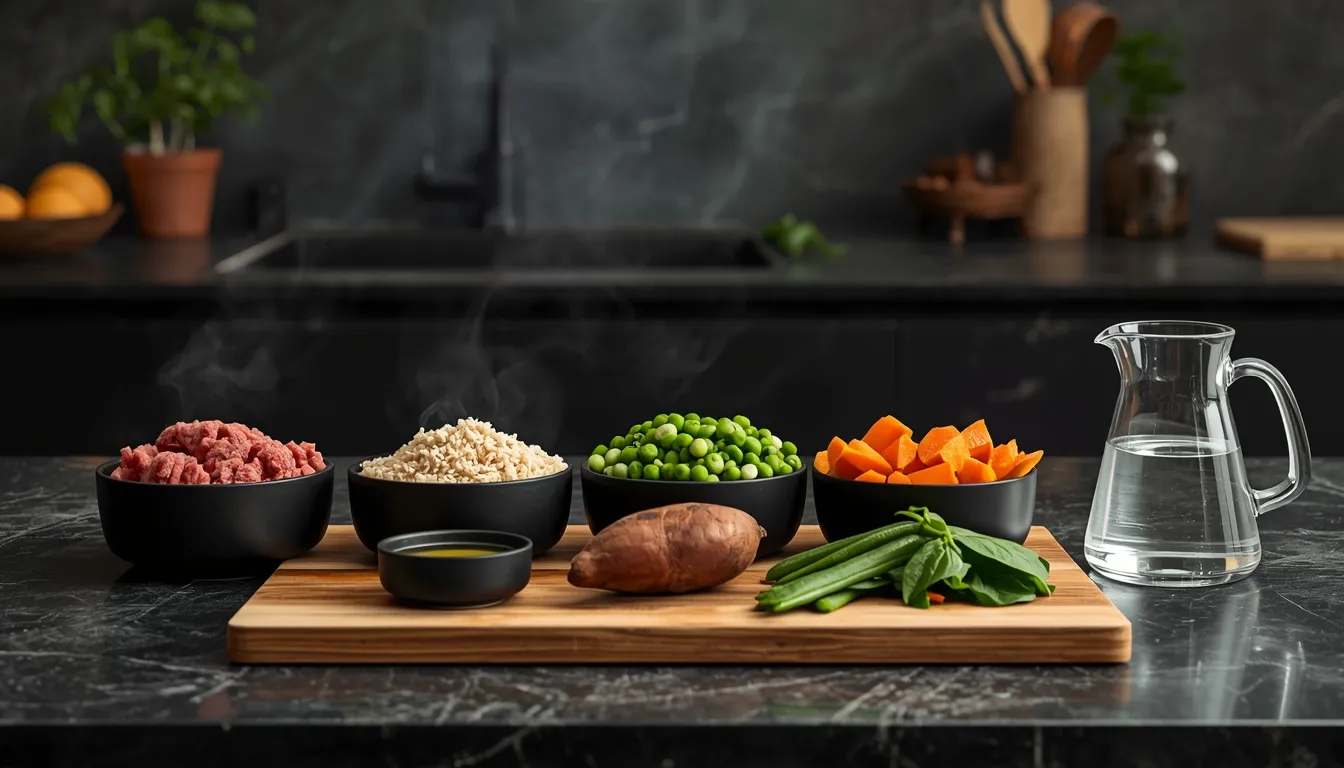
A protein‑rich, joint‑supporting recipe designed for big breeds. Perfect for maintaining lean muscle and healthy joints in large dogs.
Dog Food Recipes
A protein‑rich, joint‑supporting recipe designed for big breeds. Perfect for maintaining lean muscle and healthy joints in large dogs.
Read Recipe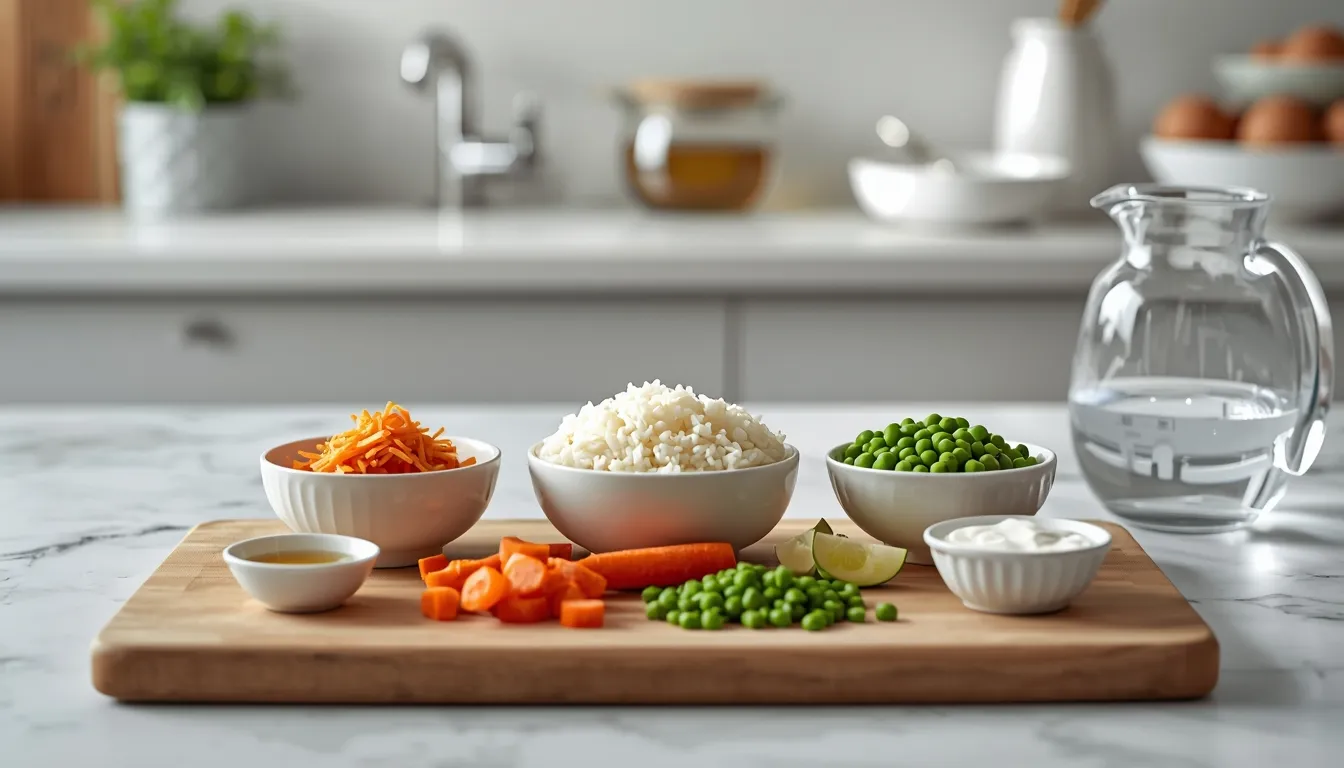 Dog Food Recipes
Make delicious, nutritious treats at home with simple ingredients. From training treats to special occasion biscuits.
Read Recipe Puppies Food Recipes
A nutrient‑dense, portion‑controlled recipe perfect for toy and small breeds. Gentle on tiny stomachs and packed with quality protein and veggies.
Read Recipe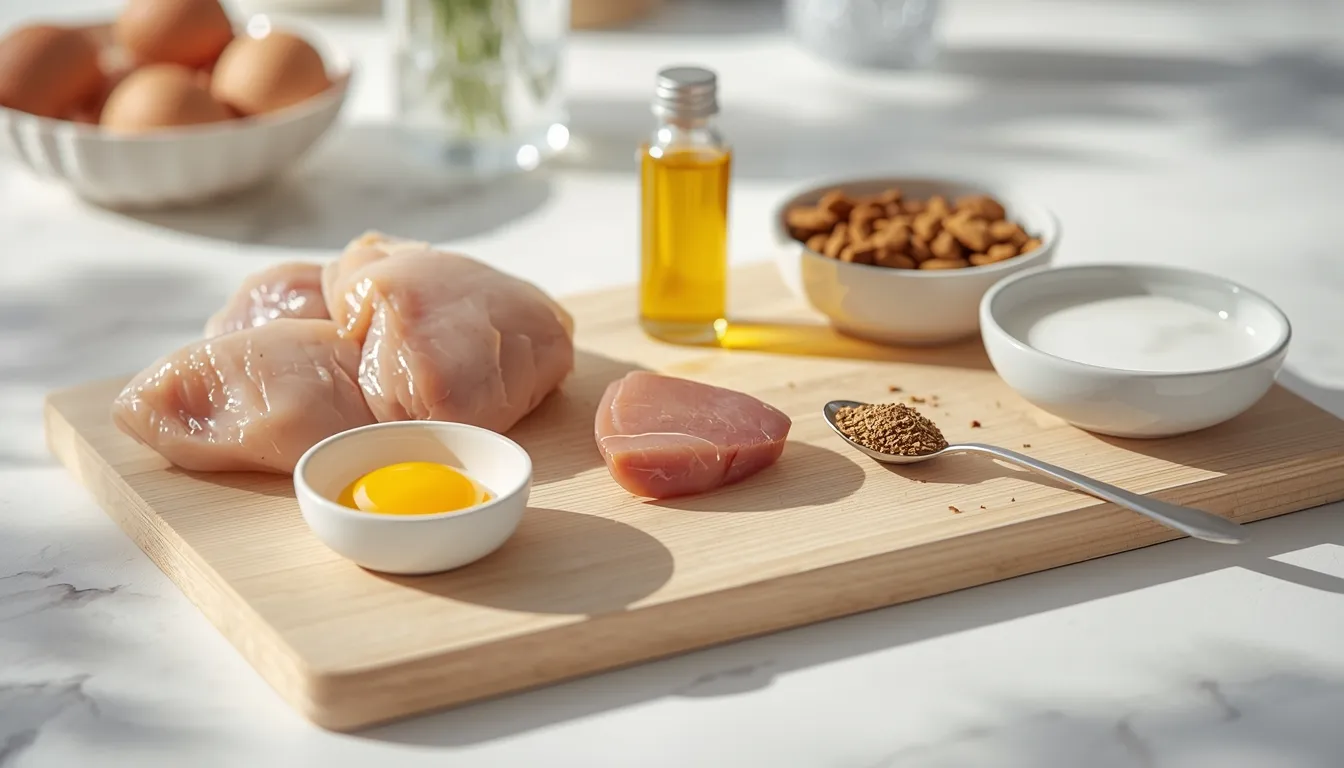 Cat Food Recipes
Nutrient-dense, vet-approved recipe packed with protein, DHA, and taurine to support rapid growth and healthy development.
Read Recipe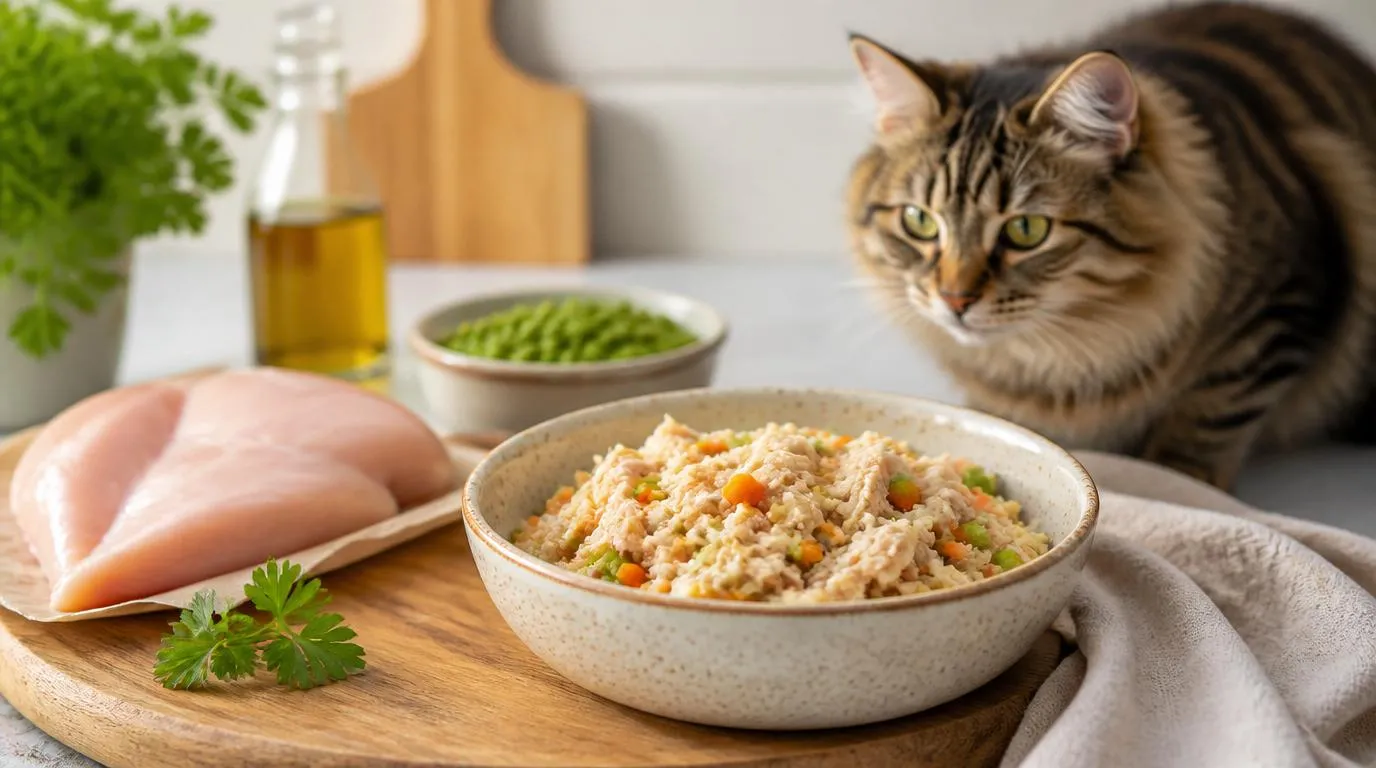 Cat Food Recipes
A simple, high‑protein recipe that cats love. Use as a bland diet or a base for nutritionally balanced meals.
Read Recipe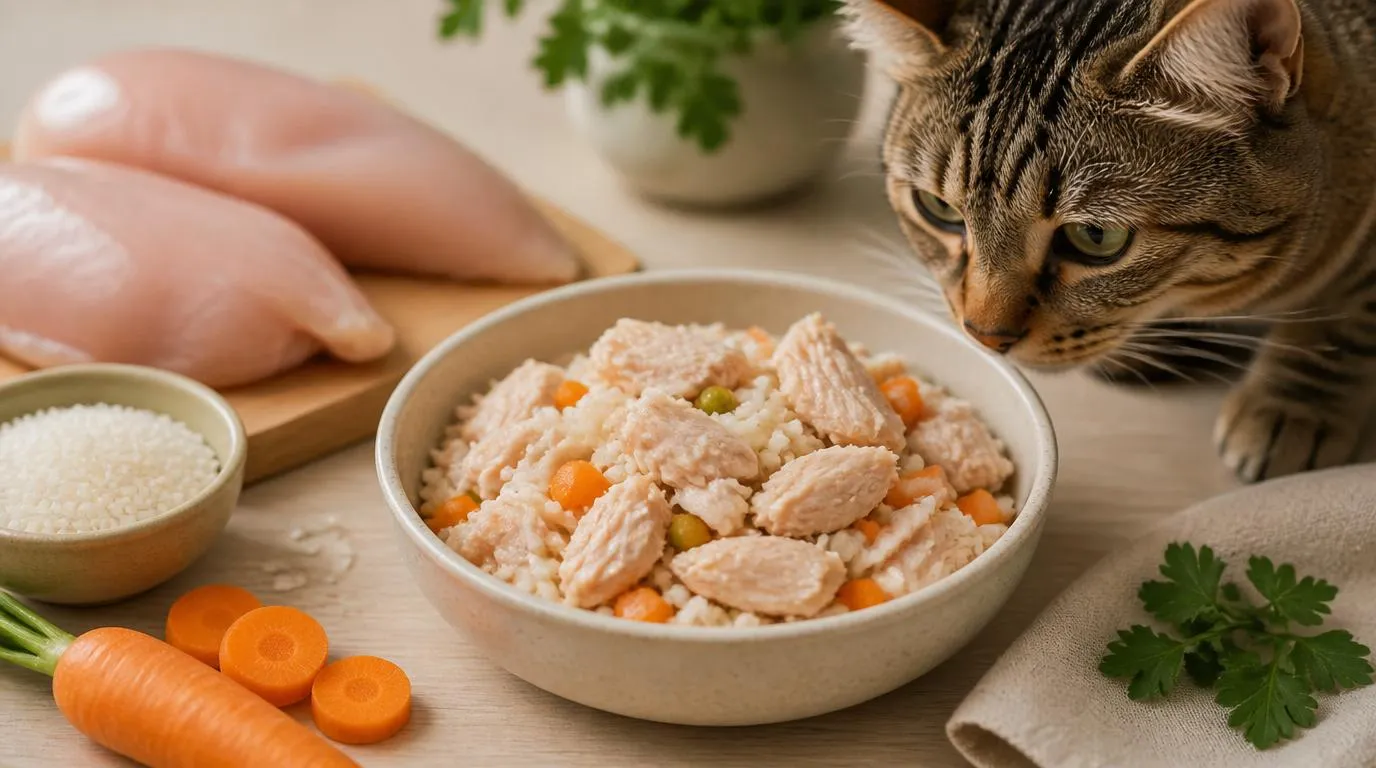 Cat Food Recipes
A gentle, digestible recipe perfect for cats with sensitive stomachs. Made with lean chicken and white rice for easy digestion.
Read Recipe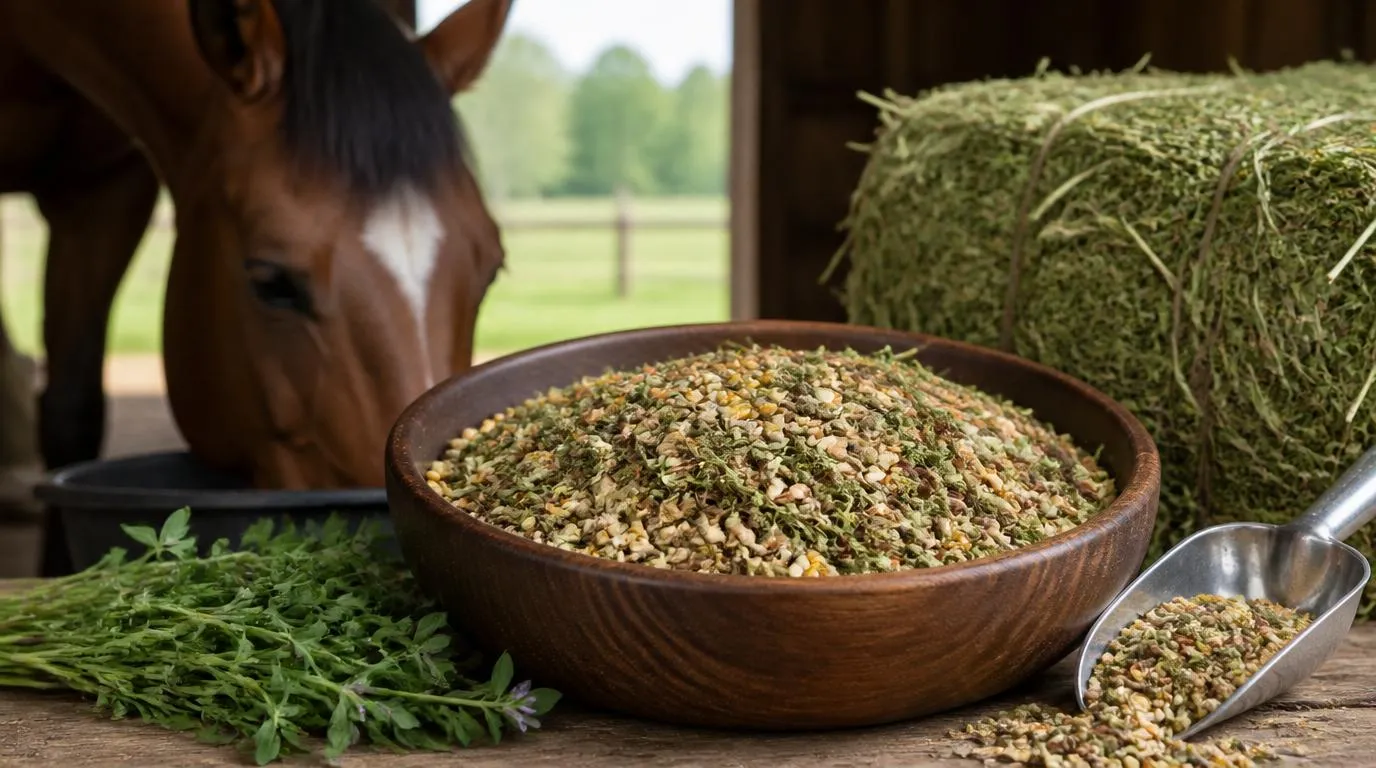 Horse Healthy Recipes
A protein‑rich, high‑energy diet ideal for growing horses, performance athletes, and lactating mares.
Read Recipe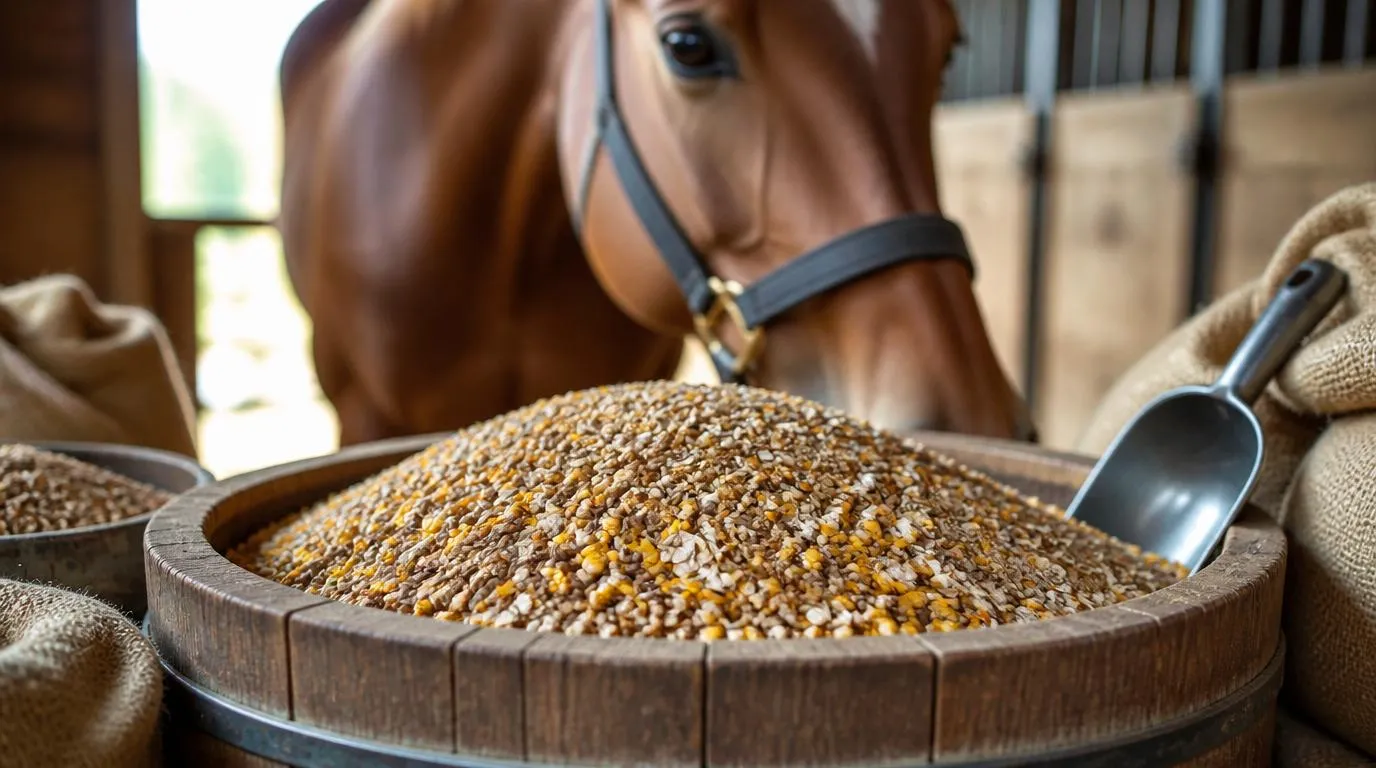 Horse Healthy Recipes
A high‑energy grain mix for performance horses – packed with digestible energy to fuel hard work.
Read Recipe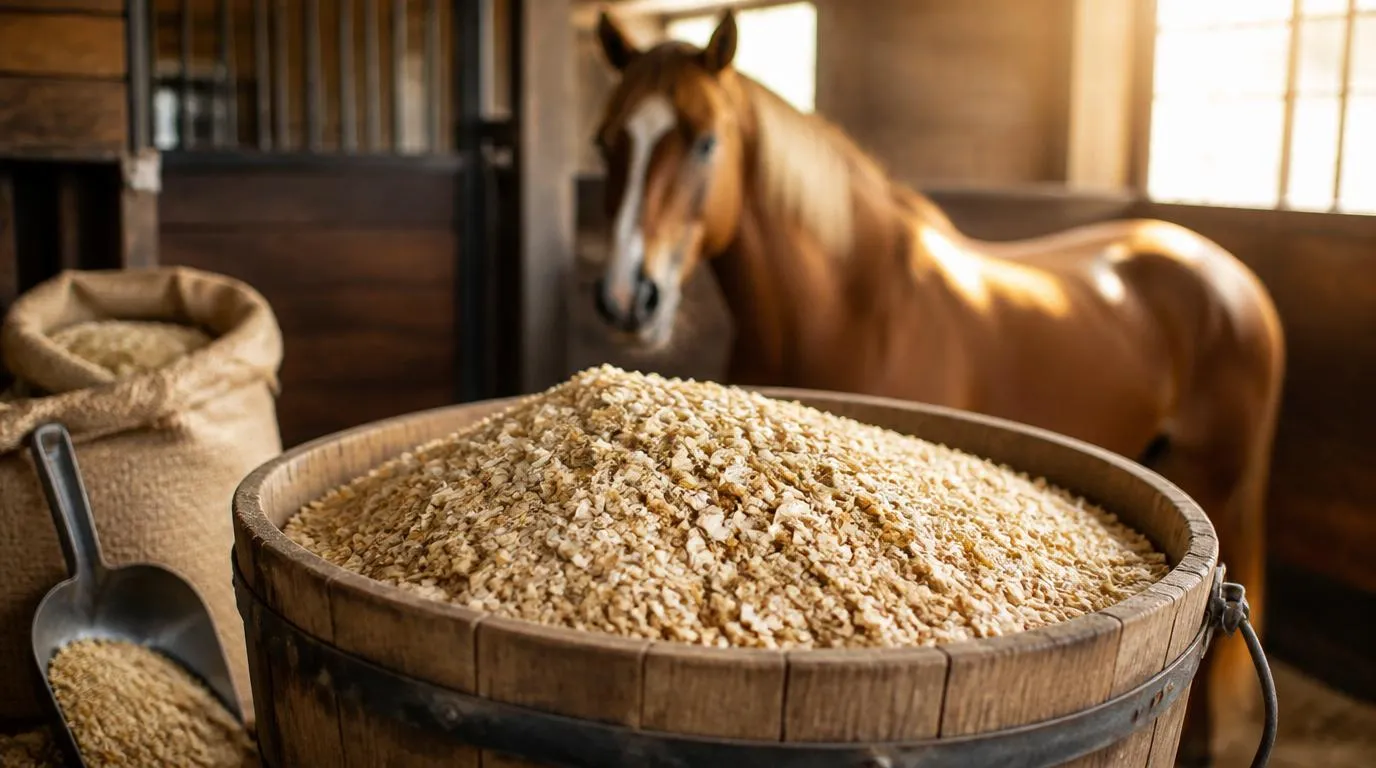 Horse Healthy Recipes
Special dietary considerations and homemade recipes for older horses with dental issues or metabolic conditions.
Read Recipe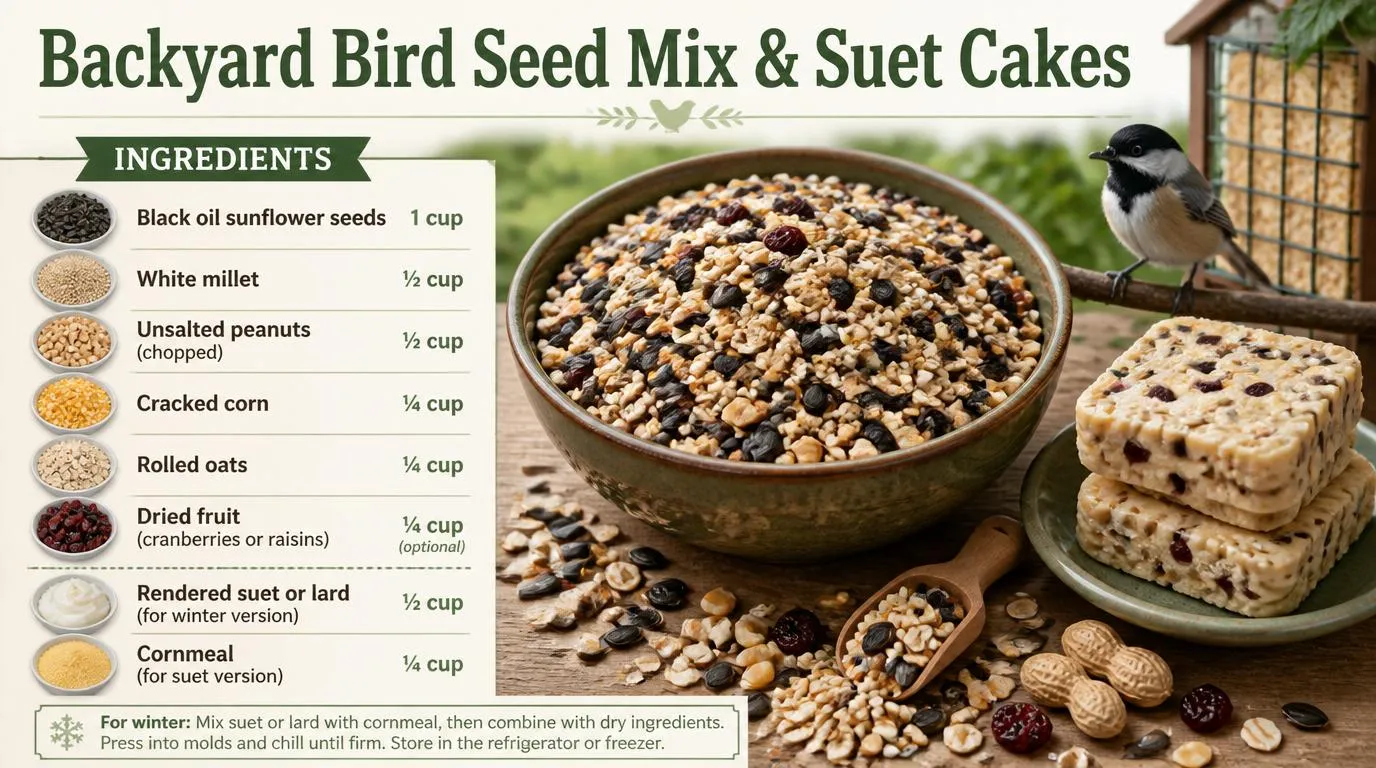 Bird Food Recipes
Create nutritious chop mixes, sprouted seeds, and cooked meals for your feathered friends.
Read Recipe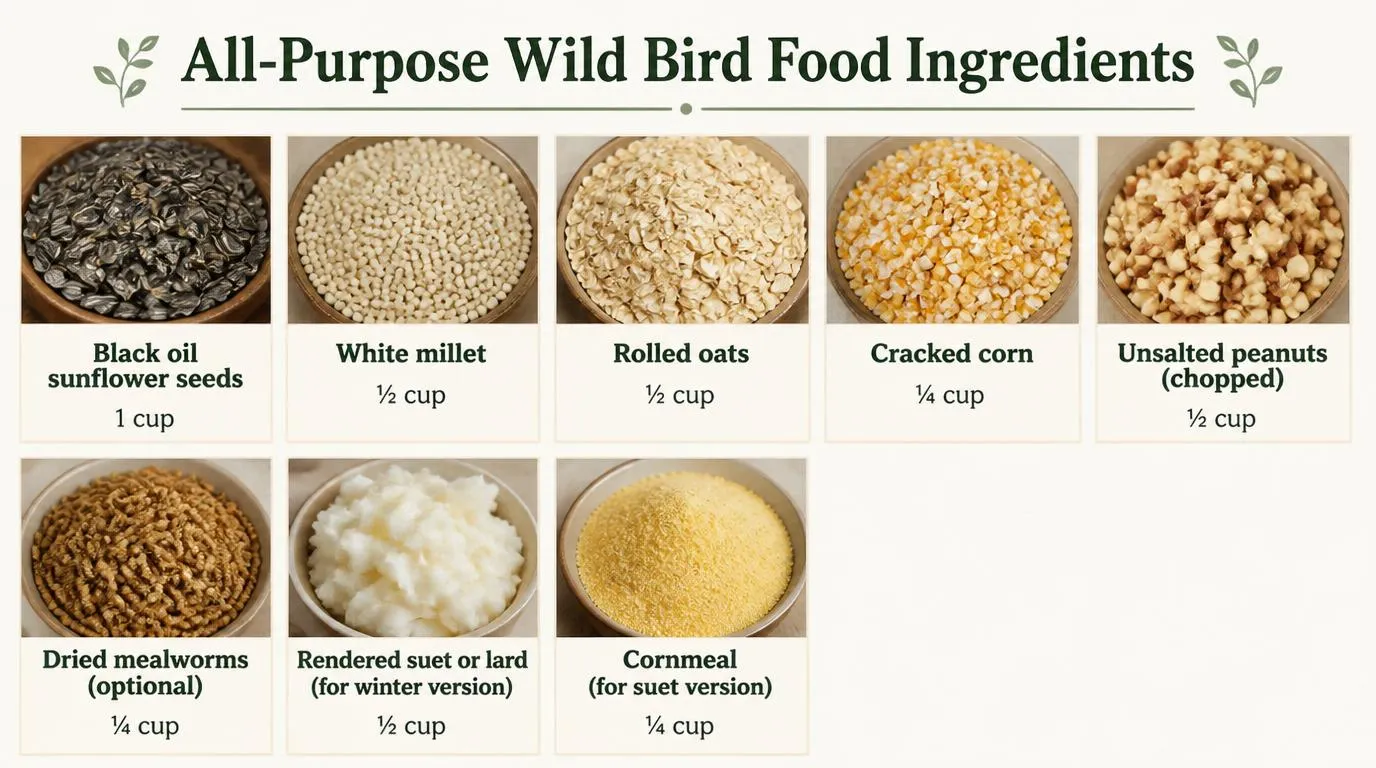 Bird Food Recipes
Make nutritious treats for your pet birds using safe fruits, vegetables, and whole grains.
Read Recipe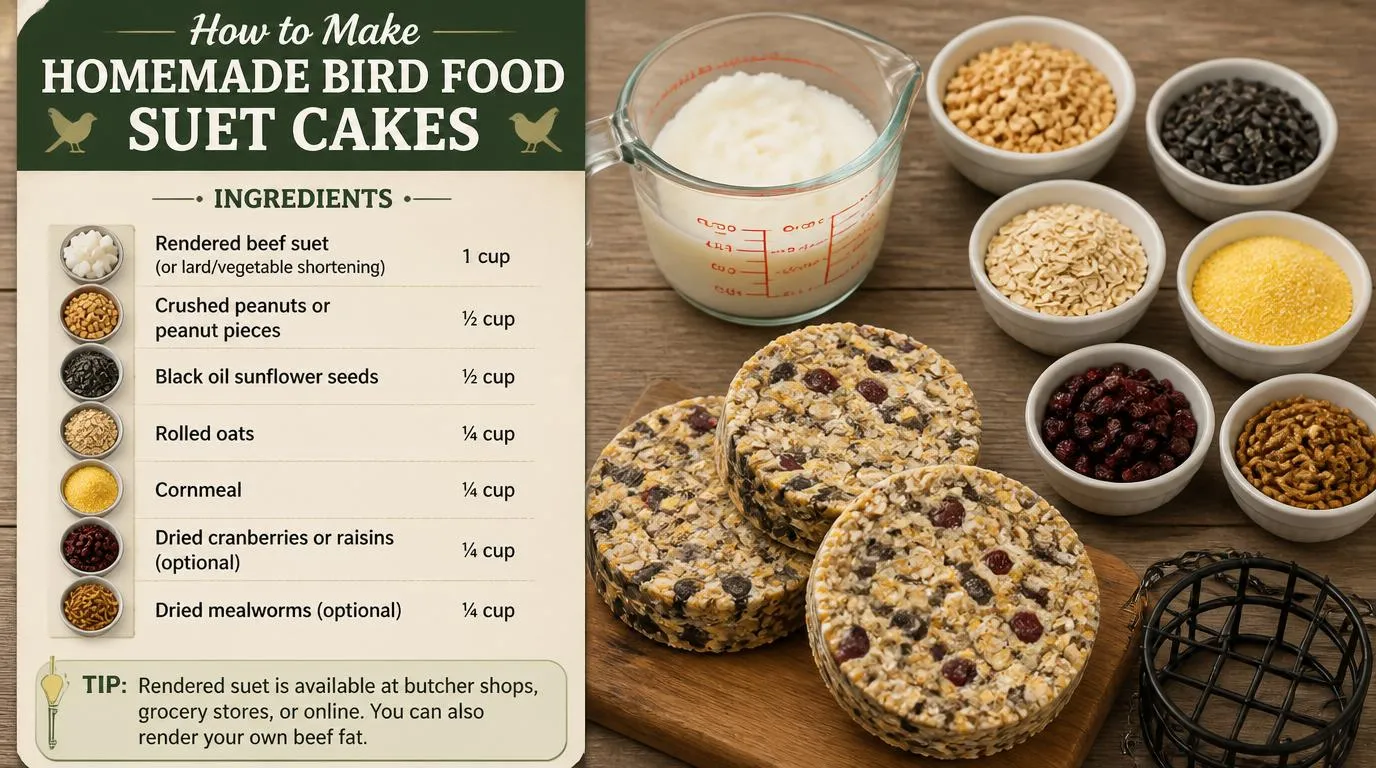 Bird Food Recipes
Complete guide to creating balanced homemade diets for parrots and other hookbills.
Read Recipe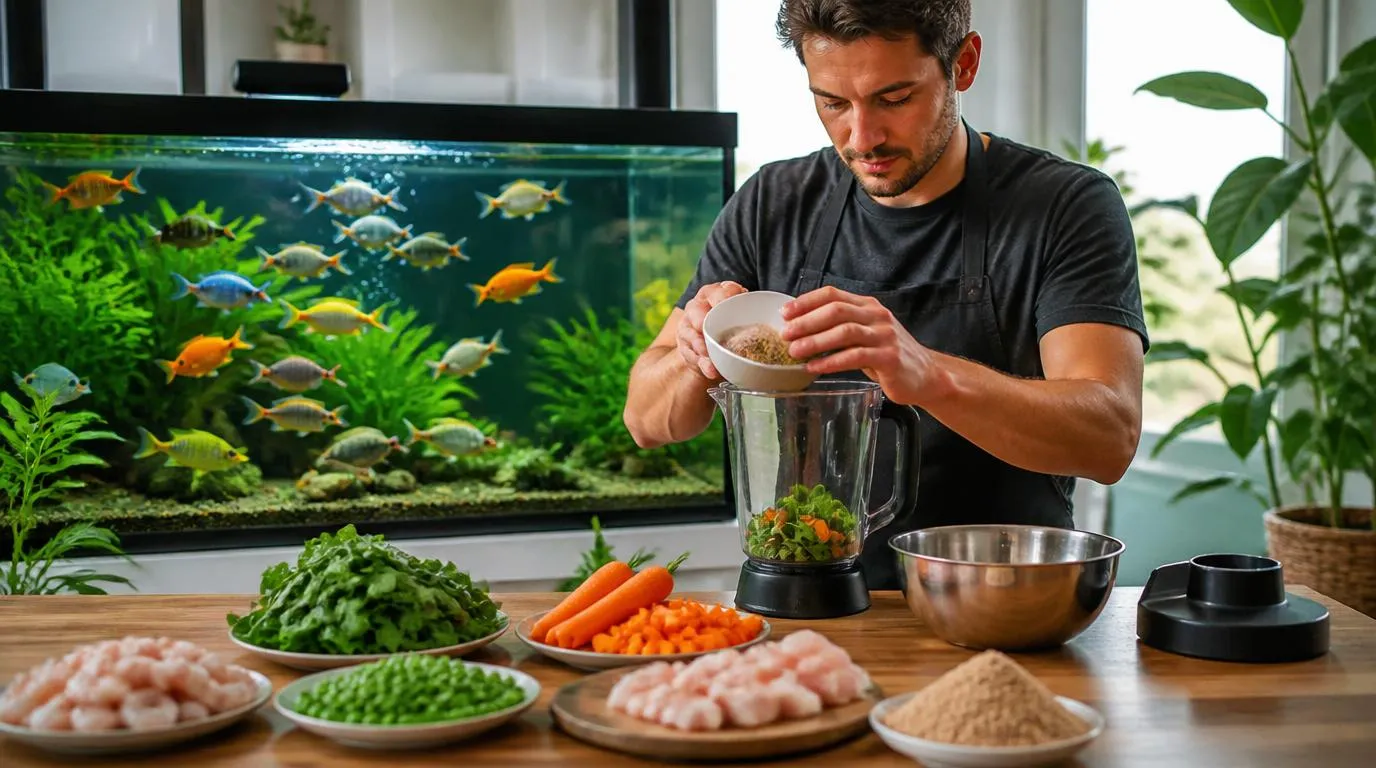 Fish Food Recipes
Create nutritious homemade food for your aquarium fish with simple ingredients and proper nutrient balance.
Read Recipe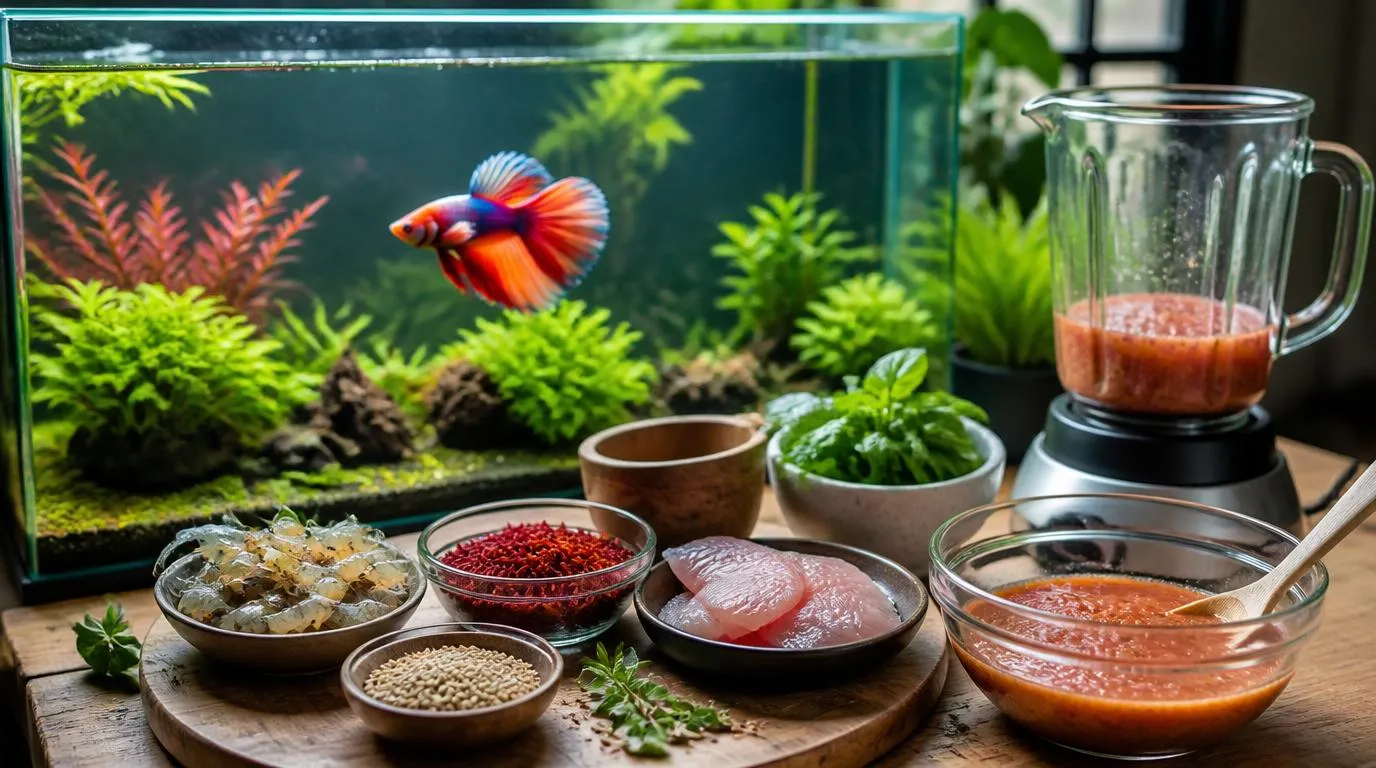 Fish Food Recipes
Make custom gel-based fish food that's perfect for bottom feeders and sensitive species.
Read Recipe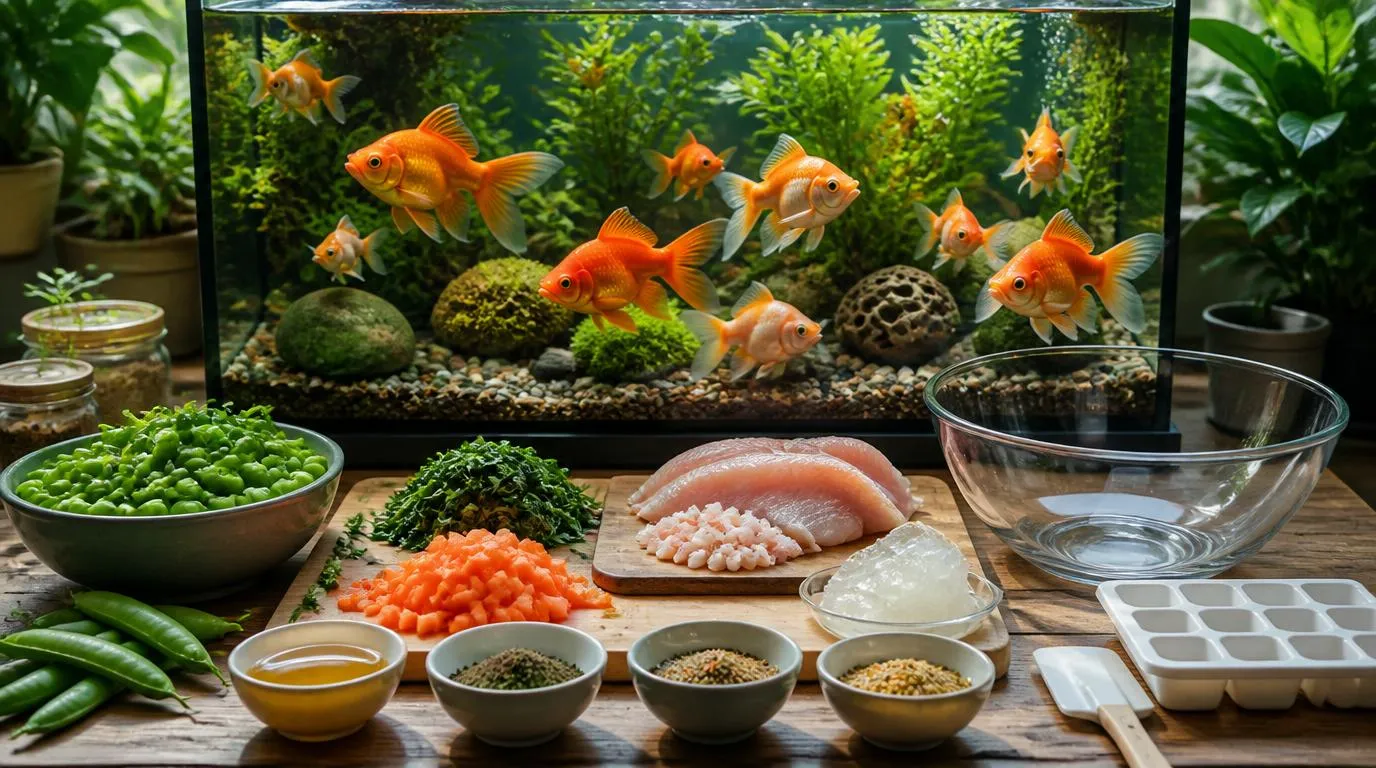 Fish Food Recipes
Special recipes for betta fish with high protein requirements and small mouth sizes.
Read Recipe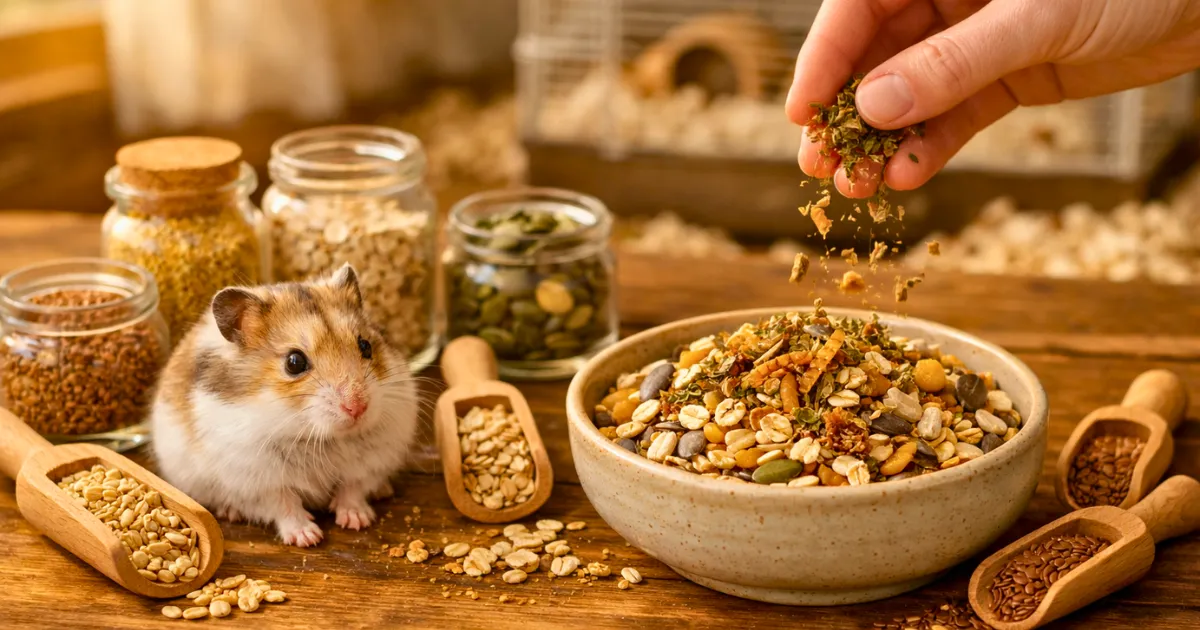 Hamster Food Recipes
Create a balanced seed and grain mix for your hamster with proper protein and fat ratios.
Read Recipe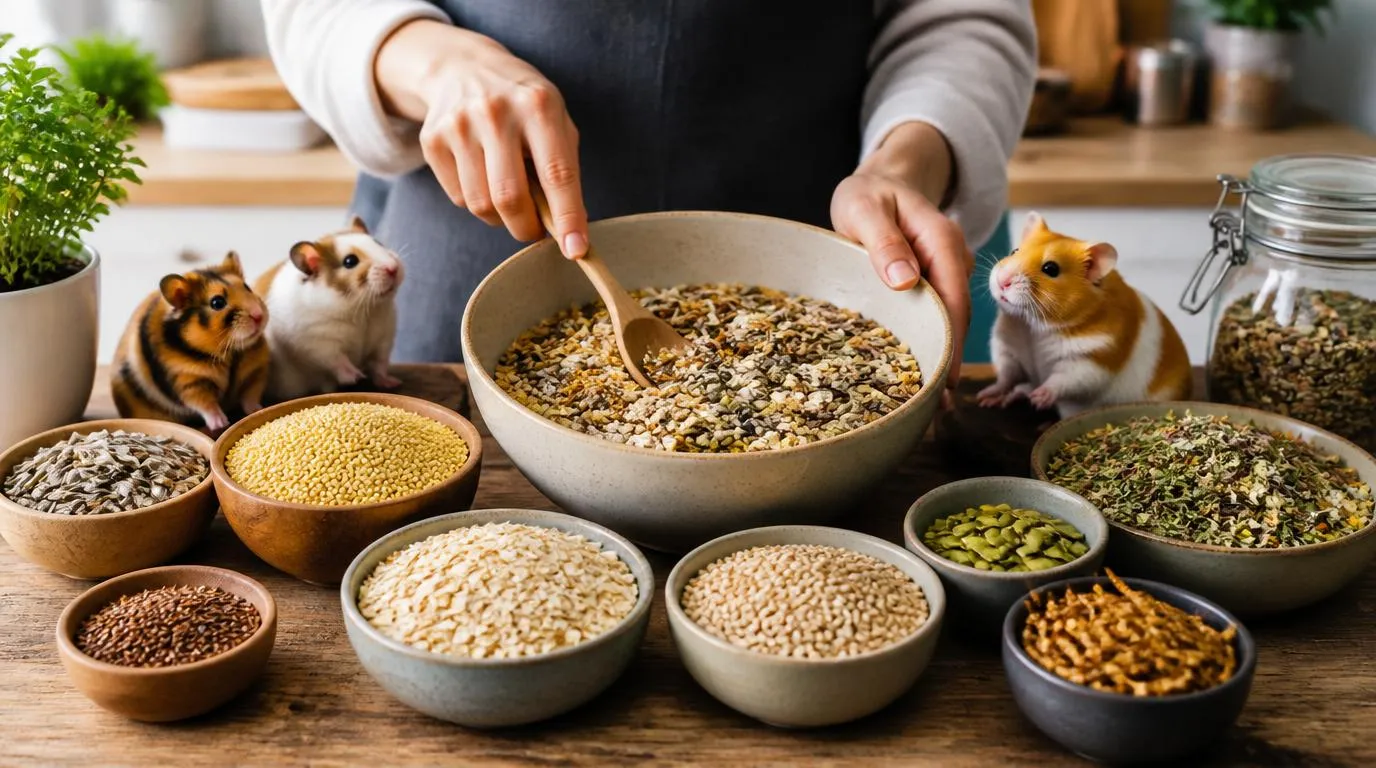 Hamster Food Recipes
Safe and healthy treat recipes for hamsters using fresh vegetables and whole grains.
Read Recipe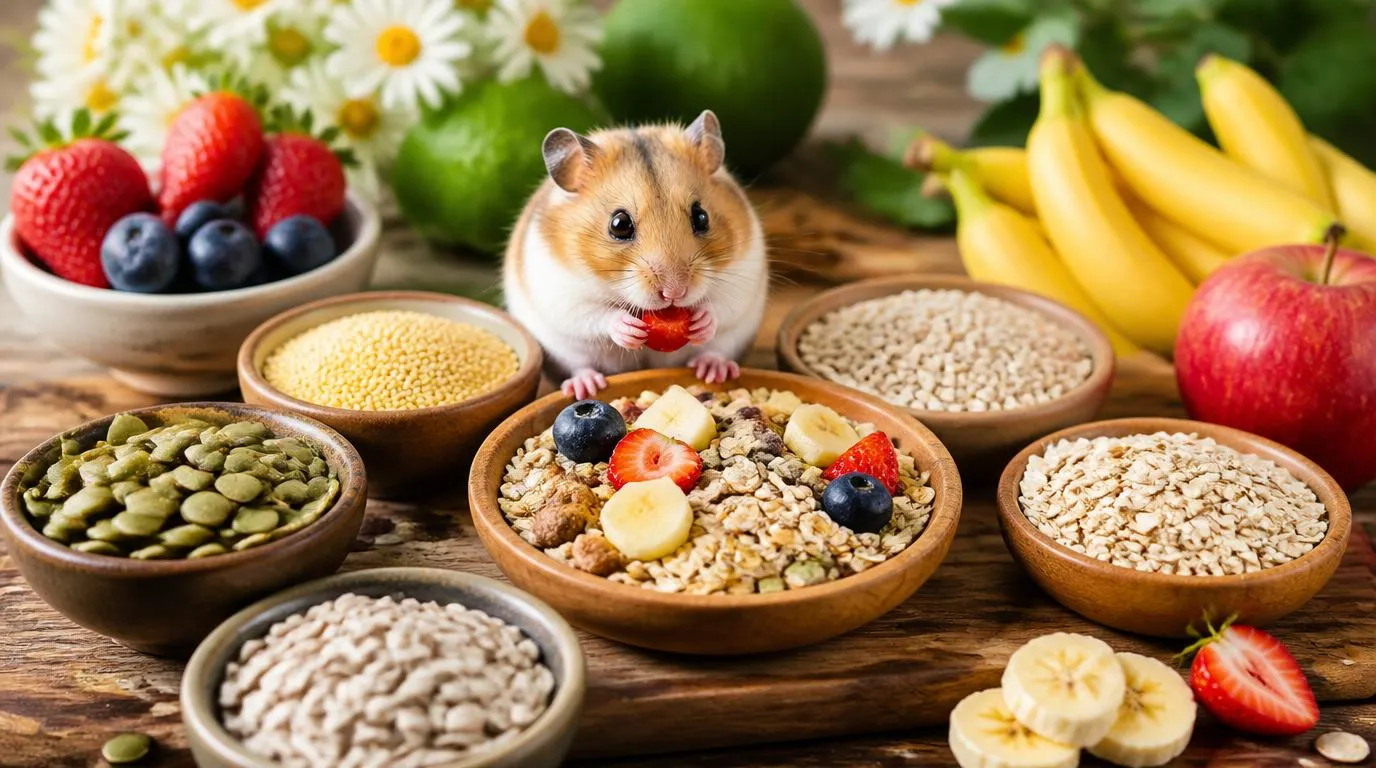 Hamster Food Recipes
Special dietary considerations for dwarf hamsters with their unique nutritional needs.
Read Recipe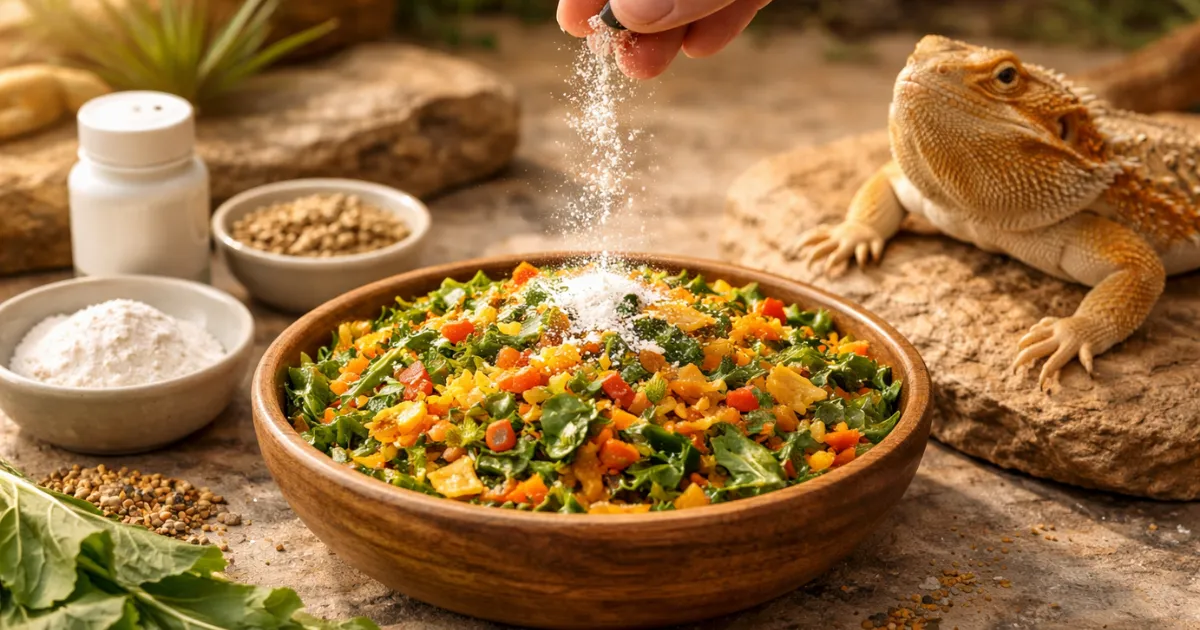 Reptile Food Recipes
A balanced diet of fresh greens, vegetables, and live insects. Complete recipe and feeding guide for a healthy bearded dragon.
Read Recipe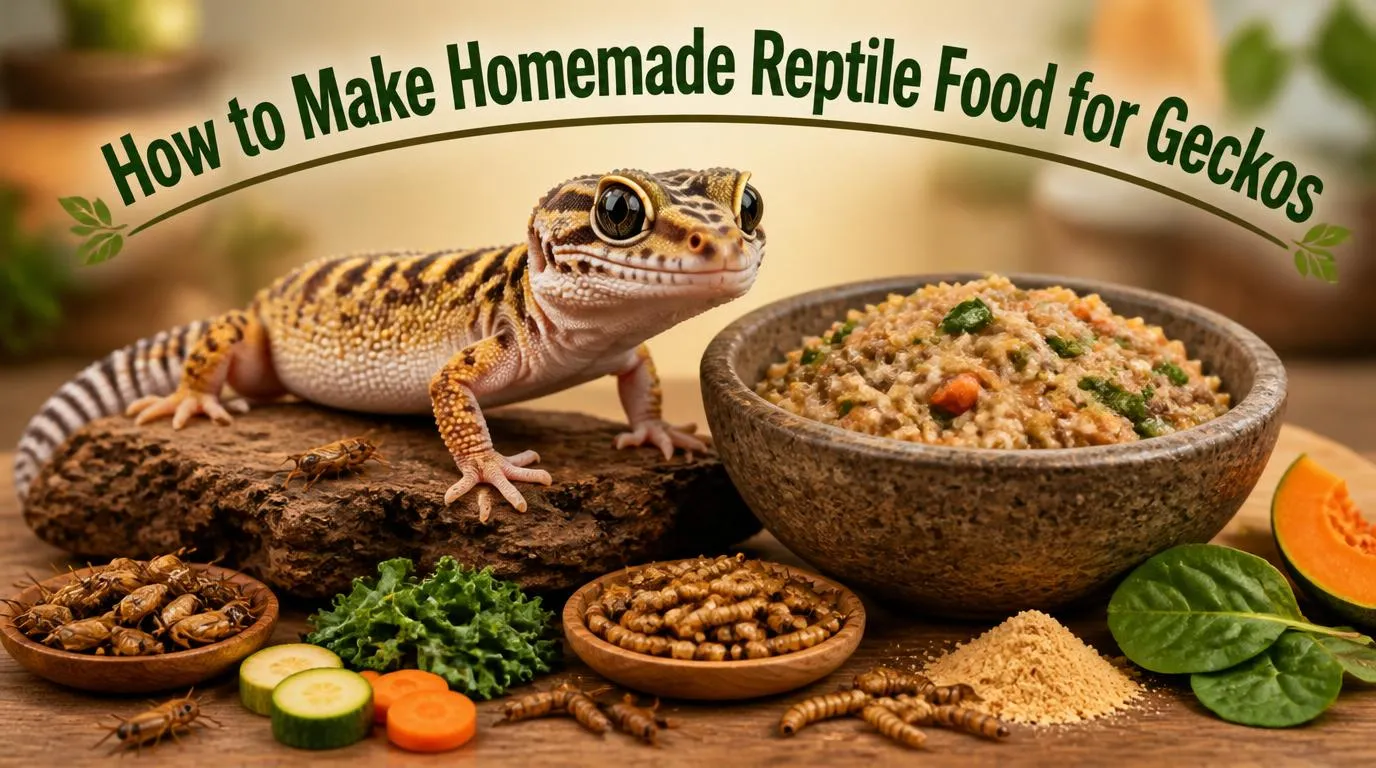 Reptile Food Recipes
Fruit puree for crested geckos and insect care for leopard geckos – complete guide to homemade gecko nutrition.
Read Recipe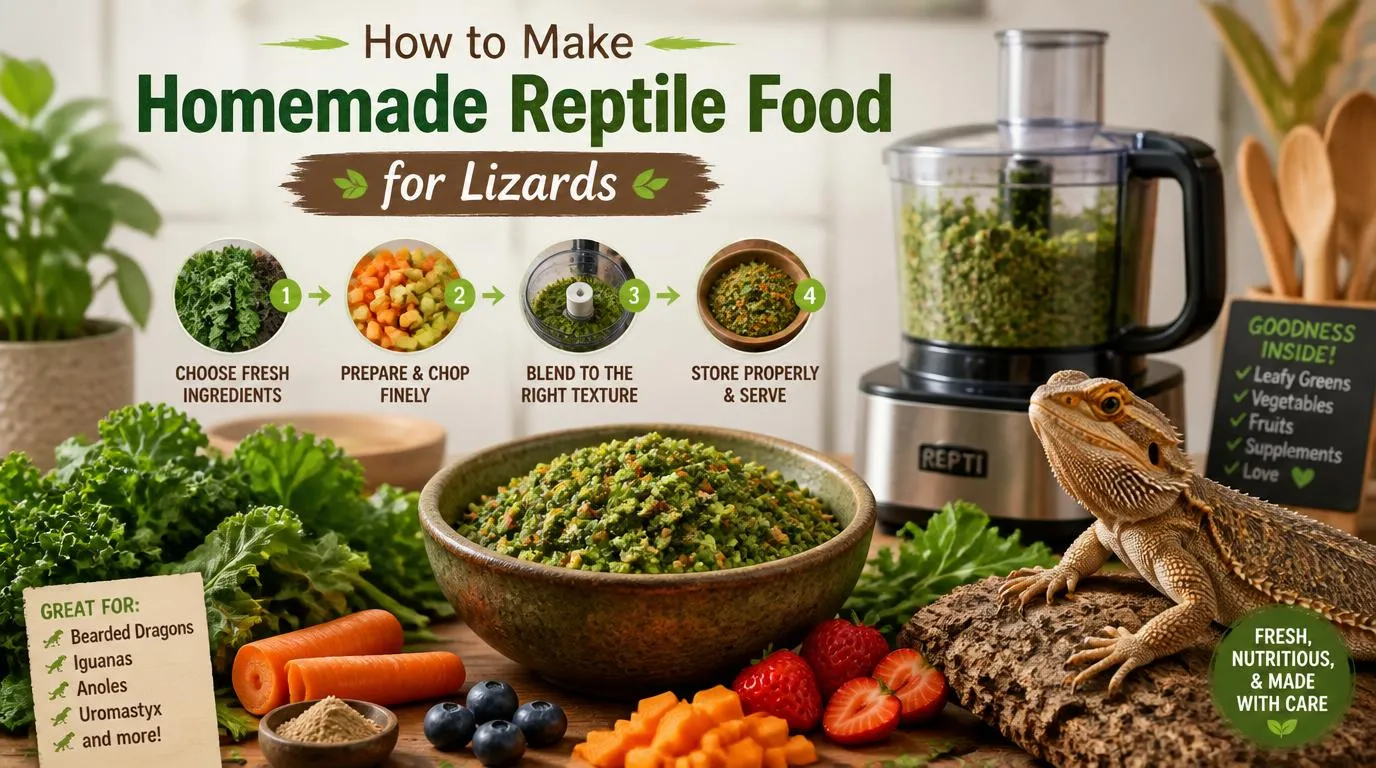 Reptile Food Recipes
A fresh, healthy mix of leafy greens to keep your pet rabbit thriving – easy to prepare and full of essential nutrients.
Read Recipe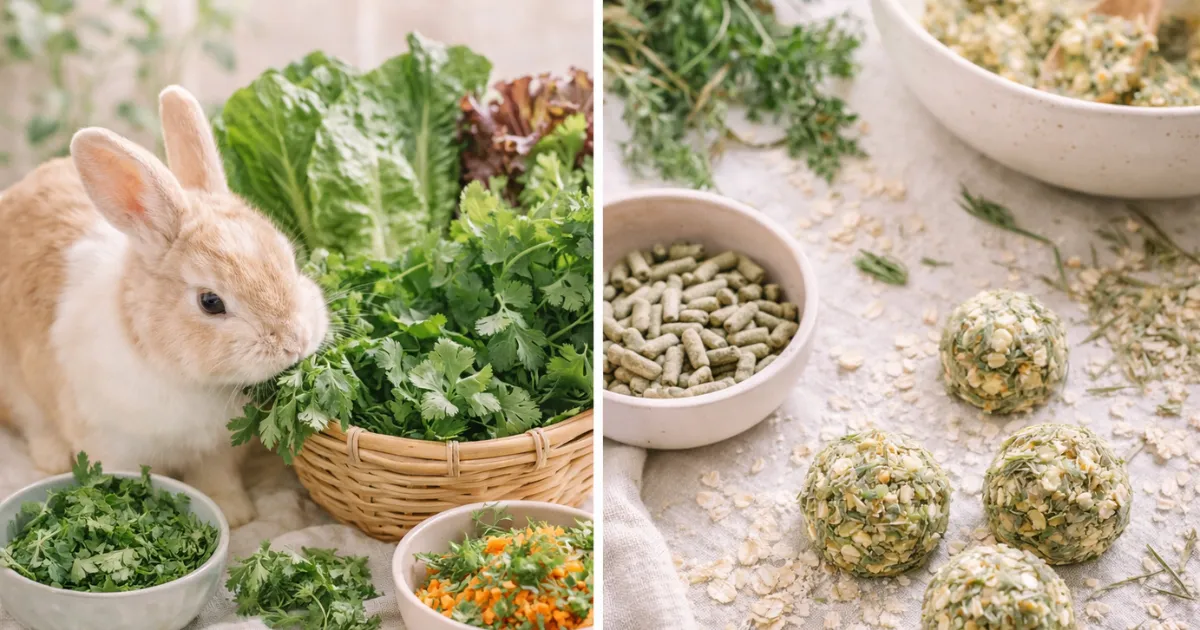 Rabbit Food Recipes
Fresh, nutritious greens bowls and hay-based treats – perfect for happy, healthy bunnies.
Read Recipe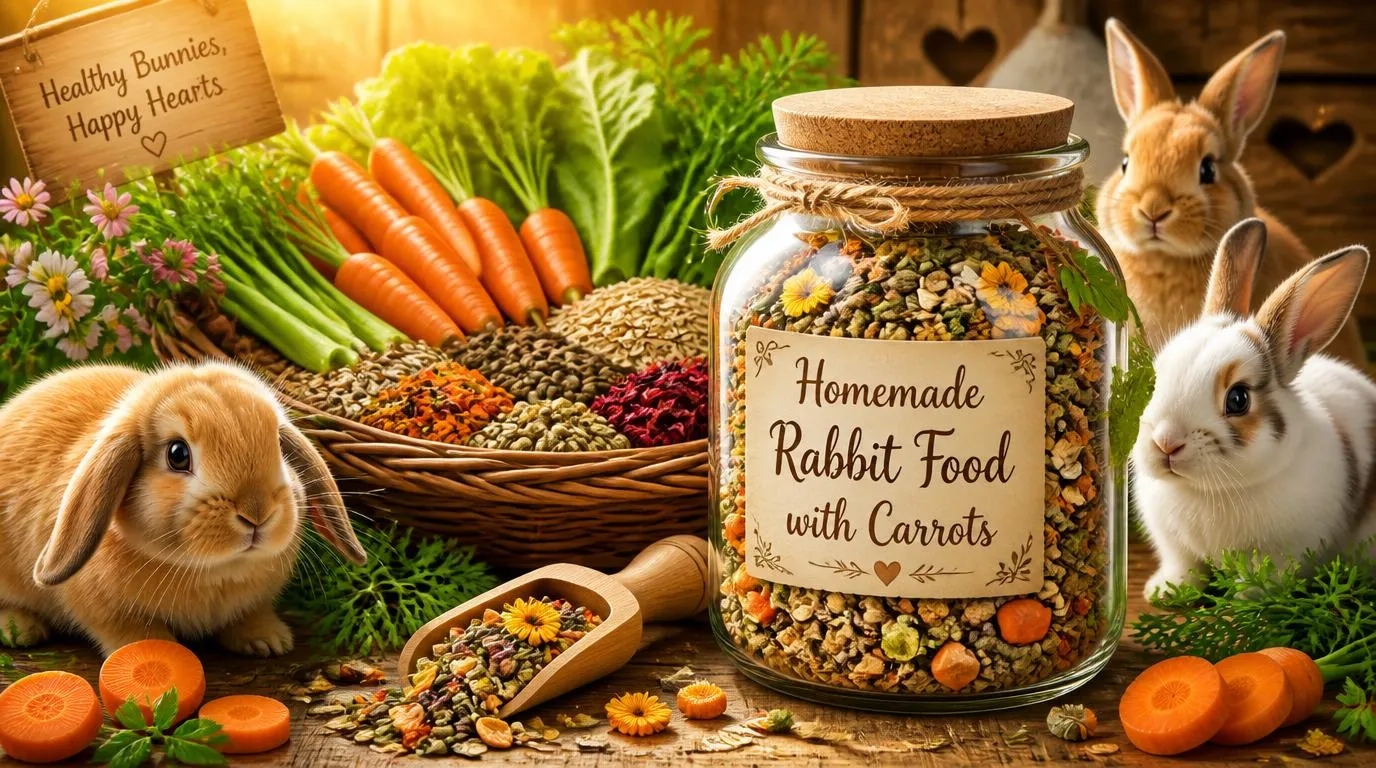 Rabbit Food Recipes
Complete guide to creating balanced homemade diets for rabbits with proper hay and vegetable ratios.
Read Recipe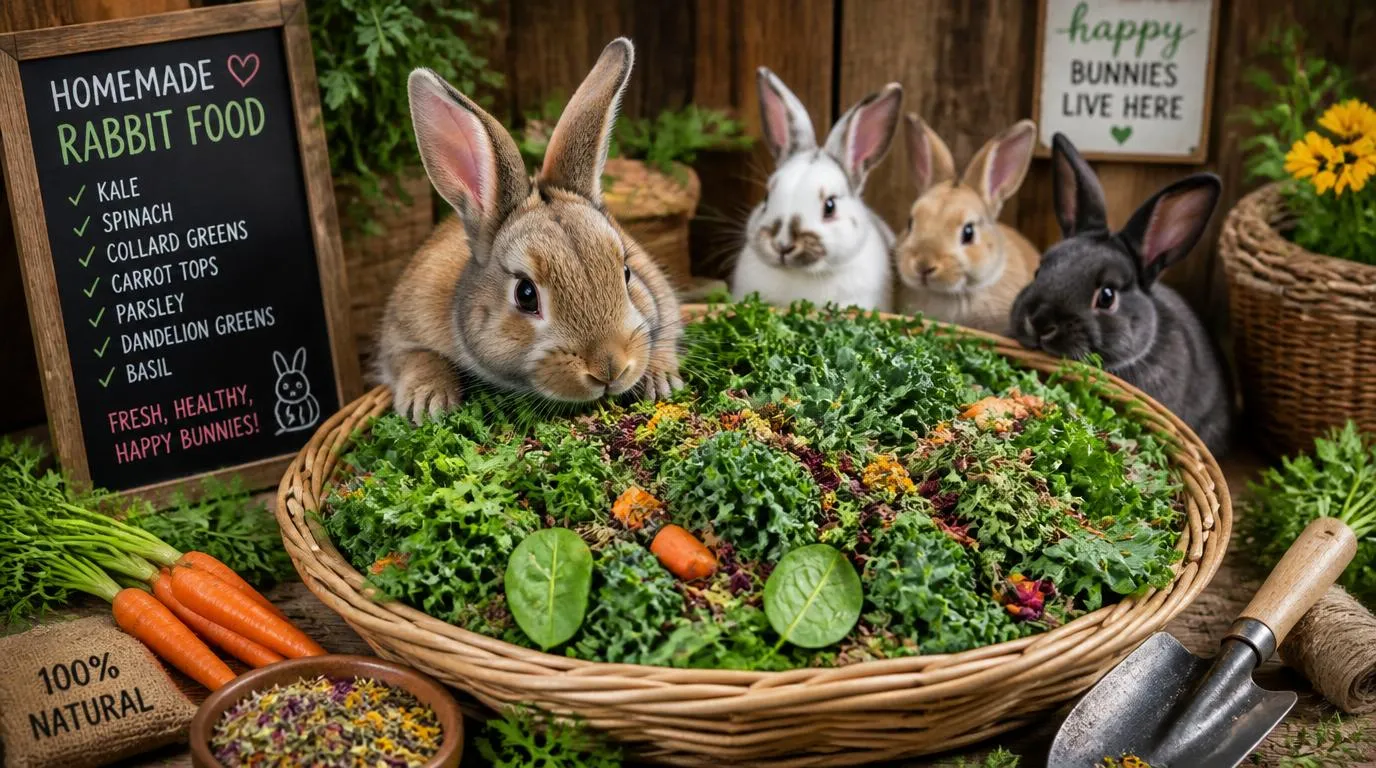 Rabbit Food Recipes
Safe and nutritious treat recipes for your bunny using fresh herbs and vegetables.
Read Recipe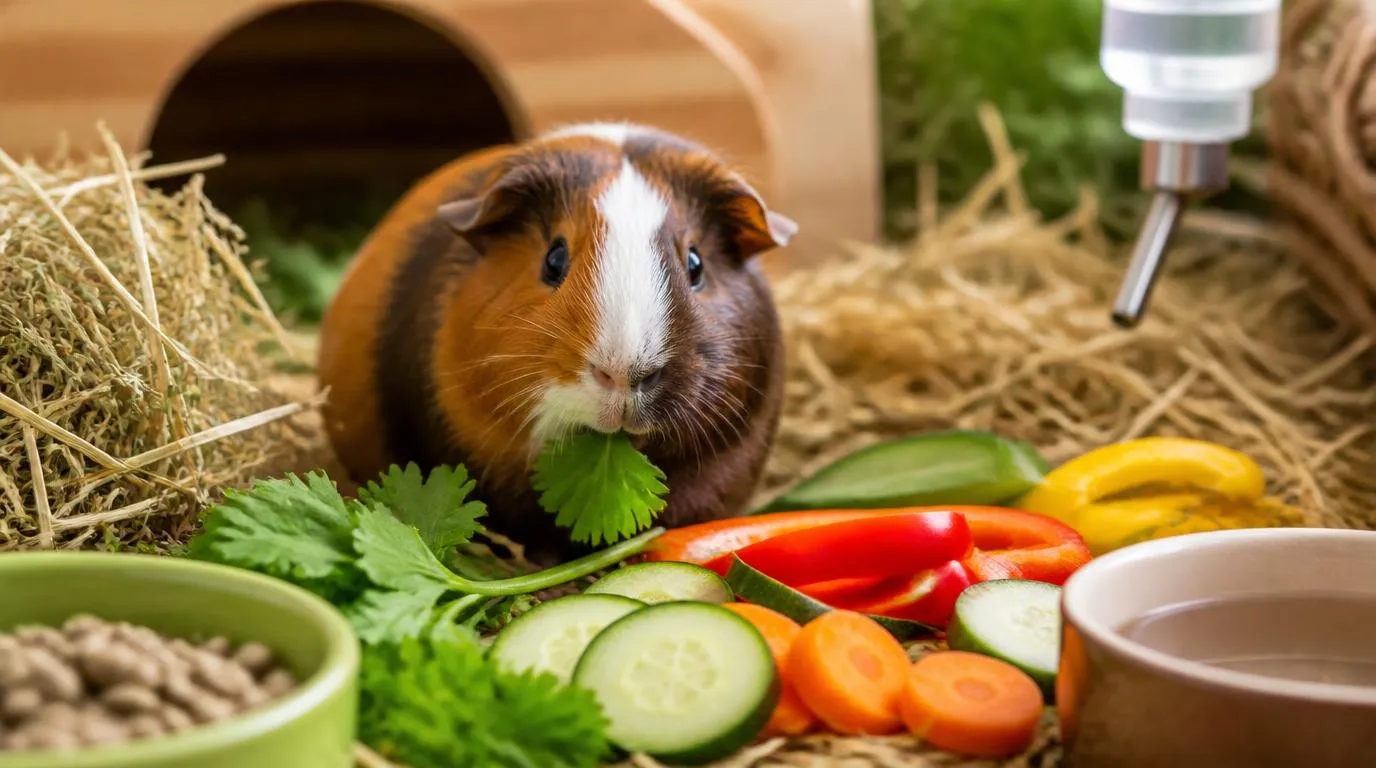 Guinea Pig Food Recipes
Simple, vitamin‑rich recipes to keep your guinea pig healthy and happy – no complicated steps!
Read Recipe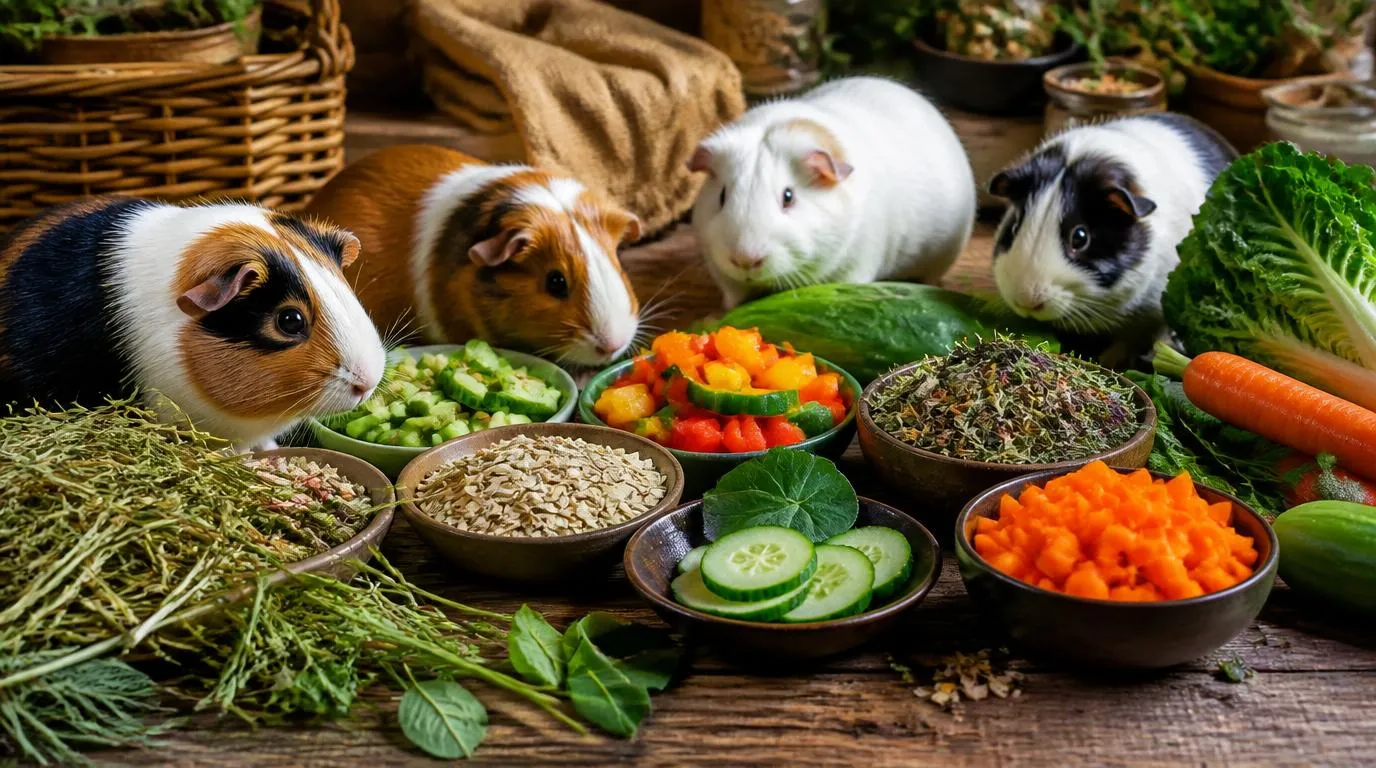 Guinea Pig Food Recipes
Vitamin C rich treat recipes to keep your guinea pig healthy and happy.
Read Recipe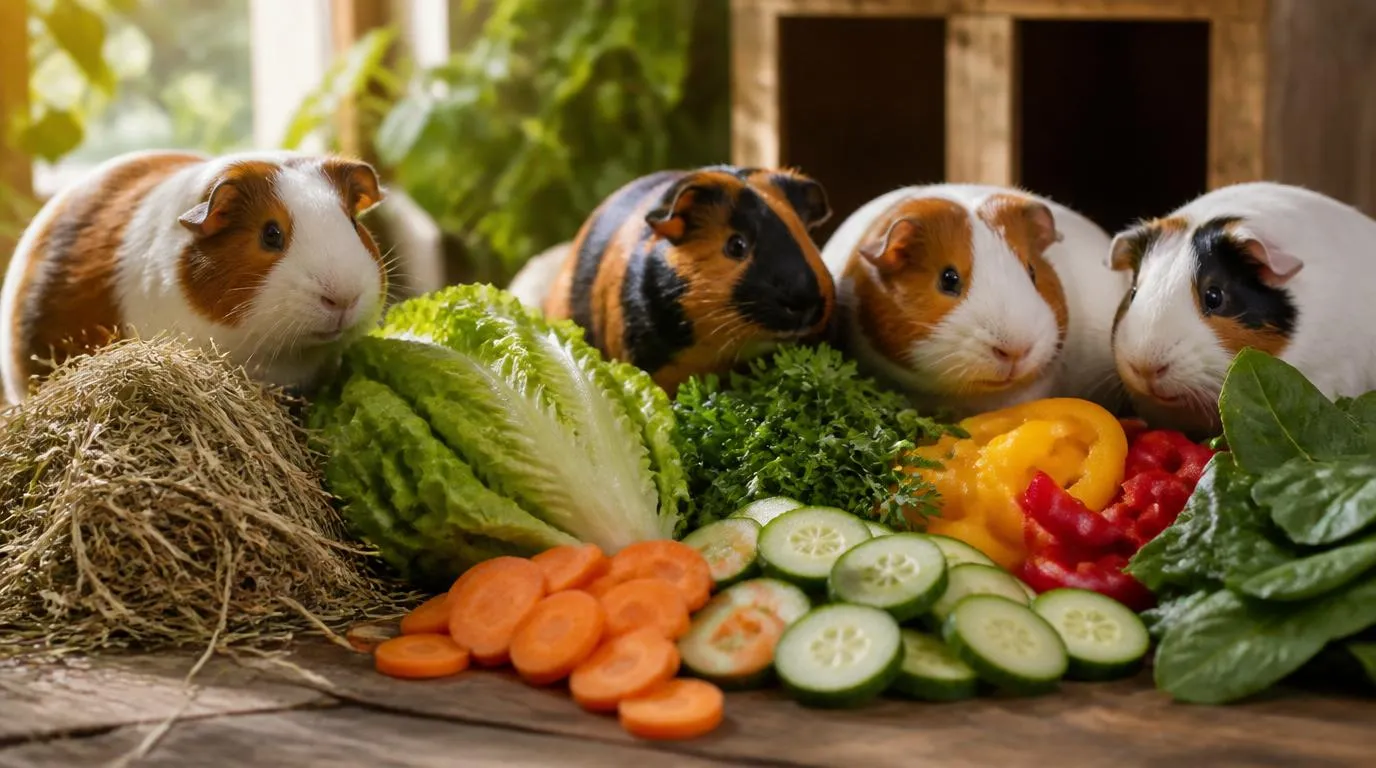 Guinea Pig Food Recipes
Special dietary considerations for older guinea pigs with dental or digestive issues.
Read Recipe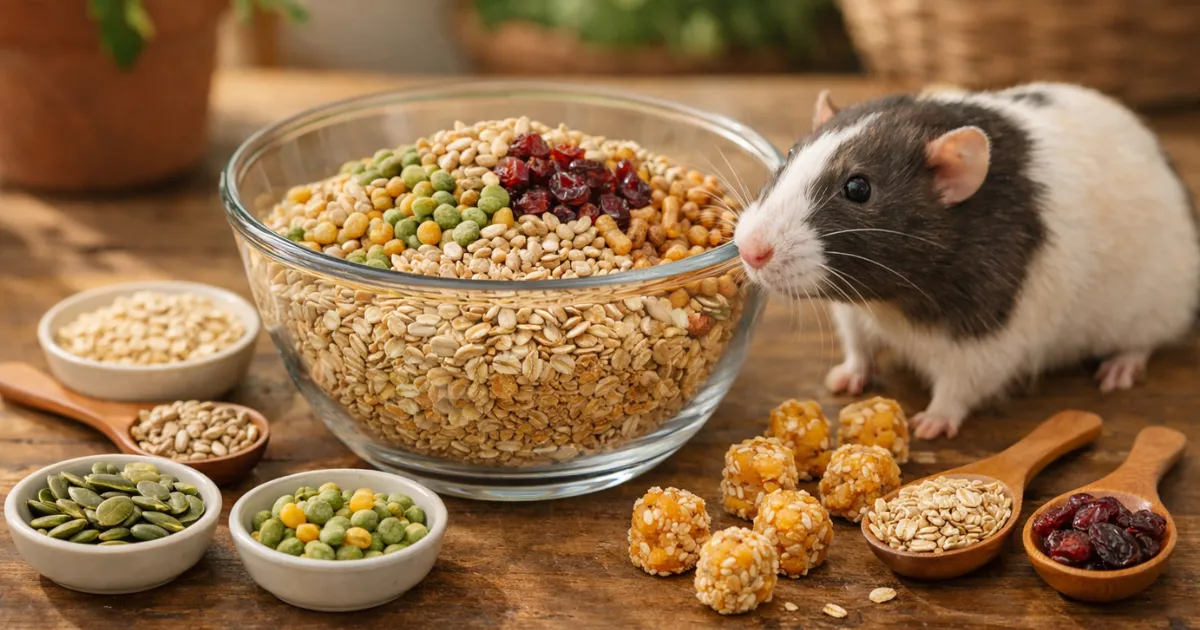 Rat Food Recipes
Simple, nutritious recipes with grains, seeds, veggies, and protein to keep your rats healthy and happy.
Read Recipe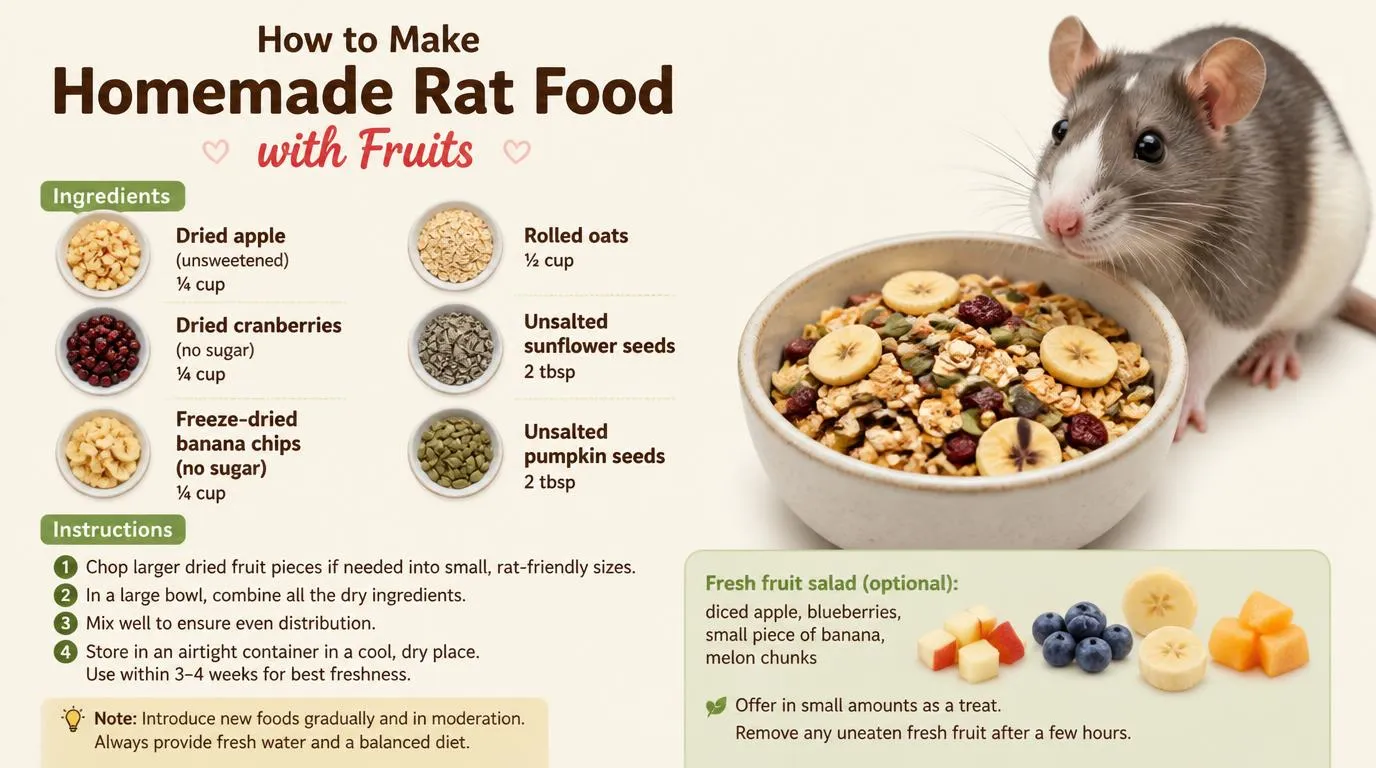 Rat Food Recipes
Safe, nutritious fruit-based recipes for pet rats – apple, berry, banana treats & mixing guidelines.
Read Recipe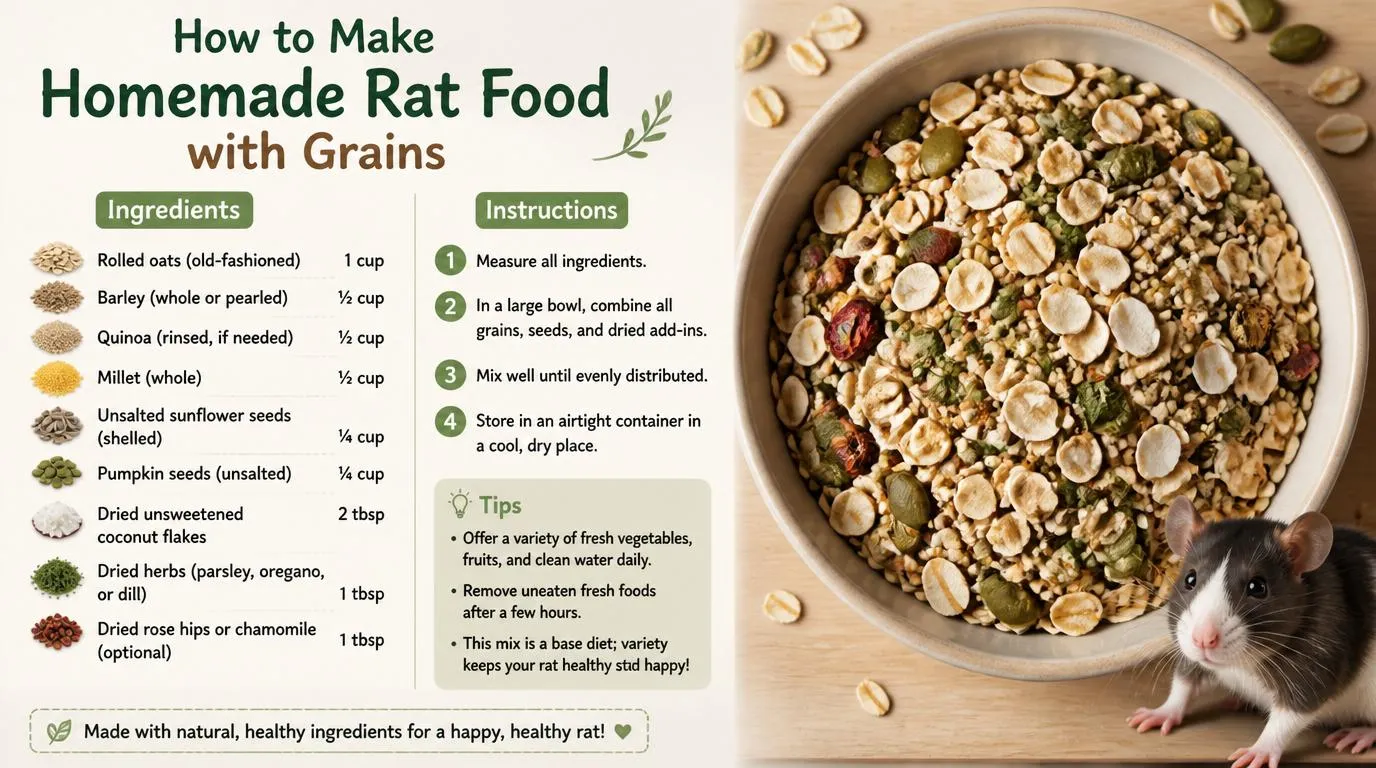 Rat Food Recipes
Special dietary needs for older rats with tumor prevention and joint support considerations.
Read RecipeHomemade pet food can be beneficial when properly balanced, as it allows you to control the quality of ingredients. However, commercial pet foods are formulated by veterinary nutritionists to be complete and balanced. Homemade diets require careful planning to ensure all nutritional needs are met. Always consult with a veterinarian or board-certified veterinary nutritionist before switching to homemade food.
Common supplements needed for homemade pet diets include calcium (especially for raw diets), omega-3 fatty acids, vitamin E, and sometimes specific amino acids like taurine for cats. The exact supplements depend on the recipe and your pet's specific needs. Never guess - work with a veterinary nutritionist to determine the right supplements and dosages for your pet.
The amount varies based on your pet's weight, age, activity level, and health status. As a general guideline, most dogs need 2-3% of their body weight in food daily (split into two meals), while cats typically need about 20-30 calories per pound. However, these are estimates - your veterinarian can provide specific recommendations based on your pet's individual needs.
Raw feeding is controversial. While some advocate for its benefits, raw meat can carry bacteria like Salmonella and E. coli that can sicken both pets and humans. If you choose to feed raw, use high-quality, human-grade meat, practice excellent food safety, and freeze meat for at least 3 weeks to kill parasites. Consult your veterinarian about the risks and benefits for your specific pet.
Homemade pet food should be refrigerated in airtight containers and used within 3-4 days. For longer storage, freeze individual portions in freezer-safe containers or bags for up to 3 months. Thaw in the refrigerator before serving. Always practice good food safety: wash hands, utensils, and preparation surfaces thoroughly, and never leave homemade pet food at room temperature for more than 2 hours.
Transition gradually over 7-10 days: Start with 25% new homemade food mixed with 75% old food for 2-3 days, then 50/50 for 2-3 days, then 75% new/25% old, finally 100% homemade food. Watch for digestive upset and adjust the transition period if needed. Some pets with sensitive stomachs may need a slower transition over 2-3 weeks.
No, human vitamin supplements are not suitable for pets. They are formulated for human nutritional needs and may contain ingredients that are toxic to pets or in inappropriate concentrations. Always use supplements specifically designed for pets and consult with a veterinarian for proper dosage and selection.
For variety and nutritional balance, it's recommended to rotate between 3-4 different balanced recipes every few weeks. However, if your pet has specific health issues or sensitivities, consult with your veterinarian before making changes. Sudden recipe changes can cause digestive upset, so always transition gradually between different recipes.
Yes, several common human foods are toxic to pets including: chocolate, grapes, raisins, onions, garlic, xylitol (artificial sweetener), macadamia nuts, alcohol, caffeine, and avocado (for some pets). Always research each ingredient before including it in your pet's homemade meals.
Yes, but growing animals have specific nutritional requirements that differ from adults. Puppies and kittens need precise calcium-phosphorus ratios, more protein, and specific vitamins for proper development. Use recipes specifically designed for growth stages and consult with a veterinary nutritionist to ensure all nutritional needs are met.
Signs of balanced nutrition include: healthy weight maintenance, good energy levels, shiny coat, regular bowel movements, and overall good health. However, some deficiencies may not show obvious symptoms. The best approach is to have your recipe analyzed by a veterinary nutritionist or use software designed for pet diet formulation to ensure nutritional completeness.