
How to Make Homemade Fish Food for Aquarium Fish
Create nutritious homemade food for your aquarium fish with simple ingredients and proper nutrient balance.
Read Full RecipeDiscover 100+ vet-approved homemade fish food recipes for aquarium, freshwater, saltwater, and tropical fish. Create balanced, nutritious meals with our comprehensive guides.
Explore All Fish Recipes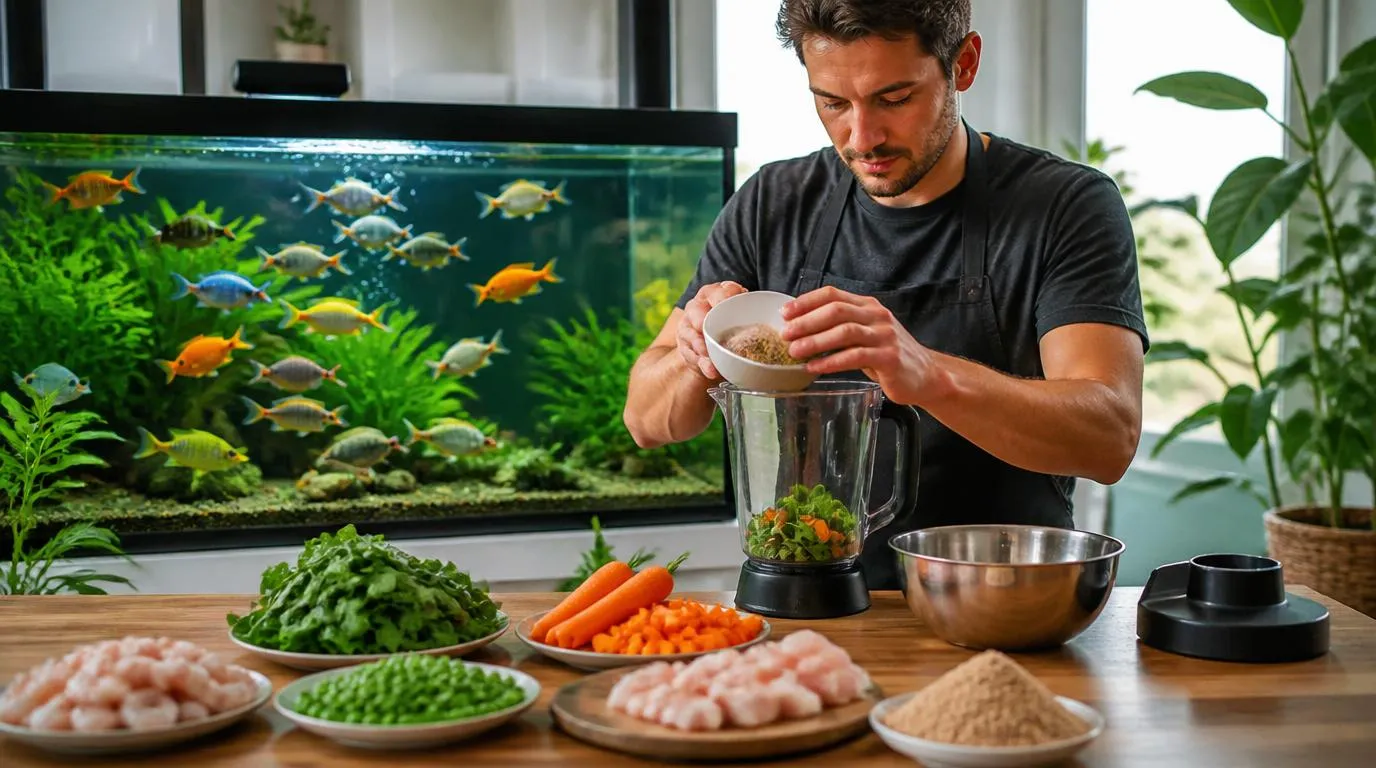 Image via AI Generated
Create nutritious homemade food for your aquarium fish with simple ingredients and proper nutrient balance.
Read Full RecipeHomemade fish food allows you to control the quality of ingredients, avoid fillers and preservatives, and customize recipes for your specific fish species. It can be more nutritious and cost-effective, and you can ensure it's free from artificial colors and chemicals.
Essential nutrients include: protein (40-50% for carnivores, 30-40% for omnivores), fats (5-15% depending on species), carbohydrates (limited for most fish), vitamins (especially A, C, D, E, and B-complex), minerals (calcium, phosphorus), and fiber. The exact balance depends on whether your fish are herbivores, carnivores, or omnivores.
Feed small amounts 1-2 times daily, only what your fish can consume in 2-3 minutes. Overfeeding is the most common mistake. For most aquarium fish, a portion about the size of their eye is sufficient per feeding. Remove any uneaten food after 5 minutes to prevent water quality issues.
Yes, many human foods are excellent for fish: vegetables (spinach, peas, zucchini), seafood (shrimp, fish fillet), and other ingredients like garlic (immune booster) and spirulina. Avoid foods with salt, oils, spices, or preservatives. Always wash and prepare ingredients properly.
Homemade fish food should be frozen for long-term storage. Portion into daily servings using ice cube trays or small bags. Frozen food lasts 3-6 months. Refrigerated food lasts 3-5 days. Always thaw frozen food in tank water before feeding, never in warm water or microwave.
For sinking food: Use heavier ingredients like ground shrimp shells or add agar-agar/ gelatin. For floating food: Incorporate air by whipping the mixture or include more buoyant ingredients. You can also make gel food that can be pressed onto surfaces for bottom feeders.
Consider adding: spirulina powder (for color enhancement and vitamins), calcium carbonate (for shelled fish), vitamin supplements specifically for fish, garlic juice (immune booster), and probiotics. Always use supplements in moderation and research species-specific needs.
Yes, homemade food can affect water quality if not prepared properly. Use high-quality ingredients, avoid oily foods, and remove uneaten food promptly. Well-made homemade food often creates less waste than commercial foods because it contains fewer fillers.
Avoid: onions, garlic in large quantities (small amounts are okay), avocado, chocolate, caffeine, alcohol, and any foods with preservatives, salt, or spices. Also avoid feeding terrestrial animal meats (beef, chicken) as they're difficult for fish to digest.