Follow Along: A Foolproof Guide
Making your own guinea pig food at home is simpler than you think. This step by step homemade guinea pig food recipe walks you through every stage – from selecting fresh vegetables to storing the dry mix. No prior experience needed. Let's get started!
Table of Contents
Step-by-Step Guinea Pig Meal
Beginner Friendly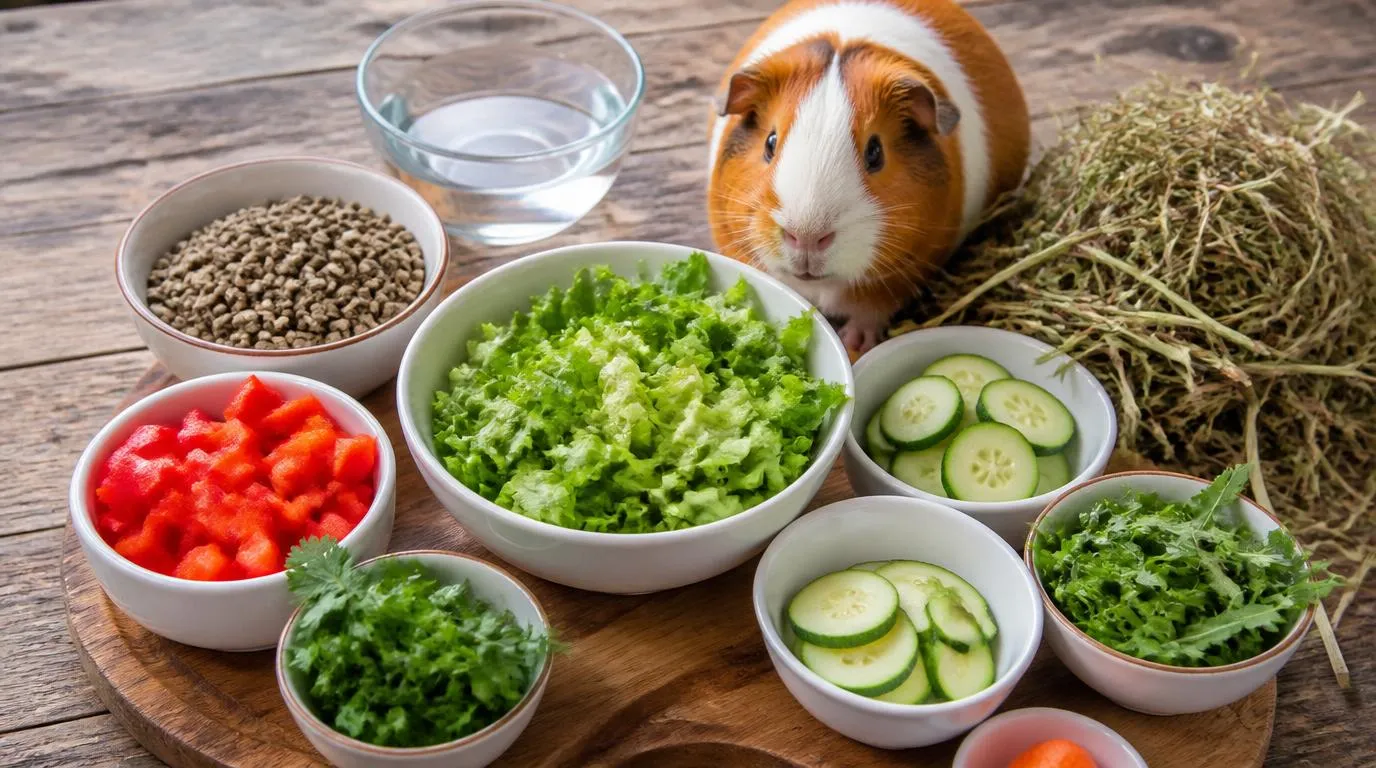
Ingredients (per pig, per day)
- Plain guinea pig pellets (no added seeds/fruit) 2 tbsp (≈15g)
- Red bell pepper (diced) 1 slice (≈20g)
- Fresh cilantro or parsley 3-4 sprigs
- Romaine lettuce leaf 1 medium
- Cucumber (sliced) 2 rounds
- Timothy hay unlimited
- Fresh water always available
Optional: zucchini, dandelion greens, a tiny carrot piece.
Nutrition Snapshot (per serving)
Detailed Step-by-Step Instructions
- Step 1: Gather your tools & ingredients. You'll need a cutting board, small knife, measuring spoon, and a clean ceramic bowl.
- Step 2: Wash all fresh produce. Rinse bell pepper, cilantro, romaine, and cucumber under cool running water. Pat dry with a paper towel.
- Step 3: Prepare the vegetables. Remove seeds from bell pepper and dice into ½-inch pieces. Tear romaine into bite-sized strips. Slice cucumber into thin rounds.
- Step 4: Measure the pellets. Use exactly 2 tablespoons of plain, fortified guinea pig pellets (no colored bits or seeds).
- Step 5: Assemble the bowl. Place pellets on one side of the bowl. Arrange fresh vegetables on the other side – do not mix them into pellets to prevent moisture spoilage.
- Step 6: Serve immediately. Put the bowl in your guinea pig's enclosure. Remove any uneaten fresh vegetables after 4-6 hours.
- Step 7: Refill hay & water. Ensure unlimited timothy hay is available and water bottle is full.
- Step 8: Clean daily. Wash the bowl with hot soapy water before each feeding.
Pro tip: For busy mornings, pre-chop 2-3 days worth of vegetables and store in an airtight container in the fridge.
Pros & Cons of Making Food at Home
Pros
- Complete control over freshness and quality.
- No hidden preservatives or fillers.
- Customizable for picky eaters.
- Often cheaper than premium commercial mixes.
Cons
- Requires daily preparation time.
- Must be vigilant about spoilage.
- Nutritional balance depends on consistent ingredients.
Why Each Ingredient Matters
Ingredient Breakdown
- Red bell pepper: Top source of Vitamin C – prevents scurvy.
- Cilantro: Provides antioxidants and aids digestion.
- Romaine lettuce: Hydrating, low-calorie base; never iceberg.
- Cucumber: High water content for urinary health.
- Pellets: Ensure balanced minerals and fortified vitamins.
- Timothy hay: Essential fiber for gut motility and teeth wear.
Daily Feeding Chart by Guinea Pig Type
Quick Reference
- Adult (1-5 years): 2 tbsp pellets + 1 cup veggies + unlimited hay.
- Young (under 6 months): Unlimited alfalfa-based pellets + alfalfa hay.
- Senior (5+ years): Same as adult but soften veggies if dental issues.
- Pregnant/nursing: Increase pellets to ¼ cup, add alfalfa hay.
Fun Recipe Twists
Try These Swaps
- No cilantro? Use dill or flat-leaf parsley (small amounts).
- Add crunch: A small piece of carrot or bell pepper stem.
- Herb boost: Sprinkle dried chamomile or dandelion leaves.
- Seasonal: Summer squash, green beans (fresh), or radicchio.
Must-Have Items for Easy Prep
Recommended Tools
- Large mixing bowl & spoon – Check price on Amazon
- Airtight glass jar – Check price on Amazon
- Kitchen scale (optional) – Check price on Amazon
- Small ceramic serving bowl – Check price on Amazon
As an Amazon Associate we earn from qualifying purchases.
Keeping Ingredients Fresh & Safe
Safety First
- Store dry pellets in a cool, dark cabinet – use within 6 weeks of opening.
- Fresh vegetables keep best in a sealed container in the fridge (max 3 days pre-cut).
- Never feed wilted, slimy, or moldy produce – discard immediately.
- Remove uneaten fresh food from cage after 4-6 hours to prevent bacterial growth.
You've Got This!
Following this step by step homemade guinea pig food recipe ensures your pet gets a fresh, balanced meal every day. Start with the basic ingredients, then experiment with safe vegetable rotations. Your guinea pig will thank you with happy wheeks and a shiny coat. Remember: hay is the hero, veggies provide vitality, and pellets fill nutritional gaps. Happy feeding!
Frequently Asked Questions
How often should I feed my guinea pig homemade food?
Twice daily – morning and evening. Remove uneaten vegetables after 4 hours to keep the cage clean.
Can I prepare the vegetable mix in advance?
Yes, you can chop up to 3 days worth of veggies and store in an airtight container in the refrigerator. Discard if any moisture or sliminess appears.
What if my guinea pig refuses certain vegetables?
Try introducing one new veggie at a time, mixed with a favorite. Patience is key – some guinea pigs need 5-10 exposures before accepting new foods.
Is it safe to feed this recipe to baby guinea pigs?
For pups under 6 months, use alfalfa-based pellets and alfalfa hay. Introduce small amounts of soft vegetables (like bell pepper) gradually.
How do I know if my homemade diet is balanced?
Monitor your guinea pig's weight, energy, and droppings (should be firm, oval, and plentiful). Annual vet checkups are recommended to assess nutritional status.