
How to Make Homemade Reptile Food for Bearded Dragons
A balanced diet of fresh greens, vegetables, and live insects. Complete recipe and feeding guide for a healthy bearded dragon.
Read Full RecipeDiscover vet-approved homemade reptile food recipes for lizards, snakes, turtles, tortoises and other reptiles. Create balanced, nutritious meals with our comprehensive guides.
Explore All Recipes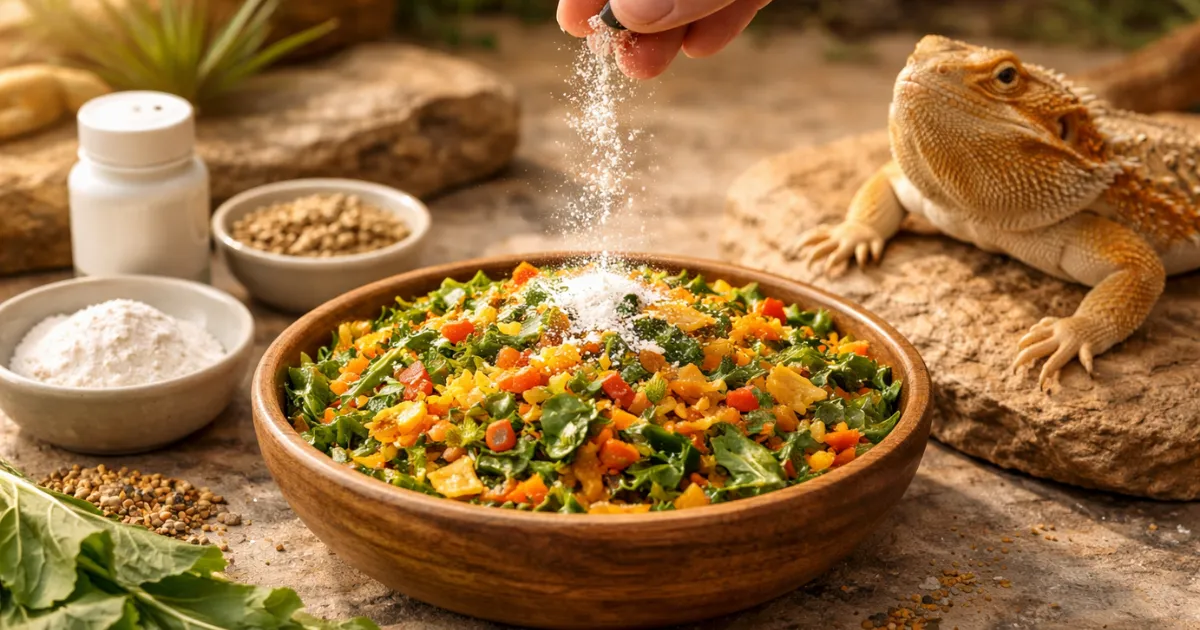 Image via AI Generated
A balanced diet of fresh greens, vegetables, and live insects. Complete recipe and feeding guide for a healthy bearded dragon.
Read Full RecipeHomemade reptile food can be beneficial when properly balanced, as it allows you to control the quality of ingredients and ensure freshness. Commercial reptile foods are formulated to be complete and balanced for specific species. Homemade diets require careful planning to ensure all nutritional needs are met, especially calcium-to-phosphorus ratios. Always consult with a reptile veterinarian or herpetologist before switching to homemade food.
Essential supplements for homemade reptile diets include calcium (with and without vitamin D3), multivitamins, and sometimes specific amino acids. The exact supplements depend on the species, age, and reproductive status of your reptile. Calcium is particularly crucial for bone health and preventing metabolic bone disease. Never guess - work with a reptile veterinarian to determine the right supplements and dosages for your specific reptile.
The amount varies based on your reptile's species, size, age, activity level, and health status. Herbivorous reptiles typically need daily feeding of fresh greens and vegetables, while insectivores need appropriately sized insects 2-3 times per week. Carnivorous reptiles may only eat once a week or less. Research your specific reptile species and consult with a reptile veterinarian for specific recommendations.
It's generally not recommended to feed wild-caught insects to reptiles. Wild insects may carry parasites, pesticides, or diseases that can harm your reptile. They may also have been exposed to environmental toxins. Always use commercially bred feeder insects from reputable sources, as these are raised specifically as reptile food and are free from harmful substances.
Fresh homemade reptile food should be refrigerated in airtight containers and used within 2-3 days. Vegetable mixes for herbivores can sometimes last up to 5 days if kept very fresh. For insectivores, always gut-load feeder insects with nutritious foods 24-48 hours before feeding. Never leave fresh food in the enclosure for more than 24 hours to prevent spoilage and bacterial growth.
Transition gradually over 2-4 weeks: Start by mixing a small amount of the new homemade food with their current diet. Gradually increase the proportion of homemade food while decreasing the old diet. Watch for changes in appetite, digestion, and behavior. Some reptiles can be stubborn about new foods, so patience is key. Offer the new food at the beginning of feeding time when your reptile is most hungry.
Safe vegetables for herbivorous reptiles include: collard greens, mustard greens, dandelion greens, endive, escarole, squash, sweet potato, bell peppers, and green beans. Avoid or limit vegetables high in oxalates (like spinach and beet greens) and goitrogens (like kale and broccoli). Research your specific reptile species, as dietary requirements vary significantly between different herbivorous reptiles.
Calcium supplements (without D3) should be used at almost every feeding for growing reptiles and breeding females, and 3-4 times per week for adults. Calcium with D3 should be used 1-2 times per week if your reptile doesn't receive adequate UVB lighting. Multivitamin supplements should be used 1-2 times per week. Always follow specific recommendations for your reptile species.
Yes, many foods are toxic or harmful to reptiles including: avocado, rhubarb, chocolate, caffeine, alcohol, onions, garlic, and foods high in oxalates or goitrogens. Some insects like fireflies are extremely toxic. Certain plants and flowers can also be toxic. Always research before adding any new food to your reptile's diet and stick to reptile-safe ingredients in approved quantities.