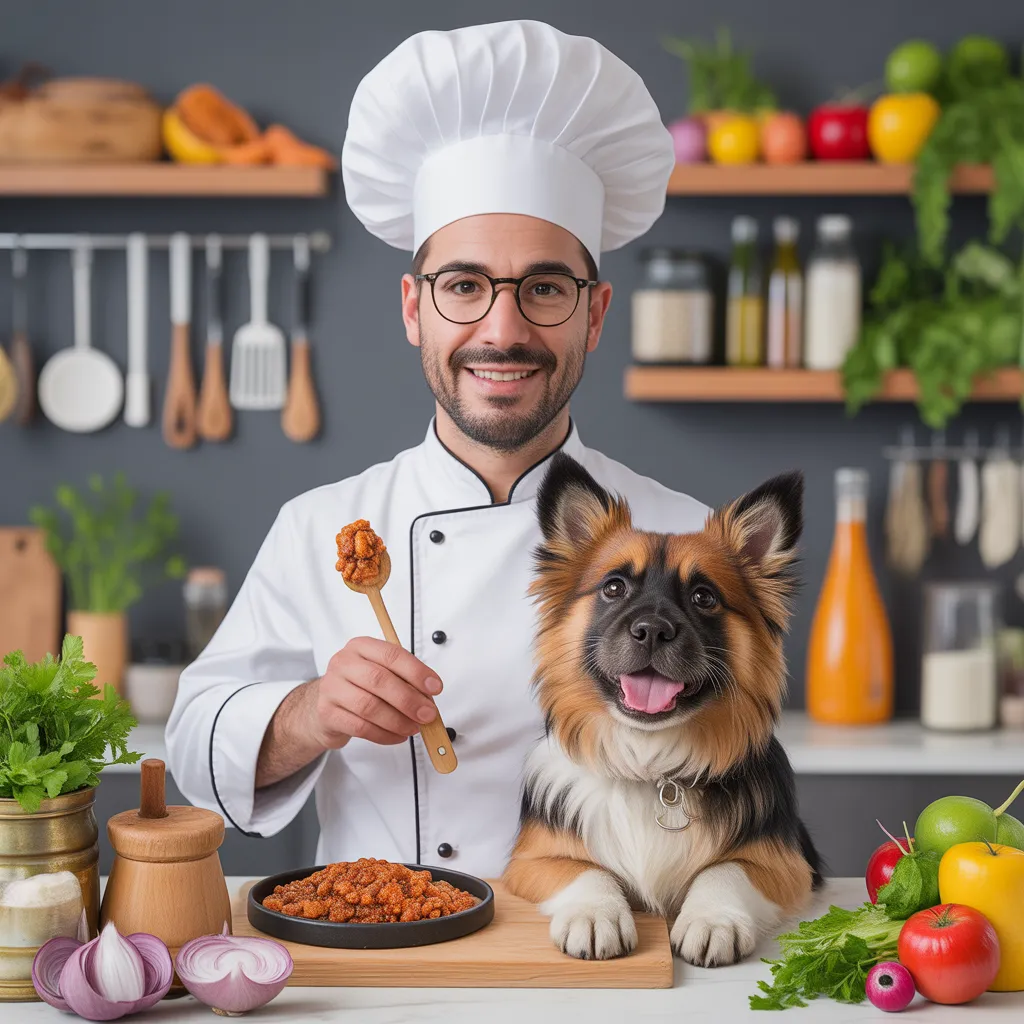
Recipe Introduction
Large breed dogs have specific nutritional needs – they require controlled calcium and phosphorus levels for proper bone development, moderate fat to prevent obesity, and ingredients that support joint health. This homemade dog food for large dogs is formulated with those needs in mind, using lean protein, glucosamine‑rich vegetables, and healthy grains to keep your big companion strong and agile.
I developed this recipe after working with several owners of Great Danes, Labradors, and German Shepherds who wanted to provide their dogs with fresh, wholesome meals without compromising on the nutrients essential for large breeds. The combination of lean ground beef (or turkey), brown rice, sweet potato, and green beans offers a balance of protein, slow‑release carbohydrates, and natural anti‑inflammatory compounds.
This recipe is designed to be calorie‑dense enough to satisfy a big appetite without encouraging weight gain, and the ingredient list includes foods known to support joint health – an important consideration for large dogs prone to hip dysplasia and arthritis.
Table of Contents
Large Breed Beef & Brown Rice Recipe
Joint Support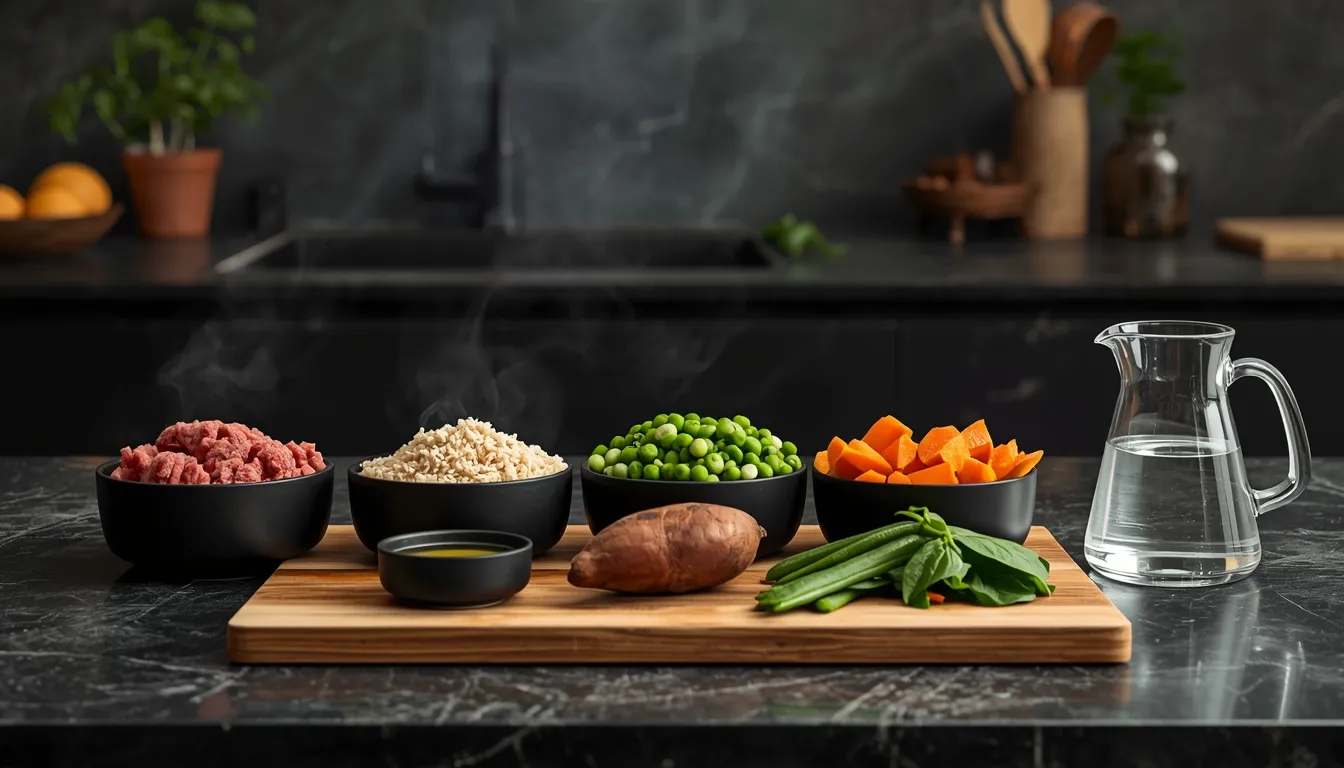
Ingredients
- Lean ground beef (85/15 or leaner) 2 lbs
- Brown rice (uncooked) 2 cups
- Sweet potato, peeled and diced 1 large
- Carrot, chopped 2 large
- Green beans, chopped 1 cup
- Peas (fresh or frozen) 1 cup
- Spinach, chopped (optional) 1 cup
- Olive oil or coconut oil 2 tablespoons
- Water 6 cups (divided)
Joint‑supporting extras: Add ½ cup of cooked pumpkin (fiber) or 1 teaspoon of ground turmeric (anti‑inflammatory) if your dog tolerates them. Always consult your vet before adding supplements.
Nutritional Info (per 1 cup serving)
Approximate values. Add a large‑breed canine multivitamin if used as a complete diet. Monitor calcium‑phosphorus balance.
Step-by-Step Cooking Instructions
- Rinse the rice: Rinse brown rice under cool water to remove dust. Set aside.
- Brown the beef: In a large Dutch oven or stockpot, cook ground beef over medium heat until browned. Drain excess fat.
- Cook the rice: Add 4 cups of water and the rinsed rice to the pot. Bring to a boil, then reduce heat, cover, and simmer for 40 minutes (or until rice is tender).
- Prepare vegetables: While rice cooks, peel and dice sweet potato, chop carrots and green beans.
- Add vegetables: About 10‑15 minutes before rice is done, stir in sweet potato, carrots, green beans, and peas. Add extra water if needed. Cook until vegetables are tender.
- Finish and cool: Once rice and vegetables are cooked, remove from heat. Stir in olive oil and spinach (if using). Mix well. Let cool completely before serving.
- Portion: Divide into meal‑sized portions (1‑2 cups depending on dog size) and refrigerate or freeze.
Pros and Cons of Homemade Food for Large Dogs
Pros
- Supports joint health – ingredients like sweet potato and green beans provide natural anti‑inflammatory compounds.
- Lean protein – helps maintain muscle mass without excess fat.
- Controlled growth – you can manage calcium and phosphorus more precisely (with vet guidance).
- High palatability – large dogs often love the rich flavor of beef.
- Easily customizable – adjust portions and ingredients to match activity level.
Cons
- Requires careful nutrient balance – especially calcium:phosphorus ratio for bone health.
- Higher volume – large dogs need more food, which can increase preparation time.
- Storage space – you'll need ample freezer space for batch cooking.
- Risk of overfeeding – large dogs can gain weight quickly if portions aren't accurate.
- Transition period – slow introduction is essential to avoid digestive upset.
Nutritional Tips – Why These Ingredients Support Large Dogs
Ingredient Benefits
- Lean ground beef: High‑quality protein, iron, zinc. Choose 85/15 or leaner to control fat.
- Brown rice: Slow‑release energy, fiber, and essential minerals. Supports steady blood sugar.
- Sweet potato: Rich in beta‑carotene and anti‑inflammatory compounds; excellent for joint health.
- Carrots: Vitamin A and fiber; natural crunch supports dental health.
- Green beans & peas: Low‑calorie sources of vitamins K, C, and fiber; help with weight management.
- Spinach: Iron and antioxidants; use in moderation.
- Olive oil: Healthy fats for skin, coat, and brain function.
Serving Suggestions by Weight
Large dogs need calorie‑dense meals in appropriate volumes. Use these daily guidelines as a starting point, split into two meals.
- 50‑70 lbs (e.g., Labrador, Boxer): 2 to 3 cups total per day
- 70‑90 lbs (e.g., Golden Retriever, Rottweiler): 3 to 4 cups total per day
- 90‑110 lbs (e.g., Great Dane, Mastiff): 4 to 6 cups total per day
- Active working dogs: Add up to 25% more
- Senior large dogs: Slightly reduce portion if activity decreases; consider joint supplements.
Monitor body condition: you should be able to feel ribs easily without seeing them. Adjust portions as needed. Serve at room temperature.
Recipe Variations for Large Dogs
Customize for Your Big Companion
- Turkey & Quinoa: Replace beef with ground turkey and use quinoa instead of brown rice for a lighter option.
- Fish version: Use boneless, skinless salmon or white fish (cod) for omega‑3 fatty acids – excellent for joint and coat health.
- Grain‑free: Omit rice and add 2 cups of cooked quinoa or 3 cups of mashed sweet potato.
- For senior dogs: Add ½ cup of cooked pumpkin for fiber and consider a glucosamine supplement.
- For weight management: Increase green beans and reduce rice slightly to lower calorie density.
Always introduce new ingredients gradually and watch for any adverse reactions. Consult your veterinarian before adding supplements like glucosamine or turmeric.
Must-Have Kitchen Items
Recommended Tools
- Digital Kitchen Scale – for precise portioning. Check price on Amazon (our top pick)
- Large Stock Pot or Dutch Oven – for cooking large batches. Check price on Amazon
- Chef's Knife – for chopping vegetables. Check price on Amazon
- Large Storage Containers – freezer‑safe for meal prep. Check price on Amazon
- Food Thermometer – ensures meat is cooked safely. Check price on Amazon
We participate in the Amazon Services LLC Associates Program, an affiliate advertising program designed to provide a means for us to earn fees by linking to Amazon.com and affiliated sites. As an Amazon Associate, we earn from qualifying purchases.
Storage and Safety Tips
Keep It Fresh
- Refrigerator: Store in an airtight container for up to 4 days.
- Freezer: Portion into individual servings (1‑2 cups) and freeze for up to 3 months.
- Thawing: Thaw frozen portions in the refrigerator overnight. Never leave at room temperature.
- Signs of spoilage: Sour smell, mold, or if it's been in the fridge more than 4 days – discard immediately.
- Warming: Gently warm refrigerated food by placing the container in warm water or microwaving on low power, stirring well to avoid hot spots.
Conclusion
Feeding a large dog homemade food can be a wonderful way to support their health, especially when you focus on lean protein, joint‑supporting ingredients, and proper portion control. This recipe is designed to meet the needs of big breeds, but remember that every dog is unique.
Start with the basic recipe, monitor your dog's weight, energy, and stool quality, and adjust portions or ingredients as needed. Regular veterinary checkups are essential to ensure your homemade diet remains balanced over the long term.
If you prepare this for your large companion, I hope you enjoy the satisfaction of feeding them real, wholesome food. Happy cooking, and give your big dog an extra treat from me!
Frequently Asked Questions
Is this recipe suitable for giant breeds like Great Danes?
Yes, but you'll need to adjust portions upward (4‑6 cups per day) and pay close attention to calcium:phosphorus balance. Consult your veterinarian to ensure the diet meets the specific needs of giant breeds, especially during growth phases.
Can I use ground turkey instead of beef?
Absolutely. Ground turkey is a great lean alternative. If using turkey, you may want to add a little more olive oil to ensure adequate fat content for energy.
How do I ensure proper calcium levels for large breed puppies?
Large breed puppies have specific calcium requirements to avoid developmental orthopedic disease. This recipe is not recommended for growing puppies unless you add a balanced large‑breed puppy supplement under veterinary supervision. Always consult your vet before feeding homemade food to a growing large breed.
Can I add glucosamine to this recipe?
Yes, many large dogs benefit from glucosamine and chondroitin for joint support. You can add a veterinarian‑approved supplement to the food after cooking. Never add supplements without consulting your vet first.
How long does this recipe last in the freezer?
Properly stored in airtight, freezer‑safe containers, it will keep for up to 3 months. Label each container with the date to track freshness.
How do I transition my large dog to this homemade food?
Start by mixing 20% homemade with 80% current food, then gradually increase the proportion over 10‑14 days. Large dogs can have sensitive stomachs, so go slowly and watch for any digestive changes.