Why Homemade Guinea Pig Food?
Guinea pigs need a consistent source of Vitamin C, fiber, and a balanced mix of nutrients. Commercial pellets often contain preservatives and lose potency over time. Making your own easy homemade guinea pig food ensures fresh, natural ingredients and lets you control exactly what your cavy eats. This beginner‑friendly recipe combines fortified guinea pig pellets (or a pellet‑free base), wholesome grains, and fresh Vitamin C‑rich vegetables to support immunity and digestion.
Always provide unlimited timothy hay alongside any meal. This guide gives you a simple dry mix plus daily fresh veggie additions that even first‑time owners can master.
Table of Contents
Beginner’s Guinea Pig Dry Mix + Fresh Veggie Guide
Vitamin C Boost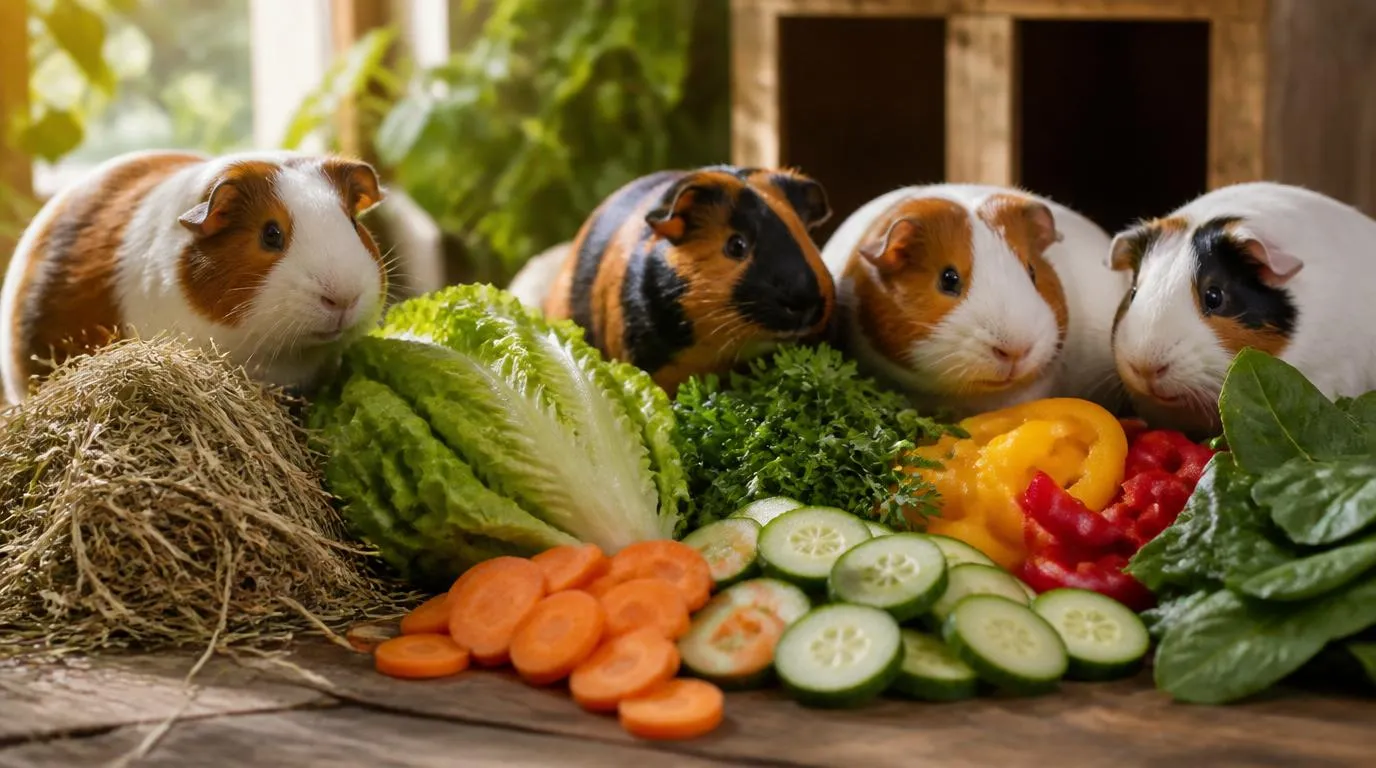
Ingredients (Dry Mix)
- Plain guinea pig pellets (no seeds/fruit added)1 cup
- Rolled oats (old‑fashioned)½ cup
- Dried parsley (crumbled)2 tbsp
- Dried dandelion leaves1 tbsp
- Flaxseed meal (ground)1 tbsp
Daily Fresh Vegetables (must provide): bell pepper (red/green, 1 slice), small piece of cucumber, cilantro sprigs, or a baby carrot. Rotate to ensure Vitamin C.
No seeds, nuts, or dried fruit. Unlimited timothy hay essential.
Approx. Nutrition (per ¼ cup dry mix + veggies)
Step‑by‑Step Instructions
- Combine dry ingredients: In a large bowl, mix guinea pig pellets, rolled oats, dried parsley, dandelion leaves, and flaxseed meal. Stir well.
- Store mix: Transfer to an airtight glass jar. Keep in cool, dark place. Use within 8 weeks.
- Daily serving: Offer 1/8 to 1/4 cup of dry mix per guinea pig (adjust for weight).
- Fresh veggie boost: Wash and chop 1⁄4 cup of fresh vegetables high in Vitamin C (bell pepper, kale, cilantro). Serve alongside dry mix.
- Unlimited hay: Always provide fresh timothy hay – 80% of their diet should be hay.
- Water: Change daily in a heavy ceramic bowl or sipper bottle.
Pros & Cons of Homemade Guinea Pig Diet
Pros
- No artificial preservatives or fillers.
- You control Vitamin C freshness.
- Cost‑effective when buying pellets & veggies in bulk.
- Encourages natural foraging and variety.
Cons
- Requires daily fresh vegetables (non‑negotiable).
- Potential for nutritional gaps if not balanced.
- Must store dry mix carefully to avoid moisture.
Why These Ingredients Work for Guinea Pigs
Key Nutrients
- Plain pellets: Fortified with stabilized Vitamin C & minerals.
- Rolled oats: Gentle fiber and energy.
- Parsley & dandelion: Natural Vitamin C, calcium for teeth/bones.
- Flaxseed meal: Omega‑3 for skin and coat.
- Bell peppers/cilantro: Excellent daily Vitamin C sources.
Daily Feeding Guidelines for Healthy Guinea Pigs
- Hay: Unlimited timothy or orchard grass – refill twice daily.
- Dry mix: 1/8 cup for young adults, up to 1/4 cup for larger breeds.
- Fresh vegetables: 1 cup per guinea pig per day (divided into two servings). Prioritize red bell pepper, cilantro, romaine.
- Fruit: Occasional treat (blueberry or small apple slice) once a week only.
- Avoid: Iceberg lettuce, onion, garlic, avocado, rhubarb.
- Vitamin C supplement: Consult vet if using homemade diet without fortified pellets.
Customize for Pregnant, Young, or Senior Guinea Pigs
Life Stage Adjustments
- Pregnant/nursing: Increase alfalfa hay and add a pinch of dried alfalfa to dry mix; extra parsley.
- Young guinea pigs (<6 months): Use alfalfa‑based pellets, unlimited dry mix, plus alfalfa hay.
- Seniors: Soften oats with water, reduce high‑calcium greens to prevent stones.
- Overweight: Limit dry mix to 1 tbsp, increase exercise and leafy greens.
Must‑Have Items for Homemade Guinea Pig Food
Recommended Tools
- Large mixing bowl & spoon – Check price on Amazon
- Airtight glass jar – Check price on Amazon
- Kitchen scale (optional) – Check price on Amazon
- Small ceramic serving bowl – Check price on Amazon
As an Amazon Associate we earn from qualifying purchases.
Storage & Safety Tips
Keep It Safe
- Dry mix: Airtight container, cool & dark – use within 2 months.
- Fresh produce: Wash thoroughly; remove uneaten veggies after 6 hours.
- Signs of spoilage: Mold, musty smell, or clumping – discard immediately.
- No toxic foods: Chocolate, coffee, onions, garlic, leeks, or human junk food.
- Clean bowls daily: Bacteria from leftover veggies can cause bloat.
Start Your Guinea Pig’s Homemade Diet Today
Creating fresh, homemade guinea pig food is rewarding and ensures your pet gets optimal nutrition. With this easy recipe and the freedom to add rotating vegetables, your guinea pig will thrive. Remember: hay is the cornerstone, fresh veggies are vital, and the dry mix provides balance. Observe your piggy’s weight and droppings, adjust portions, and enjoy a happy, wheeking companion.
Frequently Asked Questions
Can guinea pigs survive without pellets?
Yes, with careful planning. A pellet‑free diet requires unlimited hay, a variety of Vitamin C‑rich veggies, and small amounts of fortified grains. See our "natural homemade guinea pig food without pellets" guide for details.
How much Vitamin C does my guinea pig need daily?
Adult guinea pigs need 10‑30 mg per day. One slice of red bell pepper provides ~15 mg. Supplement if feeding minimal veggies.
Can I feed this recipe to baby guinea pigs?
For pups under 6 months, use alfalfa‑based pellets and add alfalfa hay. Introduce veggies slowly and avoid excess calcium.
What vegetables are toxic for guinea pigs?
Never feed potato, rhubarb, onion, garlic, chives, or iceberg lettuce (low nutrients, can cause diarrhea).
How long can I store homemade dry mix?
Up to 8 weeks in an airtight container in a pantry. For longer storage, freeze for up to 5 months.