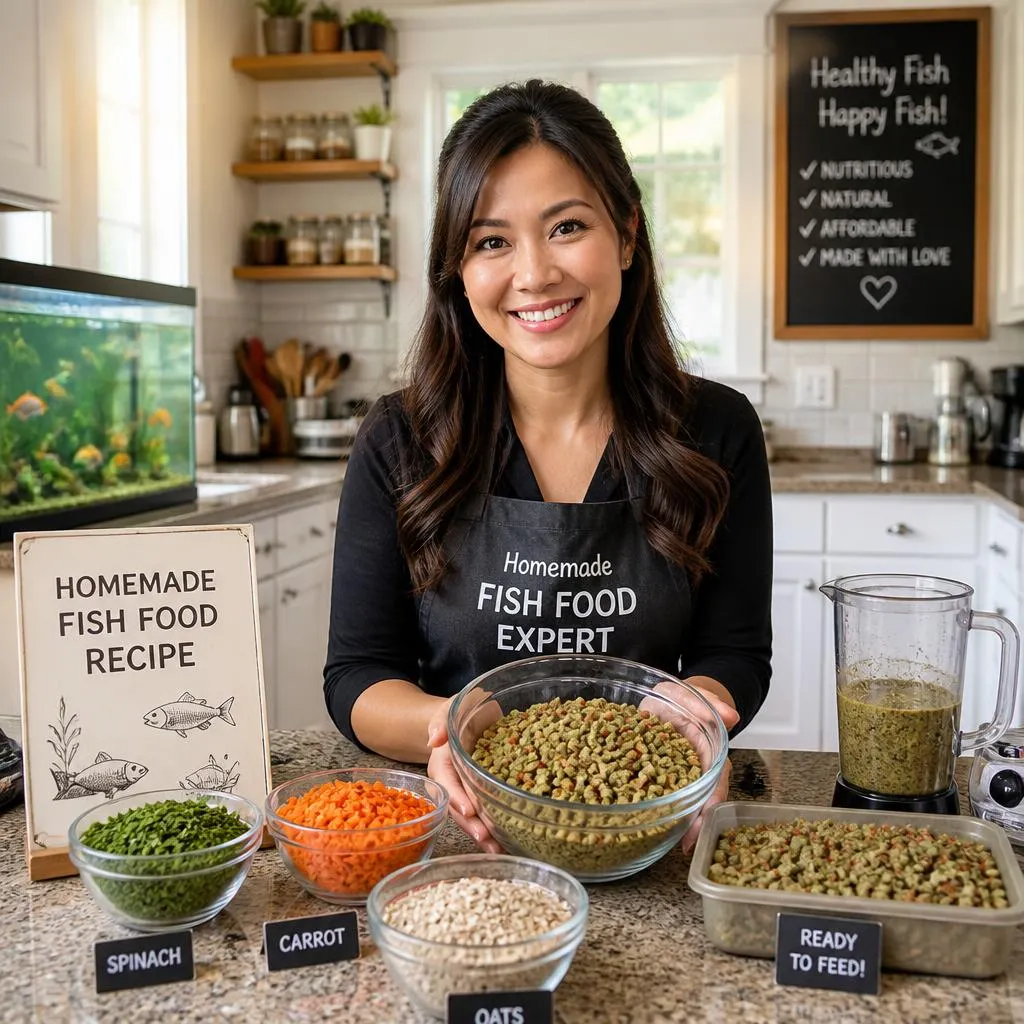
Recipe Introduction
Making your own homemade fish food is a fantastic way to provide your aquarium fish with fresh, high‑quality nutrition. Commercial fish foods can be excellent, but homemade blends let you control ingredients, avoid preservatives, and tailor the recipe to your fish's specific needs. This gel‑based recipe is suitable for most tropical freshwater fish, goldfish, and even bettas when prepared with appropriate particle sizes.
I've been keeping fish for over 15 years, and this recipe has become my go‑to for ensuring my fish receive a balanced diet rich in protein, vitamins, and natural color‑enhancing ingredients. The base includes fish or shrimp for protein, vegetables for fiber and vitamins, and gelatin to bind everything into a stable, slow‑sinking food that doesn't cloud the water.
Whether you keep tetras, cichlids, goldfish, or a community tank, this recipe can be easily adapted to suit their dietary needs.
Table of Contents
Basic Homemade Fish Food (Gel Formula)
Aquarium Safe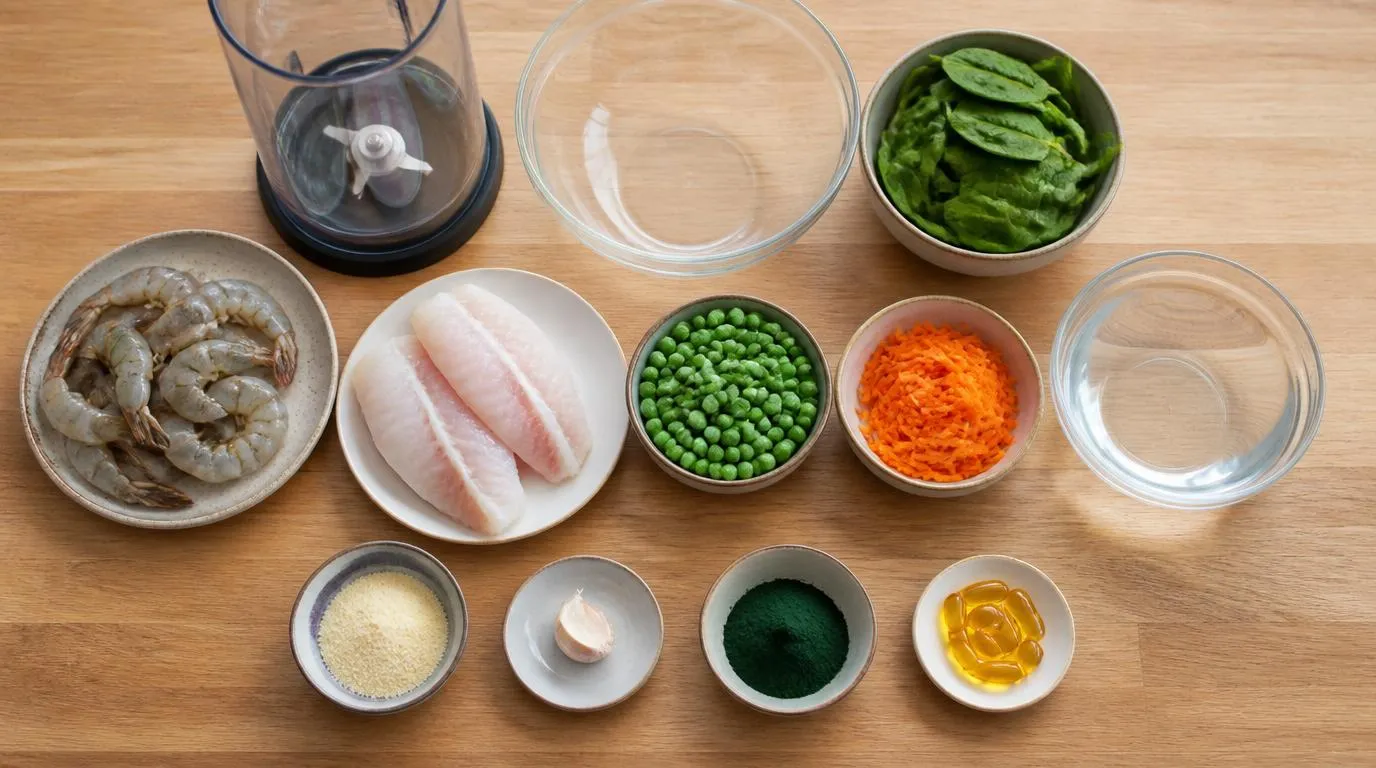
Ingredients
- Raw shrimp or white fish (cod, tilapia) ½ cup
- Peas (fresh or frozen, shelled) ¼ cup
- Carrot, finely grated ¼ cup
- Spinach (fresh or frozen) ¼ cup
- Unflavored gelatin (powder) 1 packet (7g)
- Water ½ cup
- Garlic (optional, for immune boost) 1 clove, crushed
Optional additions: Spirulina powder (1 tsp) for color enhancement, fish oil for omega‑3s, or crushed multivitamin for extra nutrition.
Approximate Nutritional Profile (per teaspoon)
Values vary with ingredients. This recipe is a supplement to a varied diet; do not rely solely on homemade food without ensuring nutritional completeness.
Step-by-Step Cooking Instructions
- Prepare the seafood: If using raw shrimp, remove shells and devein. If using white fish, ensure it is boneless and skinless. Rinse well.
- Blend the base: In a food processor or blender, combine the shrimp/fish, peas, carrot, spinach, and garlic (if using). Pulse until you get a smooth paste. Add a tablespoon of water if needed to help blending.
- Prepare gelatin: In a small saucepan, sprinkle the unflavored gelatin over ½ cup of cold water. Let it sit for 2 minutes to bloom. Then heat gently over low flame, stirring constantly, until the gelatin dissolves completely (do not boil).
- Combine and heat: Add the seafood‑vegetable paste to the gelatin mixture. Stir well over low heat for 2‑3 minutes to ensure everything is thoroughly combined and lightly cooked. Remove from heat.
- Pour and set: Pour the mixture into a shallow dish (or ice cube trays for easy portions). Spread evenly to about ½‑inch thickness. Refrigerate for at least 2 hours until firm.
- Portion and store: Once set, cut into small cubes or use a knife to score into bite‑sized pieces appropriate for your fish. Store in an airtight container in the refrigerator for up to 2 weeks, or freeze for longer storage.
- Feeding: Offer a small amount once or twice a day, removing any uneaten food after a few minutes to prevent water pollution.
Pros and Cons of Homemade Fish Food
Pros
- Fresh, high‑quality ingredients – no preservatives or fillers.
- Customizable – tailor protein, vegetables, and supplements to your fish species.
- Cost‑effective – especially for larger tanks or multiple tanks.
- Better water quality – gel foods often produce less waste than flake foods when fed properly.
- Natural color enhancement – ingredients like spirulina and shrimp boost coloration.
Cons
- Time‑consuming – requires preparation every few weeks.
- Potential for nutritional imbalance – must ensure a varied diet.
- Shorter shelf life – must be refrigerated or frozen.
- Risk of water clouding – if overfed or not bound properly.
- Requires careful portioning – to avoid waste.
Nutritional Tips – Why These Ingredients Are Good for Fish
Ingredient Benefits
- Shrimp/fish: Excellent source of protein, amino acids, and natural astaxanthin (color enhancer).
- Peas: Rich in fiber to aid digestion; helps prevent bloat in goldfish.
- Carrot: Beta‑carotene for vibrant colors; vitamins A and C.
- Spinach: Iron, calcium, and antioxidants; promotes overall health.
- Garlic: Natural immune booster and appetite stimulant; may help combat parasites.
- Gelatin: Binds ingredients into a stable gel that slowly sinks and is easy for fish to consume.
- Spirulina: High in protein, vitamins, and natural blue‑green pigments; excellent for herbivorous fish.
Feeding Guidelines
Feed only as much as your fish can consume in 2‑3 minutes. Overfeeding is the most common cause of poor water quality. Adjust amounts based on tank size, fish species, and number of fish.
- Small fish (tetras, rasboras, bettas): Feed tiny pieces equivalent to the size of their eye, 1‑2 times daily.
- Medium fish (angelfish, gouramis): Offer a few small cubes or flakes, 1‑2 times daily.
- Large fish (cichlids, goldfish): Feed 1‑2 cubes per fish per feeding, 1‑2 times daily.
- Bottom feeders (catfish, loaches): Ensure food reaches the bottom; you can let cubes sink or attach to a clip.
Always remove uneaten food after a few minutes to prevent ammonia spikes. Introduce homemade food gradually, mixing with their regular diet at first.
Recipe Variations by Fish Type
Customize for Your Fish
- For tropical fish: Add spirulina powder (1 tsp) and a pinch of paprika for color.
- For goldfish: Increase vegetable content (more peas, spinach) and reduce protein slightly. Avoid garlic if goldfish show sensitivity.
- For bettas: Use more protein (shrimp or fish) and add a drop of fish oil for omega‑3s. Make very small granules.
- For herbivorous fish (plecos, mbuna): Substitute protein with zucchini, cucumber, and add spirulina; use agar‑agar instead of gelatin for a vegetarian version.
- For carnivorous fish (oscars, puffers): Increase shrimp/fish and add a small amount of beef heart or krill.
Always research the specific dietary needs of your fish species before altering the recipe.
Must‑Have Kitchen Items
Recommended Tools
- Food Processor or Blender – for creating a smooth paste. Check price on Amazon
- Small Saucepan – for dissolving gelatin. Check price on Amazon
- Sharp Knife – for portioning the gel. Check price on Amazon
- Ice Cube Trays or Silicone Molds – for easy portioning. Check price on Amazon
- Feeding Clip or Cone – for attaching gel foods to the tank wall. Check price on Amazon
We participate in the Amazon Services LLC Associates Program, an affiliate advertising program designed to provide a means for us to earn fees by linking to Amazon.com and affiliated sites. As an Amazon Associate, we earn from qualifying purchases.
Storage and Safety Tips
Keep It Fresh & Safe
- Refrigerator: Store in an airtight container for up to 2 weeks.
- Freezer: Portion into cubes and freeze for up to 6 months. Thaw only the amount you'll use within a few days.
- Thawing: Thaw frozen portions in the refrigerator or in a small cup of tank water.
- Water quality: Always remove uneaten food after 5‑10 minutes to avoid ammonia spikes.
- Hygiene: Wash all equipment thoroughly after handling raw seafood to prevent cross‑contamination.
- Observation: Monitor fish for any signs of digestive upset or refusal to eat when introducing new food.
Conclusion
Making your own fish food is a rewarding way to take control of your aquarium inhabitants' nutrition. This gel‑based recipe is a great starting point that can be adapted for almost any freshwater species. The combination of fresh seafood, vegetables, and gelatin creates a stable, nutritious food that most fish find irresistible.
Remember that homemade food should be part of a varied diet. Continue to offer occasional commercial flakes, pellets, or live/frozen foods to ensure a full spectrum of nutrients. Observe your fish closely – their activity, coloration, and breeding behavior will tell you if your homemade recipe is hitting the mark.
If you prepare this for your aquatic friends, enjoy the satisfaction of knowing exactly what goes into their food. Happy fish keeping!
Frequently Asked Questions
Can I use this recipe for saltwater fish?
Yes, with modifications. Saltwater fish often require more marine‑based ingredients like squid, clams, and nori. Avoid garlic for some sensitive marine species. Always research your specific saltwater fish's dietary needs.
How long does homemade gel food last in the fridge?
Properly stored in an airtight container, it lasts up to 2 weeks. For longer storage, freeze in portioned cubes for up to 6 months.
Will this food cloud my aquarium water?
When prepared correctly, gel foods are less likely to cloud water than flake foods because they bind together well. However, overfeeding or leaving uneaten food will always cause water quality issues. Feed small amounts and remove leftovers after a few minutes.
Can I add vitamins or supplements?
Yes. You can crush a fish‑safe multivitamin or add liquid vitamins designed for aquarium fish. Spirulina powder is an excellent natural supplement. Always follow dosage instructions and avoid over‑supplementing.
My fish are not eating the homemade food – what should I do?
Start by mixing a small amount with their regular food. Gradually increase the proportion over a week. Some fish are hesitant about new textures; crushing the gel into smaller, flake‑like pieces can help. Garlic can also stimulate appetite.
Can I use this recipe for fry (baby fish)?
For fry, you need much finer particles. Blend the mixture until very smooth, then press it through a fine sieve or freeze in very thin sheets and crumble. Many breeders prefer live foods for fry, but this gel can work as a supplement.