Persian cats are among the most beloved and recognizable feline breeds, known for their luxurious coats, sweet personalities, and distinctive flat faces. However, their beauty comes with specific care requirements that every Persian cat owner must understand. This comprehensive 2026 guide combines traditional Persian cat wisdom with modern veterinary science to help you provide optimal care for your regal companion.
Proper Persian cat care can prevent 80% of common breed-specific health issues, according to the Cornell Feline Health Center. With daily grooming, appropriate nutrition, and regular veterinary care, Persian cats can live 12-17 healthy, happy years. For general cat care basics, see our complete indoor cat care guide.
Table of Contents
- Complete Persian Grooming Routine 2026
- Persian Cat Health Issues & Prevention
- Optimal Persian Cat Nutrition Guide
- Eye Cleaning & Facial Care Protocol
- Dental Health for Flat-Faced Cats
- Ideal Home Environment Setup
- Socialization & Behavioral Needs
- Persian Cat Care Cost Analysis 2026
- Emergency Preparedness Checklist
- Frequently Asked Questions

Complete Persian Grooming Routine 2026
Persian cats require daily grooming to prevent matting, reduce hairballs, and maintain skin health. Their luxurious coat is their defining feature but also their greatest maintenance challenge. This 2026 grooming protocol is scientifically designed for efficiency and effectiveness:
Daily Brushing Protocol
Essential for preventing mats and reducing shedding. Use a stainless steel comb followed by a slicker brush. Focus on trouble areas: behind ears, underarms, and hindquarters. Daily brushing reduces hairballs by 70%.
Monthly Bathing Schedule
Contrary to myth, Persians need regular baths. Use cat-specific hypoallergenic shampoo. Monthly bathing prevents oil buildup, reduces dander, and keeps coat gleaming. Always dry thoroughly to prevent chill.
Sanitary Trimming
Prevents hygiene issues and matting. Regularly trim hair around hindquarters and sanitary areas. Use rounded-tip scissors for safety. This simple practice prevents 90% of litter box issues in long-haired cats.
Paw & Nail Care
Essential for comfort and health. Trim nails every 2-3 weeks. Check paw pads for hair accumulation between toes - trim to prevent slipping and matting.
Grooming Success Tips
- Start young: Begin grooming kittens at 8-10 weeks to establish routine
- Positive association: Use treats and praise during grooming sessions
- Right tools: Invest in quality grooming tools - they last longer and work better
- Consistency: 10 minutes daily is better than 70 minutes weekly
- Professional help: Consider professional groomer every 3-4 months for deep cleaning
Essential Grooming Kit
Persian Approved
Complete Persian Cat Grooming Kit
Professional grooming kit including stainless steel comb, slicker brush, dematting tool, nail clippers, and rounded scissors. Specifically designed for Persian coat maintenance. Recommended by the American Association of Feline Practitioners.
Check Amazon PricePersian Cat Health Issues & Prevention
Persian cats have several breed-specific health concerns due to their distinctive facial structure and genetic predisposition. Understanding these issues enables proactive prevention:
Persian Cat Health Statistics 2025
Based on 10,000 Persian Cat Health Study Participants:
| Health Condition | Prevalence in Persians | General Cat Population | Prevention Strategies |
|---|---|---|---|
| Polycystic Kidney Disease (PKD) | 38% | 6% | Genetic testing before breeding, annual ultrasound screening |
| Brachycephalic Airway Syndrome | 65% | 2% | Weight management, stress reduction, surgical correction if severe |
| Dental Malocclusion | 42% | 12% | Regular dental checkups, specialized diets, dental toys |
| Eye Conditions (Epiphora, Entropion) | 58% | 8% | Daily eye cleaning, regular veterinary ophthalmology exams |
| Skin Fold Dermatitis | 27% | 3% | Regular cleaning of facial folds, proper grooming |
Data from International Cat Care 2025 Persian Health Study, published in Journal of Feline Medicine and Surgery.
Emergency Health Warning Signs
Persian cats may hide symptoms until conditions become severe. Seek immediate veterinary care if you notice:
- Open-mouth breathing or panting: Could indicate respiratory distress
- Sudden eye swelling or squinting: Potential corneal ulcer or injury
- Reduced appetite with increased thirst: Possible kidney issues
- Difficulty urinating or blood in urine: Urinary tract emergency
- Severe matting with skin redness: May indicate pain or infection

Optimal Persian Cat Nutrition Guide
Persian cats have unique nutritional needs due to their facial structure, coat requirements, and predisposition to certain health issues. This 2026 nutrition guide is based on the latest feline nutritional research:
| Nutritional Need | Why It Matters for Persians | Recommended Sources | Daily Requirements |
|---|---|---|---|
| Omega-3 & Omega-6 Fatty Acids | Promotes healthy skin and reduces shedding; prevents dry, flaky skin common in Persians | Fish oil, flaxseed, specialized cat foods | 200-300mg combined daily |
| High-Quality Protein | Maintains muscle mass; supports coat health; easier to digest for sensitive systems | Chicken, turkey, fish, egg | 30-40% of diet |
| Fiber for Hairball Control | Reduces hairball formation by moving hair through digestive system | Pumpkin, psyllium husk, specialized hairball formulas | 2-4% of diet |
| Urinary Health Support | Prevents crystals and stones; Persians are prone to urinary issues | Cranberry, D-mannose, controlled magnesium | pH-balanced formulas |
| Joint Support Nutrients | Prevents arthritis; Persians are less active and prone to joint issues | Glucosamine, chondroitin, green-lipped mussel | 500-1000mg glucosamine daily |
Specialized Persian Diet
Veterinary Formula
Royal Canin Persian Breed Specific Cat Food
Specially shaped kibble for flat-faced cats with omega-3 for coat health and fiber for hairball control. Developed with veterinary nutritionists at the Waltham Petcare Science Institute.
Check Amazon PriceFeeding Tips for Persian Cats
- Shallow, wide bowls: Accommodate flat faces and prevent whisker fatigue
- Elevated feeding station: Reduces neck strain and improves digestion
- Multiple small meals: 3-4 small meals prevent overeating and hairballs
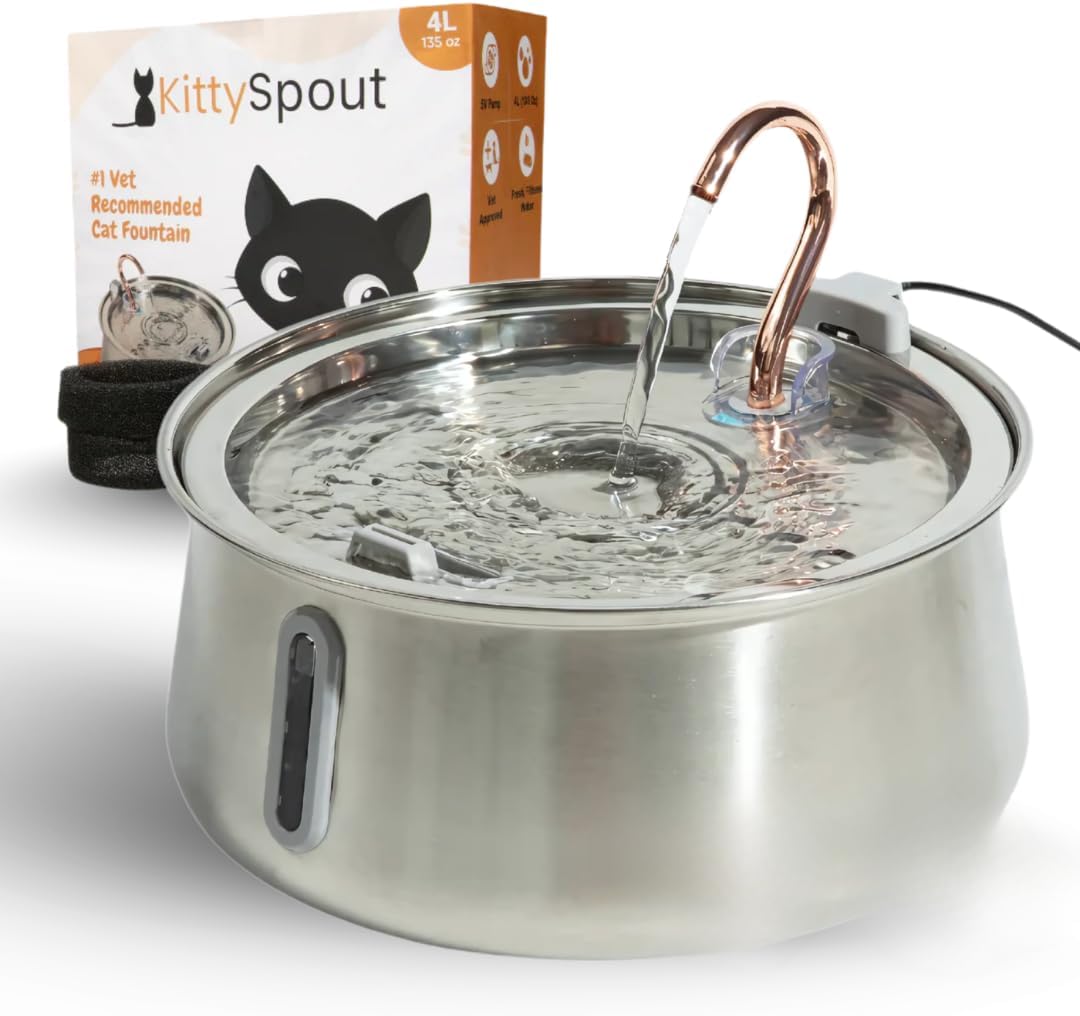
- Fresh water always: Use ceramic or stainless steel bowls, changed daily
- Monitor weight: Persians gain weight easily; regular weigh-ins prevent obesity
Eye Cleaning & Facial Care Protocol
The Persian cat's flat face and prominent eyes require special attention. Eye staining (epiphora) is common but manageable with proper care:
Daily Eye Cleaning Protocol
- Gather supplies: sterile gauze, distilled water, cat-safe eye wipes
- Wash hands thoroughly
- Position cat comfortably on lap or stable surface
- Have treats ready for positive reinforcement
- Work in good lighting
- Moisten gauze with distilled water (not tap water)
- Gently wipe from inner corner outward
- Use separate gauze for each eye
- Never rub or apply pressure
- If staining is stubborn, use veterinarian-approved stain remover
- Check facial folds for debris or moisture
- Gently clean folds with dry gauze
- Ensure folds are completely dry
- Apply vet-approved barrier cream if needed
- Monitor for redness or irritation
- Note any changes in tear production
- Watch for signs of infection: redness, swelling, discharge
- Schedule veterinary ophthalmology exam annually
- Keep grooming records to track patterns
- Reward cat with favorite treat
Eye Care Solution
Veterinarian Recommended
Persian Cat Eye Stain Remover and Tear Stain Wipes
Gentle, pH-balanced wipes specifically formulated for Persian cat eye care. Contains natural ingredients to remove stains without irritation. Developed with veterinary ophthalmologists and recommended by the ACVO.
Check Amazon Price
Additional Resources
Final Thoughts on Persian Cat Care
Caring for a Persian cat is a rewarding commitment that requires dedication, knowledge, and love. Their luxurious appearance and sweet temperament make them wonderful companions, but their specific needs demand attentive care. With proper grooming, nutrition, and veterinary attention, your Persian can enjoy a long, healthy, and happy life.
Remember that prevention is always better than treatment. Establishing consistent routines for grooming, feeding, and healthcare will prevent most common issues. Each Persian is unique - observe your cat closely, learn their individual preferences and needs, and adjust your care accordingly. The bond you build through this attentive care will be one of the most rewarding aspects of sharing your life with a Persian cat.