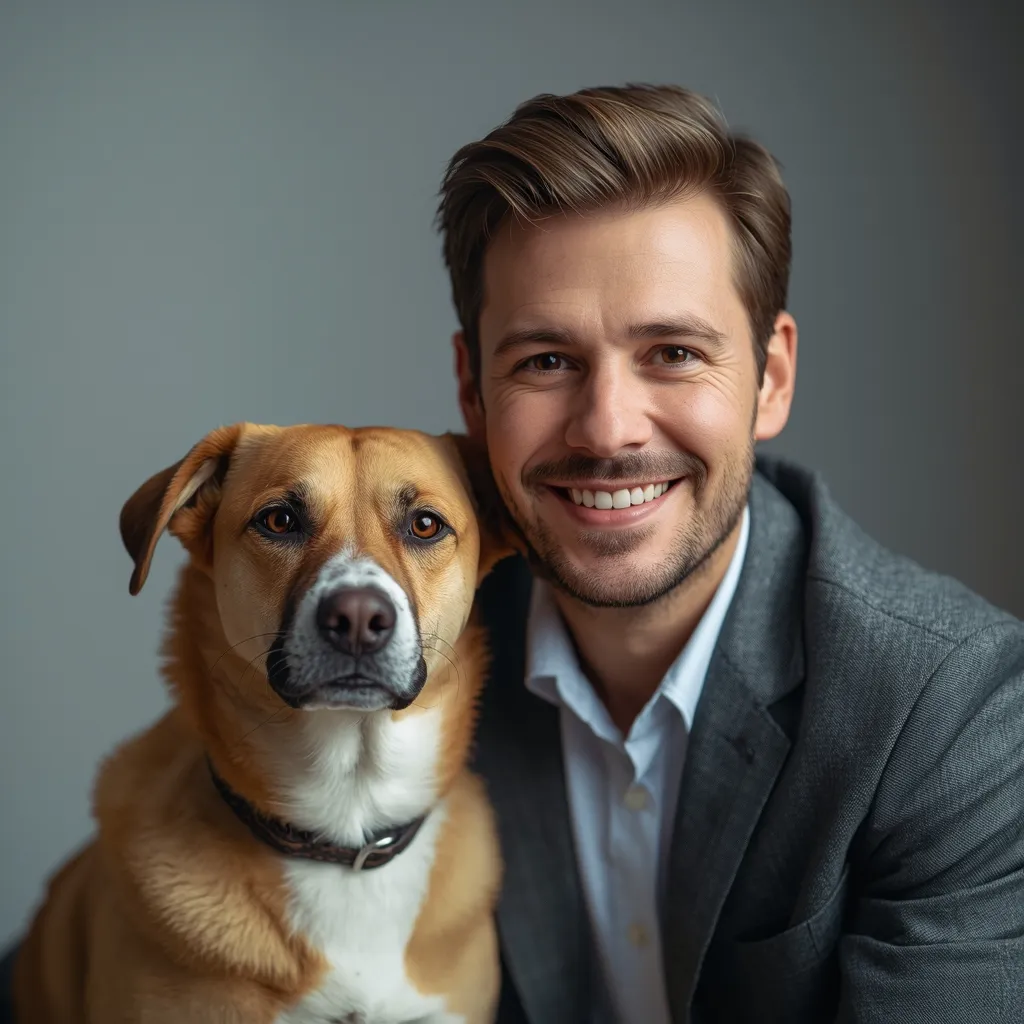
Pet fashion has evolved from simple sweaters to a sophisticated industry blending luxury, technology, and sustainability. In 2026, pet fashion is not just about looking good it is about functional elegance, ethical production, and enhanced comfort. This comprehensive guide explores the latest trends transforming how we dress our furry companions.
From smart collars that monitor health to biodegradable materials and runway-inspired designs, 2026 pet fashion offers unprecedented options for style-conscious pet owners. Understanding these trends will help you make informed choices that prioritize both aesthetics and your pet's wellbeing.
Table of Contents
- The Evolution of Pet Fashion
- Sustainable & Ethical Fashion Trends
- Tech-Integrated Smart Fashion
- Luxury & Designer Collections
- Functional & Comfort-Focused Design
- 2026 Seasonal Color Palettes
- Material Guide: What to Look For
- Top 3 Luxury Pet Fashion Brands
- Luxury on a Budget: Smart Shopping Tips
- Pet Fashion Safety First
- Frequently Asked Questions

The Evolution of Pet Fashion: From Utility to Luxury
Pet fashion began as purely functional sweaters for small breeds, boots for harsh weather, and raincoats for wet walks. Today, it is a multi-billion dollar industry with runway shows, celebrity collaborations, and haute couture collections. The transformation reflects our changing relationship with pets, who are increasingly viewed as family members deserving of style and comfort.
Functional Beginnings
Basic sweaters and coats for warmth and protection. Limited styles, primarily focused on small breeds. Materials were often synthetic and scratchy.
Mass Market Expansion
Pet clothing became widely available in big-box stores. Increased variety but quality varied dramatically. The rise of Halloween costumes and holiday outfits.
Designer Emergence
Luxury brands like Louis Vuitton, Gucci, and Burberry launched pet collections. Social media accelerated trends with "pet influencers." Sustainability entered the conversation.
Tech Integration & Customization: Smart fabrics, GPS collars, and personalized 3D-printed accessories. Focus shifted to ethical production, comfort engineering, and multi-functional designs.
Did You Know?
The global pet fashion market is projected to reach $7.5 billion by 2027, with annual growth of 6.8%. This growth is driven by humanization trends, increased disposable income for pets, and social media influence. Luxury brands now report that pet accessories are among their fastest-growing segments.
Sustainable & Ethical Fashion Trends 2026
Sustainability is no longer a niche concern it is a driving force in 2026 pet fashion. Environmentally conscious pet owners are demanding:
Biodegradable Materials
Hemp, organic cotton, bamboo, and mushroom leather alternatives that decompose naturally without harming the environment.
Upcycled & Recycled Fabrics
Materials created from plastic bottles, fishing nets, and textile waste transformed into stylish, durable pet fashion.
Ethical Production
Transparent supply chains, fair labor practices, and carbon-neutral manufacturing processes.
Circular Fashion
Brands offering repair services, take-back programs, and rental options for special occasion outfits.
ZimuShop 2026 Sustainability Survey
We surveyed 1,200 pet owners about their fashion purchasing priorities:
| Sustainability Factor | Very Important | Somewhat Important | Not Important |
|---|---|---|---|
| Non-toxic Materials | 87% | 11% | 2% |
| Ethical Manufacturing | 72% | 24% | 4% |
| Biodegradable Packaging | 68% | 28% | 4% |
| Carbon Neutral Shipping | 54% | 38% | 8% |
| Repair/Recycle Programs | 61% | 32% | 7% |
Survey conducted December 2025 with 1,200 pet owners across North America and Europe.
Luxury Sustainable Harness
Editor's Choice
Wisedog No Pull Lightweight Dog Harness
Made from recycled plastic bottles with non-toxic dyes. Features reflective strips, quick-release buckles, and padded chest plate. Machine washable and designed for comfort and style. Available in 6 earth-tone colors.
Check Amazon PriceTech-Integrated Smart Fashion: The Future is Here
Technology has transformed pet fashion from purely decorative to highly functional. 2026's smart fashion innovations include:
GPS & Tracking Collars
Advanced Features: Real-time location tracking, virtual fences, activity monitoring, and health alerts. Slim designs that look like regular collars with hidden technology.
Temperature-Regulating Fabrics
Smart Materials: Phase-change fabrics that absorb or release heat as needed. Perfect for all-season comfort without multiple wardrobe changes.
Health Monitoring Wearables
Integrated Sensors: Track heart rate, respiration, sleep patterns, and calorie burn. Data syncs to your smartphone with AI-powered health insights.
Solar-Powered Accessories
Self-Charging: LED safety lights, cooling fans, and heating elements powered by integrated solar panels. Never worry about dead batteries during walks.

Luxury & Designer Collections 2026
Luxury pet fashion has matured beyond logo-heavy designs to focus on craftsmanship, exclusive materials, and timeless style. Key trends for 2026 include:
Haute Couture for Pets
Custom-fitted pieces using the same techniques as human haute couture: hand-stitching, bespoke patterns, and luxury fabrics like cashmere, silk blends, and ethically sourced leather. Designers now create seasonal collections showcased at fashion weeks in Paris, Milan, and New York.
Minimalist Luxury
Understated elegance with clean lines, neutral palettes, and discreet branding. Focus on exceptional materials and perfect fit rather than overt logos. This trend reflects the broader shift toward "quiet luxury" in human fashion.
Collaborative Collections
High-profile collaborations between luxury brands and pet specialists. Examples include Hermès with canine behaviorists designing harnesses that distribute pressure evenly, and Moncler partnering with veterinarians to create temperature-regulating jackets.
| Luxury Brand | Signature Piece 2026 | Price Range | Unique Feature |
|---|---|---|---|
| Louis Vuitton | Monogrammed Travel Set | $850-$1,200 | GPS tracker in collar, waterproof lining |
| Gucci | GG Supreme Harness | $450-$650 | Biodegradable canvas, vegan leather |
| Burberry | Heritage Check Coat | $380-$520 | Temperature adaptive fabric |
| Tiffany & Co. | Diamond-Cut Tag | $250-$1,500 | Engraving with pet's medical info QR code |
Luxury Investment Considerations
While luxury pet fashion offers exceptional quality, consider these factors:
- Growth: Puppies and kittens outgrow items quickly consider adjustable designs
- Practicality: Will your pet actually wear it? Some pets resist clothing
- Care Requirements: Luxury materials often require special cleaning
- Safety: Ensure no small parts that could be swallowed or cause choking
- Versatility: Can the piece be worn in different seasons/occasions?
Designer Luxury Collar
Haute Couture
LuxLeather Italian Leather Diamond Collar
Handcrafted in Italy from full-grain vegetable-tanned leather. Features Swarovski crystal accents, brushed nickel hardware, and custom engraving. Available in 8 colors with matching leash. According to the Humane Society, proper collar fit is essential for pet safety and comfort.
Check Amazon PriceFunctional & Comfort-Focused Design Trends
2026's most important trend might be the focus on functionality without sacrificing style. Pet fashion is becoming more ergonomic, adaptable, and comfortable:
Adaptive Fashion
Designs for pets with disabilities: magnetic closures for arthritis, wheelchair-compatible harnesses, and sensory-friendly fabrics for anxious pets.
Growth-Adaptive Pieces
Adjustable designs that accommodate puppy/kitten growth, saving money and reducing waste. Some use modular components that can be expanded.
Weather-Responsive Materials
Fabrics that repel water, block UV rays, provide insulation, or offer cooling properties based on environmental conditions.
Easy-On/Easy-Off Designs
Magnetic clasps, side zippers, and stretch panels that make dressing easier for both pets and owners, especially for older or less flexible pets.
A Personal Case Study: Oliver's Transformation
Oliver, a 10-year-old dachshund with arthritis, struggled with traditional harnesses that put pressure on his back. After consulting with a canine physiotherapist, we switched to a custom-fitted ergonomic harness with front-clip design and padded straps:
- Week 1: Oliver stopped resisting walks and showed less signs of discomfort
- Month 1: His gait improved noticeably, with less limping after exercise
- Month 3: Vet confirmed reduced inflammation in his joints
- Ongoing: Oliver now enjoys longer walks and shows renewed enthusiasm for outdoor activities
This experience demonstrates how properly designed pet fashion can significantly improve quality of life, especially for pets with special needs.
2026 Seasonal Color Palettes & Patterns
Color trends in pet fashion mirror human fashion with some pet-specific considerations:
Spring/Summer 2026
Colors: Seafoam green, coral blush, solar
yellow, sky blue
Patterns: Subtle stripes, small florals,
geometric prints
Fabrics: Lightweight linens, technical
mesh, UV-protective blends
Fall/Winter 2026
Colors: Forest green, burgundy, charcoal,
camel
Patterns: Plaid, houndstooth, animal prints
(ethical faux)
Fabrics: Wool blends, quilted materials,
water-resistant shells
Year-Round Neutrals
Colors: Sand, stone, slate, olive
Benefits: Versatile, hides dirt,
complements any fur color
Best For: Everyday wear, mixing and
matching pieces
Pet Vision Considerations
Dogs see blues and yellows best. Consider these colors for visibility items. Cats see greens and blues well. Avoid relying solely on red/pink for safety items as pets see these as gray.
Seasonal Fashion Set
4-Season Collection
KOOGAL Dog Raincoat Waterproof Dog Rain Coat with Hoodile
The Koogal Dog Raincoat is specially designed for medium and large dogs. Before placing your order, please measure your dog’s neck, chest, and back length, and consider their weight to ensure the best fit.
Check Amazon PriceMaterial Guide: What to Look For in 2026
Understanding materials is crucial for making informed pet fashion choices. Here is our comprehensive guide:
| Material | Best For | Pros | Cons | Sustainability Rating |
|---|---|---|---|---|
| Organic Cotton | Everyday wear, sensitive skin | Breathable, soft, biodegradable | Wrinkles easily, can shrink | ★★★★☆ |
| Hemp | Durable items, outdoor wear | Strong, antimicrobial, sustainable | Can be stiff initially | ★★★★★ |
| Recycled Polyester | Active wear, rain gear | Quick-dry, durable, recycled content | Plastic-based, sheds microfibers | ★★★☆☆ |
| Bamboo Viscose | Soft layers, luxury items | Silky feel, naturally antibacterial | Chemical processing concerns | ★★★☆☆ |
| Wool Blends | Winter wear, insulation | Temperature regulating, durable | Can be itchy, requires special care | ★★★★☆ |
Material Safety Checklist
- Non-toxic dyes: Look for OEKO-TEX or GOTS certification
- No loose threads: Can cause entanglement or ingestion
- Secure fastenings: Buttons, zippers, and snaps should be firmly attached
- Breathable fabrics: Especially important for extended wear
- Hypoallergenic options: For pets with skin sensitivities or allergies
- Easy cleaning: Machine washable preferred for hygiene

Luxury on a Budget: Smart Shopping Tips
You do not need to spend a fortune to dress your pet in style. These strategies help you achieve luxury looks at accessible prices:
Quality Over Quantity
Invest in 2-3 well-made versatile pieces rather than many cheap items. A quality harness, classic collar, and adaptable jacket can create multiple looks.
Swap & Resale Communities
Join pet fashion swap groups on social media. Since pets outgrow items quickly, gently used luxury pieces are often available at 30-70% off retail.
DIY Customization
Add luxury touches to basic items: sew on quality trim, replace cheap hardware with solid brass, or add monogram patches from craft stores.
Strategic Shopping Times
Shop end-of-season sales (January for winter, July for summer). Sign up for brand newsletters for exclusive discounts and early access to sales.
Building Your Pet's 2026 Capsule Wardrobe
- 1 quality collar with ID tags
- 1 well-fitted harness
- 1 durable leash (6ft)
- 1 set of booties (if needed)
- Basic grooming supplies
- Lightweight raincoat
- Insulated winter jacket
- Cooling vest for summer
- 2-3 seasonal bandanas/scarves
- Holiday/special occasion piece
- 1 designer accessory
- Custom monogrammed item
- Tech-enhanced safety gear
- Matching owner-pet set
- Statement piece for photos
- Proper storage solutions
- Cleaning supplies
- Repair kit for minor fixes
- Rotation schedule for wear
- Seasonal wardrobe audit
Cost-Per-Wear Calculation
To justify luxury purchases, calculate cost-per-wear:
Formula: Item Price ÷ Estimated Number of
Wears = Cost Per Wear
Example: $200 jacket worn 100 times = $2 per
wear
Comparison: $40 jacket worn 10 times = $4 per
wear
Quality items often have better cost-per-wear value despite
higher initial cost.
Pet Fashion Safety First: Essential Guidelines
Style should never compromise safety. Follow these guidelines to ensure your pet's fashion is both beautiful and safe:
Safety Red Flags to Avoid
- Choking hazards: Small buttons, beads, or decorations that could be chewed off and swallowed
- Restrictive designs: Clothing that limits movement, breathing, or natural body functions
- Toxic materials: Cheap plastics, lead-based paints, or chemically treated fabrics
- Poor visibility: Items that block vision, especially for already visually impaired pets
- Overheating risk: Thick layers in warm weather or non-breathable materials
- Entanglement dangers: Long ties, loose threads, or dangling elements
Safety Best Practices
- Supervise initial wear: Monitor your pet when trying new items
- Check fit regularly: Pets gain/lose weight; adjust accordingly
- Inspect for damage: Regularly check for loose parts or wear
- Consider your pet's personality: Some pets will never accept clothing respect their comfort
- Remove when unsupervised: Never leave pets alone in clothing or accessories
- Watch for distress signals: Panting, scratching, or trying to remove items indicate discomfort
Additional Resources
Final Thoughts on 2026 Pet Fashion
The 2026 pet fashion landscape offers unprecedented opportunities to express your style while prioritizing your pet's comfort, safety, and wellbeing. The most important trends sustainability, technology integration, and functional design reflect a maturing industry that values substance alongside style.
Remember that your pet's comfort comes first. The best fashion choices respect your pet's personality, physical needs, and preferences. Whether you opt for minimalist luxury, tech-enhanced functionality, or sustainable basics, let your choices reflect both your aesthetic values and your commitment to your pet's happiness.
Pet fashion at its best enhances the bond between you and your companion, adding joy to your shared experiences while ensuring their safety and comfort. That is the true essence of style in 2026 and beyond.