Traveling with pets has become increasingly popular, with over 60% of pet owners now taking their furry companions on trips. But successful pet travel requires careful planning, the right gear, and knowledge of updated 2026 regulations. This comprehensive guide covers everything you need for safe, stress-free journeys with your dog, cat, or other pets.
Whether you're planning a road trip, flying across the country, or considering international travel with pets, this 2026 guide provides the latest information, essential checklists, and expert recommendations. For additional pet safety tips, check out our complete pet safety guide.
Table of Contents
- Planning Your Pet Travel: Key Considerations
- Car Travel with Pets: Complete Guide
- Air Travel with Pets: 2026 Regulations & Tips
- Train & Bus Travel with Pets
- International Pet Travel: Requirements & Process
- Essential Pet Travel Checklist
- Reducing Travel Stress for Pets
- Top 3 Recommended Pet Travel Products
- Frequently Asked Questions

Planning Your Pet Travel: Key Considerations
Successful pet travel begins with thorough planning. Before booking any trip, consider these essential factors:
Pet's Health & Temperament
Is your pet physically and emotionally suited for travel? Consider age, health conditions, anxiety levels, and previous travel experience. Senior pets or those with medical conditions may not be ideal travel companions.
Destination Pet-Friendliness
Research accommodations, restaurants, parks, and activities at your destination that welcome pets. Many hotels now charge pet fees ($25-$100 per night), so factor this into your budget.
Weather & Climate
Consider temperature extremes at your destination. Pets can suffer from heatstroke or hypothermia during travel. Never leave pets in parked vehicles, even for short periods.
Veterinary Preparation
Schedule a pre-travel vet checkup. Update vaccinations, obtain health certificates (required for air travel), and discuss motion sickness or anxiety medications if needed.
Planning Timeline
For domestic travel, start planning 4-6 weeks in advance. For international trips, begin preparations 3-6 months ahead due to complex vaccination and documentation requirements. Check our detailed pet travel timeline for specific deadlines.
Recommended Travel Carrier
Editor's Choice
Sherpa Original Deluxe Pet Carrier
Airline-approved pet carrier with mesh panels for ventilation, seatbelt strap for safety, and comfortable fleece pad. Guaranteed on most airlines when purchased as a set.
Check Amazon PriceCar Travel with Pets: Complete Guide
Road trips are the most common form of pet travel, offering flexibility and control. Follow these guidelines for safe car travel:
Vehicle Preparation
Install pet barriers or harness restraints. Never allow pets to ride loose in the vehicle. Create a comfortable space with familiar bedding. For anxious pets, consider trial runs to build tolerance.
Restraint Systems
Use crash-tested harnesses, travel crates, or vehicle barriers. According to the Center for Pet Safety, only a few products meet crash-test standards. Unrestrained pets can become dangerous projectiles during sudden stops.
Frequent Breaks & Hydration
Stop every 2-3 hours for bathroom breaks, water, and short walks. Always use a leash, even in seemingly safe areas. Keep pets hydrated but limit food before and during travel to reduce motion sickness.
Temperature Dangers
Never leave pets unattended in vehicles. Temperatures can rise 20°F in just 10 minutes, even with windows cracked. Many states now have "hot car" laws with penalties for leaving pets in vehicles.
Car Travel Safety Alert
Never allow pets to ride with heads out windows: Debris can cause eye injuries, and sudden stops could result in ejection. Avoid front seats: Airbags can be deadly to pets. Check brake and gas pedals: Ensure pets cannot interfere with driver controls. Always have current photos and microchip information in case your pet gets lost during travel.
Air Travel with Pets: 2026 Regulations & Tips
Airline pet travel regulations have changed significantly in recent years. Here's what you need to know for 2026:
| Airline | Cabin Pets | Cargo Pets | Fees (One-way) | 2026 Changes |
|---|---|---|---|---|
| Delta | Small dogs/cats only | Suspended (temp) | $125 | Health cert within 10 days |
| American | Under 20 lbs with carrier | Available | $150 | Breed restrictions expanded |
| United | Small pets in cabin | PetSafe program | $125 | Temperature embargoes May-Sep |
| JetBlue | Pets in cabin | Not offered | $125 | Most pet-friendly policies |
| Southwest | Small vaccinated pets | Not offered | $95 | First-come seating for pets |
Air Travel Pro Tips
- Book early: Airlines limit cabin pets (usually 2-6 per flight)
- Direct flights: Reduce stress and chances of mishandling
- Health certificate: Most require within 10 days of travel
- Carrier requirements: Must fit under seat, be well-ventilated, and secure
- Breed restrictions: Many airlines ban snub-nosed breeds (pugs, bulldogs, Persians) due to breathing issues
- Identification: Microchip AND visible ID tags on carrier
Car Safety Harness
Crash Tested
SleepyPod Clickit Sport Harness
Center for Pet Safety certified. Three-point attachment system distributes force evenly. Adjustable for dogs 18-90 lbs. Machine washable cover.
Check Amazon PriceEssential Pet Travel Checklist
Documents & Identification
Food & Water
Comfort & Safety
Cleanup & Health

Reducing Travel Stress for Pets
Travel can be stressful for animals. Use these proven techniques to help your pet stay calm:
Familiar Items
Bring your pet's regular bedding, toys, and bowls. Familiar scothes provide comfort in new environments. Consider bringing an unwashed shirt with your scent.
Calming Aids
Discuss options with your vet: pheromone sprays (Adaptil/Feliway), calming treats, Thundershirts, or in severe cases, prescription anti-anxiety medications. Test any new products before travel.
Training & Desensitization
Gradually acclimate pets to carriers and vehicles. Start with short trips, offer treats and praise. Make the carrier a positive space at home with treats and comfortable bedding.
Routine Maintenance
Stick to regular feeding and walking schedules as much as possible. Bring your pet's usual food to avoid digestive upset. Limit food before travel to reduce motion sickness.
Special Considerations by Species
Dogs: More adaptable but need regular exercise breaks. Research dog parks along your route. Cats: Often more stressed by travel. Keep in carriers during transit. Consider harness training for cats. Small animals/birds: Extremely sensitive to temperature changes and stress. Consult exotic vets before travel. Reptiles: Require specific temperature control and may have CITES restrictions for international travel.
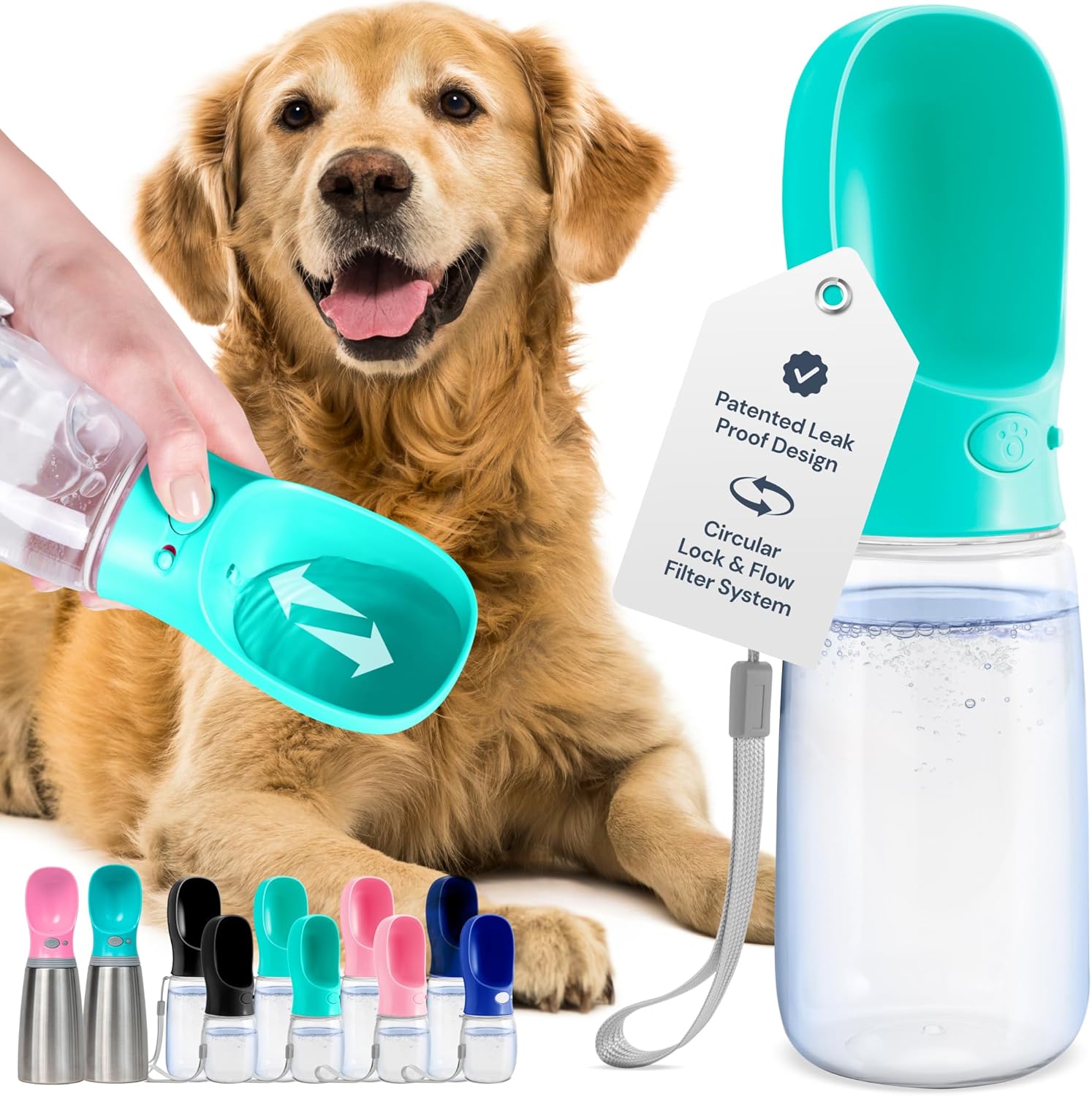
Travel Water Bowl
Collapsible
Outward Hound Fun Feeder Travel Bowl
Silicone collapsible bowl for food or water. Lightweight, BPA-free, and easy to clean. Includes carabiner clip to attach to backpack or leash.
Check Amazon PriceInternational Pet Travel: Requirements & Process
International pet travel involves complex regulations that vary by country. Key requirements typically include:
Research & Microchipping
Check destination country's agriculture/import website. Most require ISO-compliant microchip (15-digit). Some countries (EU, Japan, Australia) have specific chip requirements.
Vaccinations & Blood Tests
Rabies vaccination after microchipping. Some countries require rabies titer test (FAVN/OIE) 30+ days after vaccination. Additional vaccines may be required (leptospirosis, distemper).
Health Certificate & Treatments
USDA-accredited vet exam and health certificate. Some countries require internal/external parasite treatments within specific timeframes. Certificate must be endorsed by USDA APHIS.
Final Requirements
Some countries require advance notification. Quarantine may be required upon arrival (Hawaii, Australia, New Zealand). Have all documents in carry-on, not checked luggage.
International Travel Warnings
Breed restrictions: Some countries ban specific breeds (UK: Pit Bull types; Australia: several breeds). Quarantine: Can range from 0 days (EU with pet passport) to 10-180 days (rabies-free countries). Seasonal restrictions: Many airlines embargo pet travel during extreme temperatures. Return requirements: Re-entry to the US requires current rabies vaccination but generally no quarantine. Always use professional pet shippers for complex international moves.

Final Travel Tips for 2026
Successful pet travel combines preparation, patience, and flexibility. Start training and acclimation early, pack thoughtfully, and always have contingency plans. Remember that your pet's comfort and safety should always come first sometimes this means choosing pet-friendly alternatives or even postponing travel if it's not in your pet's best interest.
With proper planning using this 2026 guide, you can create wonderful travel memories with your furry companions while ensuring their safety and well-being. For destination-specific advice, explore our guide to pet-friendly destinations.
Happy travels with your pets! Remember: The journey is part of the pet travel checklist adventure when shared with your four-legged family members.