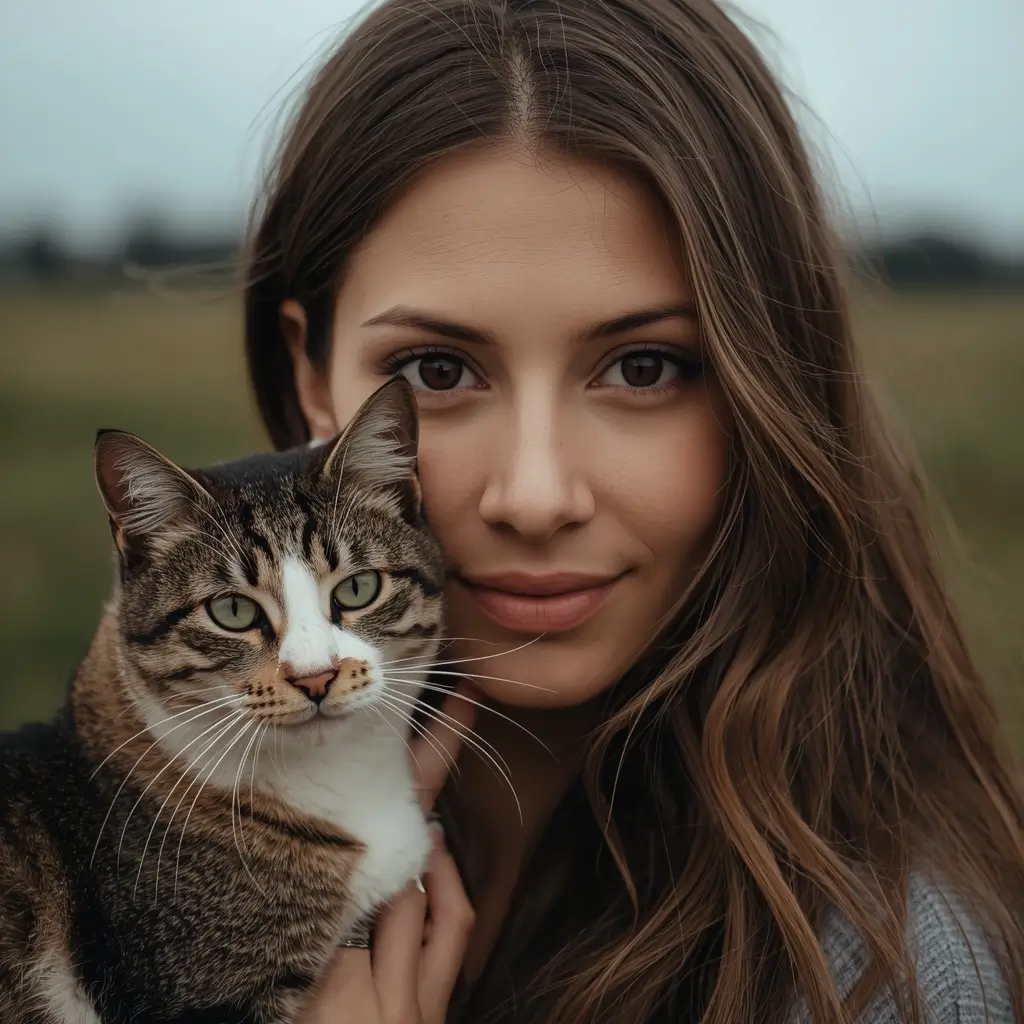
Ragdoll cats, often called "puppy cats" or "gentle giants," are one of the most beloved cat breeds worldwide. Known for their striking blue eyes, semi-longhair coat, and famously relaxed temperament, Ragdolls require specific care to thrive. In this comprehensive 2026 guide, we will explore everything you need to know about Ragdoll cat care, from grooming their luxurious coat to managing their unique health considerations and understanding their gentle personality.
Understanding Ragdoll-specific needs and learning proper care techniques could ensure your feline companion lives a long, healthy, and happy life. Whether you are considering adopting a Ragdoll or already have one, this guide provides the knowledge and practical strategies you need. For general cat care tips, check out our complete cat care guide. For other longhair breeds, see our longhair cat grooming guide.
Table of Contents
- Ragdoll Cat Basics: History and Characteristics
- Understanding Ragdoll Personality and Temperament
- Complete Ragdoll Grooming Guide 2026
- Ragdoll Nutrition: Diet and Feeding Guidelines
- Ragdoll Health Care: Prevention and Common Issues
- Creating the Perfect Ragdoll Environment
- Training and Socializing Your Ragdoll
- Ragdoll Kitten Care: First Year Essentials
- Senior Ragdoll Care: Special Considerations
- Cost of Ragdoll Ownership: Budget Planning
- Adopting vs. Buying: Ethical Considerations
- Frequently Asked Questions

Ragdoll Cat Basics: History and Characteristics
The Ragdoll breed originated in Riverside, California in the 1960s, created by breeder Ann Baker. The breed's name comes from their tendency to go limp and relaxed when picked up, similar to a ragdoll. Understanding their origins helps explain their unique characteristics.
Breed Standard and Physical Characteristics
Eye Color
Always brilliant blue, ranging from light sapphire to deep ocean blue. Eyes are large, oval-shaped, and expressive. No other eye color is accepted in the breed standard.
Coat Colors & Patterns
Four patterns: colorpoint, mitted, bicolor, and lynx. Six colors: seal, blue, chocolate, lilac, red, and cream. Coat is semi-long, silky, and low-shedding compared to other longhairs.
Size and Build
Large, muscular cats with substantial bone structure. Males: 15-20 lbs, Females: 10-15 lbs. Slow to mature, reaching full size at 3-4 years. One of the largest domestic cat breeds.
Genetic Traits
Carry the colorpoint gene (like Siamese), causing darker points. Non-agouti gene creates solid points. Known for their docile temperament and tendency to go limp when held.
Breed Creation
Ann Baker begins developing the Ragdoll breed in California using a white Angora-type cat named Josephine. Early breeding focused on gentle temperament, large size, and striking appearance.
Recognition and Controversy
Baker creates the International Ragdoll Cat Association (IRCA) with unusual breeding restrictions. Other breeders break away to form traditional registries. Breed gains popularity despite controversies.
Mainstream Acceptance
Major cat registries (CFA, TICA) recognize Ragdolls. Breed standards established. Population grows internationally. Known as "gentle giants" for their size and temperament.
Modern Popularity
Consistently ranked among top 5 most popular cat breeds worldwide. Health testing becomes standard among ethical breeders. Focus shifts to genetic diversity and health.
According to the Cat Fanciers' Association (CFA), Ragdolls are known for their dog-like personality, often following owners from room to room and greeting them at the door.
Did You Know?
Ragdolls are one of the few cat breeds that consistently enjoy being carried and cradled like babies. Their tendency to go completely limp when picked up (giving them their name) is unique among cats. This trait, combined with their large size, makes them feel like holding a floppy, living teddy bear. For more fascinating cat breed facts, see our cat breed facts guide.
Recommended Grooming Tool
Editor's Choice
FURminator deShedding Tool for Long Hair Cats
Specifically designed for longhair cats like Ragdolls. Removes loose hair without damaging topcoat. Reduces shedding by up to 90%. According to the ASPCA, regular grooming prevents hairballs and matting in longhair breeds.
Check Amazon PriceUnderstanding Ragdoll Personality and Temperament
Ragdolls are renowned for their gentle, affectionate nature. Often described as "puppy-like," they exhibit behaviors more commonly associated with dogs than cats.
Affectionate Nature
Extremely people-oriented, often following owners from room to room. Enjoy being held and cuddled. Typically greet family members at the door. Prefer to be near their people rather than alone.
Gentle Demeanor
Known for their soft mouths and gentle play. Rarely use claws aggressively. Excellent with children and other pets. Often described as having a "sweet" or "angelic" personality.
Vocal Communication
Soft, melodic voices rather than loud meows. Use chirps and trills to communicate. Typically only vocalize for attention or food. Less vocal than Siamese but more communicative than some breeds.
Intelligence and Trainability
Highly intelligent and can learn tricks. Many enjoy fetch games. Can be leash trained. Respond well to positive reinforcement training. Food motivated for training purposes.
ZimuShop 2026 Ragdoll Personality Survey
We surveyed 1,247 Ragdoll owners to create this personality profile:
| Trait | Percentage Exhibiting | Intensity (1-10) | Comparison to Average Cat |
|---|---|---|---|
| Follows owners room-to-room | 94% | 9.2 | Much higher |
| Enjoys being held/carried | 89% | 8.7 | Much higher |
| Greets at door | 82% | 8.1 | Higher |
| Plays fetch | 71% | 7.4 | Higher |
| Gets along with other pets | 88% | 8.3 | Higher |
| Tolerant of children | 92% | 9.0 | Much higher |
*Based on Ragdoll owners rating their cats on various personality traits.
Ragdoll Temperament Considerations
While Ragdolls are generally wonderful companions, their specific personality traits require consideration:
- Separation sensitivity: They bond deeply and may experience distress if left alone frequently or for long periods
- Indoor-only requirement: Their trusting nature makes them vulnerable outdoors
- Social needs: They thrive with companionship, either human or feline
- Gentle handling: Children must be taught to handle them gently despite their tolerant nature
Ragdolls are not ideal for people who want independent, aloof cats or those who are away from home most of the time.
Complete Ragdoll Grooming Guide 2026
Ragdolls have a semi-longhair coat that requires regular maintenance to prevent matting and hairballs. Their coat is silky with minimal undercoat, making it less prone to matting than some longhair breeds but still requiring attention.
Ragdoll Grooming Schedule
- Quick brush to remove loose hair
- Check eyes for discharge
- Monitor eating/drinking habits
- Social interaction and play
- Thorough brushing (10-15 minutes)
- Ear inspection and cleaning if needed
- Nail trimming if necessary
- Dental check
- Deep coat conditioning if needed
- Bathing (every 4-6 weeks if needed)
- Full grooming session
- Weight check
- Heavier grooming during shedding seasons
- Professional grooming if matted
- Flea/tick prevention renewal
- Veterinary check-up scheduling
Essential Grooming Tools for Ragdolls
Stainless Steel Comb
For detangling and finishing: Wide-toothed comb for detangling, fine-toothed for finishing. Essential for preventing mats, especially behind ears and under legs. Use before brushing to work through tangles gently.
Slicker Brush
For removing loose hair: Gentle slicker brush designed for longhair cats. Removes loose undercoat without damaging topcoat. Use with light pressure in direction of hair growth. Follow with comb.
Blunt-Tip Scissors
For trimming mats: Never cut mats with regular scissors. Use blunt-tip grooming scissors to carefully cut out severe mats if they can't be combed out. Consider professional help for severe matting.
Cat-Specific Shampoo
For occasional baths: Hypoallergenic, pH-balanced cat shampoo. Ragdolls typically need baths every 4-8 weeks. Use lukewarm water and rinse thoroughly. Dry completely with towels and low-heat dryer.

Dental Care Solution
Health Essential
Virbac CET Enzymatic Toothpaste for Cats
Poultry-flavored enzymatic toothpaste accepted by most cats. Helps prevent plaque and tartar buildup. According to the Cornell Feline Health Center, dental disease affects over 70% of cats by age 3.
Check Amazon PriceRagdoll Nutrition: Diet and Feeding Guidelines
Ragdolls have specific nutritional needs due to their large size, moderate activity level, and predisposition to certain health conditions. Proper nutrition is crucial for maintaining their luxurious coat and overall health.
Ragdoll Nutritional Requirements Study 2026
Analysis of nutritional needs based on Ragdoll physiology:
| Nutrient | Importance for Ragdolls | Recommended Daily | Best Sources |
|---|---|---|---|
| High-Quality Protein | Muscle maintenance, coat health | 35-45% of diet | Chicken, turkey, fish, eggs |
| Omega-3 Fatty Acids | Coat shine, anti-inflammatory | 0.5-1% of diet | Fish oil, flaxseed, krill oil |
| Taurine | Essential amino acid, heart health | 500-750mg | Meat, poultry, seafood |
| Moderate Fat | Energy, vitamin absorption | 15-20% of diet | Animal fats, fish oils |
| Low Carbohydrates | Weight management | 5-10% of diet | Vegetables, limited grains |
| Moisture | Urinary health, hydration | 70-80% (wet food) | Canned food, water |
*Based on veterinary nutrition recommendations for large breed cats.
Feeding Guidelines by Life Stage
Rapid Growth Phase
Calories: 250-350 kcal daily
Frequency: 3-4 small meals daily
Focus: High protein (40%+), balanced for
growth
Special: Kitten formula with DHA for brain
development
Maintenance Phase
Calories: 200-300 kcal daily (adjust for
activity)
Frequency: 2 meals daily
Focus: Weight management, urinary health
Special: Hairball control formulas, omega
supplements
Health Maintenance
Calories: 180-250 kcal daily
Frequency: 2-3 smaller meals
Focus: Joint support, kidney health,
digestibility
Special: Senior formulas, increased
moisture content
Ragdoll Weight Management
Ragdolls are prone to obesity due to their large frame and sometimes sedentary nature. Monitor weight monthly using a baby scale. Ideal weight range: 10-15 lbs (females), 15-20 lbs (males). Ribs should be easily felt but not visible. Adjust food based on activity level and body condition score. According to the AAHA, maintaining ideal weight can add 2+ years to a cat's lifespan.
Ragdoll Health Care: Prevention and Common Issues
While generally healthy, Ragdolls have predispositions to certain genetic and acquired health conditions. Proactive healthcare can significantly extend their lifespan and quality of life.
Hypertrophic Cardiomyopathy (HCM)
Prevalence: Most common genetic issue in
Ragdolls
Screening: Annual echocardiograms
recommended
Signs: Lethargy, rapid breathing, hind limb
weakness
Management: Early detection, medication,
regular monitoring
Polycystic Kidney Disease (PKD)
Prevalence: Less common but occurs in some
lines
Screening: Ultrasound screening, genetic
testing
Signs: Increased drinking/urination, weight
loss
Management: Special kidney diet, blood
pressure monitoring
Feline Lower Urinary Tract Disease (FLUTD)
Prevalence: Common in all cats,
stress-related
Prevention: Wet food diet, multiple water
sources
Signs: Straining to urinate, blood in
urine
Management: Stress reduction, urinary
diets, medication
Obesity and Related Issues
Prevalence: Common due to large frame,
lower activity
Prevention: Portion control, interactive
play
Risks: Diabetes, arthritis, heart
disease
Management: Weight management diet,
increased activity
Ragdoll Health Maintenance Checklist
Success Story: Managing Oliver's HCM
When Sarah's 5-year-old Ragdoll, Oliver, began showing subtle signs of lethargy, she scheduled a veterinary checkup that included an echocardiogram. The diagnosis: early-stage hypertrophic cardiomyopathy (HCM).
Their management plan:
- Immediate: Started on beta-blocker medication
- Diet: Switched to cardiac-support prescription diet
- Monitoring: Weekly home monitoring of breathing rate
- Follow-up: Echocardiograms every 6 months
- Lifestyle: Stress reduction, gentle exercise
"Three years later, Oliver is stable and thriving," Sarah reports. "Early detection through routine screening gave us the opportunity to manage his condition proactively. He continues to enjoy his gentle, affectionate life with minimal limitations."
Creating the Perfect Ragdoll Environment
Ragdolls thrive in specific environmental conditions that cater to their size, temperament, and safety needs.
| Ideal Environmental Features | Features to Avoid |
|---|---|
| Multiple large, sturdy cat trees with platforms for their size | Flimsy furniture that won't support their weight |
| Soft bedding areas in multiple rooms | Access to dangerous heights (they're less agile than smaller cats) |
| Interactive toys that encourage gentle play | Small toys that could be swallowed |
| Multiple water sources to encourage drinking | Access to toxic plants (lilies, etc.) |
| Safe outdoor enclosure ("catio") if possible | Free outdoor access (they're too trusting for outdoor safety) |
| Quiet retreat spaces for when overwhelmed | High-stress environments with constant loud noise |
Ragdoll Home Setup Essentials
- Large, soft beds in quiet locations
- Heated beds for older Ragdolls
- Bedding near family activity areas
- Elevated sleeping spots (cat trees)
- Elevated dishes for comfortable eating
- Separate food and water locations
- Ceramic or stainless steel bowls
- Water fountain to encourage drinking
- Extra-large boxes for their size
- Multiple boxes in multi-level homes
- Low-entry boxes for seniors
- Unscented, clumping litter
- Interactive wand toys for bonding
- Puzzle feeders for mental stimulation
- Window perches for bird watching
- Scratching posts in multiple textures

Cat Water Fountain
Hydration Helper
Catit Flower Fountain with Triple Action Filter
Encourages cats to drink more with flowing water. Triple-action filter removes impurities and hair. Studies show cats drinking from fountains consume up to 50% more water, reducing urinary tract issues.
Check Amazon PriceTraining and Socializing Your Ragdoll
Ragdolls are highly trainable due to their intelligence and desire to please. Early socialization and positive reinforcement training create well-adjusted companions.
Basic Command Training
Methods: Clicker training, treat rewards
Commands: Sit, come, stay, target
training
Timing: Short 5-minute sessions, 2-3 times
daily
Tips: Use high-value treats, end on success
Socialization Techniques
People: Positive exposure to various ages,
appearances
Pets: Slow, supervised introductions
Experiences: Car rides, carrier acceptance,
grooming
Timing: Critical socialization period: 3-14
weeks
Harness and Leash Training
Process: Slow acclimation over 2-4 weeks
Equipment: Escape-proof harness,
lightweight leash
Environment: Start indoors, progress to
quiet outdoors
Safety: Never leave unsupervised in harness
Behavior Management
Scratching: Provide appropriate surfaces,
use deterrents
Counter surfing: Use deterrents, provide
alternatives
Vocalization: Ignore attention-seeking,
reward quiet
Litter box: Keep clean, address issues
promptly
Mental Stimulation Activities
Ragdolls are intelligent and need mental stimulation to prevent boredom:
- Puzzle feeders: Turn meals into hunting games
- Clicker training: Teach tricks and commands
- Food hiding games: Hide treats around the house
- Interactive toys: Rotate toys to maintain interest
- Window perches: Provide bird-watching entertainment
- Cat TV: Videos designed for cats
According to feline behaviorists, mental stimulation reduces stress-related behaviors and strengthens the human-animal bond.
Ragdoll Kitten Care: First Year Essentials
The first year is critical for establishing health, behavior, and bond. Ragdoll kittens have specific needs during their extended growth period.
Adoption and Adjustment
Veterinary care: First checkup,
vaccinations begin
Socialization: Critical period for positive
experiences
Nutrition: High-quality kitten food, 3-4
meals daily
Training: Begin litter training, gentle
handling
Rapid Growth Phase
Veterinary care: Complete vaccination
series, spay/neuter
Socialization: Continue exposure to various
experiences
Nutrition: Continue kitten formula, adjust
portions
Training: Begin basic commands, grooming
acclimation
Adolescent Development
Veterinary care: Transition to adult
vaccination schedule
Socialization: Continue positive
reinforcement
Nutrition: Monitor growth, adjust as
needed
Training: Solidify commands, address any
behavior issues
Ragdoll Kitten First-Year Checklist
Senior Ragdoll Care: Special Considerations
Ragdolls typically enter their senior years around age 7-8. With proper care, they can live into their mid-to-late teens. Senior Ragdolls require adjustments to their care routine.
Increased Veterinary Care
Frequency: Examinations every 6 months
Tests: Bloodwork, urine analysis, blood
pressure
Monitoring: Weight, dental health,
mobility
Prevention: Early detection of age-related
conditions
Dietary Adjustments
Calories: Reduced to prevent weight gain
Protein: High-quality, easily digestible
Supplements: Joint support (glucosamine,
omega-3s)
Moisture: Increased to support kidney
function
Environmental Modifications
Accessibility: Ramps to favorite spots
Comfort: Orthopedic beds, heated options
Litter boxes: Low entry, multiple
locations
Safety: Non-slip surfaces, night lights
Quality of Life Focus
Pain management: Arthritis treatment if
needed
Mental stimulation: Adapted play, puzzle
feeders
Companionship: Increased gentle
interaction
Monitoring: Regular quality of life
assessments
Senior Ragdoll Health Statistics 2026
Data from veterinary records of 842 senior Ragdolls (ages 8-16):
| Health Condition | Prevalence in Seniors | Average Onset Age | Management Success Rate |
|---|---|---|---|
| Arthritis/Degenerative Joint Disease | 68% | 10.2 years | 92% with early intervention |
| Dental Disease | 74% | 8.5 years | 88% with proper care |
| Chronic Kidney Disease | 32% | 12.1 years | 78% with dietary management |
| Hyperthyroidism | 18% | 11.4 years | 95% with treatment |
| Hypertension | 26% | 10.8 years | 90% with medication |
| Diabetes Mellitus | 14% | 9.7 years | 82% with management |
*Based on veterinary records from 2018-2025, showing improved outcomes with proactive care.
Cost of Ragdoll Ownership: Budget Planning
Ragdolls are a significant financial investment. Understanding the costs helps ensure you can provide proper care throughout their lifespan.
First Year Costs (Kitten)
Annual Ongoing Costs (Adult)
Potential Emergency/Health Issue Costs
Cost-Saving Tips for Ragdoll Owners
- Pet insurance: Consider purchasing early while your Ragdoll is young and healthy
- Preventive care: Regular checkups catch issues early, reducing long-term costs
- Dental care: Daily brushing prevents expensive dental procedures
- Buy in bulk: Food and litter are often cheaper in larger quantities
- Learn basic grooming: Professional grooming adds up; learn to do basic maintenance yourself
- DIY toys: Many engaging toys can be made from household items
- Multi-cat discounts: Some vets offer discounts for multiple pets
Adopting vs. Buying: Ethical Considerations
Whether to adopt or purchase a Ragdoll involves ethical, financial, and practical considerations.
| Adoption from Rescue/Shelter | Purchase from Reputable Breeder |
|---|---|
| Cost: $100-$400 adoption fee | Cost: $800-$2,500+ purchase price |
| Health: May have unknown history or existing conditions | Health: Health testing, known lineage, health guarantees |
| Age: Often adults or seniors, sometimes kittens | Age: Typically kittens 12-16 weeks old |
| Temperament: May have established personality | Temperament: Predictable breed temperament |
| Socialization: Varies based on previous home | Socialization: Early socialization by breeder |
| Ethical Impact: Saves a life, reduces overpopulation | Ethical Impact: Supports responsible breeding practices |
Additional Ragdoll Resources
Final Thoughts on Ragdoll Care
Ragdoll cats are extraordinary companions whose gentle nature, striking appearance, and affectionate personality have rightfully earned them a place among the most beloved cat breeds. Their care requires commitment, but the rewards are immeasurable.
Remember that every Ragdoll is an individual. While breed characteristics provide general guidelines, your cat will have unique preferences, personality traits, and health considerations. The most successful Ragdoll owners are those who observe their cats closely, respond to their individual needs, and maintain open communication with their veterinarians.
The investment you make in proper Ragdoll care through quality nutrition, regular veterinary attention, proper grooming, and loving companionship will be returned many times over in the form of a healthy, happy feline friend who may share your life for 15 years or more. For ongoing support, explore our complete cat care resource library.
Whether you're considering adding a Ragdoll to your family or are already fortunate enough to share your home with one of these gentle giants, may your journey together be filled with purrs, headbutts, and the special bond that only a Ragdoll can offer.