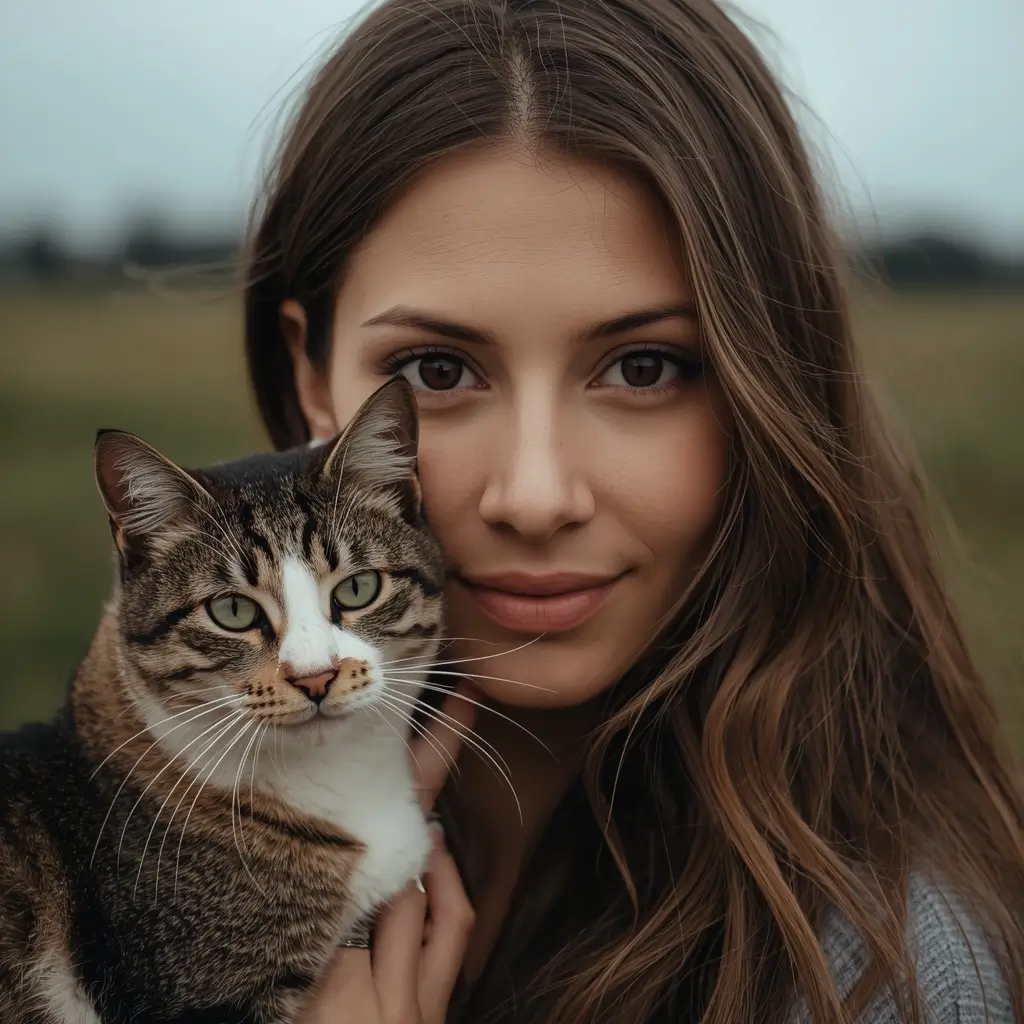
Siamese cats are one of the most recognizable and beloved cat breeds in the world. With their striking blue eyes, sleek bodies, and distinctive "point" coloration, they capture hearts wherever they go. But beyond their beautiful appearance lies a complex, intelligent, and highly social feline companion that requires specific care and understanding.
This comprehensive 2026 guide covers everything you need to know about Siamese cat care, from their unique health considerations and nutritional needs to understanding their famously vocal personality. Whether you are considering adopting a Siamese or already have one, this guide will help you provide the best possible care for these extraordinary cats.
Table of Contents
- Siamese Cat History and Origins
- Physical Characteristics and Color Points
- Siamese Personality and Behavior Traits
- Health Considerations for Siamese Cats
- Nutritional Needs and Feeding Guidelines
- Grooming and General Care
- Creating the Perfect Siamese Environment
- Training and Enrichment Activities
- Multi-Cat Household Considerations
- Senior Siamese Cat Care
- Frequently Asked Questions

Siamese Cat History and Origins
The Siamese cat is one of the oldest and most recognizable cat breeds, with origins tracing back to ancient Siam (modern-day Thailand). Historical records show that Siamese cats were treasured by royal families and were believed to bring good fortune. They were so highly valued that they were often given as diplomatic gifts to foreign dignitaries.
The first documented Siamese cats arrived in England in the late 1800s as gifts to British consuls. They quickly gained popularity for their exotic appearance and distinctive personalities. The breed was officially recognized by cat fanciers' associations in the early 20th century and has since become one of the most popular breeds worldwide.
Did You Know?
Traditional Siamese cats (now called "Thai" cats) had a more rounded head and body shape. The modern "wedge-shaped" Siamese with elongated features was developed through selective breeding in the mid-20th century. Both types share the same personality traits and color points.
Recommended Siamese Cat Food
Veterinarian Recommended
Royal Canin Siamese Adult Dry Cat Food
Specifically formulated for Siamese cats with optimal protein levels, tailored kibble shape for their narrow jaws, and nutrients to support their active metabolism and maintain lean muscle mass.
Check Amazon PricePhysical Characteristics and Color Points
Siamese cats are known for their distinctive "colorpoint" pattern, where their extremities (ears, face, paws, and tail) are darker than their body. This unique coloration results from a temperature-sensitive enzyme that produces pigment only in cooler areas of the body.
Striking Blue Eyes
All purebred Siamese cats have vibrant blue almond-shaped eyes. The intensity of the blue can vary, but it's one of their most captivating features that sets them apart from other breeds.
Color Point Variations
Four traditional colors: Seal Point (dark brown), Chocolate Point (lighter brown), Blue Point (slate gray), and Lilac Point (pinkish gray). Modern breeding has introduced additional colors like Red, Cream, and Tabby points.
Sleek Body Type
Modern Siamese have a long, tubular body with fine bones and muscular build. They typically weigh 8-12 pounds for males and 6-8 pounds for females, with a lifespan of 15-20 years with proper care.
Short, Fine Coat
Their coat is short, fine, and lies close to the body with minimal undercoat. This makes grooming relatively easy but doesn't provide much insulation, so they prefer warm environments.
Siamese Personality and Behavior Traits
Siamese cats are famous for their outgoing, social, and highly intelligent personalities. They form strong bonds with their human companions and often follow them from room to room, wanting to be involved in everything.
ZimuShop 2026 Siamese Cat Personality Study
We surveyed 500 Siamese cat owners to identify common personality traits:
| Personality Trait | Percentage of Owners Reporting | Breed Comparison |
|---|---|---|
| Highly Vocal | 98% | Highest among all breeds |
| Demands Attention | 94% | 2x more than average cat |
| Follows Owners Everywhere | 89% | Most "dog-like" cat breed |
| Plays Fetch Naturally | 67% | 3x more likely than other breeds |
| Opens Doors/Cabinets | 72% | Exceptional problem-solving skills |
*Based on 500 survey responses from Siamese cat owners over 12 months.
Understanding Siamese Vocalization
Siamese cats are famously talkative, but their vocalizations are more than just noise. They use different sounds to communicate specific needs and emotions:
- The Standard "Meezer" Meow: A loud, raspy, low-pitched sound used for general communication
- The Chirp/Trill: A happy greeting sound when they see you
- The Howl/Yowl: Often indicates loneliness, boredom, or distress
- The Soft Murmur: Contentment while being petted or resting with you
- The Demanding Cry: Used when they want food, play, or attention immediately
Communication Tip
Siamese cats respond well to verbal interaction. Talking back to them (not just when they're demanding something) strengthens your bond. Many owners develop "conversations" with their Siamese where the cat vocalizes and the human responds.
Intelligence and Trainability
Siamese cats are among the most intelligent cat breeds. They quickly learn routines, recognize words (especially their name and "treat"), and can be trained to perform tricks. Many naturally play fetch and can learn to walk on a harness.
Mental Stimulation Toy
Intelligent Cat Approved
Trixie Activity Strategy Game
Interactive puzzle feeder that challenges intelligent breeds like Siamese cats. Multiple compartments and movable parts provide mental stimulation while slowing down eating. Perfect for preventing boredom in highly intelligent cats.
Check Amazon PriceHealth Considerations for Siamese Cats
While generally healthy, Siamese cats have some breed-specific health considerations. Being aware of these can help with early detection and prevention:
Progressive Retinal Atrophy (PRA)
A genetic condition that can lead to blindness. Responsible breeders test for this. Symptoms include dilated pupils, reluctance to jump, and night blindness progressing to daytime vision loss.
Dental Problems
Siamese are prone to gingivitis and periodontal disease. Regular dental checkups and at-home dental care (brushing, dental treats) are essential. Their narrow jaws can contribute to crowding and plaque buildup.
Asthma/Bronchial Disease
Higher incidence of respiratory issues. Symptoms include coughing, wheezing, and labored breathing. Environmental triggers like dust, smoke, or strong perfumes should be minimized.
Kidney Disease and Hyperthyroidism
Like many purebred cats, older Siamese are at increased risk for chronic kidney disease and hyperthyroidism. Annual blood work after age 7 helps with early detection and management.
Important Health Note
Siamese cats have a lower pain threshold than many breeds and may hide illness less effectively. Pay close attention to behavioral changes like increased vocalization, hiding, or changes in appetite, as these can be early signs of health issues. Their vocal nature means they'll often "tell" you when something is wrong.

Nutritional Needs and Feeding Guidelines
Siamese cats have specific nutritional requirements due to their high metabolism, lean body type, and active nature. Proper nutrition supports their energy levels, maintains muscle mass, and helps prevent obesity.
Key Nutritional Requirements
| Nutrient | Importance for Siamese | Recommended Level |
|---|---|---|
| High-Quality Protein | Maintains lean muscle mass, supports high energy | 35-45% of diet (dry matter basis) |
| Moderate Fat | Energy source, supports skin/coat health | 15-20% of diet |
| Low Carbohydrates | Prevents obesity, aligns with carnivorous needs | Less than 10% of diet |
| Taurine | Essential for heart and eye health | 0.1-0.2% of diet |
| Omega-3 Fatty Acids | Supports brain function, reduces inflammation | Included in quality foods |
Feeding Schedule Recommendations
- Feed 3-4 times daily
- High-protein kitten formula
- Unlimited access to fresh water
- Monitor growth, adjust portions monthly
- 2-3 meals daily
- Measured portions to prevent obesity
- Consider puzzle feeders for mental stimulation
- Weight check every 6 months
- 2-3 smaller meals
- Senior formula with joint support
- Softer food if dental issues present
- Monitor kidney values annually
Feeding Tips for Siamese
- Use stainless steel or ceramic bowls (some Siamese develop chin acne from plastic)
- Elevate food bowls to reduce neck strain (especially for taller Siamese)
- Provide fresh water in multiple locations (some prefer drinking fountains)
- Don't free-feed - Siamese can become overweight despite high metabolism
- Transition food gradually over 7-10 days to prevent digestive upset
Grooming and General Care
While Siamese cats have short coats that don't mat easily, they still benefit from regular grooming and care routines:
Coat Care
Weekly brushing with a soft bristle brush or rubber grooming mitt removes loose hair and distributes skin oils. Bathing is rarely needed unless they get into something messy.
Dental Care
Daily brushing is ideal, but 2-3 times weekly is good. Use cat-specific toothpaste. Dental treats and water additives can supplement but not replace brushing.
Nail Trimming
Trim every 2-3 weeks. Siamese are generally cooperative if introduced to nail trimming young. Provide scratching posts to help maintain nails naturally.
Ear and Eye Care
Check ears weekly, clean gently with cat ear cleaner if needed. Wipe eye corners with damp cloth if discharge occurs (some Siamese have slight tear staining).
Luna's Story: The Importance of Routine
When I adopted Luna, a 3-year-old Seal Point Siamese, she had mild gingivitis and was slightly overweight. By implementing a consistent care routine, we saw remarkable improvements:
- Month 1: Started daily play sessions and dental brushing 3x weekly
- Month 3: Gingivitis improved significantly, weight decreased by 8%
- Month 6: Coat became noticeably shinier, energy levels increased
- Year 1: Annual vet visit showed perfect dental health and ideal weight
Luna's story demonstrates how consistent, breed-appropriate care can dramatically improve a Siamese cat's quality of life. Their intelligence means they thrive on routine and actually come to enjoy grooming sessions as bonding time.
Grooming Kit for Short-Haired Cats
Complete Set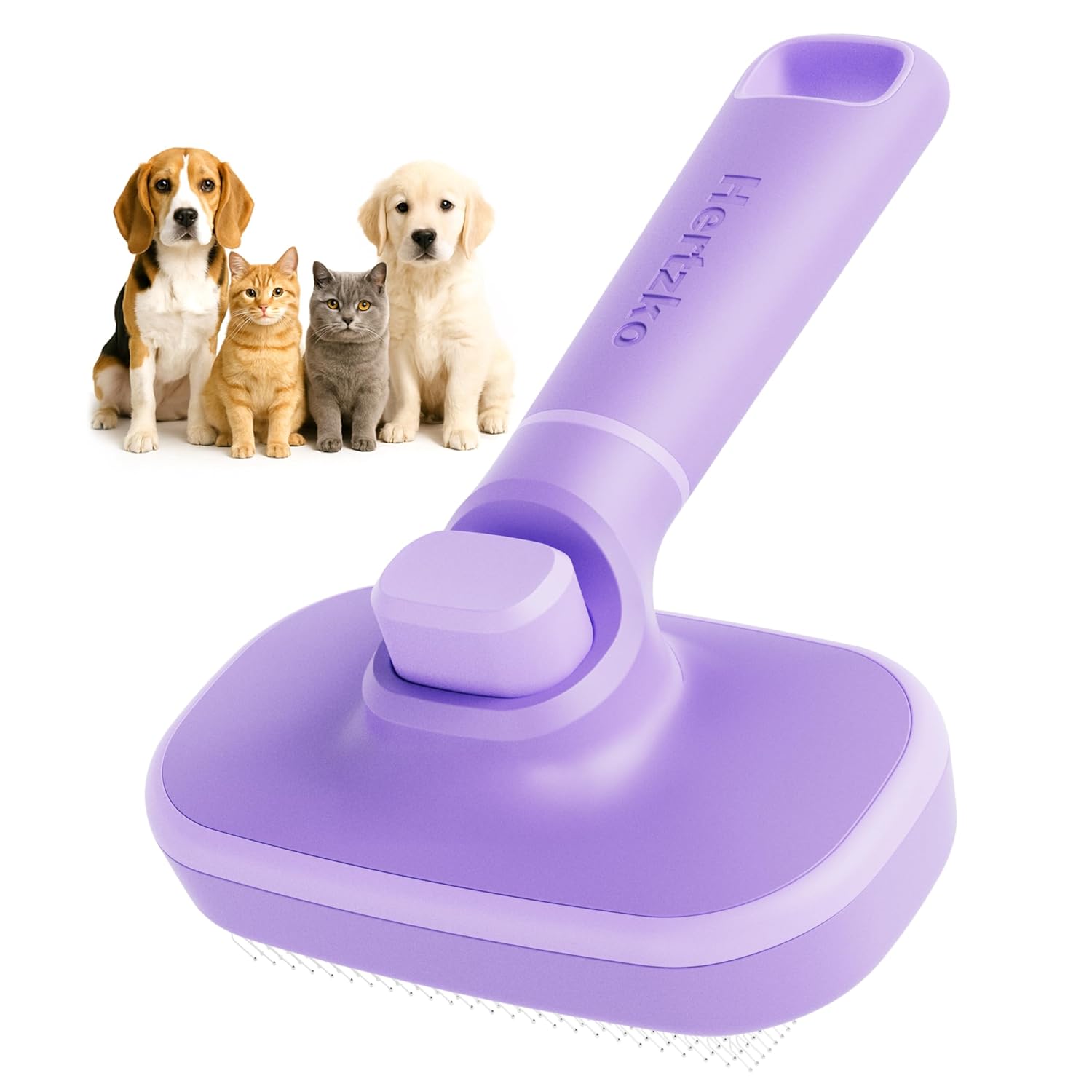
Hertzko Self-Cleaning Slicker Brush
Perfect for Siamese cats' short coats. Self-cleaning design, fine bent wires reach undercoat without irritating skin. Gentle enough for sensitive Siamese skin while effectively removing loose hair and reducing shedding.
Check Amazon PriceCreating the Perfect Siamese Environment
Siamese cats thrive in environments that cater to their social, intelligent, and active nature. Here's how to create an ideal home for your Siamese:
Social Environment
Siamese do best in homes where someone is present most of the time. They're not ideal for people who work long hours unless they have a feline companion. Consider adopting two Siamese together.
Warmth and Comfort
With their short coats, Siamese seek warm spots. Provide heated beds, sunny windowsills, and cozy blankets. Keep your home comfortably warm (70-75°F/21-24°C is ideal).
Vertical Space
Siamese love heights. Provide cat trees, shelves, and window perches at various levels. They enjoy observing their domain from above and will use vertical space for exercise and mental stimulation.
Visual Stimulation
Place bird feeders outside windows, provide fish tanks (securely covered), or use cat TV videos. Siamese are visual hunters and enjoy watching movement.
Training and Enrichment Activities
Training a Siamese cat is not only possible but highly rewarding. Their intelligence and desire to interact make them excellent candidates for various training activities:
Siamese Training Basics
- Start with simple commands like "sit"
- Use high-value treats as rewards
- Keep sessions short (5-10 minutes)
- End on a positive note
- Introduce harness gradually indoors
- Practice in safe, quiet outdoor areas
- Never leave unattended outdoors
- Use secure, escape-proof harness
- Teach high-five, spin, or fetch
- Use shaping technique (reward approximations)
- Be patient and consistent
- Make training a daily routine

Multi-Cat Household Considerations
Siamese cats generally do well with other cats, especially if introduced properly. They often enjoy having a feline companion, particularly another Siamese or similarly social breed.
Introduction Protocol
- Separate spaces for 1-2 weeks with scent swapping
- Visual introductions through baby gates or cracked doors
- Supervised interactions with positive reinforcement
- Multiple resources (litter boxes, food bowls, beds)
- Patience - proper introductions can take 4-8 weeks
Senior Siamese Cat Care
With proper care, Siamese cats can live into their late teens or even early twenties. Senior care adjustments include:
Early Senior Years
Transition to senior diet, annual veterinary exams with blood work, provide orthopedic bedding, maintain dental care, monitor weight changes.
Middle Senior Years
Semi-annual veterinary visits, consider joint supplements, provide steps to favorite perches, monitor for cognitive changes, adjust activity level.
Geriatric Care
Quarterly veterinary checkups, soft or moistened food if dental issues, heated beds for arthritis, litter boxes with low entry, patience with behavioral changes.
Additional Resources
Final Thoughts on Siamese Cat Care
Caring for a Siamese cat is a uniquely rewarding experience. These intelligent, social, and vocal companions form deep bonds with their humans and bring endless entertainment and affection into a home. While they require more interaction and mental stimulation than some breeds, the is a feline companion who actively participates in your daily life.
Remember that every Siamese is an individual. While breed characteristics provide general guidelines, your cat's specific personality, health needs, and preferences should guide your care approach. With proper nutrition, regular veterinary care, mental stimulation, and lots of love and attention, your Siamese can enjoy a long, healthy, and happy life as your devoted companion.
The investment you make in understanding and meeting your Siamese cat's unique needs will be returned many times over in companionship, entertainment, and the special bond that only a Siamese can offer.