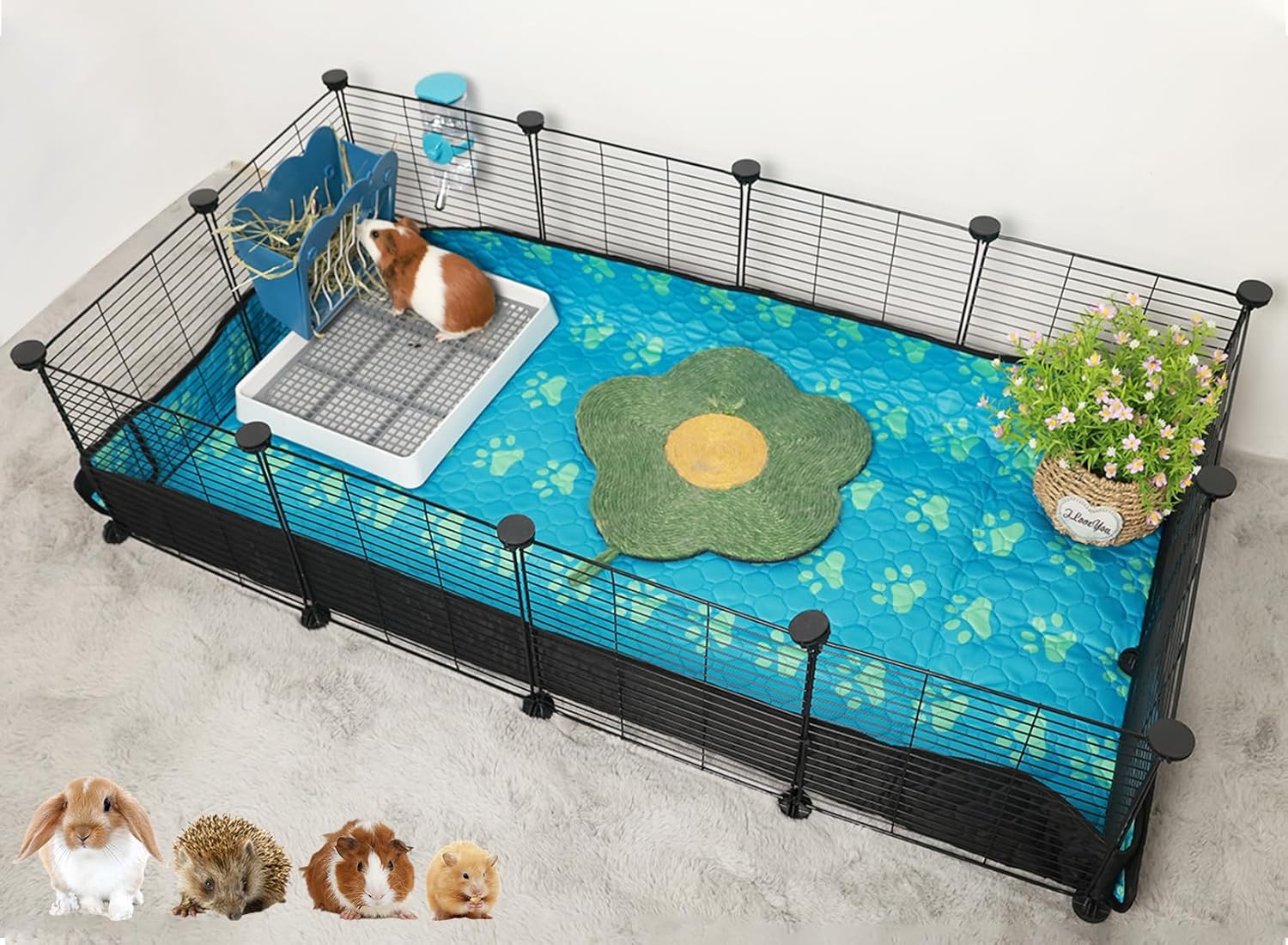
Creating the perfect habitat for your small pet is one of the most important aspects of responsible pet ownership. A proper enclosure doesn't just keep your pet safe it provides mental stimulation, encourages natural behaviors, and contributes to overall health and happiness.
This comprehensive guide covers everything you need to know about setting up ideal habitats for various small pets, from hamsters and guinea pigs to rabbits and ferrets. We'll explore cage requirements, essential accessories, bedding options, and maintenance tips to ensure your small friend thrives in their home environment.
Table of Contents

General Principles for Small Pet Habitats
Before we dive into species-specific requirements, let's cover the universal principles that apply to all small pet habitats:
- Size matters: Bigger is always better when it comes to enclosures
- Proper ventilation: Good airflow prevents respiratory issues
- Security: Escape-proof designs keep pets safe
- Easy cleaning: Accessible designs make maintenance simpler
- Environmental enrichment: Variety prevents boredom and stress
- Appropriate temperature: Most small pets thrive at 65-75°F (18-24°C)
- Safe location: Away from direct sunlight, drafts, and household hazards
Pro Tip
Always research your specific pet's natural habitat and behaviors. The more you can replicate their natural environment, the happier and healthier they'll be. For example, burrowing animals need deep bedding, while climbers need vertical space and safe climbing structures.
Small Pet Habitat Requirements
Different small pets have varying needs based on their size, activity levels, and natural behaviors. Here's a comparison of habitat requirements for common small pets:
| Pet Type | Minimum Cage Size | Bedding Depth | Essential Features | Temperature Range |
|---|---|---|---|---|
| Hamster | 24" x 12" floor space (larger for Syrians) | 6+ inches for burrowing | Exercise wheel, hideouts, chew toys | 65-75°F (18-24°C) |
| Guinea Pig | 7.5 sq ft for one, 10.5 sq ft for two | 1-2 inches (absorbent) | Hiding spots, hay rack, large floor space | 65-75°F (18-24°C) |
| Rabbit | 12 sq ft + exercise area | 1-2 inches (litter trained) | Litter box, hiding house, chewing toys | 60-70°F (15-21°C) |
| Ferret | 24" x 24" x 18" minimum | 1-2 inches (absorbent) | Multi-level, hammocks, tunnels, litter boxes | 60-70°F (15-21°C) |
| Rat | 24" x 24" x 18" for 2-3 rats | 1-2 inches (absorbent) | Multi-level, hammocks, hiding spots | 65-75°F (18-24°C) |
| Gerbil | 10 gallon tank or 18" x 12" floor | 6+ inches for burrowing | Deep bedding, exercise wheel, chew toys | 65-75°F (18-24°C) |
Detailed Pet Profiles and Habitat Setup
Hamsters
Nocturnal Burrowers
Ideal Habitat: Large tank or well-ventilated cage with secure lid
Key Requirements:
- Solid-bottom cage (no wire floors)
- 6+ inches of bedding for burrowing
- Proper-sized exercise wheel (8-12 inches)
- Multiple hideouts and tunnels
- Chew toys for dental health
- Sand bath for dwarf hamsters
Common Mistakes: Too-small cages, wire wheels, inadequate bedding
Guinea Pigs
Social Grazers
Ideal Habitat: Large C&C cage or commercial cage with solid bottom
Key Requirements:
- Ample horizontal space (minimum 7.5 sq ft)
- Hiding houses for security
- Constant access to hay
- Heavy ceramic food bowls
- Water bottle with metal spout
- Companion guinea pig (they're social!)
Common Mistakes: Small cages, solitary housing, wire floors
Rabbits
Active Explorers
Ideal Habitat: Large exercise pen or rabbit-proofed room
Key Requirements:
- Minimum 12 sq ft plus exercise time
- Litter box with rabbit-safe litter
- Hiding house for security
- Chew toys and digging opportunities
- Sturdy food and water containers
- Soft resting areas
Common Mistakes: Small hutches, inadequate exercise, wrong diet

Essential Habitat Components
Bedding Options
Choosing the right bedding is crucial for your pet's health and comfort:
- Paper-based bedding: Highly absorbent, low dust, safe for most pets
- Aspen shavings: Safe wood option, good odor control
- Fleece liners: Reusable, economical for larger enclosures
- Hay: Edible bedding ideal for rabbits and guinea pigs
- Corn cob bedding: Avoid - can mold and isn't digestible
- Cedar/pine shavings: Avoid - aromatic oils can cause respiratory issues
Food and Water Systems
Proper feeding setups prevent mess and contamination:
- Water bottles: Prevent bedding contamination, easy to monitor intake
- Ceramic bowls: Heavy and tip-resistant for food
- Hay racks/feeders: Keep hay clean and accessible
- Foraging toys: Encourage natural feeding behaviors
Environmental Enrichment
Mental stimulation prevents boredom and associated behavior problems:
- Hideouts: Multiple hiding spots reduce stress
- Chew toys: Essential for dental health of rodents
- Tunnels and tubes: Mimic natural burrowing environments
- Climbing structures: For agile pets like rats and ferrets
- Digging boxes: For natural digging behaviors
- Rotation system: Regularly change toys to maintain novelty
Habitat Setup Checklist
Habitat Maintenance and Cleaning
Regular maintenance is essential for your pet's health:
Daily Tasks
- Spot clean soiled bedding
- Refresh food and water
- Check for any hazards or damage
- Remove uneaten fresh foods
Weekly Tasks
- Replace bedding/substrate
- Wash food and water containers
- Clean hard surfaces with pet-safe disinfectant
- Inspect toys and equipment for damage
Monthly Tasks
- Deep clean entire enclosure
- Wash any fabric items (hammocks, fleece)
- Rotate and refresh toys and enrichment
- Check enclosure structure for wear
Safety Note
Always use pet-safe cleaning products. Avoid bleach, ammonia, and other harsh chemicals that can leave harmful residues. Vinegar and water solutions or commercial small pet-safe cleaners are ideal. Always rinse thoroughly and allow the habitat to dry completely before adding fresh bedding and returning your pet.

Troubleshooting Common Habitat Problems
Odor Issues
If your pet's habitat develops persistent odors:
- Increase cleaning frequency
- Try a different bedding type (more absorbent)
- Check for hidden soiled areas
- Ensure proper ventilation
- Consider a smaller animal-safe air purifier nearby
Escape Attempts
If your pet is trying to escape their enclosure:
- Ensure the habitat is large enough
- Add more enrichment and hiding spots
- Check for security gaps or weak points
- Provide more out-of-habitat exercise time
- Consider if they need a companion (for social species)
Chewing on Habitat
If your pet is chewing on their enclosure:
- Provide more appropriate chew toys
- Ensure they're getting enough fiber in their diet
- Check if their teeth need trimming (consult a vet)
- Consider if they're bored and need more stimulation
DIY Habitat Ideas
Creating custom habitats can be rewarding and cost-effective:
C&C Cages (Cubes and Coroplast)
Popular for guinea pigs and rabbits, these customizable cages offer excellent space and visibility.
IKEA Detolf Hack
The IKEA Detolf glass cabinet makes an excellent hamster or gerbil habitat when modified with a secure lid.
Storage Bin Cages
Large plastic storage bins can be transformed into affordable, well-ventilated habitats with some modifications.
Final Thought
Remember that your pet's habitat is their entire world. Investing time and resources into creating an appropriate, enriching environment is one of the most important aspects of small pet care. Observe your pet's behaviors closely they'll tell you what they need through their actions. A happy pet in a well-designed habitat will be healthier, more active, and will bring you more joy as a companion. Always be prepared to adjust and improve their living space as you learn more about their individual preferences and needs.