Small pets have unique nutritional needs that differ significantly from cats and dogs. Proper nutrition is essential for their health, longevity, and happiness. In this comprehensive 2026 guide, we'll explore the specific dietary requirements of rabbits, hamsters, guinea pigs, ferrets, and other small pets.
Understanding small pet nutrition is crucial for preventing common health issues like dental problems, digestive disorders, and obesity. Whether you're a new small pet owner or looking to optimize your current pet's diet, this guide provides evidence-based recommendations for feeding your small companions. For specialized housing information, see our small pet behavior setup.
Table of Contents
- Rabbit Nutrition: Hay, Pellets & Vegetables
- Hamster Diet: Seeds, Grains & Protein
- Guinea Pig Feeding: Vitamin C Essentials
- Ferret Nutrition: High-Protein Carnivore Diet
- Other Rodent Nutrition: Gerbils, Mice & Rats
- Daily Feeding Schedule & Portion Control
- Common Feeding Mistakes to Avoid
- 2026 Small Pet Food Trends
- Recommended Small Pet Food Products
- Transitioning to New Food
- Frequently Asked Questions

Rabbit Nutrition: The Foundation of Hay, Pellets & Vegetables
Rabbits are herbivores with a digestive system designed for continuous grazing. Their diet should consist primarily of high-quality hay, supplemented with pellets and fresh vegetables.
Essential Rabbit Diet Components
Hay (70-80% of diet)
Timothy hay is ideal for adult rabbits, providing essential fiber for digestive health and dental wear. Alfalfa hay is higher in calcium and protein, suitable only for young rabbits under 7 months.
Pellets (5-10% of diet)
High-fiber pellets (18-20% fiber) without colorful pieces or seeds. Limit to 1/4 cup per 5 lbs body weight daily. Look for pellets with no added sugars or artificial colors.
Fresh Vegetables (10-15% of diet)
Dark leafy greens like romaine lettuce, kale, and parsley. Introduce new vegetables gradually. Avoid iceberg lettuce (low nutritional value) and toxic vegetables like onions and potatoes.
Treats (Limited)
Fresh fruits like apple or banana slices (1-2 tablespoons weekly). Avoid commercial treats with sugars, seeds, or dairy. Never feed chocolate or sugary human foods.
Rabbit Feeding Tip
Rabbits need unlimited access to fresh hay 24/7. Their digestive systems require constant movement of fibrous material to prevent gastrointestinal stasis, a potentially fatal condition. For more rabbit care information, see our complete rabbit care guide.
Recommended Rabbit Food
High Fiber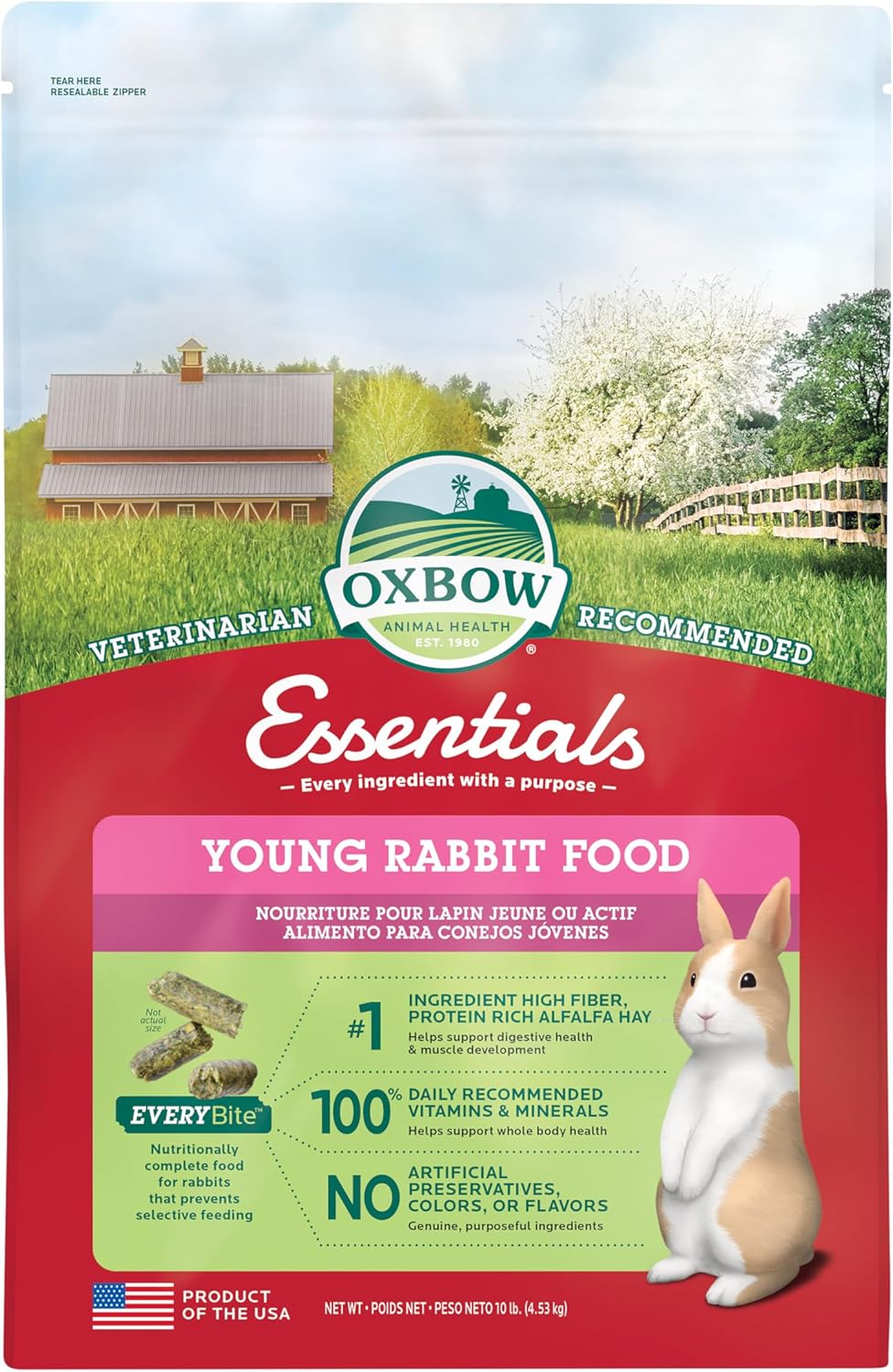
Oxbow Essentials Adult Rabbit Food
Formulated by veterinarians with Timothy hay as the first ingredient. Provides balanced nutrition with essential fiber for digestive health. According to the House Rabbit Society, Timothy hay-based pellets are ideal for adult rabbits.
Check Amazon PriceHamster Diet: Balanced Mix of Seeds, Grains & Protein
Hamsters are omnivores that require a varied diet of grains, seeds, vegetables, and occasional protein sources. Their nutritional needs vary by species (Syrian, dwarf, etc.).
Hamster Food Components
| Food Type | Percentage | Examples | Frequency |
|---|---|---|---|
| Commercial Mix | 70-80% | Seed/grain blends, fortified pellets | Daily |
| Fresh Vegetables | 15-20% | Carrots, broccoli, cucumber | Daily |
| Protein Sources | 5-10% | Mealworms, cooked egg, plain chicken | 2-3 times weekly |
| Treats | <5% | Sunflower seeds, small fruit pieces | Occasionally |
Hamster Feeding Warning
Avoid sugary fruits and vegetables for dwarf hamsters, as they are prone to diabetes. Syrian hamsters can have small amounts of fruit as occasional treats. Always remove uneaten fresh food within 24 hours to prevent spoilage. For hamster habitat setup, see our complete habitat guide.

Guinea Pig Nutrition: Vitamin C Essentials
Guinea pigs, like humans, cannot synthesize their own vitamin C and require it in their daily diet. Deficiency can lead to scurvy, a serious health condition.
Guinea Pig Vitamin C Requirements
Research from the ASPCA shows guinea pigs require 10-30 mg of vitamin C daily, increasing during pregnancy, illness, or stress:
| Life Stage | Daily Vitamin C | Best Food Sources | Supplement Needed? |
|---|---|---|---|
| Adult Maintenance | 10-15 mg | Bell peppers, kale, parsley | Usually not with proper diet |
| Growing/Pregnant | 20-30 mg | Vitamin C tablets, fortified pellets | Often recommended |
| Ill/Stressed | 30-50 mg | Liquid supplements, critical care | Essential |
Vitamin C degrades in pellets over time. Store in cool, dark place and use within 90 days of opening.
Guinea Pig Diet Components
- Unlimited Timothy hay (or alfalfa for young/pregnant pigs)
- Vitamin C-fortified pellets (1/8 cup daily per adult)
- Fresh vegetables high in vitamin C daily (bell peppers, kale)
- Limited fruits (high in sugar, 1-2 times weekly)
- Fresh water changed daily, preferably in a bottle
Vitamin C Fortified Guinea Pig Food
Essential Vitamin C
Small Pet Select Guinea Pig Food
Timothy hay-based pellets with stabilized vitamin C. No seeds, nuts, or colorful pieces. Formulated with prebiotics for digestive health.
Check Amazon PriceFerret Nutrition: High-Protein Carnivore Diet
Ferrets are obligate carnivores with short digestive tracts, requiring a diet high in animal protein and fat, and very low in carbohydrates and fiber.
Rapid Digestion
Ferrets digest food in just 3-4 hours, requiring frequent small meals. High-quality animal protein should be the first ingredient in any ferret food.
Protein Requirements
Ferrets need 30-40% protein from animal sources. Plant proteins are poorly digested and can cause health issues.
Fat Requirements
Animal-based fats provide essential energy. Avoid foods with high carbohydrate content (>20%), which can lead to insulinoma.
Minimal Fiber
Ferrets cannot digest fiber effectively. High-fiber foods pass through undigested, providing no nutritional value.
Ferret Feeding Tip
Ferrets imprint on food by 6 months of age, making it difficult to change diets later. Introduce variety early.
Other Rodent Nutrition: Gerbils, Mice & Rats
While similar in some aspects, different rodent species have unique nutritional requirements:
Rats
Omnivores requiring balanced commercial rat blocks (75-80%) supplemented with vegetables (15-20%) and occasional protein (5%). Avoid excessive fats to prevent obesity.
Mice
Similar to rats but smaller portions. Commercial mouse food supplemented with seeds, grains, and occasional insects. Provide chew toys for dental health since teeth continuously grow.
Gerbils
Desert-adapted rodents requiring less water but similar nutrition to hamsters. Seed mixes with occasional vegetables. Monitor for diabetes in certain color varieties.
Chinchillas
Specialized herbivores requiring Timothy hay-based pellets, limited treats, and no fresh vegetables (can cause bloating). Dust baths essential for coat health.

High-Protein Ferret Food
Carnivore Formula
Wysong Ferret Epigen 90 Digestive Support
90% protein from meat sources with probiotics for digestive health. Low carbohydrate formula specifically for ferret metabolism. The American Veterinary Medical Association recommends animal-based proteins as the foundation of ferret nutrition.
Check Amazon PriceDaily Feeding Schedule & Portion Control
Consistent feeding schedules help maintain digestive health and prevent obesity in small pets:
Small Pet Feeding Schedule Guide
- Unlimited hay: Available 24/7
- Pellets: 1/4 cup per 5 lbs, morning
- Vegetables: 1 cup per 2 lbs, evening
- Water: Fresh daily, bottle or bowl
- Treats: Fruit, 1-2 tbsp weekly
- Commercial mix: 1-2 tbsp, evening
- Fresh food: Small piece daily
- Protein: 2-3 times weekly
- Water: Fresh daily, bottle
- Monitor: Remove uneaten fresh food
- Unlimited hay: Available 24/7
- Pellets: 1/8 cup daily, morning
- Vitamin C veg: 1 cup daily
- Water: Fresh daily with vitamin C
- Fruit: Small piece 1-2 times weekly
- Dry food: Available 24/7
- Raw/meat: Small amounts 2x daily
- Water: Fresh daily, bottle preferred
- Treats: Meat-based only
- Monitor weight: Adjust portions as needed
Portion Control Tips
- Weigh your pet monthly: Track weight to adjust portions
- Measure food: Use measuring cups for consistency
- Monitor consumption: Adjust if food remains uneaten
- Consider activity level: Active pets may need more food
- Consult vet for changes: Senior pets or those with health issues need adjusted diets
Common Feeding Mistakes to Avoid
Many small pet health issues stem from nutritional mistakes. Avoid these common errors:
| Mistake | Consequences | Correct Approach |
|---|---|---|
| Feeding rabbit pellets to guinea pigs | Vitamin C deficiency, scurvy | Species-specific fortified pellets |
| Overfeeding pellets to rabbits | Obesity, dental issues, selective eating | Limit pellets, emphasize hay |
| High-sugar fruits for dwarf hamsters | Diabetes, obesity, shortened lifespan | Vegetables only, occasional low-sugar fruit |
| Dog/cat food for ferrets | Nutritional deficiencies, insulinoma risk | High-protein ferret-specific food |
| Sudden diet changes | Digestive upset, refusal to eat | Gradual transition over 7-14 days |
Success Story: Coco the Rabbit
When Coco came to us at age 2, she was overweight with dental issues from a pellet-only diet. Her previous owner fed unlimited pellets and little hay. We transitioned her to:
- Week 1-2: Unlimited Timothy hay introduced alongside reduced pellets
- Week 3-4: Vegetables gradually introduced, pellets further reduced
- Month 2: Regular dental check-ups showed improvement
- Month 3: Weight normalized, energy increased significantly
- Month 6: No further dental issues, overall health excellent
Coco's story demonstrates how proper nutrition can reverse diet-related health issues. The House Rabbit Society's diet guidelines were instrumental in her recovery.
2026 Small Pet Food Trends
The small pet food industry is evolving with new research and consumer demands:
Hay Quality Enhancement
Third-cut Timothy hay with higher leaf-to-stem ratio becoming standard. Organic, pesticide-free options gaining popularity for sensitive pets.
Probiotic & Prebiotic Fortification
More foods include specific strains for small pet gut health. Postbiotic metabolites showing promise for immune support.
Sustainable Packaging
Compostable bags and reduced plastic. Local sourcing to reduce carbon footprint of hay transportation.
Breed-Specific Formulations
Different formulas for lionhead vs. rex rabbits, Syrian vs. dwarf hamsters based on genetic research on metabolic differences.
Transitioning to New Food
When changing your small pet's diet, gradual transition is essential to prevent digestive upset:
25% New, 75% Old
Mix 1 part new food with 3 parts old food. Monitor stool consistency and appetite closely.
50% New, 50% Old
Equal mix of old and new. Continue monitoring, especially for rabbits and guinea pigs which are sensitive to changes.
75% New, 25% Old
Three parts new to one part old. You should see normal appetite and stool consistency.
100% New Food
Complete transition. Continue monitoring weight and overall health for several weeks.
Important Transition Notes
- Rabbits & guinea pigs: May need 14-21 days for full transition
- Monitor hay consumption: Ensure they're still eating adequate hay during transition
- Consult vet if issues: Diarrhea, reduced appetite, or lethargy warrant veterinary consultation
- Don't mix old and new pellets in same bowl: Pets may selectively eat preferred pieces
- Keep old food available: Until you're sure new food is fully accepted
Final Thoughts on Small Pet Nutrition
Proper nutrition is the foundation of your small pet's health and longevity. Each species has unique requirements that must be met through appropriate diet choices. Remember that quality matters more than quantity, and fresh, species-appropriate foods make a significant difference in health outcomes.
Regular veterinary check-ups, weight monitoring, and attention to your pet's individual needs will help ensure they receive optimal nutrition throughout their life. For more species-specific information, explore our small pet care hub with detailed guides for each type of small pet.
Your small companion relies on you for their nutritional needs. By providing proper diet and care, you're giving them the best chance for a long, healthy, and happy life.