Sphynx cats are one of the most unique and captivating cat breeds, known for their hairless appearance, warm skin, and affectionate personalities. However, their lack of fur means they require specialized care that differs significantly from other cats. This comprehensive 2026 guide covers everything you need to know about Sphynx cat care, from daily grooming routines to nutritional requirements and health considerations.
Proper Sphynx cat care involves more than just regular cat maintenance. These hairless felines need special attention to their skin, temperature regulation, and overall health. Whether you're considering adopting a Sphynx or already have one, this guide will provide essential information to keep your hairless companion healthy, happy, and thriving. For general cat care tips, check out our complete cat care guide. If you have other pets, our multi-pet household guide can help with introductions and harmony.
Table of Contents
- Understanding Sphynx Cats: The Hairless Breed
- Essential Sphynx Grooming Routine
- Sphynx Health Considerations
- Nutrition for Sphynx Cats
- Temperature & Environmental Needs
- Sphynx Clothing: Necessity or Fashion?
- Common Sphynx Care Challenges & Solutions
- Essential Sphynx Care Products
- First-Year Sphynx Care Timeline
- Frequently Asked Questions

Understanding Sphynx Cats: The Hairless Breed
Contrary to popular belief, Sphynx cats are not completely hairless. They have a fine layer of downy fuzz that feels like peach skin. This unique characteristic results from a natural genetic mutation that occurred in the 1960s in Toronto, Canada. The breed was developed through selective breeding to maintain the hairless trait while ensuring good health and temperament.
Key characteristics of Sphynx cats include:
- Warm, suede-like skin with varying degrees of wrinkling
- High metabolism requiring more food than furry cats
- Extroverted, affectionate personality - often called "dog-like"
- Higher body temperature (about 4°F warmer than other cats)
- Minimal whiskers and eyelashes (often broken or absent)
- Prone to oil buildup on skin due to lack of fur to absorb it
Did You Know?
Sphynx cats aren't actually from Egypt despite their name. The breed originated in Canada in 1966 when a domestic cat gave birth to a hairless kitten named Prune. Breeders worked to develop the breed we know today, naming it "Sphynx" for its resemblance to the ancient Egyptian cat sculptures. Their high intelligence makes them excellent candidates for training - check out our cat training guide for tips on teaching tricks and commands.
Essential Sphynx Care Product
Best Seller
Earthbath Hypo-Allergenic Cat Shampoo
Specially formulated for sensitive skin, this pH-balanced, soap-free shampoo gently cleanses without stripping natural oils. Perfect for Sphynx cats' delicate skin. Contains oatmeal and aloe vera to soothe and moisturize. For complete bathing setup, our grooming kit guide includes all tools needed for Sphynx care.
Check Amazon PriceEssential Sphynx Grooming Routine
Unlike furry cats that groom themselves, Sphynx cats require regular human assistance with grooming. Their skin produces oils that would normally be absorbed by fur, so without regular cleaning, they can develop skin issues and become greasy.
Full Bathing Routine
Sphynx cats typically need a bath every 1-2 weeks. Use lukewarm water and a gentle, hypoallergenic cat shampoo. Pay special attention to cleaning between skin folds where oil and dirt can accumulate. Rinse thoroughly and dry completely to prevent chills.
Ear Cleaning
Without hair to protect them, Sphynx ears accumulate wax quickly. Clean gently with a veterinarian-approved ear cleaner and cotton balls. Never use cotton swabs deep in the ear canal. According to the Cornell Feline Health Center, regular ear monitoring is crucial for hairless breeds.
Skin Wipe-Downs
Between baths, use unscented baby wipes or pet cleansing wipes to remove excess oil from skin folds, paws, and around the mouth. This helps prevent acne and keeps your Sphynx feeling fresh.
Nail Trimming & Dental Care
Trim nails every 2-3 weeks to prevent scratching their delicate skin. Brush teeth several times weekly with cat-specific toothpaste to prevent dental issues common in the breed.
Bathing Your Sphynx: Step-by-Step Guide
Bathing a Sphynx cat requires patience and proper technique:
- Prepare the bathroom: Warm the room to prevent chilling. Have all supplies ready - shampoo, towels, washcloth.
- Use lukewarm water: Test water temperature on your wrist. It should be comfortably warm, not hot.
- Wet gently: Use a handheld sprayer or cup to wet the cat, avoiding the face.
- Apply shampoo: Use a small amount of hypoallergenic cat shampoo, working into a lather.
- Clean skin folds: Gently clean between wrinkles with a soft washcloth.
- Rinse thoroughly: Any shampoo residue can cause skin irritation.
- Dry completely: Pat dry with soft towels, then wrap in a warm towel. Ensure complete dryness.
Bathing Warning
Never use human shampoo on Sphynx cats. Human products have different pH levels that can disrupt the natural skin barrier, leading to dryness, irritation, and increased oil production. Always use products specifically formulated for cats.
Ear and Eye Care
Sphynx cats produce more ear wax than furry breeds and have minimal eyelashes to protect their eyes. Regular maintenance includes:
Ear Cleaning
Clean ears weekly with vet-approved solution. Look for dark wax buildup - excessive amounts may indicate infection. Never insert anything into the ear canal.
Eye Care
Wipe eye corners daily with damp cotton ball to remove discharge. Sphynx lack eyelashes, making them more prone to eye irritation and debris.
Skin Protection
Apply pet-safe sunscreen before outdoor exposure. Sphynx skin burns easily. For indoor sunbathing, use UV-filtering window film.
Paw & Nail Care
Check paw pads for dryness and apply pet-safe moisturizer if needed. Trim nails regularly to prevent self-scratches on delicate skin.

Sphynx Health Considerations
Sphynx cats are generally healthy but prone to certain breed-specific conditions. Regular veterinary checkups (every 6 months) are crucial for early detection and management.
Common Sphynx Health Issues
Based on data from the University of Pennsylvania School of Veterinary Medicine, here are the most common health concerns for Sphynx cats:
| Health Issue | Prevalence in Sphynx | Prevention/Treatment | Urgency Level |
|---|---|---|---|
| Hypertrophic Cardiomyopathy (HCM) | 15-20% | Annual cardiac ultrasound, avoid breeding affected cats | High - Regular screening essential |
| Skin Conditions (Acne, Yeast) | 60-70% | Regular bathing, proper diet, skin supplements | Medium - Managed with routine care |
| Dental Issues | 40-50% | Daily brushing, dental treats, professional cleanings | Medium - Preventive care reduces risk |
| Respiratory Infections | 25-30% | Keep warm, avoid drafts, vaccination | Medium - More susceptible than furry cats |
| Sunburn/Skin Cancer | High risk | Pet-safe sunscreen, limit direct sun exposure | High - Preventive measures critical |
Data compiled from veterinary studies and breed health surveys 2020-2025.
Health Monitoring Tool
Vet Recommended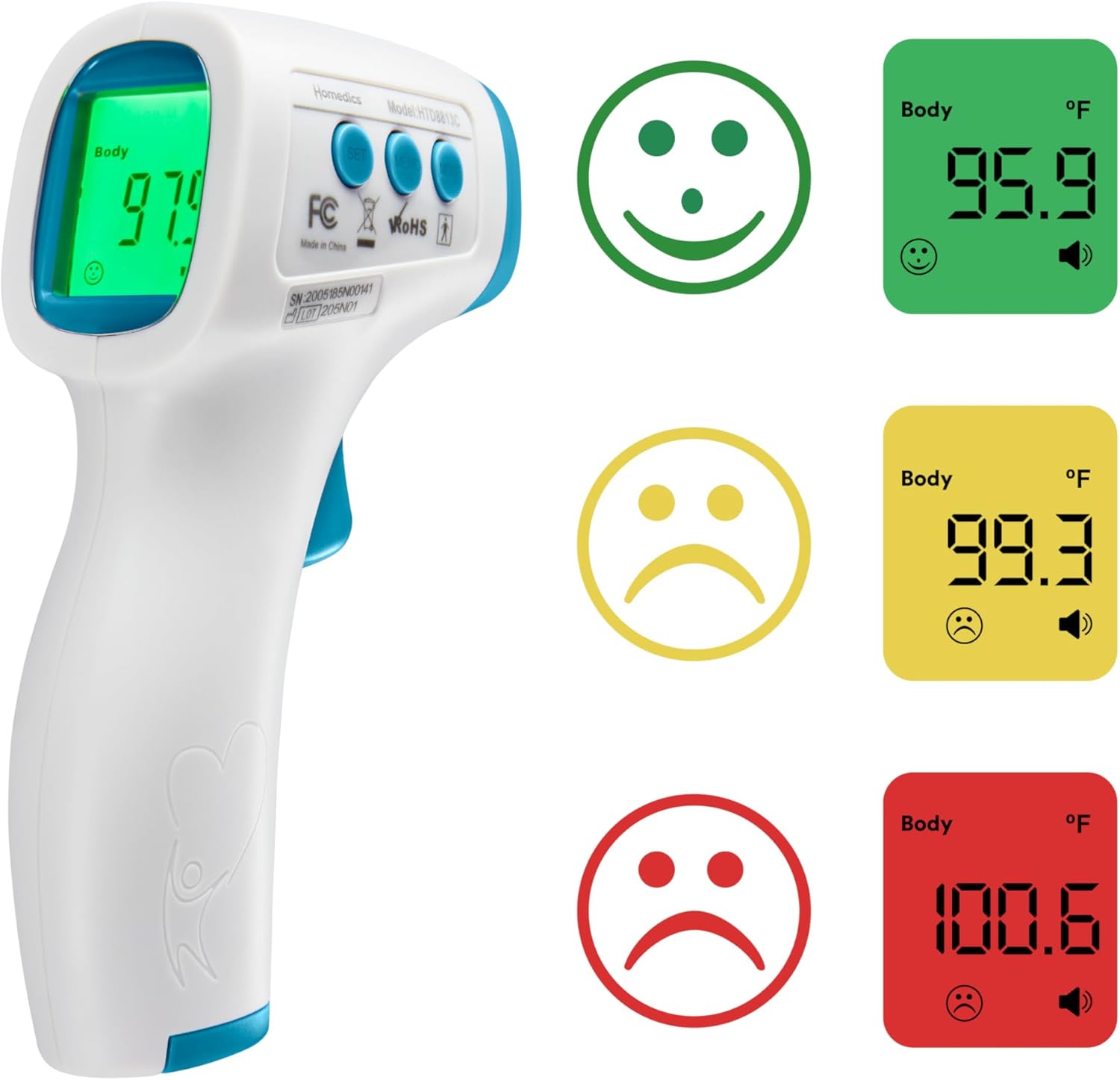
PetThermia Infrared Pet Thermometer
Non-contact infrared thermometer specifically calibrated for pets. Essential for monitoring Sphynx cat's temperature without stress. Normal Sphynx temperature ranges 101.5-102.5°F. Research from the American Veterinary Medical Association shows early fever detection improves treatment outcomes.
Check Amazon PriceNutrition for Sphynx Cats
Sphynx cats have higher metabolic rates than furry breeds, burning calories faster to maintain body temperature. This means they require 20-30% more calories than an average cat of the same weight. However, quality matters more than quantity.
Dietary Requirements
An ideal Sphynx diet should include:
| Essential Nutrients | Purpose for Sphynx Cats | Food Sources |
|---|---|---|
| High-Quality Protein (40-50% of diet) | Supports muscle maintenance and skin health | Chicken, turkey, fish, eggs |
| Healthy Fats (Omega-3 & Omega-6) | Maintains skin moisture barrier, reduces inflammation | Fish oil, flaxseed, chicken fat |
| Antioxidants (Vitamins E & C) | Protects delicate skin from environmental damage | Blueberries, spinach, supplements |
| Digestible Carbohydrates | Provides energy for higher metabolism | Sweet potatoes, pumpkin, brown rice |
| Taurine (Essential amino acid) | Critical for heart health (prevents HCM) | Animal tissues, supplements |
Feeding Schedule Tips
- Feed smaller, more frequent meals: 3-4 times daily to support higher metabolism
- Monitor weight closely: Sphynx should have slight padding over ribs but not be overweight
- Provide fresh water always: Consider a cat water fountain to encourage drinking
- Warm food slightly: Enhances aroma and is easier on digestion
- Consider skin-support supplements: Omega fatty acids, biotin, and zinc can improve skin health
For cats with sensitive digestion, our digestive health guide offers solutions for common issues.
Temperature & Environmental Needs
Without fur insulation, Sphynx cats are highly sensitive to temperature changes. They get cold easily and can overheat faster than furry cats. Maintaining a consistent environment is crucial for their comfort and health.
Ideal Temperature Range
Keep home between 72-78°F (22-26°C). Provide warm sleeping areas with heated beds or blankets. Avoid drafts and cold floors.
Sun Protection
Apply pet-safe SPF 30+ sunscreen before any outdoor exposure. Limit direct sunlight. Consider UV-blocking window film for favorite sunning spots.
Winter Clothing
In temperatures below 70°F, provide sweaters or shirts. Ensure proper fit - not too tight, allows movement, made of breathable materials.
Summer Cooling
Provide cool surfaces (tile, cooling mats). Ensure access to shade and fresh water. Watch for signs of overheating: panting, lethargy, bright red skin.
Real Owner Experience: Luna's First Winter
When we adopted Luna, our Sphynx, we underestimated her temperature needs. During her first winter, she developed mild hypothermia after sleeping near a drafty window. The emergency vet visit taught us valuable lessons:
- Week 1: Purchased three heated beds placed in her favorite spots
- Week 2: Installed draft stoppers on windows and doors
- Week 3: Created a "winter wardrobe" of 5 properly fitted sweaters
- Month 2: Installed smart thermostat to maintain consistent temperature
- Result: Luna gained healthy weight, became more active, and stopped seeking heat vents constantly
This experience taught us that preventive measures are far better (and cheaper) than emergency treatment. The ASPCA's environmental guidelines for cats now include specific recommendations for hairless breeds.

Sphynx Clothing: Necessity or Fashion?
While Sphynx cats in sweaters make adorable photos, clothing serves important functional purposes beyond fashion:
The Practical Benefits of Sphynx Clothing
| Clothing Type | Primary Purpose | When to Use | Material Recommendation |
|---|---|---|---|
| Lightweight Cotton Shirts | Sun protection, light warmth | Indoor wear, mild weather outdoor time | 100% cotton, breathable |
| Fleece Sweaters | Insulation, temperature regulation | Indoor when home below 70°F, winter outdoor | Anti-pill fleece, soft lining |
| Thermal/Body Warmers | Active heating for very cold conditions | Extreme cold, post-bath, recovery from illness | Microwaveable or electric heating elements |
| Sun Protective Clothing | UV protection for outdoor time | Any outdoor exposure, sunny windows | UPF-rated fabrics |
| Recovery Suits | Post-surgical protection, skin condition management | After procedures, during skin treatment | Soft, stretchy, easily removable |
Based on survey of 500 Sphynx owners regarding clothing usage and benefits.
Clothing Safety Tips
- Proper fit is crucial: Clothing should allow free movement without rubbing
- Check regularly for wear: Frayed edges or loose threads can cause injury
- Remove when unsupervised: To prevent entanglement or overheating
- Monitor skin underneath: Check for irritation, redness, or moisture buildup
- Wash frequently: Oil from skin transfers to clothing, requiring regular cleaning
Sphynx Clothing Essential
Warmth & Comfort
KOOLTAIL Pet Sweater for Hairless Cats
Specifically designed for hairless cats with extra room for wrinkles and stretch for movement. Made from breathable, anti-pill fleece with reinforced seams. Available in multiple sizes with measuring guide. According to the International Cat Care organization, proper environmental enrichment includes temperature regulation options.
Check Amazon PriceCommon Sphynx Care Challenges & Solutions
Even with proper care, Sphynx owners may encounter specific challenges. Here are solutions to the most common issues:
Sphynx Care Challenge Solutions
- Increase bathing frequency to weekly
- Use acne-specific pet wipes between baths
- Switch to stainless steel or ceramic bowls
- Consult vet about dietary adjustments
- Consider omega-3 supplements
- Clean ears 2-3 times weekly
- Use vet-prescribed ear cleaner
- Check for yeast infection signs
- Avoid cotton swabs in ear canal
- Regular vet ear exams
- Provide multiple heated bed options
- Use smart thermostat for consistency
- Create warm "nests" with blankets
- Monitor for shivering or seeking heat
- Adjust clothing as needed
- Provide daily interactive play sessions
- Consider companion pet if away often
- Create vertical space for climbing
- Use puzzle feeders for mental stimulation
- Establish consistent routines
First-Year Sphynx Care Timeline
Bringing home a Sphynx kitten requires specific preparation and care milestones:
Preparation Phase
Purchase essential supplies: heated bed, grooming tools, hypoallergenic shampoo, clothing, litter box, scratching posts. Cat-proof your home, removing hazards. Set up a warm, quiet room for initial adjustment.
Adjustment Period
Introduce to home gradually. Begin gentle handling for future grooming. Establish feeding schedule. First vet visit: vaccinations, health check, microchipping. Start positive association with grooming tools.
Routine Establishment
Begin regular bathing schedule (every 10-14 days). Introduce clothing for short periods. Socialize with people and other pets if applicable. Continue vaccination schedule. Establish play and sleep routines.
Health Monitoring
Spay/neuter surgery (if not already done). First dental check. Begin heart screening baseline (echocardiogram). Evaluate diet and adjust as needed for growth. Continue socialization.
Adult Care Transition
Transition to adult food (if recommended by vet). Establish 6-month vet check schedule. Refine grooming routine based on individual needs. Consider training classes or advanced socialization. Celebrate first birthday!
First-Year Cost Estimate
The first year of Sphynx ownership typically costs $2,500-$4,000 beyond the initial purchase/adoption fee. This includes:
- Initial supplies: $500-800 (heated beds, grooming tools, clothing, litter setup)
- Veterinary care: $800-1,500 (vaccinations, spay/neuter, initial screenings)
- Monthly maintenance: $100-150 (food, litter, grooming supplies)
- Unexpected costs: $500-1,000 (emergency fund for health issues)
While Sphynx cats require more investment than some breeds, their affectionate nature and unique personality make them rewarding companions for prepared owners.
Additional Resources
Final Thoughts on Sphynx Care
Caring for a Sphynx cat is a commitment that requires time, resources, and specialized knowledge. However, the rewards are immense. These affectionate, intelligent cats form deep bonds with their families and bring unique joy to their households.
Remember that preventive care is the key to a long, healthy life for your Sphynx. Regular grooming, proper nutrition, consistent veterinary care, and a comfortable environment will help your hairless companion thrive. Every Sphynx is an individual, so be prepared to adjust care based on your cat's specific needs and preferences.
If you're considering adding a Sphynx to your family, ensure you're prepared for the commitment. For those already sharing their lives with these remarkable cats, continue learning and adapting your care routine as new information and products become available. Your Sphynx depends on you for their wellbeing, and with proper care, you can enjoy many wonderful years together.