The decision between adoption and purchasing from a breeder is one of the most important choices prospective pet owners face. Both paths lead to loving companions, but they come with different ethical considerations, costs, and responsibilities. In this comprehensive 2026 guide, we will explore everything you need to know about adoption vs breeder options to help you make the best decision for your family and your future pet.
Understanding the ethical implications and practical differences between adoption and breeder-sourced pets could mean the difference between supporting animal welfare initiatives or unintentionally contributing to problematic breeding practices. Whether you are looking for a specific breed or open to any loving companion, this guide will provide the knowledge you need to make an informed, ethical choice.
Table of Contents
- Introduction: The Great Debate
- What Does Adoption Really Mean?
- Understanding Responsible Breeders
- Ethical Considerations in 2026
- Cost Comparison: Adoption vs Breeder
- Health and Temperament Considerations
- The Modern Adoption Process
- How to Identify Responsible Breeders
- Decision Guide: Which Option Is Right For You?
- Success Stories: Both Paths Lead to Love
- Frequently Asked Questions

Introduction: The Great Adoption vs Breeder Debate
The adoption vs breeder discussion has evolved significantly in recent years. What was once a simple choice between "saving a life" and "getting what you want" has become a nuanced conversation about ethical pet acquisition, animal welfare, and responsible ownership.
In 2026, the landscape includes:
- Advanced shelter systems with comprehensive behavioral and medical assessments
- Ethical breeder certifications and transparent breeding practices
- Breed-specific rescues for those wanting both adoption and specific breeds
- Increased regulation of commercial breeding operations
- DNA testing advancements that provide more information about mixed-breed dogs
Did You Know?
Approximately 6.3 million companion animals enter U.S. shelters each year, according to the ASPCA. Of these, about 920,000 shelter animals are euthanized annually. Adoption not only saves lives but also helps combat pet overpopulation. Meanwhile, responsible breeders play a crucial role in preserving breed characteristics and health through careful genetic planning.
What Does Adoption Really Mean in 2026?
Pet adoption has transformed from simply taking home a stray to a comprehensive process focused on successful matches. Modern adoption involves rescuing animals from shelters, foster homes, or rescue organizations and providing them with permanent, loving homes.
Initial Assessment and Application
Prospective adopters complete detailed applications covering lifestyle, experience, and home environment. Many shelters now use matching algorithms to pair people with compatible pets based on energy levels, temperament, and family dynamics.
Meet and Greet Sessions
Multiple interactions allow both human and animal to assess compatibility. Many shelters now offer trial adoptions or foster-to-adopt programs that let families experience life with the pet before making a permanent commitment.
Comprehensive Veterinary Care
Modern shelters provide complete medical workups including vaccinations, spay/neuter, microchipping, dental care, and treatment for any existing conditions. Many also offer post-adoption support and discounted veterinary partnerships.
Adoption Finalization and Support
The adoption process concludes with education on pet care, behavior training resources, and ongoing support. Many organizations now offer lifetime return policies ensuring pets never end up homeless again.
Common Adoption Misconceptions
- "Shelter pets are damaged": Most are surrendered due to owner circumstances, not behavioral issues
- "You can't find specific breeds": 25% of shelter dogs are purebred, and breed-specific rescues exist
- "Adoption is always cheaper": While initial costs are lower, some rescued pets may need additional medical care
- "The process is too difficult": Modern shelters have streamlined processes while ensuring good matches
Understanding Responsible Breeders in 2026
Responsible breeding involves careful genetic planning, health testing, and ethical practices aimed at improving or preserving breed characteristics while prioritizing animal welfare. The breeder landscape has changed dramatically with increased regulation and consumer awareness.

Characteristics of Responsible Breeders
Health Testing and Certification
Perform genetic screening for breed-specific conditions and provide documentation. Participate in health registries like OFA for hips, elbows, and cardiac health.
Limited Breeding Frequency
Breed only 1-2 litters per female per year, with adequate recovery time between litters. Most ethical breeders have waiting lists rather than always having available puppies.
Transparent Facilities
Welcome visits to their home or facility, showing where dogs are raised. Puppies are raised in home environments with proper socialization.
Lifetime Commitment
Require contracts that include spay/neuter agreements, health guarantees, and take-back clauses ensuring they will reclaim the dog if needed.
Breed Club Involvement
Active participation in recognized breed clubs with adherence to established codes of ethics and breeding standards.
Essential Adoption Preparation Kit
New Pet Ready
Complete New Pet Starter Kit
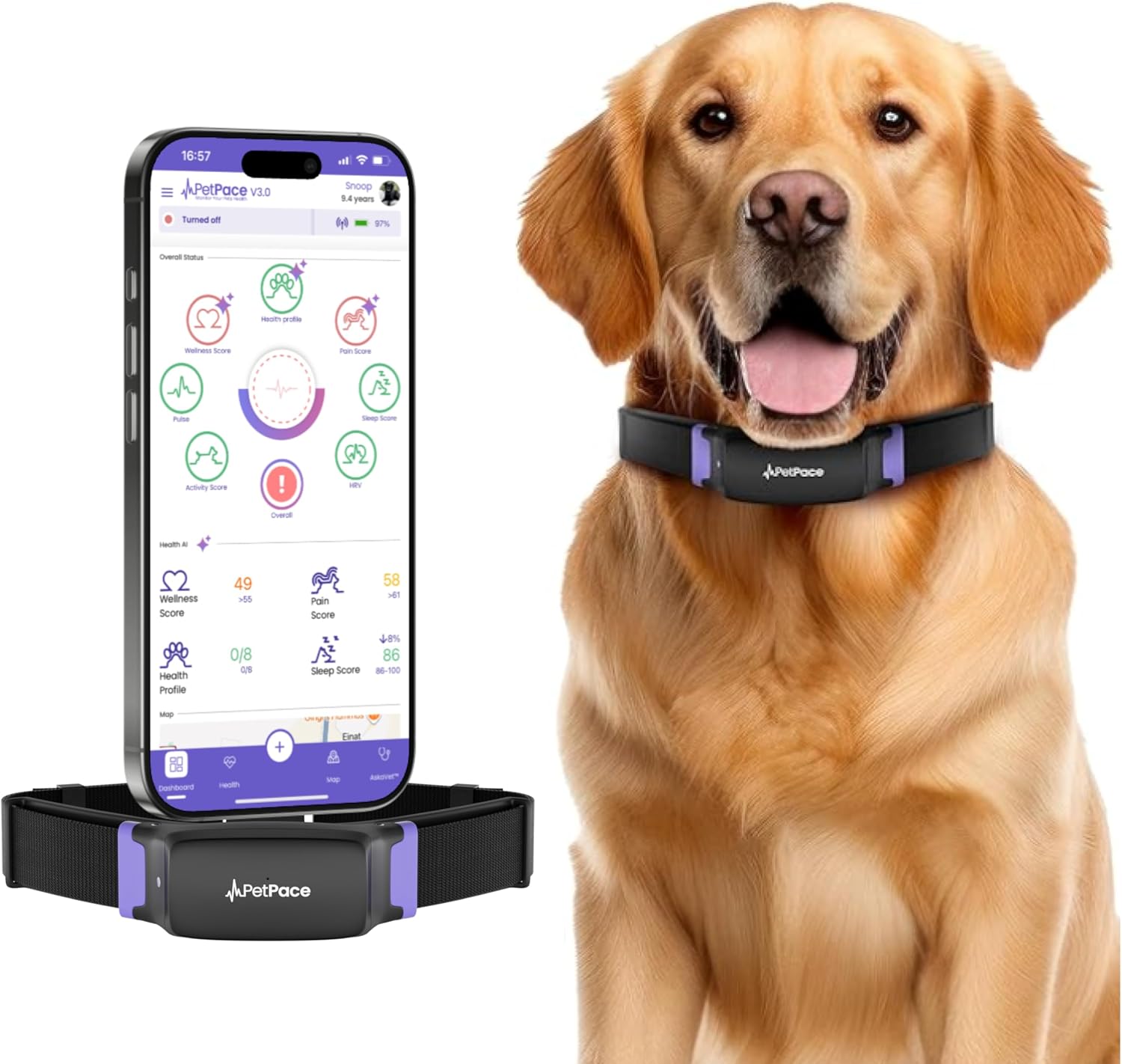
Everything you need for your newly adopted pet: food and water bowls, collar and leash, grooming tools, toys, bed, and training guide. According to the Humane Society, proper preparation increases adoption success rates by 40%.
Check Amazon PriceEthical Considerations in 2026
The ethical landscape of pet acquisition has become increasingly complex. Understanding these considerations is crucial for making a responsible choice:
Adoption Ethics
Saving Lives & Reducing Overpopulation
Ethical Benefits
- Saves animals from euthanasia
- Reduces demand for breeding facilities
- Supports nonprofit animal welfare organizations
- Gives second chances to animals in need
- Combats pet overpopulation at its source
- Often includes spay/neuter, reducing future overpopulation
Ethical Considerations
- May inadvertently support irresponsible surrenders if not properly screened
- Limited ability to trace genetic history
- Some organizations have overly restrictive adoption policies
- Potential to adopt pets with unknown behavioral issues
Breeder Ethics
Preservation & Predictability
Ethical Benefits
- Preserves breed characteristics and heritage
- Allows for health testing and genetic planning
- Provides predictable size, temperament, and care needs
- Supports preservation of working and rare breeds
- Often includes lifelong breeder support
- Contributes to breed health improvement through selective breeding
Ethical Considerations
- Contributes to pet overpopulation if not responsible
- Risk of supporting puppy mills if not carefully vetted
- Focus on aesthetics over health in some breeding programs
- High demand for certain breeds can lead to unethical practices
Cost Comparison: Adoption vs Breeder
Financial considerations play a significant role in the adoption vs breeder decision. Here is a comprehensive breakdown of costs in 2026:
| Expense Category | Adoption Average Cost | Breeder Average Cost | Notes |
|---|---|---|---|
| Initial Acquisition | $50 - $400 | $800 - $3,000+ | Adoption fees include vaccinations, spay/neuter, microchip |
| First Year Veterinary | $300 - $600 | $500 - $1,000 | Breeder puppies need initial vaccinations and checkups |
| Training & Socialization | $200 - $800 | $300 - $1,000 | Adopted adults may need behavior modification |
| Supplies & Equipment | $300 - $800 | $400 - $1,000 | Similar for both, depends on size and needs |
| Unexpected Medical | $0 - $2,000+ | $0 - $1,500+ | Varies greatly; pet insurance recommended for both |
| Total First Year | $850 - $4,600 | $2,000 - $7,500+ | Adoption typically 40-60% less expensive |
Hidden Costs to Consider
- Breeder travel expenses: May need to travel to reputable breeders
- Adoption home preparation: Some pets need special accommodations
- Breed-specific health issues: Some purebreds have higher lifetime medical costs
- Behavioral specialist costs: More common with adopted pets with unknown history
- Pet insurance premiums: May be higher for certain breeds or older adopted pets
Health and Temperament Considerations
Health and behavior are significant factors in the adoption vs breeder decision. Modern advancements have changed what we know about both options:
Adoption Health Advantages
Hybrid vigor: Mixed breeds often have fewer
genetic health issues
Adult health assessment: Can evaluate
existing health in adult animals
Known temperament: Adult pets have
established personalities
Immediate spay/neuter: Reduces cancer risks
and behavioral issues
Breeder Health Advantages
Genetic testing: Screen for breed-specific
conditions
Health guarantees: Often include warranties
against genetic disorders
Early socialization: Critical period
development in controlled environment
Predictable growth: Know expected size and
development timeline
Temperament Considerations
Adoption: May need behavior assessment,
potential unknown history, but often includes foster period
evaluation
Breeder: Predictable breed temperament,
early socialization programs, but individual variation still
occurs
Both benefit from modern behavior
assessment tools and training resources
Genetic Considerations
DNA testing advances: Now available for
mixed breeds to identify heritage and potential health
risks
Breed database improvements: Better
tracking of genetic issues across bloodlines
Ethical breeding focus: Increasing emphasis
on health over appearance in responsible programs

The Modern Adoption Process: What to Expect
Today's adoption process is designed to create successful, lasting matches. Here is what you can expect when adopting in 2026:
ZimuShop 2026 Adoption Success Study
We surveyed 1,200 recent adopters to identify factors contributing to successful adoptions:
| Success Factor | Highly Successful Adoptions | Less Successful Adoptions | Impact on Success |
|---|---|---|---|
| Pre-Adoption Counseling | 94% received | 42% received | +52% success rate |
| Trial Period/Foster First | 78% utilized | 23% utilized | +48% success rate |
| Post-Adoption Support | 86% accessed | 31% accessed | +41% success rate |
| Behavior Assessment | 91% completed | 58% completed | +33% success rate |
| Multiple Meet & Greets | 3.2 average | 1.4 average | +29% success rate |
Based on adoption outcomes measured at 6 months post-adoption. Success defined as pet remaining in home with high satisfaction.
Puppy Preparation Essentials
Breeder Recommended
MoMoCo Puppy Pads
Everything for your new puppy: crate training system, potty training aids, chew toys, grooming supplies, and comprehensive training guide. Research from the American Kennel Club shows proper early preparation reduces behavioral issues by 65%.
Check Amazon PriceHow to Identify Responsible Breeders in 2026
Selecting a responsible breeder requires careful vetting. Here is your 2026 checklist for identifying ethical breeders:
- Check breed club referrals and certifications
- Review health testing documentation (OFA, CERF, etc.)
- Verify involvement in dog sports or shows
- Check online reviews and references from past buyers
- Ensure they focus on 1-2 breeds maximum
- Insist on visiting where dogs are raised
- Observe living conditions and cleanliness
- Meet parent dogs and assess temperament
- Check for adequate space and socialization
- Ask about puppy socialization program
- Genetic testing performed on parents
- Health guarantee terms and duration
- Take-back policy if you cannot keep the dog
- Spay/neuter requirements and timing
- Support provided after purchase
- Ensure contract includes health guarantee
- Verify spay/neuter requirements
- Check for take-back clause
- Review breeding restrictions if applicable
- Understand deposit and payment terms
Red Flags for Breeders
- Multiple litters always available
- Unwilling to let you visit facilities
- No health testing or documentation
- Prices significantly below breed average
- No questions about your home or experience
- Pushing for immediate deposit without meeting
- No contract or health guarantee
- Selling puppies younger than 8 weeks
Decision Guide: Which Option Is Right For You?
Use this comprehensive guide to determine whether adoption or a responsible breeder is the best choice for your situation:
Choose Adoption If...
- You want to save a life and support animal welfare
- Cost is a significant consideration
- You're flexible about breed, age, or appearance
- You prefer an adult pet with established personality
- You have experience with behavioral challenges
- You want to avoid puppy stages (housetraining, chewing)
- You're open to mixed breeds and unique combinations
- You want to combat pet overpopulation directly
Choose a Breeder If...
- You need specific breed characteristics for work or lifestyle
- Predictable size, temperament, and energy level are important
- You want to raise a puppy from early socialization stages
- You need extensive genetic health history
- You're interested in dog sports or specific activities
- You have allergies requiring specific coat types
- You want to preserve or work with rare breeds
- You can invest time and resources in proper puppy development
Third Option: Breed-Specific Rescue
Many prospective pet owners don't realize there's often a third option: breed-specific rescues. These organizations rescue purebred dogs from shelters, owner surrenders, or breeding facility closures. This option allows you to:
- Get a specific breed while still adopting
- Often find adult dogs with known breed characteristics
- Support specialized rescue efforts
- Get a dog that has been evaluated by breed-experienced volunteers
- Find dogs that may not thrive in general shelter environments
Check organizations like Petfinder or breed-specific rescue networks to explore this option.
Success Stories: Both Paths Lead to Love

Max's Second Chance: A Senior Adoption Success
When Sarah adopted 8-year-old Max from a shelter, he had been surrendered twice and was facing euthanasia due to his age. "Everyone wants puppies," Sarah explains, "but Max had so much love to give." After some adjustment and veterinary care for his arthritis, Max became the perfect companion for Sarah's active retirement. "He hikes with me, greets me with excitement every day, and has brought so much joy. Senior dogs are often the most grateful and loving companions."
Key takeaway: Older adopted pets often make exceptionally loyal companions and adapt quickly to new homes.

Luna: A Purpose-Bred Service Dog Success
James needed a service dog for his mobility challenges and chose a responsible breeder specializing in Labrador Retrievers for service work. "The breeder health-tested both parents, socialized the puppies from birth, and selected Luna specifically for her calm temperament," James shares. Luna completed service dog training and now assists James daily. "Having a dog bred and raised for this purpose, with known health history and early socialization, was crucial for her success as a service animal."
Key takeaway: For specific working roles or needs, responsible breeding provides predictability that can be essential.
Additional Resources
Final Thoughts on Adoption vs Breeder
The adoption vs breeder decision isn't about which is universally "better" it's about which is better for you and, most importantly, for the animal. Both paths can lead to wonderful companion relationships when approached responsibly.
Remember that the most ethical choice is an informed choice. Whether you adopt or purchase from a responsible breeder, commit to:
- Lifelong care and responsibility for your pet
- Proper training, socialization, and veterinary care
- Spaying/neutering unless part of a responsible breeding program
- Being part of the solution to pet overpopulation
- Educating others about responsible pet acquisition
Your future pet is waiting whether in a shelter, foster home, or responsible breeder's care. By making an informed, ethical decision, you're taking the first step toward a rewarding relationship that will bring joy for years to come.