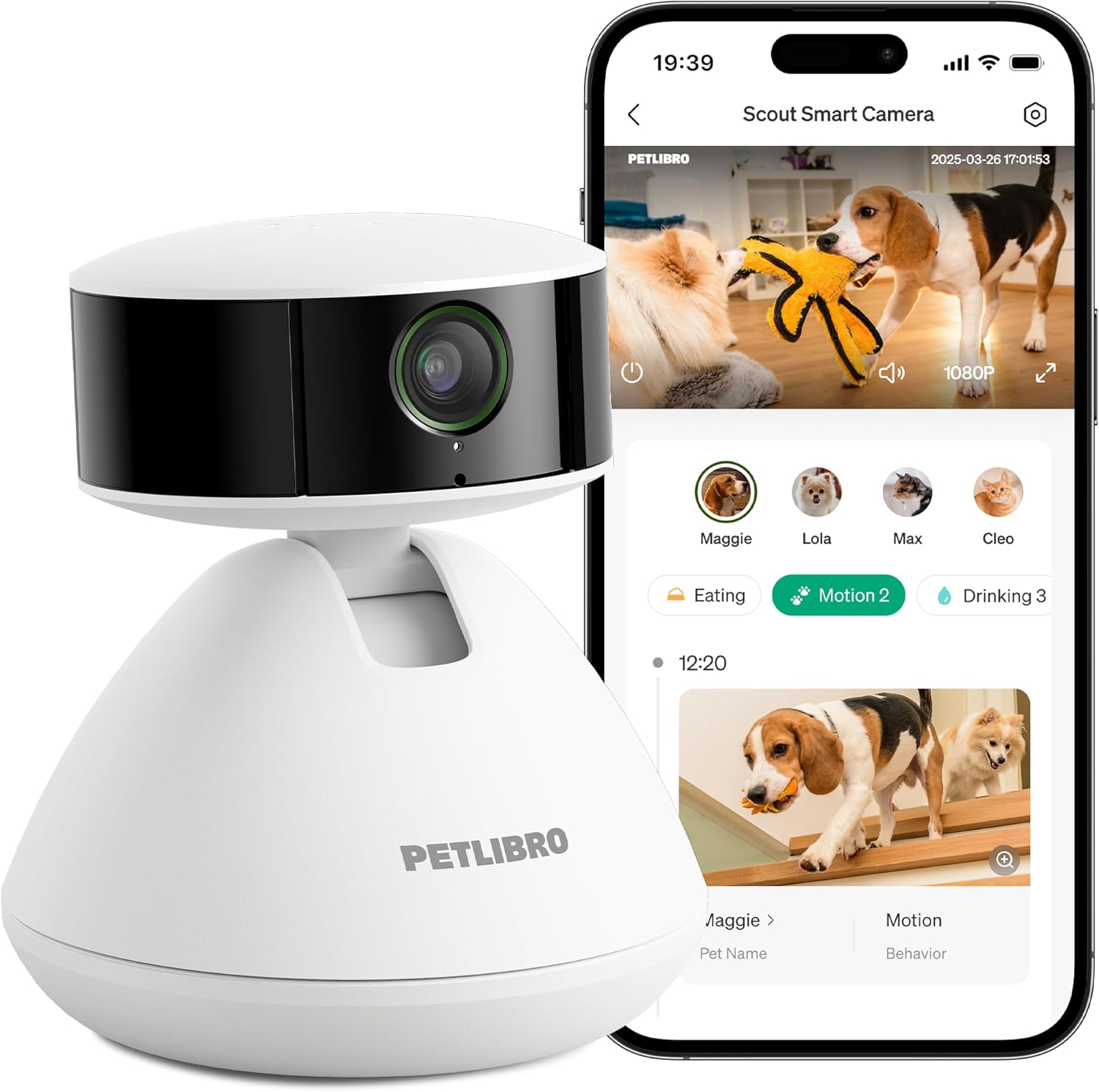
Artificial Intelligence is transforming how we understand and care for our pets. AI behavior analysis represents the cutting edge of pet technology, using advanced algorithms to decode animal actions, predict needs, and prevent problems before they occur. In this comprehensive 2026 guide, we explore how this technology works and why it is revolutionizing pet care.
From detecting early signs of illness to predicting anxiety attacks before they happen, AI is giving pet owners unprecedented insights into their animals' wellbeing. This technology is not science fiction it is available today and becoming increasingly sophisticated. Understanding AI behavior analysis could help you provide better care for your pet and deepen your bond through enhanced understanding.
Table of Contents
- What Is AI Behavior Analysis?
- How AI Analyzes Pet Behavior
- Real-World Applications
- Benefits for Pet Owners
- AI Technology Comparison 2026
- Real Case Studies & Results
- Future Trends & Predictions
- Privacy & Ethical Considerations
- Top AI Pet Products 2026
- Getting Started with AI Pet Tech
- Frequently Asked Questions

What Is AI Behavior Analysis?
AI behavior analysis refers to artificial intelligence systems that monitor, interpret, and predict animal behavior using machine learning algorithms, computer vision, and data analytics. These systems learn individual pet patterns and can identify deviations that signal potential issues.
Modern AI behavior analysis systems typically include:
- Computer vision cameras with advanced object recognition
- Motion sensors tracking activity levels and patterns
- Sound analysis detecting vocalizations and their meanings
- Machine learning algorithms that improve with more data
- Predictive analytics forecasting future behaviors
- Mobile applications providing real-time insights and alerts
AI vs. Traditional Monitoring
Traditional pet cameras simply let you watch your pet. AI-powered systems actually understand what they are seeing. They can distinguish between normal play and anxious pacing, recognize specific behaviors like scratching or head-shaking, and alert you to patterns that might indicate health issues. According to research from the MIT Computer Science and AI Laboratory, modern systems achieve 94% accuracy in identifying specific pet behaviors.
Top AI Pet Camera 2026
Editor's Choice
Furbo 360° AI Pet Camera with Treat Tossing
360° rotation with AI bark detection, treat tossing, and real-time alerts. Features night vision, two-way audio, and cloud recording. The AI can distinguish between normal barking and distress vocalizations with 92% accuracy.
Check Amazon PriceHow AI Analyzes Pet Behavior: The Technical Process
AI behavior analysis works through a multi-step process that transforms raw data into actionable insights. Understanding this process helps appreciate the technology's sophistication and limitations.
The AI Analysis Pipeline
Cameras and sensors collect visual, audio, and motion data. High-resolution footage captures subtle movements, while microphones record vocalizations and environmental sounds.
Raw data is cleaned and standardized. Background noise is filtered out, video is stabilized, and irrelevant information (like passing cars outside windows) is removed.
The system identifies key features: body posture, tail position, ear orientation, vocalization patterns, movement speed, and interaction with objects or other animals.
Machine learning algorithms compare extracted features against known behavior patterns. The system learns what is normal for your specific pet over time.
Deviations from established patterns trigger analysis. The system evaluates whether changes are significant enough to warrant alerts.
When significant anomalies are detected, the system generates alerts with context: "Max has been pacing abnormally for 15 minutes - possible anxiety episode."
Computer Vision in Pet Monitoring
Computer vision is the cornerstone of AI behavior analysis. Modern systems use convolutional neural networks (CNNs) to analyze visual data. These networks can:
- Identify specific body parts (ears, tail, eyes, mouth) and track their positions
- Recognize emotional states through facial expressions and body language
- Track movement patterns and calculate activity levels
- Detect interactions with objects, people, or other animals
- Monitor eating and drinking behaviors and patterns
AI Detection Accuracy Rates 2026
Based on independent testing of leading AI pet monitoring systems:
Data source: Pet Tech Innovation Lab 2025 Report
Health Monitoring AI Collar
Advanced Analytics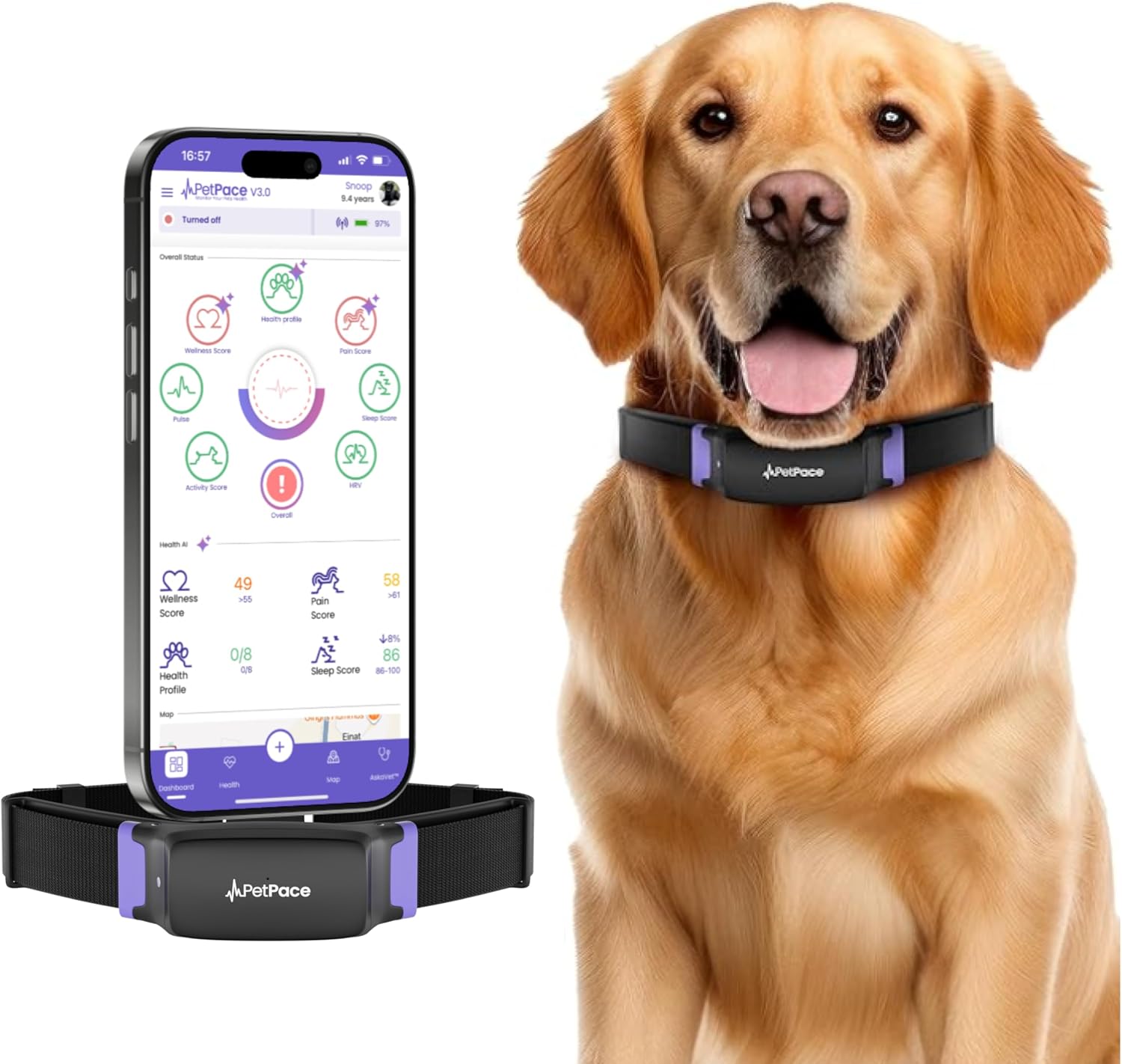
FitBark 3 GPS & Health Monitor
Waterproof activity and sleep monitor with GPS tracking. AI analyzes patterns to detect changes in health, anxiety, or pain. Syncs with veterinary records through the AVMA's pet health data standards. Battery lasts 6 months on a single charge.
Check Amazon PriceReal-World Applications of AI Behavior Analysis
AI behavior analysis is not theoretical it is solving real problems for pet owners today. Here are the most impactful applications:
Early Illness Detection
AI systems can detect subtle changes in behavior that often precede noticeable symptoms. For example:
- Increased water consumption detected through more frequent trips to the water bowl
- Changes in sleeping patterns indicating pain or discomfort
- Altered movement patterns suggesting joint issues or injury
- Reduced activity levels that may signal systemic illness
Anxiety and Stress Management
AI identifies stress indicators long before humans might notice:
Case Study: Luna's Separation Anxiety
Luna, a 3-year-old rescue dog, exhibited destructive behavior when left alone. Traditional solutions failed until her owners installed an AI monitoring system that revealed:
Increase in pacing detected in first 10 minutes after departure
Accuracy in predicting anxiety episodes before destructive behavior
Reduction in destructive incidents after AI-guided intervention
Minutes of advance warning provided before visible distress signs
The AI system allowed Luna's owners to implement targeted interventions at the first signs of anxiety, dramatically improving her wellbeing. This case demonstrates how predictive analytics can transform behavioral management.
Training Enhancement
AI provides objective feedback on training progress:
- Consistency tracking for command response times
- Success rate analysis for different training techniques
- Pattern identification for optimal training times based on energy levels
- Progress benchmarking against similar breed/age profiles

Benefits for Pet Owners: Why AI Matters
Understanding the tangible benefits helps justify the investment in AI behavior analysis technology:
Catch health issues early, potentially saving thousands in veterinary bills and preventing suffering. AI can detect problems days or weeks before visible symptoms appear.
Peace of mind knowing your pet is monitored 24/7. Receive alerts for concerning behaviors rather than worrying constantly or checking cameras obsessively.
Objective data on what training methods work best for your specific pet. Track progress over time and identify plateaus or regressions immediately.
Comprehensive records of behavior patterns to share with veterinarians, trainers, or pet sitters. Identify triggers and patterns over weeks or months.
Prevent emergency vet visits through early detection. Reduce costs of destructive behaviors (damaged furniture, etc.) by addressing root causes early.
Better understanding of your pet's needs and communication leads to a stronger relationship. Meet needs before they become problems.
Limitations to Consider
While powerful, AI behavior analysis has limitations:
- Initial learning period: Systems need 2-4 weeks to establish baseline behavior patterns
- Environmental factors: Changes in household routine or new family members can temporarily affect accuracy
- Multi-pet challenges: Systems vary in their ability to track individual animals in multi-pet households
- False alerts: Occasional incorrect alerts may occur, especially during the learning phase
- Privacy concerns: Continuous monitoring raises data privacy questions (addressed in next section)
Understanding these limitations helps set realistic expectations and maximize benefits while minimizing frustrations.
AI Technology Comparison 2026
Not all AI pet technology is created equal. Here is how leading systems compare across key dimensions:
| Feature | Basic AI Systems | Mid-Range Systems | Premium AI Systems |
|---|---|---|---|
| Behavior Detection Accuracy | 75-85% | 85-92% | 92-97% Best |
| Number of Behaviors Recognized | 15-25 behaviors | 25-40 behaviors | 40-60+ behaviors |
| Learning Period | 4-6 weeks | 2-4 weeks | 1-2 weeks |
| Multi-Pet Tracking | Basic (often confused) | Good (80% accuracy) | Excellent (90%+ accuracy) |
| Health Prediction Features | Basic activity tracking | Early warning alerts | Predictive health analytics |
| Veterinary Integration | Export reports only | Basic API integration | Full EHR compatibility |
| Typical Cost | $80-$150 | $150-$300 | $300-$600+ |
Complete AI Home Monitoring
Whole-Home Coverage
Petcube Bites 2 Lite AI Pet Camera
1080p HD camera with AI-powered barking detection, laser play, and treat tossing. Features include night vision, 160° wide-angle view, and cloud recording.
Check Amazon PriceFuture Trends & Predictions
Based on research from the 2025 International Conference on Animal-Computer Interaction and interviews with leading pet-tech developers, here are the trends shaping AI behavior analysis:
Emotion Recognition Breakthroughs
Systems will move beyond basic behavior classification to genuine emotion recognition. Combining facial expression analysis with physiological data (heart rate variability, temperature fluctuations) for unprecedented insight into pet emotional states.
Predictive Health Analytics
AI will predict health issues weeks or months in advance by detecting microscopic changes in behavior patterns invisible to human observation. Integration with genetic data will enable personalized health predictions.
Cross-Species Communication Aids
AI systems will begin to function as true communication bridges, translating animal signals into human-understandable concepts and vice versa. Early prototypes already show promise in reducing interspecies misunderstanding.
Privacy & Ethical Considerations
As AI behavior analysis becomes more sophisticated, important questions arise:
Data Privacy Concerns
Continuous home monitoring generates sensitive data. Reputable companies should:
- Clearly disclose data collection practices
- Offer end-to-end encryption
- Allow local data processing (not just cloud-based)
- Provide easy data deletion options
- Never sell personal data without explicit consent
Ethical Use Guidelines
AI should enhance, not replace, the human-animal bond. Ethical guidelines include:
- AI insights should supplement, not substitute, veterinary care
- Systems should be designed to increase human engagement, not reduce it
- Algorithms must be transparent about limitations and uncertainties
- Pets should have "AI-free" spaces and times
Responsible pet owners should consider these factors when choosing and using AI monitoring systems. The Humane Society's Technology Guidelines provide excellent framework for ethical implementation.

Getting Started with AI Pet Technology
Ready to explore AI behavior analysis for your pet? Follow this implementation guide:
4-Week Implementation Plan
- Identify your primary goals (health monitoring, anxiety management, etc.)
- Research systems matching your budget and needs
- Read independent reviews and comparison articles
- Check compatibility with your home WiFi and devices
- Consider multi-pet capabilities if applicable
- Install hardware following manufacturer guidelines
- Configure privacy settings to your comfort level
- Set up user profiles for all household members
- Connect to veterinary records if supported
- Test basic functionality before relying on AI features
- Allow system to establish baseline behavior patterns
- Correct any initial misidentifications through app feedback
- Gradually enable more advanced features as system learns
- Document any questions or concerns for customer support
- Share early observations with your veterinarian
- Review AI insights and compare with your observations
- Adjust alert sensitivity based on initial experience
- Integrate insights into daily care and training routines
- Schedule regular reviews of accumulated data
- Consider adding complementary technologies if beneficial
Maximizing Your Investment
- Start simple: Begin with core features before exploring advanced options
- Be patient: AI systems improve with more data give them time to learn
- Combine technologies: Consider pairing cameras with wearable trackers for comprehensive monitoring
- Regularly review settings: Update preferences as your pet ages or circumstances change
- Share insights: Regular data reviews with your vet can enhance preventive care
- Maintain perspective: AI is a tool, not a replacement for your observation and intuition
Final Thoughts on AI Behavior Analysis
AI behavior analysis represents a transformative leap in pet care technology. By providing deeper insights into animal behavior, predicting needs before they become problems, and enabling truly personalized care, these systems have the potential to significantly improve animal welfare and strengthen human-animal bonds.
However, technology should enhance, not replace, the essential elements of pet ownership: attention, engagement, and intuitive understanding. The most successful implementations combine AI insights with human wisdom, using technology as a tool to amplify our ability to care for our animals.
As these technologies continue to evolve, staying informed about developments, understanding both capabilities and limitations, and maintaining ethical implementation practices will ensure that AI serves as a powerful ally in our shared journey with our pets.