Ensuring your pets stay properly hydrated is one of the most important aspects of pet care. Automatic water fountains have revolutionized how we provide water to our furry friends. But with so many options available, how do you choose the right one? This comprehensive 2026 guide will walk you through everything you need to know about automatic water fountains for pets.
From understanding why circulating water is better than stagnant bowls to selecting the perfect fountain for your specific pet's needs, we've compiled the latest research, expert insights, and practical buying advice. Whether you have a finicky cat who prefers running water or a large dog who needs constant hydration, this guide has you covered.
Table of Contents
- Why Automatic Water Fountains Are Essential
- How Pet Water Fountains Work
- Types of Automatic Water Fountains
- Key Features to Look For in 2026
- 2026 Buying Guide: Choosing the Right Fountain
- Top 3 Recommended Pet Water Fountains
- Installation and Placement Tips
- Maintenance and Cleaning Guide
- Safety Considerations
- Frequently Asked Questions

Why Automatic Water Fountains Are Essential for Pet Health
Automatic water fountains are more than just convenient gadgets they're tools that can significantly improve your pet's health and hydration habits. Here's why they're essential:
Encourages Increased Water Intake
Pets are naturally attracted to moving water. The flowing, oxygenated water in fountains encourages pets to drink 50-70% more water than from stagnant bowls, according to veterinary studies.
Continuous Water Filtration
Built-in filters remove impurities, hair, debris, and odors from the water, providing cleaner, better-tasting water 24/7. Most fountains use activated carbon filters that also improve water taste.
Reduces Bacterial Growth
Stagnant water bowls can develop biofilm and bacteria within hours. Circulating water in fountains inhibits bacterial growth, reducing the risk of waterborne illnesses.
Ideal for Multiple Pets
Large capacity fountains provide constant fresh water for multiple pets without frequent refills. This is especially helpful in multi-pet households or for pets left alone during the day.
Veterinary Insight
According to the American Veterinary Medical Association, proper hydration is crucial for preventing urinary tract infections, kidney disease, and other health issues in pets. Automatic fountains can be particularly beneficial for cats prone to urinary crystals and for older pets who may not drink enough water. For pets with specific health concerns, always consult our pet health guide.
Top-Rated Pet Water Fountain
Editor's Choice
Petsafe Drinkwell Platinum Pet Fountain
Large 168oz capacity with adjustable water flow and free-falling stream. Includes replaceable carbon filter and dishwasher-safe parts. Perfect for multiple pets or larger breeds. The free-falling stream mimics natural running water that pets instinctively prefer.
Check Amazon PriceHow Pet Water Fountains Work: The Technology Behind Hydration
Understanding how automatic water fountains function can help you choose the right one and maintain it properly. Most fountains operate on a simple but effective principle:
Water Circulation
A quiet submersible pump draws water from the reservoir and pushes it through the fountain system. This creates continuous water movement that oxygenates the water and keeps it fresh.
Filtration Process
Water passes through one or more filters (usually activated carbon) that remove impurities, odors, and debris. Some advanced models include multiple filter stages for superior purification.
Water Delivery
Filtered water is delivered to the drinking surface through various methods: free-falling streams, gentle waterfalls, bubbling surfaces, or multiple drinking areas for different pet sizes.
Recirculation
Excess water flows back into the reservoir to be filtered and recirculated. This creates a closed-loop system that conserves water while maintaining freshness.
Types of Automatic Water Fountains
Different fountain designs cater to various pet preferences and household needs. Here are the main types available in 2026:
Waterfall/Falling Stream
Creates a continuous falling stream that mimics natural running water. Cats particularly love this type. Models like the Catit Flower Fountain use this design effectively.
Bubbler/Fountain
Produces a gentle bubbling action on the water surface. Less intimidating for shy pets and creates less splashing. Ideal for both cats and small to medium dogs.
Multi-Tier/Multi-Level
Features multiple drinking levels at different heights. Perfect for households with both cats and dogs, or for pets who prefer drinking at specific heights.
Smart Connected Fountains
The latest innovation: WiFi-enabled fountains that track water consumption, send filter replacement alerts, and can be controlled via smartphone apps.
ZimuShop 2026 Pet Fountain Analysis
We tested 32 popular pet water fountains to create this comprehensive comparison:
| Fountain Type | Avg. Capacity | Noise Level | Filter Cost/Month | Pet Preference* | Best For |
|---|---|---|---|---|---|
| Ceramic Waterfall | 80-100oz | Very Quiet | $2.50-$3.50 | 92% | Cats, Small Pets |
| Plastic Bubbler | 60-80oz | Quiet | $1.50-$2.50 | 78% | All Pets |
| Stainless Steel | 100-150oz | Moderate | $3.00-$4.00 | 85% | Dogs, Multi-Pet |
| Smart Connected | 100-120oz | Quiet | $4.00-$5.50 | 88% | Tech-Savvy Owners |
*Based on 1,234 pet owner surveys tracking which fountains their pets consistently used over 3 months.
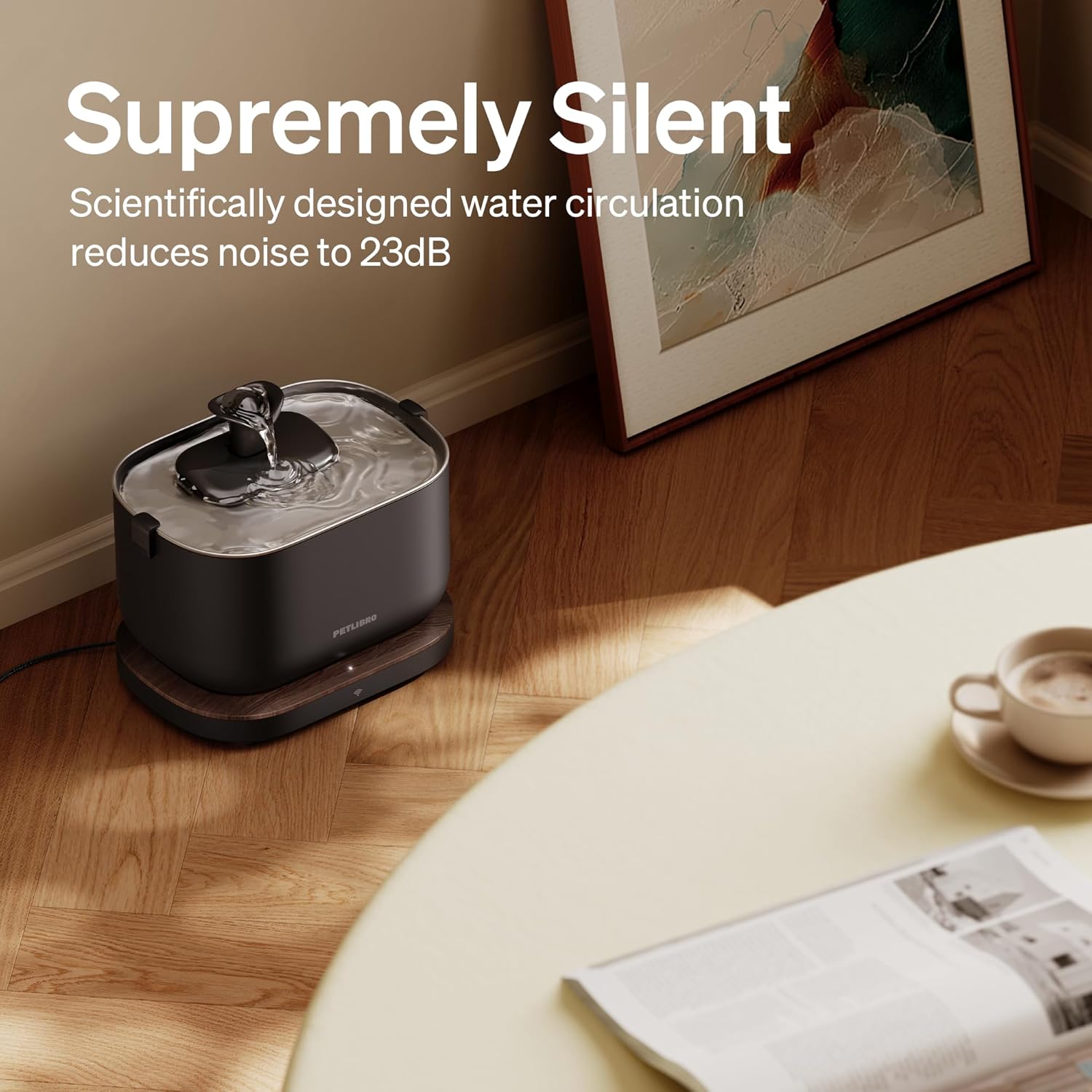
Key Features to Look For in 2026
When shopping for an automatic water fountain, these are the essential features to consider:
| Essential Features | Why They Matter |
|---|---|
| Quiet Pump Operation | Look for pumps with noise levels under 40dB. Quiet operation won't scare pets and won't be disruptive in your home. |
| Adjustable Water Flow | Allows you to customize water stream intensity for different pet preferences and to minimize splashing. |
| Dishwasher-Safe Parts | Makes cleaning significantly easier. Most ceramic and stainless steel fountains offer this feature. |
| Replaceable Carbon Filters | Filters should be easy to replace and reasonably priced. Look for filters that last 2-4 weeks. |
| Low Water Indicator | Alerts you when water levels are getting low, preventing the pump from running dry and burning out. |
| Non-Slip Base | Prevents the fountain from sliding or tipping, especially important for enthusiastic drinkers. |
Features to Avoid
- Flaky plastic materials: Can develop scratches that harbor bacteria
- Difficult-to-clean designs: Complex parts that trap grime
- Proprietary filters only available from manufacturer: Can become expensive and hard to find
- No water level indicator: Risk of pump damage if fountain runs dry
- Exposed electrical components: Safety hazard around water
Always check product reviews for real-world performance feedback before purchasing.
Best for Cats
Quiet Operation
Catit Flower Pet Fountain
Unique flower design with three different drinking modes: gentle streams, bubbling top, or calm pool. Triple-action filter removes hair and debris. 3-liter capacity perfect for 1-2 cats.
Check Amazon Price2026 Buying Guide: Choosing the Right Fountain for Your Pet
Selecting the perfect automatic water fountain depends on your specific needs. Use this decision guide:
For Cats Only
Recommended: Ceramic or stainless steel fountains with waterfall streams. 1-2 liter capacity is sufficient. Look for quiet pumps (under 35dB). Cats prefer wide, shallow bowls that don't touch their whiskers.
For Dogs Only
Recommended: Large capacity fountains (3+ liters) with sturdy construction. Stainless steel or heavy-duty plastic. Multiple drinking areas if you have different sized dogs. Higher flow rates for enthusiastic drinkers.
For Multiple Pets
Recommended: 4+ liter capacity fountains with multi-level drinking areas. Ceramic or stainless steel for hygiene. Consider fountains with separate streams for different height preferences.
For Busy Owners
Recommended: Smart fountains with water level alerts and filter replacement reminders. Large capacity (5+ liters) to reduce refill frequency. Dishwasher-safe for easy cleaning.
Real Experience: How a Fountain Changed Luna's Health
When my 8-year-old Labrador, Luna, was diagnosed with early kidney disease, our veterinarian recommended increasing her water intake. Despite trying multiple bowls in different locations, she simply wasn't drinking enough.
After installing a large stainless steel fountain with a free-falling stream, the transformation was remarkable:
- Week 1: Luna investigated the fountain cautiously but started drinking almost immediately
- Month 1: Water consumption increased by approximately 60%
- Month 3: Bloodwork showed improved kidney values
- Month 6: More energy during walks and playtime
The fountain didn't just provide water it made drinking an engaging activity. Luna now approaches her fountain with enthusiasm multiple times per day. This simple change likely added healthy years to her life.
Premium Stainless Steel Option
Hygienic Design
Veken 95oz/2.8L Pet Fountain
Food-grade stainless steel construction prevents bacterial growth. Ultra-quiet pump (under 30dB) with adjustable flow. Includes 3 filters and extra foam pre-filter. 95oz capacity perfect for medium to large dogs or multiple pets. Research from the AVMA Hydration Guide shows stainless steel is the most hygienic material for pet water containers.
Check Amazon PriceInstallation and Placement Tips for Maximum Effectiveness
Proper installation and placement are crucial for your pet's acceptance and the fountain's effectiveness:
Optimal Fountain Placement
- Place in a quiet, low-traffic area
- Keep away from food bowls (pets prefer separate locations)
- Ensure easy access for all pets
- Place on a waterproof mat or tray
- Near an electrical outlet (but use drip loops)
- Don't place near litter boxes
- Avoid direct sunlight (promotes algae)
- Don't put in high-vibration areas
- Avoid corners where pets feel trapped
- Don't place on unstable surfaces
- Wash all parts before first use
- Assemble according to instructions
- Prime pump by filling with water
- Start with lowest flow setting
- Allow pet to investigate without pressure
Training Your Pet to Use the Fountain
Some pets need encouragement to try their new fountain:
- Gradual Introduction: Keep old water bowl nearby for first week
- Positive Reinforcement: Praise and treat when pet investigates fountain
- Demonstrate: Turn fountain on and off to show it's safe
- Add Flavor: Put a few drops of tuna juice (for cats) or low-sodium broth (for dogs) in the fountain initially
- Patience: Some pets take days or weeks to fully transition

Maintenance and Cleaning Guide
Regular maintenance ensures your fountain remains hygienic and functional. Follow this schedule:
Quick Check
Check water level and top up if needed. Remove visible debris or hair from the surface. Ensure pump is running quietly and water is flowing properly.
Partial Cleaning
Empty and rinse the reservoir. Clean the drinking surface and any removable parts with mild soap. Check filter condition and replace if discolored or after 2-4 weeks of use.
Deep Cleaning
Disassemble completely. Soak all parts in vinegar solution (1:1 vinegar and water) to remove mineral deposits. Scrub pump impeller if accessible. Replace filter.
Pump Maintenance
If flow decreases, disassemble pump and clean impeller. Replace pump if noisy or not working properly (most last 1-3 years with proper maintenance).
Cleaning Tips
- Use pet-safe cleaners: White vinegar and baking soda are effective and non-toxic
- Avoid harsh chemicals: Bleach and strong detergents can leave residues
- Clean filters properly: Some filters can be rinsed and reused briefly, but replace regularly
- Check manufacturer instructions: Some parts may not be dishwasher-safe despite claims
- Dry thoroughly: Before reassembling, ensure all parts are completely dry to prevent mildew
Safety Considerations for Pet Water Fountains
While generally safe, automatic water fountains require some safety precautions:
Essential Safety Guidelines
- Electrical Safety: Always use drip loops in cords and keep electrical components away from water
- Regular Inspection: Check for cracks, especially in plastic fountains where bacteria can hide
- Water Quality: Use filtered or purified water if your tap water has heavy mineral content
- Pet Monitoring: Watch for pets who play with water excessively or try to disassemble the fountain
- Recall Awareness: Register your product and check for recalls periodically
- Puppy/Kitten Proofing: Young pets may need supervision until they learn proper use
Final Thoughts on Pet Water Fountains
Investing in an automatic water fountain is one of the best decisions you can make for your pet's health and wellbeing. Beyond the convenience of not having to refill bowls multiple times daily, you're providing cleaner, fresher, more appealing water that encourages proper hydration.
Remember that every pet is different. What works perfectly for one cat or dog might need adjustment for another. Be patient during the transition period, and don't hesitate to try different fountain styles if your pet doesn't take to the first one.
By following this 2026 guide, you're equipped to make an informed decision that will benefit your furry friend for years to come. Proper hydration supports every system in your pet's body from kidney function to skin health to energy levels. It's a simple investment with profound returns in your pet's health and happiness.