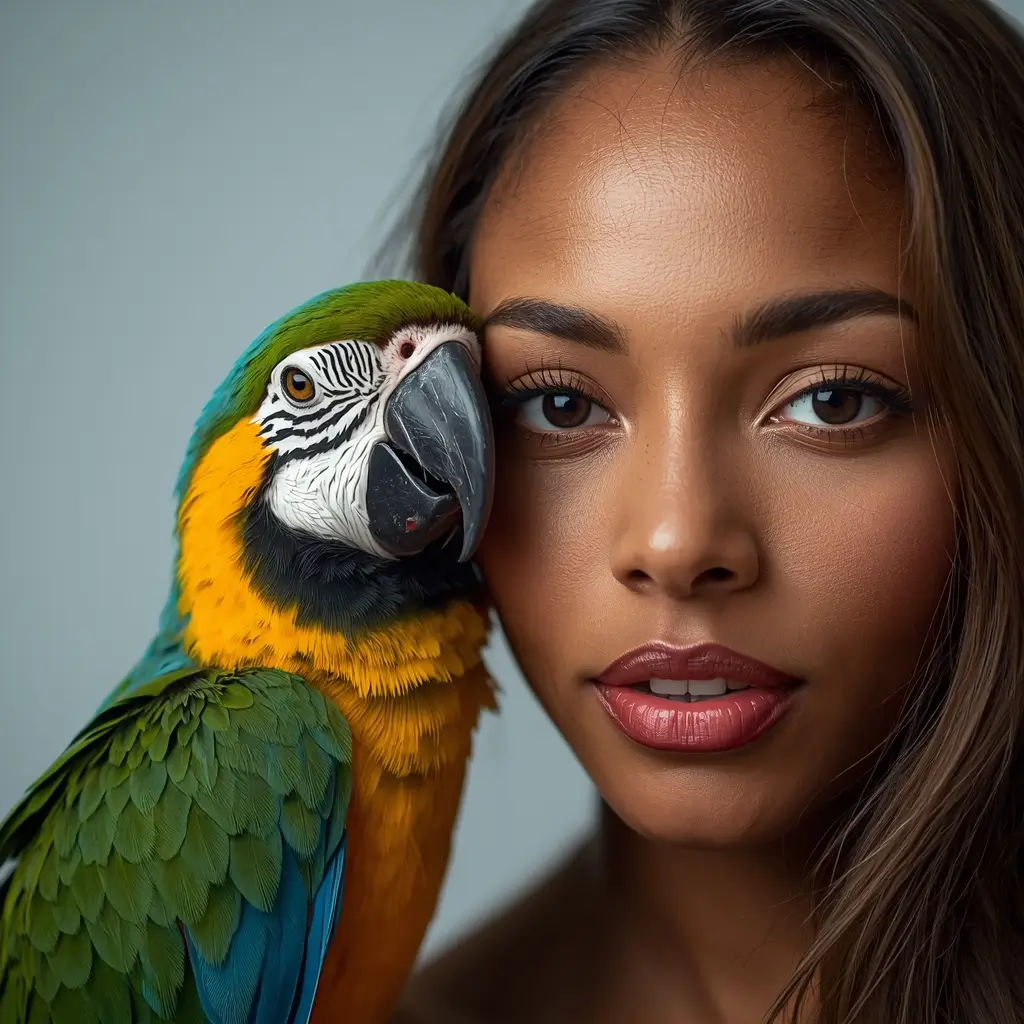
Birds are sensitive creatures with delicate respiratory systems and unique metabolic processes that make them vulnerable to many common household items. Understanding bird safety is crucial for every bird owner, as seemingly harmless objects or foods can become deadly hazards. This comprehensive 2026 guide covers everything you need to know to create a safe environment for your feathered friends.
From kitchen dangers to toxic houseplants, we'll explore the hidden threats in your home and provide practical solutions to protect your birds. Whether you're a new bird owner or an experienced avian enthusiast, this guide will help you identify and eliminate risks. For specific bird care products, visit our bird product collection for safe toys, cages, and accessories.
Table of Contents
- Why Birds Are So Sensitive: Biological Factors
- Kitchen Hazards: The Most Dangerous Room
- Toxic Foods & Plants: Complete 2026 List
- Air Quality & Respiratory Dangers
- Common Household Items That Harm Birds
- Bird Cage & Toy Safety Standards 2026
- Bird Emergency Care & First Aid Guide
- Complete Home Bird-Proofing Checklist
- Recommended Safe Bird Products
- Bird Safety Frequently Asked Questions

Why Birds Are So Sensitive: Biological Factors
Birds possess unique biological characteristics that make them exceptionally vulnerable to environmental hazards. Understanding these factors is crucial for implementing effective bird safety measures:
Efficient Respiratory System
Birds have air sacs that extend throughout their bodies, allowing for highly efficient oxygen exchange. This system also makes them extremely sensitive to airborne toxins, absorbing chemicals 10-20 times faster than mammals.
High Metabolic Rate
Small birds have heart rates of 400-600 beats per minute and body temperatures of 104-108°F. This rapid metabolism means toxins circulate quickly and can cause severe damage before symptoms appear.
Small Body Size
Even large parrots have relatively small body masses. A tiny amount of toxin (like a few Teflon fumes or chocolate crumbs) can be fatal. Their liver-to-body-weight ratio is also smaller, reducing detoxification capacity.
Limited Detoxification Pathways
Birds lack certain liver enzymes that mammals use to detoxify common substances. They cannot metabolize caffeine, theobromine (in chocolate), or many synthetic chemicals effectively.
Bird Safety Fact
A bird's respiratory system is so efficient that it can absorb up to 90% of inhaled toxins compared to only 10-15% in humans. This is why non-stick cookware fumes, which are harmless to humans at normal cooking temperatures, can kill birds in minutes. Always keep birds out of kitchens and ensure proper ventilation when cooking.
Kitchen Hazards: The Most Dangerous Room
The kitchen presents the greatest concentration of bird safety hazards in most homes. Being aware of these dangers can prevent tragedies:
Teflon & Non-Stick Cookware
Extreme Danger: When overheated (above 500°F), non-stick coatings release polytetrafluoroethylene (PTFE) fumes that are lethal to birds. Symptoms include difficulty breathing, wheezing, and sudden death. Replace with ceramic, cast iron, or stainless steel.
Overheated Cooking Oils
Smoke from burning oils contains acrolein and other toxic compounds. Birds exposed to cooking smoke may develop respiratory distress, conjunctivitis, or long-term lung damage.
Proper Ventilation
Safety Solution: Always use exhaust fans when cooking. Consider installing a HEPA filter in the kitchen. Keep birds in a separate, well-ventilated room during and for 2-3 hours after cooking.
Self-Cleaning Ovens
The high temperatures (900°F+) used in self-cleaning cycles release toxic fumes from burned food residue and oven coatings. Remove birds from the home entirely during and for 24 hours after oven cleaning.
Kitchen Safety Checklist
- Never use non-stick cookware around birds
- Keep birds out of the kitchen entirely
- Use exhaust fans and open windows when cooking
- Clean ovens manually instead of using self-cleaning cycles
- Store all human food securely to prevent access
- Be cautious with microwave popcorn bags (some have non-stick coatings)
Bird-Safe Cookware Recommendation
Bird Safe
GreenPan Ceramic Non-Stick Cookware Set
Ceramic non-stick coating without PTFE, PFOA, lead, or cadmium. Heat-resistant up to 850°F. Oven safe to 600°F. Perfect alternative to traditional non-stick pans that can harm birds. According to the AVMA, proper cookware selection is crucial for households with birds.
Check Amazon PriceToxic Foods & Plants: Complete 2026 List
Many common foods and houseplants are toxic to birds. Even small amounts can cause serious illness or death. Here's the most current list based on 2025 avian toxicology research:
Highly Toxic Foods for Birds
| Food/Plant | Toxic Component | Symptoms | Severity |
|---|---|---|---|
| Avocado | Persin (in skin, pit, leaves) | Respiratory distress, weakness, sudden death | Fatal |
| Chocolate | Theobromine, caffeine | Vomiting, diarrhea, seizures, death | Fatal |
| Onions & Garlic | Thiosulphate | Hemolytic anemia, weakness, breathing difficulty | Severe |
| Caffeine | Methylxanthines | Cardiac arrhythmia, hyperactivity, death | Fatal |
| Alcohol | Ethanol | Depression, incoordination, respiratory failure | Severe |
| Apple Seeds | Cyanogenic glycosides | Difficulty breathing, seizures, coma | Moderate |
| Salt | Sodium chloride | Excessive thirst, dehydration, kidney failure | Moderate-Severe |
| Xylitol | Artificial sweetener | Hypoglycemia, liver failure, seizures | Fatal |
Based on 2025 research from the Association of Avian Veterinarians
Toxic Houseplants
Lilies, philodendron, dieffenbachia, poinsettia, ivy, oleander, sago palm. Many common houseplants contain calcium oxalate crystals or cardiac glycosides that can cause oral irritation, vomiting, or heart failure in birds.
Safe Plants for Birds
Spider plants, bamboo, African violets, orchids (non-toxic varieties), herbs (basil, cilantro), Christmas cactus, Boston ferns. Always verify plant safety with your avian veterinarian before introduction.
Processed Human Foods
Chips, crackers, cookies, processed meats. High in salt, sugar, preservatives, and artificial colors. Can cause obesity, liver disease, and nutritional deficiencies. Never share human junk food with birds.
Safe Treats for Birds
Fresh fruits (washed, no seeds), vegetables, cooked whole grains, small amounts of nuts, sprouts, hard-boiled eggs (occasionally). Always introduce new foods gradually and monitor for reactions.

Air Quality & Respiratory Dangers
Birds are especially vulnerable to airborne contaminants due to their efficient respiratory systems. Maintaining excellent air quality is essential for bird safety:
Aerosol Sprays
Hairspray, deodorant, air fresheners, cleaning sprays. Propellants and chemicals can cause immediate respiratory distress. Use pump sprays instead of aerosols, and apply in well-ventilated areas away from birds.
Scented Products
Candles, incense, plug-in air fresheners, essential oil diffusers. Many contain volatile organic compounds (VOCs) and synthetic fragrances that irritate avian respiratory systems. Use natural ventilation instead.
Air Purification
HEPA filters with activated carbon effectively remove airborne particles, VOCs, and odors. Place air purifiers in rooms where birds spend time, but ensure birds cannot access the units.
Tobacco & Vape Smoke
Secondhand and thirdhand smoke (residue on surfaces) contains nicotine and carcinogens. Birds exposed to smoke have higher rates of respiratory infections, cancer, and feather plucking.
Bird-Safe Air Purifier
HEPA Filter
Levoit Core 300 Air Purifier
True HEPA filter captures 99.97% of airborne particles as small as 0.3 microns. Activated carbon filter removes odors, VOCs, and smoke. Quiet operation ideal for bird rooms. Covers 219 sq ft.
Check Amazon PriceCommon Household Items That Harm Birds
Everyday objects can pose serious threats to birds. Here's what to watch out for:
Household Hazard Inventory
| Item | Risk | Prevention | Emergency Action |
|---|---|---|---|
| Ceiling Fans | Trauma, wing fractures | Always turn off when birds are out | Immediate vet care for injuries |
| Open Toilets | Drowning | Keep lids closed | CPR if submerged, then vet |
| Electrical Cords | Electrocution, burns | Cover with cord protectors | Turn off power, then approach |
| Windows & Mirrors | Collision trauma | Apply decals or screens | Check for injuries, vet if needed |
| Heavy Metals | Zinc/lead poisoning | Avoid galvanized cages, old paint | Blood test, chelation therapy |
| Strings & Threads | Entanglement, crop impaction | Keep sewing supplies secured | Do not pull, cut carefully, vet |
| Hot Surfaces | Burns (stoves, lights, heaters) | Use barriers, supervise closely | Cool water, vet for severe burns |
| Other Pets | Predation, stress | Never leave unsupervised | Separate immediately, check for injuries |
A Cautionary Tale: Mango's Close Call
Mango, a 3-year-old Sun Conure, nearly died from zinc poisoning after chewing on the galvanized clips of his new toy. His owner, Sarah, noticed he was lethargic and vomiting two days after introducing the toy. Emergency blood tests revealed dangerously high zinc levels.
The timeline of recovery:
- Day 1: Toy introduced (contained galvanized clips)
- Day 3: Lethargy, loss of appetite noticed
- Day 4: Emergency vet visit, blood test confirms zinc toxicity
- Days 5-7: Hospitalization for chelation therapy
- Week 2: Gradual improvement, appetite returns
- Month 1: Full recovery after removing all zinc sources
Mango's story highlights the importance of checking all bird products for heavy metal safety. According to the AVMA's guidelines on heavy metal toxicity, even small amounts of zinc from cage wire or toy parts can accumulate to dangerous levels.
Bird Cage & Toy Safety Standards 2026
Your bird's cage and toys should be sanctuaries, not sources of danger. Follow these 2026 safety standards:
Cage Size & Bar Spacing
Minimum cage sizes: Small birds (budgies, cockatiels): 24x24x24 inches. Medium birds (conures, small parrots): 36x36x48 inches. Large birds (macaws, cockatoos): 48x48x60 inches. Bar spacing should prevent head entrapment.
Safe Materials
Stainless steel, powder-coated steel, untreated hardwoods. Avoid: galvanized metal (zinc), lead-based paints, pressure-treated wood, plastic that can be chewed into sharp pieces.
Toy Safety Checks
Inspect toys daily for: loose parts, frayed ropes (can entangle feet), sharp edges, small pieces that could be swallowed. Replace worn toys immediately. Choose toys sized appropriately for your bird.
Cleaning Safety
Use vinegar-water solution or avian-safe cleaners. Never use bleach, ammonia, or pine/oil-based cleaners around birds. Rinse thoroughly and air dry completely before returning birds to cage.
Essential Bird First Aid Kit Contents
Every bird owner should have a well-stocked first aid kit. Here's what to include:
Store in a labeled, easily accessible container. Check expiration dates quarterly.
Bird Emergency Care & First Aid Guide
In an emergency, quick action can save your bird's life. Follow this step-by-step guide:
Assess the Situation
Check for: Breathing difficulties, bleeding, obvious injuries, consciousness level. Move bird to a quiet, warm (85-90°F), dimly lit area. Minimize stress and handling.
Contact Your Avian Veterinarian
Call ahead if possible. Describe symptoms clearly: "Bird is [symptom], occurred [time] ago, I've done [actions]." Follow their instructions for transport. Have your address and directions ready.
Provide Supportive Care
For shock: Keep warm with heating pad on low (under half the carrier). For bleeding: Apply gentle pressure with gauze. For breathing issues: Ensure airway is clear, provide oxygen if available.
Safe Transport
Use a small carrier or box with ventilation. Line with towel (not loose bedding). Keep car warm and quiet. Bring any vomited material or suspected toxin container. Have someone else drive if possible.
Severe Symptoms (Go to ER Immediately)
- Unconsciousness or inability to perch
- Heavy bleeding that doesn't stop
- Difficulty breathing or open-mouth breathing
- Seizures or tremors
- Signs of poisoning (vomiting, diarrhea)
- Trauma from fall or attack
Mild Symptoms (Call Vet Within 24 Hours)
- Decreased appetite or water intake
- Mild lethargy or fluffed feathers
- Minor changes in droppings
- Small wound or broken blood feather
- Mild sneezing or eye discharge
- Behavioral changes
What NOT to Do in an Emergency
- Do not attempt to force-feed an unconscious bird
- Do not give human medications unless directed by vet
- Do not attempt to set broken bones
- Do not pull out broken blood feathers without proper training
- Do not delay veterinary care hoping the bird will improve
- Do not use home remedies for suspected poisoning
When in doubt, always contact your avian veterinarian. Many clinics have 24-hour emergency services or can direct you to one.

Room-by-Room Bird-Proofing Guide
- Cover or remove mirrors/windows
- Secure electrical cords
- Remove toxic plants
- Turn off ceiling fans
- Close fireplace when not in use
- Remove small objects
- Replace non-stick cookware
- Store food securely
- Keep birds out entirely
- Use exhaust fan when cooking
- Secure cleaning supplies
- Close dishwasher/dryer doors
- Keep toilet lids closed
- Secure medications
- Remove aerosol products
- Watch water temperature
- Supervise bathing
- Keep door closed
- Secure jewelry, coins
- Cover computer cords
- Remove scented products
- Close windows/drapes
- Supervise around fans
- Check under blankets
Training for Safety
- Step-up command: Essential for moving birds from dangerous situations
- Crate training: Makes transport to vet less stressful
- Harness training: Allows safe outdoor time
- Flight recall: Useful if bird escapes or flies into danger
- Target training: Helps move birds without force
- Regular handling: Makes health checks easier and less stressful
Training should always use positive reinforcement (treats, praise). Never punish birds, as this damages trust and increases stress. For training resources, see our positive reinforcement training guide.
Additional Bird Safety Resources
Final Thoughts on Bird Safety
Creating a safe environment for your bird requires ongoing vigilance and education. Remember that prevention is always better than treatment. Many bird emergencies are preventable with proper precautions.
Regularly review your home for new hazards, stay informed about the latest safety recommendations, and maintain a good relationship with your avian veterinarian. Your bird depends on you for protection from a world full of dangers they cannot understand.
By implementing the strategies in this guide, you're not just preventing accidents you're creating an environment where your bird can thrive physically and emotionally. That's the ultimate goal of comprehensive bird safety.
For more bird care information, explore our complete bird care guide covering nutrition, behavior, and enrichment.