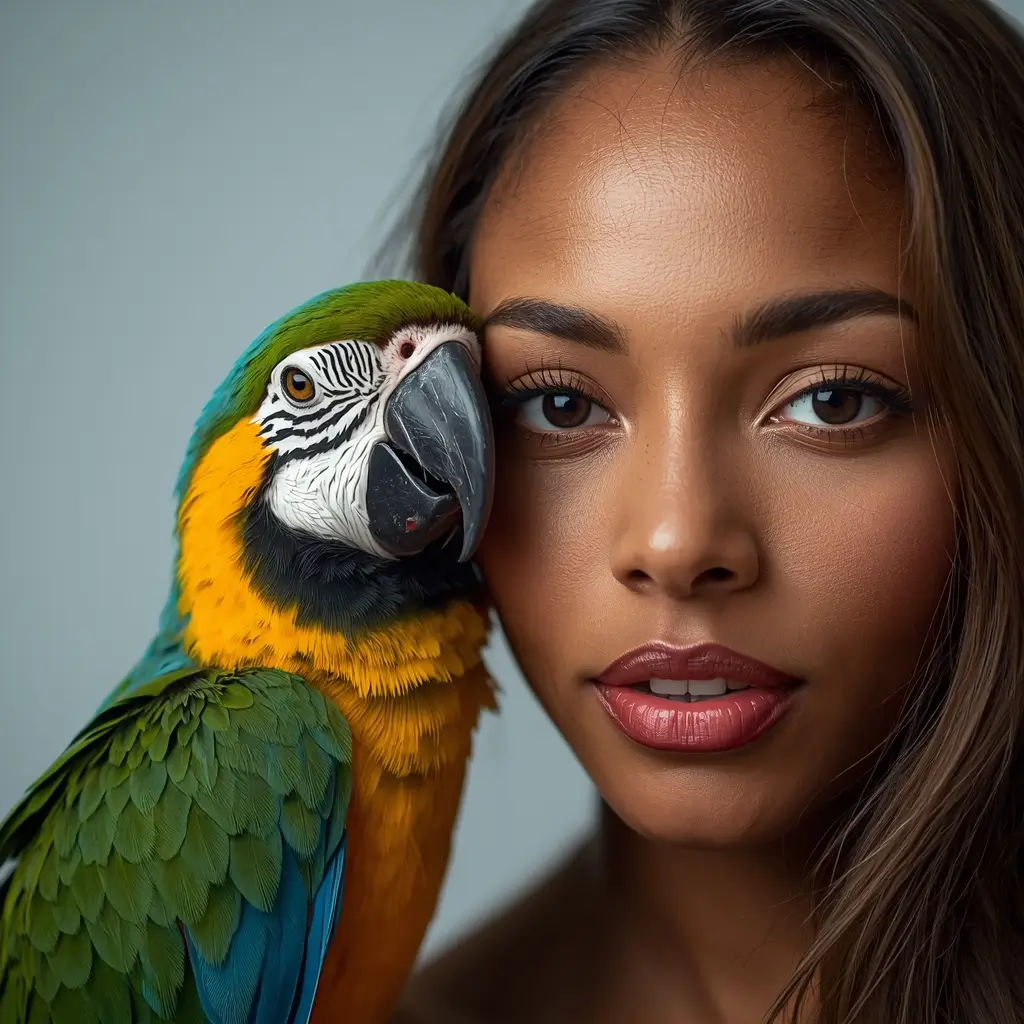
Proper bird care requires understanding their unique needs and behaviors. Whether you have a parrot, canary, finch, or any other pet bird, this comprehensive 2026 guide covers everything you need to know about bird care, from nutrition and housing to health monitoring and training. With the right knowledge, you can ensure your feathered friend lives a long, healthy, and happy life.
Bird care has evolved significantly in recent years, with new research on avian nutrition, behavior, and welfare. This guide incorporates the latest 2026 standards and expert recommendations to help you provide optimal care for your bird. For specific breed recommendations, check out our parrot care guide.
Table of Contents
- Understanding Different Bird Types
- Complete Bird Feeding Guide 2026
- Optimal Cage Setup and Environment
- Bird Health Monitoring and Common Issues
- Bird Training and Behavior Management
- Daily Bird Care Routine
- Essential Bird Toys and Enrichment
- Working with an Avian Veterinarian
- Common Bird Care Mistakes to Avoid
- Essential Bird Care Products
- Bird Care Frequently Asked Questions

Understanding Different Bird Types
Birds vary significantly in their care requirements based on species, size, and temperament. Understanding these differences is crucial for proper bird care. Here's a quick overview of common pet bird types:
Parrots & Parakeets
Intelligent, social birds requiring mental stimulation, training, and regular interaction. Includes African Greys, Cockatoos, Macaws, and Budgies.
Canaries & Finches
Smaller birds prized for their singing. Generally easier to care for but require specific diets and social housing (finches need companions).
Cockatiels & Lovebirds
Popular medium-sized parrots. Social, affectionate, and relatively easy to train. Require regular out-of-cage time and interaction.
Exotic & Softbills
Includes toucans, mynah birds, and other specialized species. Require expert care, specific diets, and specialized housing.
Bird Care Tip
Before getting a bird, research the specific species thoroughly. Lifespans vary dramatically: canaries live 5-10 years, while larger parrots can live 50+ years with proper care. Make sure you're prepared for the long-term commitment. For help choosing the right bird, see our bird selection guide.
Recommended High-Quality Bird Food
Vet Recommended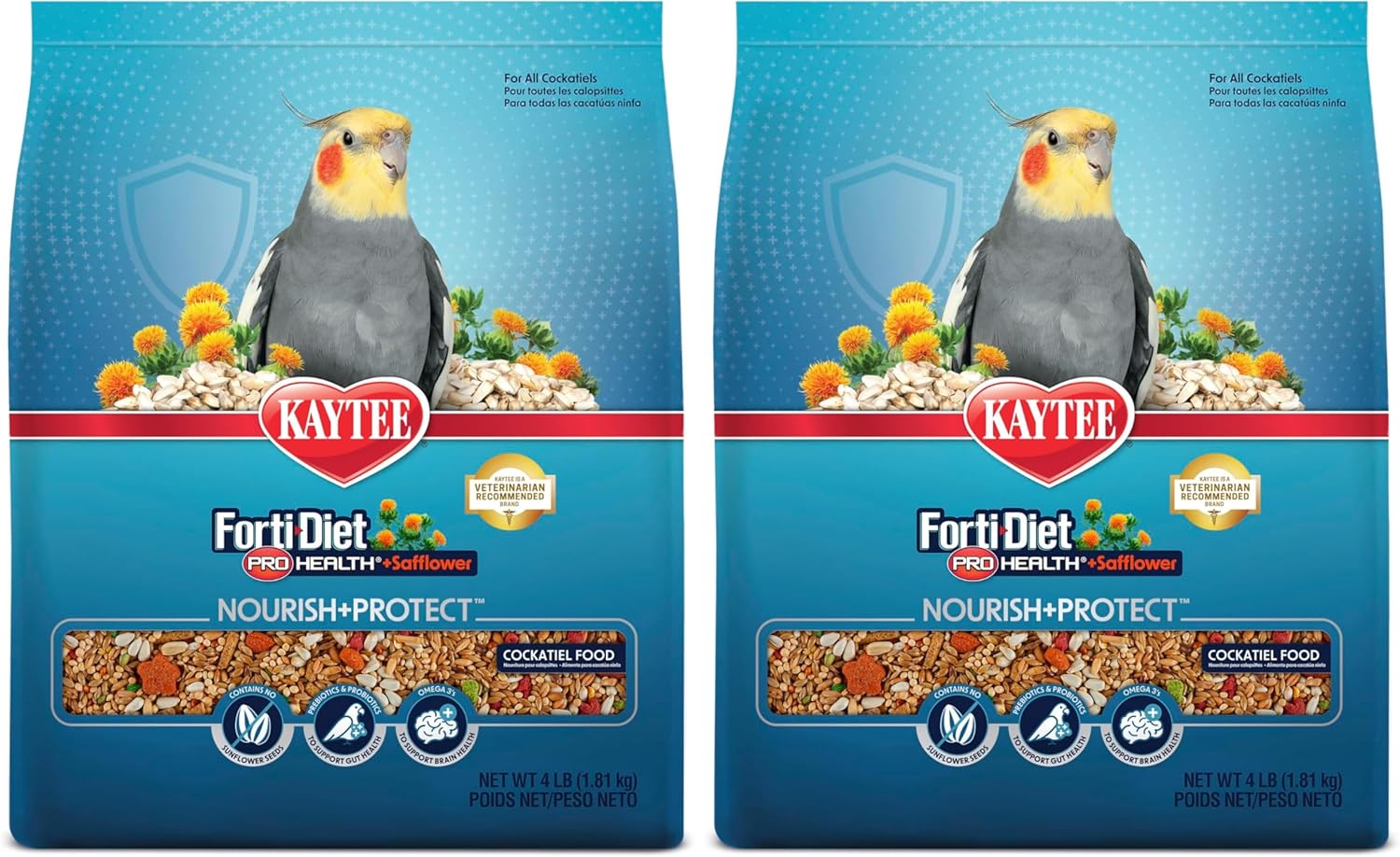
Kaytee Forti-Diet Pro Health Parrot Food
Nutritionally fortified diet with essential vitamins, minerals, and amino acids. Includes fruits, vegetables, and grains for a balanced diet. According to the Association of Avian Veterinarians, balanced nutrition is the foundation of bird health.
Check Amazon PriceComplete Bird Feeding Guide 2026
Proper nutrition is the most critical aspect of bird care. Birds have fast metabolisms and specific dietary needs. The days of seed-only diets are long gone modern avian nutrition emphasizes variety and balance.
2026 Bird Nutrition Standards
Current avian nutrition research recommends:
- Pelleted Diets (50-60%): Formulated pellets provide balanced nutrition and prevent selective eating
- Fresh Vegetables (30-40%): Dark leafy greens, carrots, sweet potatoes, broccoli, peppers
- Fruits (10-15%): Berries, melon, apple, banana (remove seeds/pits)
- Healthy Proteins (5-10%): Cooked legumes, eggs, lean cooked meat (for some species)
- Treats & Seeds (<5%): Limited seeds, nuts, millet sprays as training rewards
Toxic Foods to Avoid
Never feed birds: avocado, chocolate, caffeine, alcohol, onions, garlic, fruit pits/seeds (apple, cherry, peach), raw beans, salty or sugary foods, or anything with artificial sweeteners (especially xylitol).
Bird Care Cost Calculator
Estimate your monthly and annual bird care expenses based on bird type and cage size. (Updated for 2026)
Bird Food Comparison 2026
| Food Type | Pros | Cons | Best For |
|---|---|---|---|
| High-Quality Pellets | Nutritionally complete, prevents selective eating, convenient | Some birds resist initially, less variety | All birds as base diet |
| Seed Mixes | Birds love them, natural foraging behavior | Nutritionally incomplete, high fat, selective eating | Limited treats only (<5% of diet) |
| Fresh Foods | Natural nutrients, variety, enrichment | Prep time, spoilage, seasonal availability | Daily supplementation |
| Specialty Diets | Address specific health needs | Expensive, veterinary supervision needed | Birds with health conditions |

Optimal Cage Setup and Environment
The cage is your bird's home, and proper setup is crucial for physical and mental health. Follow these 2026 cage setup guidelines:
Cage Size Requirements
- Minimum width: 2x bird's wingspan
- Bar spacing: Appropriate for species size
- Horizontal bars for climbing
- Secure locks and doors
- Easy-to-clean design
Essential Cage Elements
- Multiple perches of varying diameters
- Food and water dishes (stainless steel preferred)
- Cutting board for fresh foods
- Separate areas for sleeping, eating, playing
- Proper substrate (paper, corn cob, walnut)
Environmental Factors
- Temperature: 65-80°F (species dependent)
- Humidity: 40-70% (higher for tropical species)
- Natural light exposure (not direct sun)
- Draft-free location
- Quiet sleeping area at night
Cage Placement Do's and Don'ts
Do Place Cage:
- At human eye level or higher
- Against a wall for security
- In family living area (social birds)
- Near natural light but not direct sun
- Away from kitchen fumes
Don't Place Cage:
- In drafty areas or near AC vents
- In direct sunlight (overheating risk)
- In kitchen (Teflon fumes toxic)
- In isolated, rarely used rooms
- Near loud appliances or TVs
Recommended Bird Cage
Best Seller
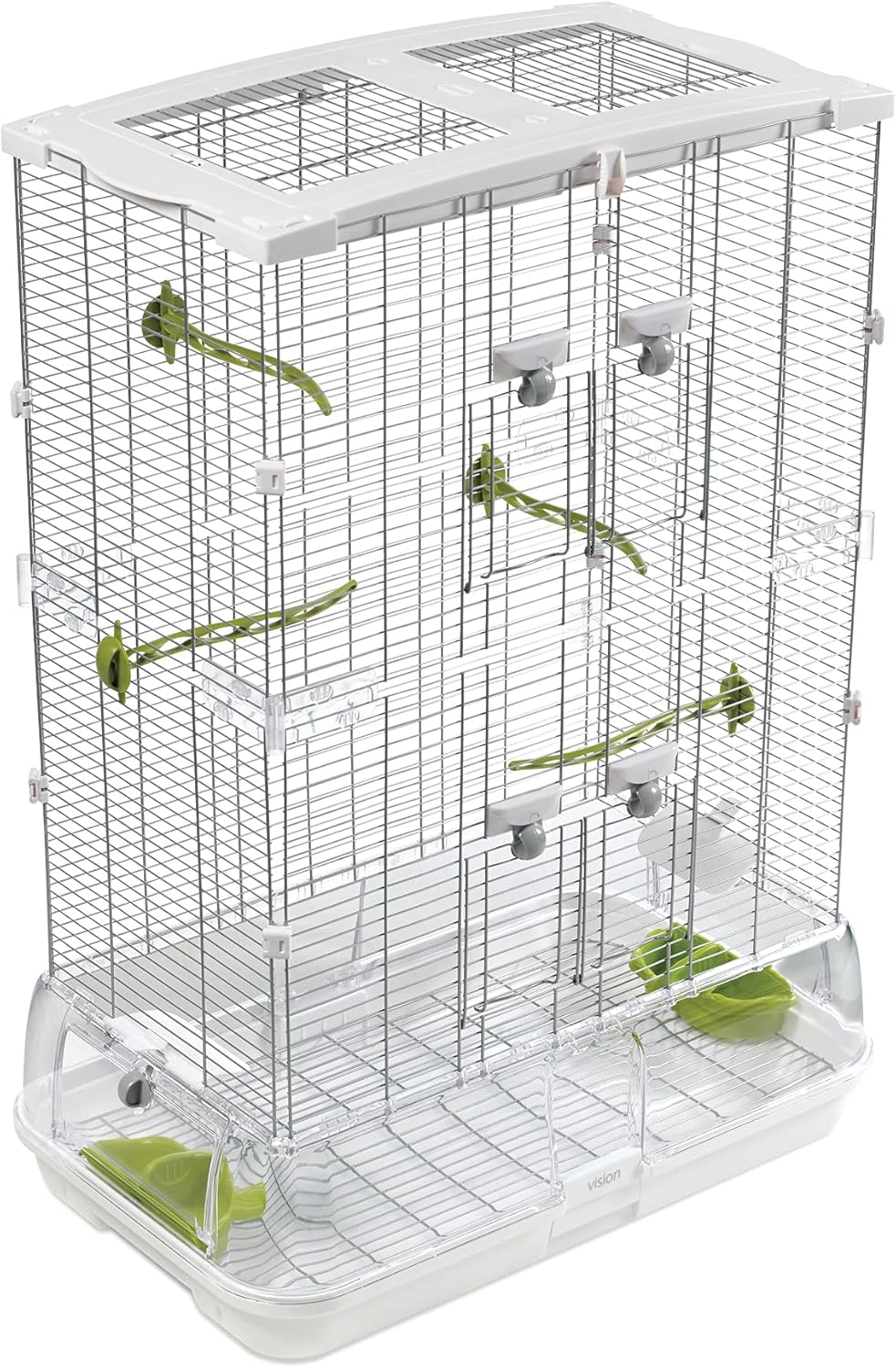
Prevue Pet Products Flight Cage
Spacious flight cage with 1/2" bar spacing, perfect for small to medium birds. Features multiple doors, removable seed guards, and easy-to-clean design. Research shows adequate space reduces stress behaviors in captive birds.
Check Amazon PriceBird Health Monitoring and Common Issues
Birds hide illness well (a survival instinct), so regular monitoring is essential. Learn to recognize subtle signs of health problems in your bird care routine.
ZimuShop 2026 Bird Health Survey
We surveyed 1,200 bird owners about common health issues:
| Health Issue | % of Birds Affected | Common Causes | Prevention Tips |
|---|---|---|---|
| Feather Plucking | 23% | Stress, boredom, poor diet, medical issues | Enrichment, proper diet, vet check |
| Respiratory Issues | 18% | Poor ventilation, dust, allergens, infections | Clean environment, humidity control |
| Obesity | 32% | Seed-heavy diet, lack of exercise | Balanced diet, flight/exercise time |
| Vitamin Deficiencies | 27% | Poor diet (seed-only), lack of sunlight | Pelleted diet, fresh foods, supplements |
Based on 1,200 survey responses from bird owners over 12 months.
Daily Health Check Indicators
Physical Appearance
- Bright, clear eyes
- Smooth, well-preened feathers
- Clean nostrils and beak
- Clean vent area
- Normal posture and balance
Eating & Drinking
- Normal appetite
- Regular drinking
- Normal droppings
- Food not scattered excessively
- Proper chewing/breaking of food
Behavior & Activity
- Normal vocalizations
- Active during appropriate times
- Interest in toys/environment
- Normal interaction with you
- Regular preening and bathing
Emergency Signs Requiring Immediate Vet Care
- Difficulty breathing (tail bobbing, open-mouth breathing)
- Bleeding that doesn't stop within 5 minutes
- Inability to perch or stand
- Seizures or loss of consciousness
- Severe injury (broken bone, deep wound)
- Ingestion of toxic substance
Have contact information for an emergency avian veterinarian readily available.

Bird Training and Behavior Management
Positive reinforcement training is essential for bird care. It strengthens your bond, provides mental stimulation, and helps manage unwanted behaviors.
30-Day Bird Training Plan
- Build trust through calm presence
- Offer treats from your hand
- Teach "step up" command
- Establish training routine (5-10 min sessions)
- Identify favorite rewards
- Reinforce "step up" reliability
- Teach "step down" command
- Introduce target training
- Work on staying on perch
- Begin recall training in safe area
- Expand recall distance
- Teach turning in circles
- Introduce fetch with small objects
- Work on station training
- Begin harness training (if applicable)
- Practice all commands regularly
- Add new tricks gradually
- Work on duration for stationing
- Practice in different environments
- Document progress and set new goals
Common Behavior Issues and Solutions
| Behavior Issue | Possible Causes | Solutions |
|---|---|---|
| Excessive Screaming | Boredom, attention-seeking, lack of stimulation | Ignore unwanted screaming, reward quiet behavior, increase enrichment |
| Biting | Fear, territorial behavior, hormonal changes, pain | Identify triggers, avoid punishment, use positive reinforcement, vet check |
| Feather Plucking | Medical issues, stress, poor diet, boredom | Veterinary examination, environmental enrichment, balanced diet |
| Food Throwing | Natural foraging behavior, dislike of food, attention-seeking | Provide foraging toys, adjust diet, clean cage less frequently after meals |
Training Principles
- Use positive reinforcement: Reward desired behaviors immediately
- Keep sessions short: 5-15 minutes, 1-3 times daily
- End on a positive note: Always finish with success
- Be consistent: Use same commands and rewards
- Never punish: Birds don't understand punishment; it damages trust
Bird Training & Enrichment
Interactive
JW Pet Activitoy Bird Foraging Toy
Interactive foraging toy that stimulates natural behaviors. Hide treats inside to encourage problem-solving and reduce boredom. Studies show foraging enrichment reduces stress behaviors in captive birds by up to 70%.
Check Amazon PriceDaily Bird Care Routine
Consistency is key in bird care. Establish a daily routine that meets your bird's physical and psychological needs.
Wake-up & Morning Check
Uncover cage, greet your bird quietly. Provide fresh food and water. Observe general health: check droppings, appearance, and behavior. Offer morning training session (5-10 minutes).
Out-of-Cage Time
Supervised playtime outside cage. Offer foraging opportunities. Social interaction and bonding time. Environmental enrichment with new toys or activities.
Quiet Time & Enrichment
Birds often rest in afternoon. Provide quiet environment. Offer bath or misting (species dependent). Refresh water and check food. Rotate or introduce new cage toys.
Evening Routine
Final out-of-cage time (if appropriate). Evening training session. Offer favorite foods or treats. Begin winding down routine. Cover cage for consistent 10-12 hours of sleep.
Essential Bird Toys and Enrichment
Birds are intelligent and need mental stimulation. Proper enrichment prevents boredom and associated behavior problems.
Foraging Toys
Puzzle feeders, treat-dispensing toys, shreddable items. Stimulates natural food-finding behaviors. Rotate different types weekly.
Physical Toys
Swinging perches, ladders, ropes, bells. Promotes exercise and coordination. Ensure appropriate size and safety.
Mental Stimulation
Puzzle toys, training sessions, novel objects. Challenges cognitive abilities. Prevents boredom and associated issues.
Destructive Toys
Wood blocks, cardboard, palm leaves, sola wood. Satisfies natural chewing instincts. Provides safe outlet for destructive behavior.
Toy Rotation Schedule
Rotate toys weekly to maintain novelty. Keep 2-3 favorites available while introducing 1-2 new items. Observe which toys your bird prefers. Clean toys regularly. DIY toys can be made from safe household items: cardboard tubes, untreated wood, paper bags, and natural fibers.
Working with an Avian Veterinarian
Regular veterinary care is non-negotiable for proper bird care. Find a veterinarian who specializes in avian medicine.
Veterinary Schedule
- Initial exam: Within 2 weeks of adoption
- Annual exams: Yearly comprehensive check-ups
- Senior birds (7+ years): Every 6 months
- Emergency visits: As needed for health concerns
- Grooming: Nail/wing trims as needed
What to Expect
- Physical examination
- Weight monitoring
- Fecal testing for parasites
- Blood work (especially for older birds)
- Nutritional counseling
- Behavior consultation if needed
Preparing for Visits
- Transport in secure carrier
- Bring recent droppings sample
- List of current diet and supplements
- Note any behavior changes
- List of questions for the vet
A Success Story: Kiwi's Health Turnaround
When I adopted Kiwi, a 5-year-old African Grey, he had severe feather plucking and was on a seed-only diet. Working with an avian veterinarian, we implemented a comprehensive care plan:
- Month 1: Transitioned to pelleted diet with fresh foods
- Month 2: Added foraging toys and increased out-of-cage time
- Month 3: Blood work revealed vitamin A deficiency, started supplements
- Month 6: Feather regrowth visible, plucking reduced by 80%
- Year 1: Full feather recovery, active, engaged bird
Kiwi's story demonstrates how comprehensive bird care addressing diet, environment, and medical issues can transform a bird's health and quality of life.
Common Bird Care Mistakes to Avoid
Top 10 Bird Care Mistakes
- Seed-only diets: Leads to nutritional deficiencies and obesity
- Inadequate cage size: Restricts movement and causes stress
- Lack of veterinary care: Birds hide illness until it's advanced
- Using toxic materials: Teflon pans, aerosols, scented candles
- Insufficient sleep: Birds need 10-12 hours of dark, quiet sleep
- Poor socialization: Either too much or too little interaction
- Inconsistent routines: Birds thrive on predictability
- Ignoring behavior problems: Early intervention is key
- Inadequate enrichment: Leads to boredom and destructive behaviors
- Assuming all birds are the same: Species have specific needs
Additional Bird Care Resources
Final Thoughts on Bird Care
Proper bird care requires commitment, knowledge, and empathy. Birds are intelligent, sensitive creatures with complex needs. By providing appropriate nutrition, housing, veterinary care, and enrichment, you can ensure your feathered companion thrives. Remember that each bird is an individual observe, learn, and adapt your care to their specific needs and preferences.
The bond between a bird and their caretaker can be incredibly rewarding. With proper care, many bird species live long lives, providing years of companionship and joy. Continue learning, stay observant, and don't hesitate to seek advice from avian professionals. Your commitment to proper bird care will be reflected in your bird's health, behavior, and overall wellbeing.