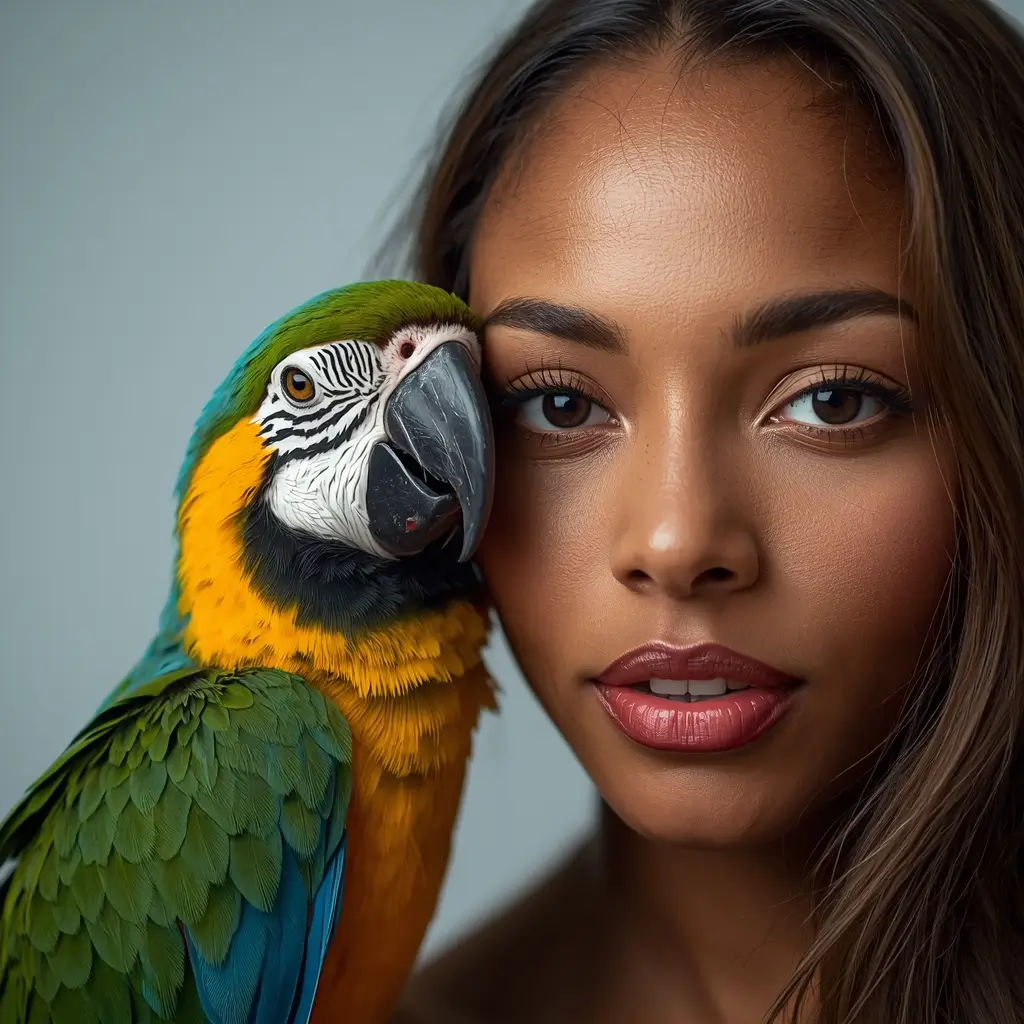
Proper parrot care is essential for the health, happiness, and longevity of your feathered companion. Parrots are intelligent, social creatures with complex needs that go beyond just food and water. This comprehensive 2026 guide covers everything you need to know about parrot care, from daily routines to long-term health maintenance.
Whether you're a new parrot owner or looking to enhance your current care practices, this guide provides evidence-based recommendations for optimal parrot care. Remember that different species have different requirements. For specific breed information, check out our parrot training guide.
Table of Contents
- Daily Parrot Care Routine
- Optimal Parrot Housing and Environment
- Complete Parrot Nutrition Guide 2026
- Parrot Grooming and Hygiene
- Parrot Health: Prevention and Monitoring
- Mental and Physical Enrichment
- Socialization and Behavior Management
- Avian Veterinary Care Essentials
- Senior Parrot Care Considerations
- Parrot Care Costs and Budgeting
- Frequently Asked Questions

Daily Parrot Care Routine
A consistent daily routine is crucial for your parrot's well-being. Parrots thrive on predictability, which reduces stress and promotes healthy behaviors. Here is the ideal daily parrot care routine:
Wake-up and Breakfast
Uncover cage and greet your parrot with gentle conversation. Change water and provide fresh food. Remove any overnight waste from cage bottom. Allow 15-30 minutes of quiet time before interaction.
Tip: Morning is the best time for training sessions as parrots are most alert.
Social Time and Enrichment
Supervised out-of-cage time for exercise and socialization. Provide new enrichment toys or rotate existing ones. Interactive play and training sessions.
Tip: Always supervise out-of-cage time to prevent accidents or escapes.
Quiet Time and Foraging
Quiet time for rest and self-entertainment. Provide foraging opportunities in cage. Check and refill food/water as needed. Light cleaning of cage accessories.
Tip: Most parrots appreciate an afternoon nap - respect their need for quiet time.
Dinner and Wind-down
Evening meal and water change. Final social interaction of the day. Light grooming if needed. Prepare cage for night by removing perishable foods.
Tip: Maintain consistent bedtime - most parrots need 10-12 hours of darkness for proper rest.
Pro Tip: Consistency is Key
Parrots are creatures of habit. Maintaining a consistent daily schedule reduces anxiety and behavioral issues. Use visual or auditory cues (like specific songs or lights) to signal routine transitions. Document your routine and share it with all family members to ensure consistency.
Recommended Parrot Cage
Premium Quality
Extra Large Parrot Cage with Playtop
Spacious 36"x24"x60" cage with removable playtop, easy-clean tray, and multiple feeder doors. Suitable for medium to large parrots. Bar spacing designed for safety. For setup tips, see our optimal cage arrangement guide.
Check Amazon PriceOptimal Parrot Housing and Environment
Proper housing is fundamental to parrot care. The cage is not just containment - it's your parrot's home, safe space, and entertainment center. Here are the essential requirements:
Cage Size Requirements
Minimum dimensions: Bird should be able to fully extend wings without touching sides. For medium parrots: 24"x24"x30". For large parrots: 36"x24"x48". Bigger is always better.
Bar spacing: 3/4" to 1" for medium birds, 1" to 1.5" for large birds. Must prevent head getting stuck.
Cage Placement
Location: Against a wall for security, in family area for socialization, away from drafts and direct sunlight.
Avoid: Kitchens (fumes), bathrooms (humidity), near windows (temperature fluctuations), or isolated rooms.
Cage Setup Essentials
Must have: Multiple perches of varying diameters, food/water dishes, cuttlebone/mineral block, toys for destruction and foraging, comfortable sleeping area.
Arrangement: Food/water away from perches to prevent contamination, perches at different heights.
Environmental Conditions
Temperature: 65-80°F (18-27°C). Avoid sudden temperature changes.
Humidity: 40-70% for most species. Use humidifier if needed, especially in dry climates or during winter heating.
Lighting: 10-12 hours of daylight, 10-12 hours of darkness. Full-spectrum lighting beneficial.
ZimuShop 2026 Parrot Housing Survey
We surveyed 500 parrot owners about housing practices and correlated them with bird health outcomes:
| Housing Factor | Below Standard | Meets Standard | Exceeds Standard | Health Impact |
|---|---|---|---|---|
| Cage Size | 28% | 52% | 20% | Smaller cages correlated with 3x more feather plucking |
| Perch Variety | 35% | 45% | 20% | Single perch type linked to 2.5x more foot problems |
| Toy Rotation | 42% | 38% | 20% | Infrequent rotation correlated with higher boredom behaviors |
| Out-of-Cage Time | 25% (<1hr/day) | 50% (1-3hrs/day) | 25% (>3hrs/day) | More out-of-cage time linked to better socialization |
| Environmental Enrichment | 30% | 48% | 22% | Better enrichment = fewer behavioral issues |
*Based on 12-month health and behavior tracking of 500 parrots across multiple species.
Complete Parrot Nutrition Guide 2026
Proper nutrition is the foundation of parrot care and directly impacts health, behavior, and longevity. Here is what your parrot should be eating:
| Food Type | Percentage of Diet | Examples | Benefits |
|---|---|---|---|
| High-Quality Pellets | 50-60% | Harrison's, Roudybush, TOPs | Balanced nutrition, prevents selective eating |
| Fresh Vegetables | 25-35% | Kale, carrots, bell peppers, squash | Vitamins, minerals, antioxidants |
| Fresh Fruits | 10-15% | Berries, apples, melons, papaya | Vitamins, hydration, enrichment |
| Healthy Grains/Legumes | 5-10% | Quinoa, brown rice, lentils, chickpeas | Protein, fiber, energy |
| Nuts/Seeds (Treats) | <5% | Almonds, walnuts, sunflower seeds | Healthy fats, training rewards |
Foods to Avoid
Some human foods are toxic to parrots:
- Avocado: Contains persin, which can be fatal
- Chocolate/Caffeine: Contains theobromine and caffeine
- Alcohol: Extremely toxic even in small amounts
- Onions/Garlic: Can cause hemolytic anemia
- Salty/Fatty Foods: Lead to health problems
- Fruit pits/seeds: Many contain cyanide
- Uncooked beans: Contain harmful lectins
When in doubt, consult your avian veterinarian before offering new foods.
Premium Parrot Food
Vet Recommended
Wild Harvest Daily Blend Nutrition Diet
Organic, human-grade pellets with no artificial colors, flavors, or preservatives. Formulated by avian veterinarians for complete nutrition. According to the Association of Avian Veterinarians, pellets should form the basis of a parrot's diet.
Check Amazon PriceParrot Grooming and Hygiene
Regular grooming is essential for parrot care and health maintenance. Here is what you need to know:
Feather Care
Bathing: 1-3 times weekly depending on species and climate. Use spray bottle, shower perch, or shallow dish. Ensure complete drying away from drafts.
Molting: Increased protein needs during molting. Provide extra bathing opportunities to relieve itchiness.
Nail Trimming
Frequency: Every 2-6 months depending on growth and perch types.
Method: Use bird-specific nail trimmers. Have styptic powder on hand. Trim only the sharp tip to avoid quick. Consider professional help if unsure.
Beak Maintenance
Normal wear: Provide cuttlebone, mineral blocks, and wood toys for natural filing.
When to worry: Overgrowth, uneven wear, or soft/discolored beak requires veterinary attention.
Never trim a healthy beak yourself - this should only be done by a veterinarian if medically necessary.
Cage Cleaning
Daily: Remove uneaten fresh food, change water, spot clean droppings.
Weekly: Remove and wash all dishes, perches, and toys. Replace substrate.
Monthly: Deep clean entire cage with bird-safe disinfectant. Rinse thoroughly and dry completely.

Parrot Health: Prevention and Monitoring
Preventive care is the most important aspect of parrot care. Here is how to keep your parrot healthy:
Signs of a Healthy Parrot
- Bright, clear eyes with no discharge
- Clean nostrils without blockage or discharge
- Smooth, well-groomed feathers (except during molting)
- Active and alert during appropriate times
- Normal droppings with consistent color and consistency
- Good appetite and normal drinking
- Normal breathing without wheezing or tail bobbing
Red Flags Requiring Veterinary Attention
Emergency Symptoms
- Difficulty breathing or tail bobbing with each breath
- Bleeding that doesn't stop within 5 minutes
- Inability to perch or falling off perch
- Seizures or loss of consciousness
- Severe injury or trauma
- Exposure to toxins (Teflon fumes, cleaners, etc.)
Preventive Veterinary Care Schedule
- Annual check-ups: Complete physical exam, weight check, droppings analysis
- Every 1-2 years: Blood work for baseline values
- As recommended: X-rays, cultures, or specialized testing based on age/species
- Immediately: Any signs of illness or behavior changes
Find a qualified avian veterinarian before you need one. Regular check-ups can detect problems early when they're most treatable.
Mental and Physical Enrichment
Enrichment is critical for preventing boredom and behavioral issues in parrots. Here are essential enrichment strategies:
Foraging Activities
Daily foraging: Hide treats in paper, boxes, or foraging toys. Use puzzle feeders. Change hiding places regularly.
Benefits: Mimics natural behavior, prevents obesity, reduces boredom.
Interactive Toys
Types: Destruction toys (wood, cardboard), noise-making toys, puzzle toys, preening toys.
Rotation: Change toys weekly to maintain novelty. Have 3-4 times more toys than in cage at once.
Physical Exercise
Flight: If wings are not clipped, ensure safe flight space. Flight provides excellent exercise.
Climbing: Provide ladders, ropes, and climbing nets. Play gyms outside cage.
Wing flapping: Encourage daily wing exercise even in clipped birds.
Mental Stimulation
Training: Teach tricks, targeting, or speech. 5-15 minute sessions daily.
Environmental changes: Rearrange cage setup occasionally. New perches or locations.
Audio/Visual: Parrot-appropriate videos, music, or nature sounds.
Parrot Enrichment Bundle
Interactive
Complete Parrot Enrichment Toy Set
Set of 8 interactive toys including foraging puzzles, destructible wood toys, and noise-makers. Research from the World Parrot Trust shows proper enrichment reduces feather-destructive behaviors by up to 70%.
Check Amazon PriceSocialization and Behavior Management
Parrots are highly social creatures with complex emotional needs. Proper socialization is crucial for behavioral health:
Socialization Best Practices
- Daily interaction: Minimum 1-2 hours of quality interaction daily
- Positive reinforcement: Reward desired behaviors, ignore undesirable ones (when safe)
- Respect boundaries: Learn your parrot's body language and respect "no" signals
- Family involvement: All household members should participate in care and interaction
- Gradual exposure: Slowly introduce new people, animals, or environments
- Consistent routines: Predictability reduces anxiety and builds trust
Success Story: Building Trust with a Rescue Parrot
When we adopted Kiwi, a 10-year-old Amazon parrot with a history of fear-based aggression, he would scream and bite at any approach. Through patient trust-building techniques, we transformed our relationship:
- Month 1: Sitting near cage without interaction, talking softly, offering treats from distance
- Month 2: Hand-feeding through cage bars, no pressure to step up
- Month 3: First successful step-up onto perch (not hand), very short sessions
- Month 6: Willing step-up onto hand, beginning basic training
- Year 1: Comfortable handling, reduced screaming by 90%, no biting incidents in 6 months
Kiwi's story demonstrates that even parrots with difficult histories can learn to trust with patience, consistency, and respect for their boundaries.
Avian Veterinary Care Essentials
Regular veterinary care is non-negotiable for responsible parrot care. Here is what you need to know:
Finding an Avian Vet
Qualifications: Look for "avian certified" or "avian specialty" practices. Membership in AAV (Association of Avian Veterinarians) is a good sign.
Preparation: Have vet contact before emergencies. Know emergency hours and after-hours procedures.
First Aid Kit Essentials
Must haves: Styptic powder, gauze pads, vet wrap, blunt-end scissors, heating pad, carrier for transport, vet contact information.
Knowledge: Learn basic first aid and CPR for birds. Take a course if available.
Health Records
Maintain records: Weight log, behavior notes, previous test results, vaccination history (if applicable).
Emergency info: Keep copy near cage with vet contact, address, and basic health information.
Common Health Issues
Preventable: Obesity, fatty liver disease, vitamin deficiencies, respiratory infections from poor environment.
Watch for: Feather destructive behavior, changes in droppings, changes in appetite or behavior.
Your 4-Week Parrot Care Improvement Plan
- Document current diet percentages
- Measure cage dimensions and evaluate setup
- Track daily interaction time
- Schedule avian vet check-up if overdue
- Inventory toys and enrichment items
- Transition to higher pellet percentage if needed
- Introduce 2 new vegetables
- Reduce seed/treat percentage if excessive
- Implement foraging for some meals
- Establish consistent feeding schedule
- Add new appropriate perches
- Implement toy rotation system
- Create safe play area outside cage
- Improve cage cleaning routine
- Address any safety concerns
- Finalize daily care schedule
- Begin short daily training sessions
- Establish consistent bedtime routine
- Create health monitoring checklist
- Plan long-term enrichment calendar

Senior Parrot Care Considerations
As parrots age, their care needs change. Most parrots are considered seniors at:
- Small species (budgies, cockatiels): 6-8 years
- Medium species (conures, quakers): 15-20 years
- Large species (macaws, cockatoos): 30-40 years
Senior Parrot Adjustments
- Veterinary care: More frequent check-ups (every 6 months)
- Diet: May need lower fat, easier to digest foods
- Environment: Lower perches, easier access to food/water
- Exercise: Modified based on mobility and arthritis
- Comfort: Additional warmth, softer perches
- Monitoring: Increased observation for subtle changes
Parrot Care Costs and Budgeting
Responsible parrot care requires financial planning. Here is a realistic cost breakdown:
Annual Parrot Care Costs (Medium Parrot)
| Expense Category | Low Estimate | High Estimate | Notes |
|---|---|---|---|
| Food (Pellets/Produce) | $300 | $600 | Depends on brand and variety |
| Toys/Enrichment | $200 | $500 | Toys wear out and need replacement |
| Routine Veterinary Care | $150 | $300 | Annual exam plus basic tests |
| Emergency Fund Contribution | $300 | $600 | Critical for unexpected health issues |
| Cage Maintenance/Supplies | $100 | $250 | Cleaning supplies, perches, etc. |
| Total Annual Cost | $1,050 | $2,250 | Excludes initial setup costs |
*Initial setup costs (cage, carrier, initial toys) typically range from $500-$2,000+ depending on quality and size.
Additional Resources
Final Thoughts on Parrot Care
Proper parrot care is a long-term commitment that requires knowledge, patience, and dedication. These intelligent, emotional creatures can live for decades, and their well-being depends entirely on the care you provide.
Remember that every parrot is an individual with unique preferences and needs. While this guide provides general recommendations, always observe your specific bird and adjust care accordingly. The most important aspects of parrot care are consistency, observation, and a willingness to learn and adapt.
Your relationship with your parrot can be one of the most rewarding experiences of your life. By providing excellent care, you're ensuring many happy, healthy years together. For more specific guidance, explore our complete bird care resource center.