Changing your dog's diet can be a daunting task filled with uncertainty. Whether you're switching from kibble to raw, transitioning to grain-free, or moving to a prescription diet, proper diet conversion is crucial for your dog's digestive health and overall well-being. In this comprehensive 2026 guide, we'll explore everything you need to know about safely converting your dog's diet, including step-by-step timelines, troubleshooting common issues, and expert recommendations.
A successful diet transition requires more than just mixing old and new food. It involves understanding your dog's unique digestive system, recognizing signs of trouble, and implementing strategies that minimize stress on their gastrointestinal tract. According to veterinary studies, up to 68% of digestive issues in dogs are directly related to improper food transitions.
Table of Contents

Why Proper Diet Conversion Matters
Your dog's digestive system contains a complex ecosystem of bacteria, enzymes, and microorganisms specifically adapted to their current diet. When you introduce new food suddenly, this ecosystem becomes disrupted, leading to potential digestive upset. A gradual transition allows the gut microbiome to adapt gradually, minimizing the risk of:
Common Issues
Diarrhea and vomiting from sudden
ingredient changes
Gas and bloating due to bacterial
imbalance
Loss of appetite from digestive
discomfort
Allergic reactions that develop gradually
Long-Term Risks
Chronic digestive issues from repeated
trauma
Food aversions developing from negative
experiences
Nutritional deficiencies during transition
periods
Stress-related behaviors affecting overall
health
Benefits of Proper Transition
Smooth adaptation to new nutritional
profile
Preserved gut health and microbiome
balance
Better nutrient absorption from day one
Reduced stress for both dog and owner
Veterinary Insight
According to the American Veterinary Medical Association, a gradual transition over 7-14 days is recommended for most diet changes. However, dogs with known digestive issues, seniors, or those switching between drastically different food types (like kibble to raw) may require 3-4 weeks for complete adaptation. For dogs with food sensitivities, our step-by-step elimination diet protocol provides additional guidance.
Digestive Support Supplement
Transition Aid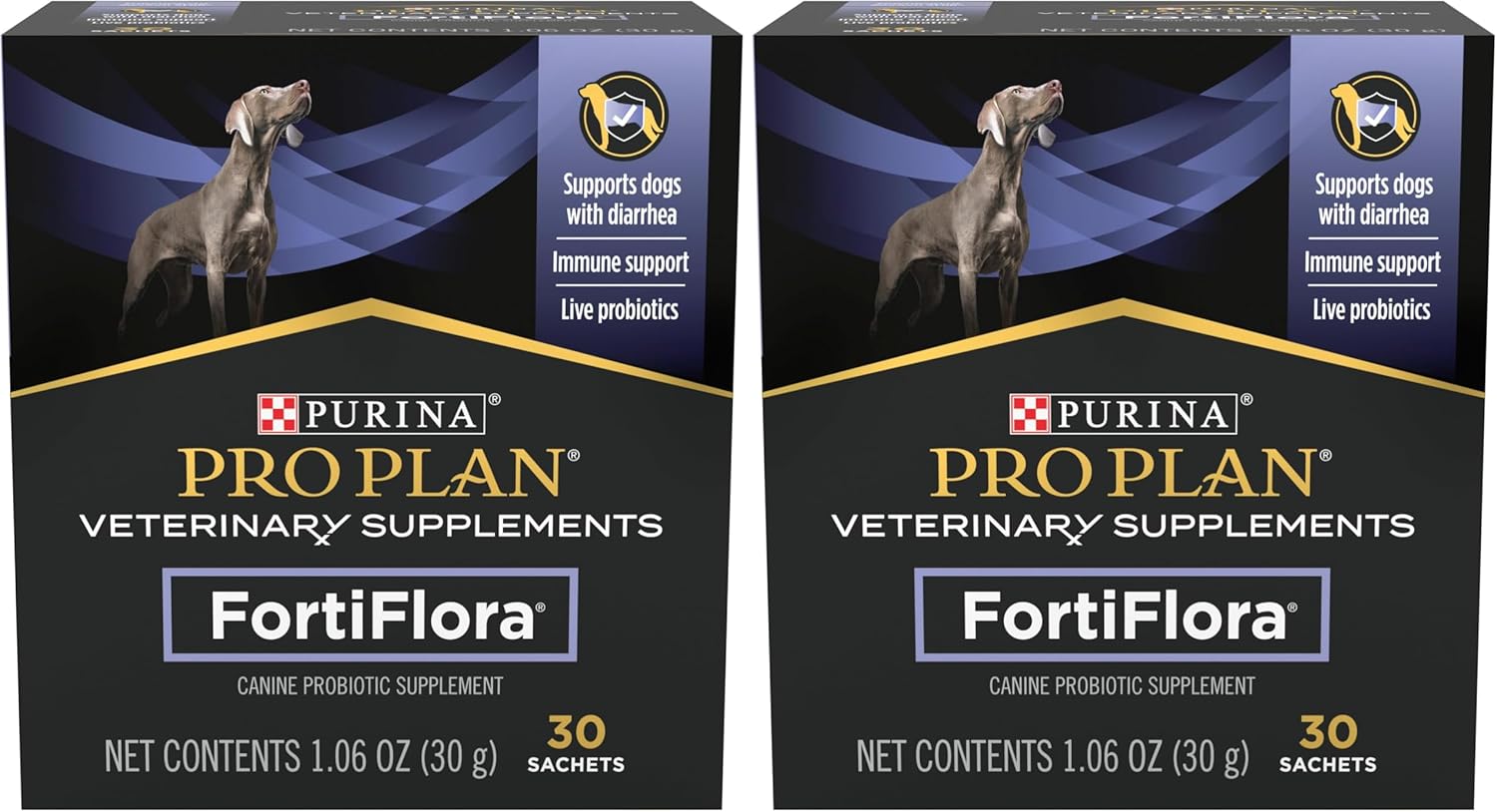
Purina Pro Plan FortiFlora Probiotic Supplement
Veterinarian recommended probiotic supplement containing guaranteed live microorganisms to promote digestive health during diet transitions. Helps maintain intestinal health and immune function. For senior dogs, consider our age-specific digestive support guide.
Check Amazon PriceStep-by-Step Diet Conversion Guide
The standard diet conversion timeline varies based on your dog's age, health status, and the type of food change. Here are the most effective transition plans for 2026:
Standard 7-Day Transition Plan
This plan works well for most healthy adult dogs switching between similar food types (kibble to kibble, or wet to wet):
| Day | Old Food | New Food | Key Actions | What to Monitor |
|---|---|---|---|---|
| 1-2 | 75% | 25% | Mix thoroughly, maintain normal feeding schedule | Appetite, stool consistency |
| 3-4 | 50% | 50% | Equal mixing, consider splitting meals | Energy levels, any digestive changes |
| 5-6 | 25% | 75% | Increase new food, watch for picky eating | Stool quality, gas, overall comfort |
| 7 | 0% | 100% | Complete transition, adjust portions if needed | Full adaptation, final appetite assessment |
Note: If any digestive upset occurs, return to previous ratio for 2 more days before progressing.
Extended 14-Day Plan for Sensitive Dogs
For dogs with sensitive stomachs, senior dogs, or those switching between drastically different food types:
- Days 1-3: 90% old, 10% new
- Days 4-7: 75% old, 25% new
- Add digestive enzymes
- Monitor stool daily
- Maintain consistent feeding times
- Days 8-10: 50% old, 50% new
- Days 11-13: 25% old, 75% new
- Consider probiotic supplementation
- Watch for behavioral changes
- Adjust portion sizes as needed
- Day 14: 100% new food
- Evaluate stool quality
- Assess energy levels
- Confirm proper portion size
- Schedule vet check if needed
- Always provide fresh water
- Consider fasting one meal if issues arise
- Keep feeding environment calm
- Record observations daily
- Consult vet for any concerns

Special Conversion Scenarios
Some diet changes require specialized approaches. Here are the 2026 best practices for common challenging transitions:
Kibble to Raw Food
Challenge: Drastic pH change in stomach
acid requirements
Solution: 21-28 day transition with
digestive enzymes
Tip: Start with lightly cooked protein
before introducing raw
Grain to Grain-Free
Challenge: Different carbohydrate sources
and fiber content
Solution: 10-14 day transition with fiber
monitoring
Tip: Watch for signs of DCM with certain
grain-free formulas
To Prescription Diets
Challenge: Medical conditions requiring
strict adherence
Solution: Veterinary supervised
transition
Tip: Never mix with old food unless
directed by vet
Puppy to Adult Food
Challenge: Different nutritional
requirements
Solution: Transition during 12-24 months
based on breed
Tip: Monitor growth plates and adjust
calories accordingly
Transition-Friendly Food
Easy Switch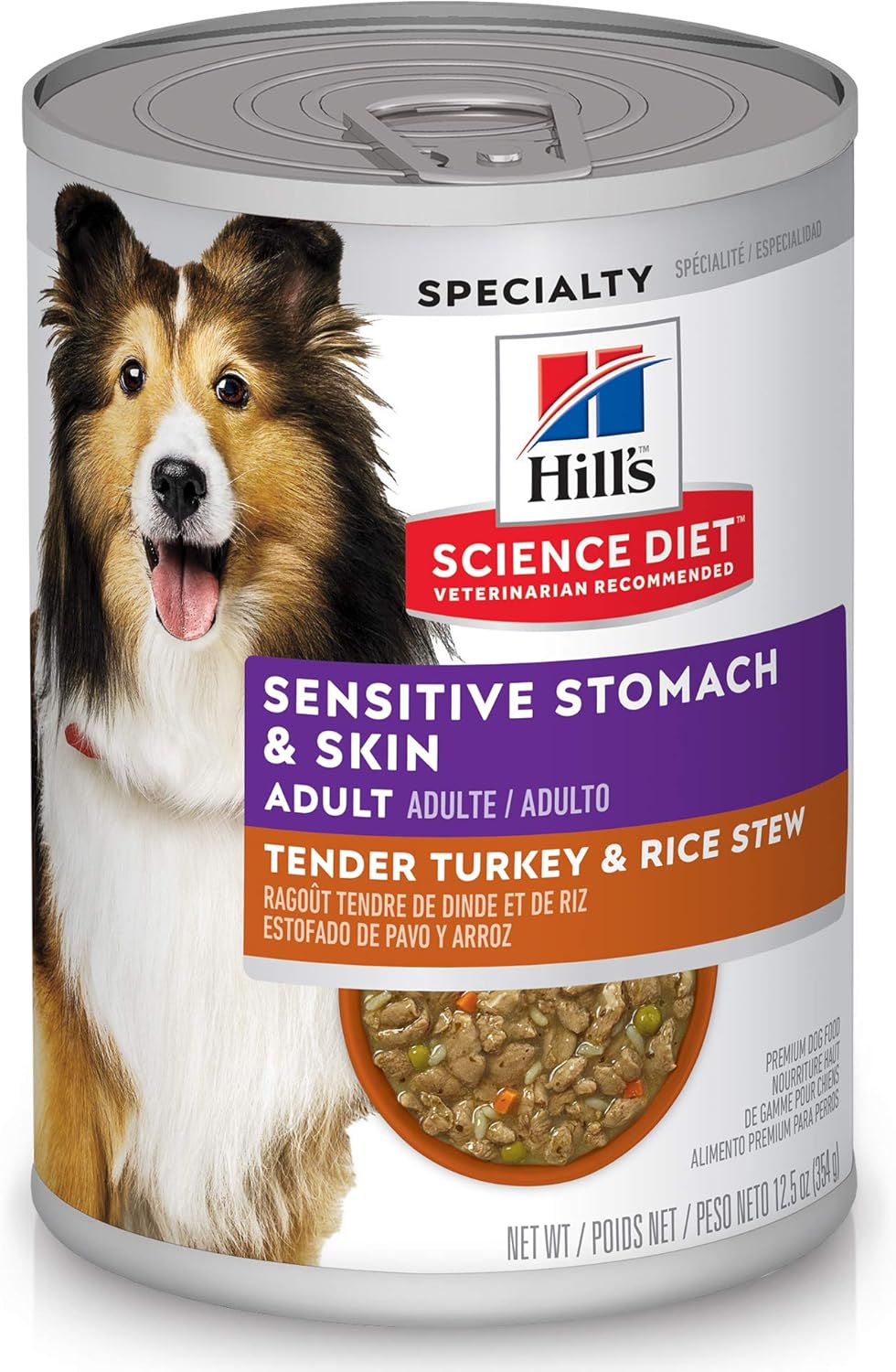
Hill's Science Diet Sensitive Stomach & Skin
Formulated for easy digestion with prebiotic fiber. This food is specifically designed for sensitive dogs and those undergoing diet transitions. The easily digestible ingredients and balanced fiber support smooth adaptation. Research from Hill's Pet Nutrition Center shows this formula supports gut health during dietary changes.
Check Amazon PriceCommon Conversion Mistakes to Avoid
Even experienced dog owners can make errors during diet transitions. Here are the most common mistakes and how to avoid them in 2026:
| Mistake | Why It's Problematic | 2026 Best Practice |
|---|---|---|
| Switching too quickly | Causes digestive upset, diarrhea, vomiting | Always use 7-14 day minimum transition |
| Not monitoring stool | Misses early signs of digestive issues | Keep a daily stool quality journal |
| Changing multiple things | Confuses which change caused reaction | One change at a time (food, treats, supplements) |
| Ignoring water intake | Dehydration worsens digestive issues | Monitor water consumption daily |
| Not consulting vet for medical diets | Can worsen underlying health conditions | Always involve veterinarian in prescription diet changes |
Red Flags Requiring Veterinary Attention
While some adjustment is normal, these symptoms require immediate veterinary consultation:
- Severe diarrhea lasting more than 24 hours
- Blood in stool or vomit
- Complete refusal to eat for more than 24 hours
- Lethargy or depression accompanying digestive issues
- Signs of abdominal pain (whining, stretching, sensitivity)
- Vomiting multiple times in a short period
When in doubt, contact your veterinarian. Early intervention can prevent minor issues from becoming serious health concerns.

Monitoring Your Dog's Health During Transition
Successful diet conversion requires careful observation. Here's what to track daily during the transition period:
Stool Quality
Use the Purina fecal scoring system (1-7 scale). Ideal is 2-3. Monitor for color changes, mucus, blood, or unusual consistency. For more detailed analysis, see our complete dog food guide.
Activity Levels
Note changes in playfulness, walk enthusiasm, and overall energy. Some lethargy on day 1-2 is normal, but should improve. Persistent lethargy indicates problems.
Eating Patterns
Record how much is eaten at each meal. It's normal for appetite to fluctuate slightly. Complete refusal or dramatically increased hunger warrants attention.
Coat & Skin
Monitor for itching, dryness, or coat dullness. These can indicate food intolerance. Improvement in coat shine often indicates successful adaptation.
Case Study: Luna's Successful Raw Food Transition
Background: Luna, a 4-year-old Golden Retriever with chronic ear infections and itchy skin, was transitioned from commercial kibble to a balanced raw diet.
- Week 1-2: Mixed 10% raw with 90% kibble, added digestive enzymes. Experienced mild soft stools on day 3, resolved with pumpkin supplement.
- Week 3-4: Increased to 50/50 mix. Noticed decreased itching and improved ear health.
- Week 5-6: 75% raw, 25% kibble. Energy levels increased, coat became shinier.
- Week 7+: 100% raw diet. Complete resolution of ear infections, normal stool consistency, improved body condition score.
Key Takeaway: The 6-week extended transition allowed Luna's system to adapt gradually. The addition of digestive enzymes and careful monitoring prevented serious digestive upset. For more raw feeding guidance, see our complete raw diet transition protocol.
Digestive Enzyme Supplement
Transition Support
NaturVet Digestive Enzymes Plus Probiotic
Dual-action supplement containing digestive enzymes to break down proteins, fats, and carbohydrates, plus probiotics to support gut flora. Particularly helpful for dogs switching to higher protein or raw diets. The American Kennel Club recommends digestive support during any major dietary change.
Check Amazon PriceSupplements That Can Help During Transition
Certain supplements can significantly ease the diet conversion process. Here are the 2026 evidence-based recommendations:
Probiotics
Purpose: Support healthy gut bacteria
during microbiome changes
Timing: Start 3 days before transition,
continue 2 weeks after
Recommended: FortiFlora, Proviable DC,
VetriScience Probiotic
Digestive Enzymes
Purpose: Help break down new protein and
fat sources
Timing: Add to each meal during transition
period
Recommended: NaturVet Enzymes, Zesty Paws
Digestive Enzymes
Soluble Fiber
Purpose: Regulate stool consistency during
changes
Timing: Use as needed for diarrhea or
constipation
Recommended: Canned pumpkin (plain),
psyllium husk, slippery elm
Transition Success Checklist
- ✓ Selected appropriate transition timeline (7-28 days)
- ✓ Purchased necessary supplements in advance
- ✓ Created daily monitoring journal
- ✓ Consulted veterinarian for medical conditions
- ✓ Have emergency contact numbers ready
- ✓ Prepared bland diet ingredients (rice, chicken) just in case
- ✓ Informed all family members about transition plan
Emergency Protocol for Bad Reactions
Despite best efforts, some dogs experience adverse reactions. Here's your 2026 action plan:
Stop New Food
Immediately return to 100% old food. If vomiting, withhold food for 12-24 hours (water only). Offer ice cubes to prevent dehydration.
GI Rest
After fasting period, introduce bland diet: boiled chicken (no skin) and white rice in 1:2 ratio. Feed small amounts every 3-4 hours.
Professional Assessment
Contact your veterinarian if symptoms persist beyond 24 hours. They may recommend diagnostic tests or prescription medications.
Alternative Approach
Once stable, work with your vet to create a new transition plan. May need different food type, longer timeline, or medical intervention.
Additional Resources
Final Thoughts on Successful Diet Conversion
A successful diet conversion is one of the most important gifts you can give your dog. By taking the time to transition properly, you're not just avoiding digestive upset you're setting the foundation for optimal nutrient absorption, long-term health, and improved quality of life.
Remember that every dog is unique. What works for one may not work for another. The key is patience, careful observation, and willingness to adjust your approach based on your dog's individual response.
Your dog relies on you to make the best nutritional decisions. With this comprehensive 2026 guide, you have the knowledge and tools to navigate any diet change safely and successfully. Here's to your dog's health and happiness through proper nutrition!