Choosing the best senior dog food requires understanding the unique nutritional needs of aging dogs. This comprehensive 2026 senior dog food guide covers everything from joint support and cognitive function to weight management and kidney health for dogs 7+ years. Discover high-quality senior dog formulas that address age-related changes in metabolism, digestion, and mobility.
This guide provides evidence-based recommendations for senior dog nutrition, including when to switch to senior food, key ingredients to look for, and our top-rated picks for 2026. For more general dog food information, check out our complete dog food buying guide.
Table of Contents

Senior Dog Nutritional Requirements
As dogs age, their nutritional needs change significantly. Senior dog food formulas are specifically designed to address these age-related changes. According to the American Veterinary Medical Association, senior dogs have different metabolic rates, reduced organ function, and increased risk of chronic conditions.
- Reduced Metabolism: Senior dogs burn 20-30% fewer calories than adult dogs
- Joint Health Concerns: 80% of dogs show signs of arthritis by age 8 (akc.org)
- Decreased Kidney Function: Requires reduced phosphorus and controlled protein
- Cognitive Decline: 50% of dogs show cognitive impairment by age 11
- Dental Health Issues: 80% of dogs have dental disease by age 3
- Reduced Digestion: Decreased enzyme production and absorption
- Immune System Changes: Increased need for antioxidants
Metabolic Changes in Senior Dogs
Senior dog metabolism slows significantly, necessitating lower-calorie senior dog food to prevent weight gain. This aging dog nutrition guide recommends formulas with 300-350 calories per cup for most senior dogs.
Organ Function and Nutrient Requirements
Senior dog kidney health requires careful protein management. The best senior dog foods provide high-quality, easily digestible protein without excess phosphorus. Older dog digestive health benefits from added fiber and probiotics.
Recommended for Joint Health
Editor's Choice
Hill's Science Diet Senior Vitality - Enhanced Energy & Mobility
Best for: Dogs 7+ years needing enhanced energy and joint support. Top choice for senior dog food with glucosamine.
Senior-specific features: Clinically proven antioxidant blend, high-quality protein for muscle maintenance, omega-3s for joint health, and L-carnitine for energy metabolism.
Check Amazon PriceSenior Dog Calorie Calculator
Senior dogs typically need 20-30% fewer calories than adult dogs of the same size. A 50-pound senior dog needs approximately 700-900 calories daily, while a 20-pound senior needs 350-450 calories. Adjust for activity level: active seniors need 10% more, sedentary dogs 10% less. Use our interactive senior dog calculator for precise recommendations. Always consult your vet (avma.org) for personalized advice.
When to Switch to Senior Dog Food
Timing the transition to senior dog food depends on breed size, health status, and individual aging patterns. The AAFCO provides guidelines, but individual variation is significant.
Small Breeds (Under 20 lbs)
Consider senior dog food for small breeds at 7-8 years. Small dogs age slower but benefit from early joint support and weight management.
Medium Breeds (21-50 lbs)
Switch to medium breed senior food at 6-7 years. These dogs benefit from controlled calories and joint supplements.
Large Breeds (51-90 lbs)
Transition to large breed senior food at 5-6 years. Early intervention helps manage arthritis and weight issues common in large seniors.
Giant Breeds (91+ lbs)
Start giant breed senior formulas at 4-5 years. These dogs age fastest and need early joint and heart support.
Signs Your Dog Needs Senior Food
Watch for these indicators that it's time for age-appropriate dog food:
- Weight changes: Unexplained weight gain or loss
- Reduced activity: Less interest in walks or play
- Stiffness: Difficulty rising or climbing stairs
- Dental issues: Difficulty chewing or bad breath
- Cognitive changes: Disorientation or sleep disturbances
- Coat changes: Dull coat or excessive shedding
- Digestive issues: More frequent vomiting or diarrhea
Best for Cognitive Health
Brain Support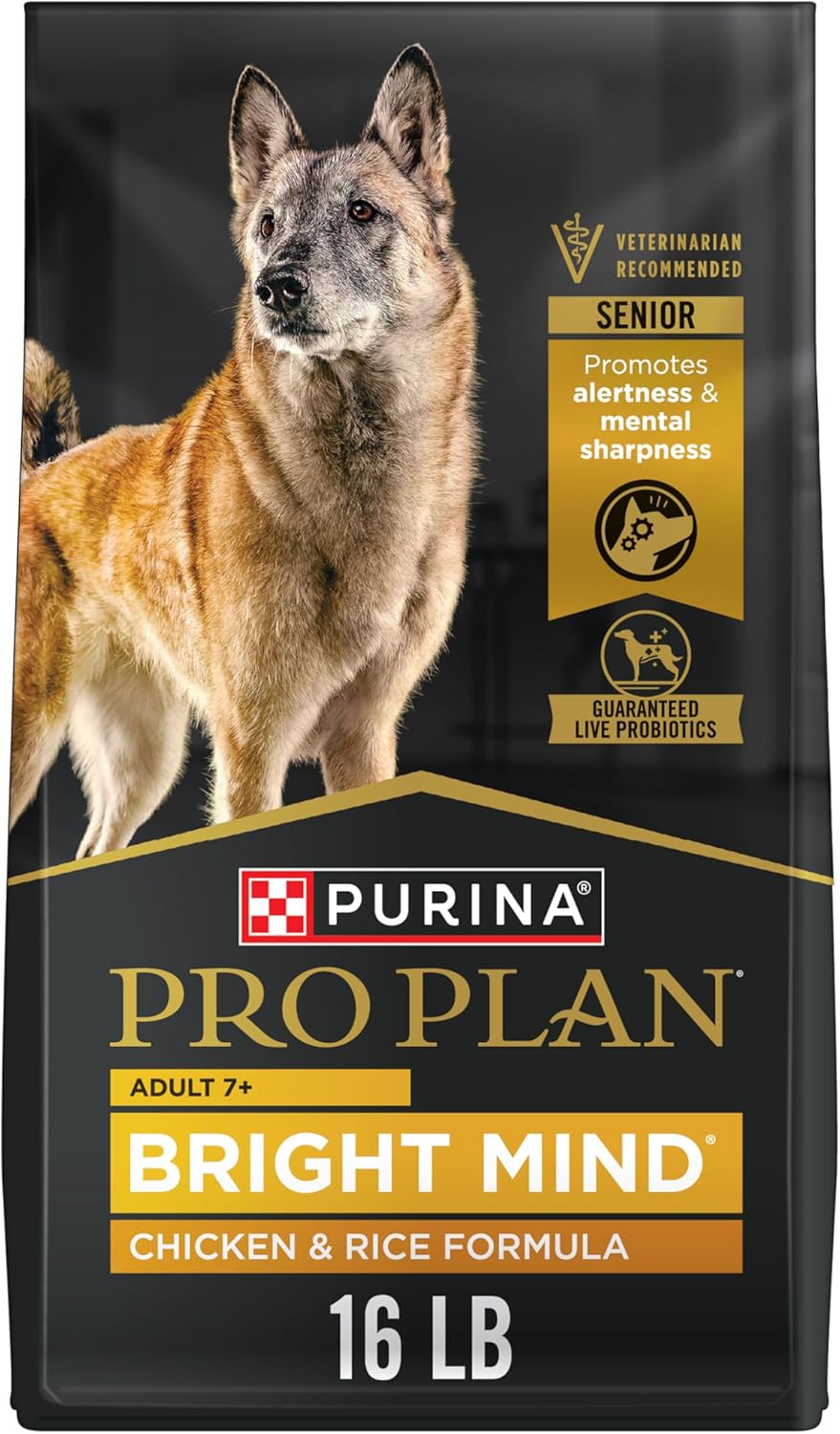
Purina Pro Plan Bright Mind Adult 7+ Senior Dog Food
Best for cognitive function: Enhanced with botanical oils shown to promote alertness and mental sharpness in dogs 7+ years.
Senior brain health benefits: Contains medium-chain triglycerides (MCTs) for cognitive support, high-quality protein for muscle maintenance, and omega-3 fatty acids.
Check Amazon PriceKey Ingredients for Senior Dog Health
The best senior dog foods contain specific nutrients to address age-related issues. Based on AAFCO standards and veterinary research, these ingredients are essential for older dog nutrition.
Joint Support Nutrients
Senior dog joint health requires specific nutrients to maintain mobility and comfort:
Essential Joint Support
Based on veterinary orthopedics research (acvs.org), senior dogs need:
- Glucosamine: 500-1000mg daily for cartilage support
- Chondroitin: 400-800mg daily for joint fluid health
- Omega-3 Fatty Acids: EPA/DHA for inflammation reduction
- MSM: Natural anti-inflammatory for joint comfort
- Hyaluronic Acid: For joint lubrication
- Green-lipped Mussel: Natural source of joint nutrients
- Turmeric/Curcumin: Natural anti-inflammatory properties
Cognitive Health Ingredients
Senior dog cognitive function can be supported with specific nutrients shown in studies to benefit brain health:
Brain Health Nutrients
Research from veterinary neurologists (acvim.org) shows these ingredients support cognitive function:
- Medium-Chain Triglycerides (MCTs): Provide alternative brain energy
- Antioxidants: Vitamins C, E, and selenium protect brain cells
- Phosphatidylserine: Supports cell membrane health
- Omega-3 DHA: Essential for brain structure and function
- B Vitamins: Support neurotransmitter production
- L-Carnitine: Supports mitochondrial function in brain cells
- Alpha-lipoic Acid: Potent antioxidant for neural protection
Weight Management Formula
Low Calorie
Royal Canin Size Health Nutrition Senior Consult
Best for weight management: Specifically formulated for senior dogs with weight concerns. Contains L-carnitine to support metabolism.
Senior weight control benefits: Reduced calorie density (315 kcal/cup), high fiber for satiety, balanced minerals for kidney support, and antioxidants for immune health.
Check Amazon Price
Senior Dog Weight Management
Weight control for senior dogs is crucial as obesity exacerbates arthritis, diabetes, and heart disease. According to the Association for Pet Obesity Prevention, 55% of dogs are overweight, with seniors at particular risk.
Calorie Control
Low-calorie senior dog food with 300-350 calories per cup helps prevent weight gain. Look for formulas with L-carnitine to support fat metabolism.
High Fiber Formulas
Senior dog food with fiber promotes satiety with fewer calories. Soluble fibers like beet pulp also support digestive health.
Lean Protein Sources
High-quality, lean protein maintains muscle mass during weight loss. Chicken, turkey, and fish provide essential amino acids without excess fat.
Portion Control
Measure food precisely and adjust based on body condition score. Senior dogs need 10-20% fewer calories than adults of the same weight.
How Much to Feed Senior Dogs
Senior dog portion sizes vary by weight, activity level, and health status. Use this senior dog feeding calculator as a starting point:
Senior Dog Feeding Guide
Feeding senior dogs by weight: 30-40 calories per pound daily for sedentary seniors, 40-50 calories per pound for active seniors. A 50-pound sedentary senior needs 1500-2000 calories daily. Always consult avma.org for professional guidance and adjust based on body condition score.
Top Senior Dog Foods for 2026
After extensive analysis of veterinary recommendations (acvn.org) and consumer reviews, here are our top recommendations for senior dogs in 2026:
Hill's Science Diet Senior Vitality
Clinically proven nutrition for energy, mobility, and alertness in senior dogs 7+ years.
Key Features:
- Enhanced with glucosamine
- Antioxidant blend
- High-quality protein
Purina Pro Plan Bright Mind
Enhanced with botanical oils shown to promote alertness and mental sharpness.
Key Features:
- Brain health nutrients
- High protein formula
- Omega-3 fatty acids
Royal Canin Senior Consult
Specifically formulated for senior dogs with weight concerns and reduced mobility.
Key Features:
- Reduced calorie density
- Joint support nutrients
- Kidney support minerals

Blue Buffalo Senior Dog Food
Natural senior dog food with LifeSource Bits for targeted nutrition.
Key Features:
- Glucosamine and chondroitin
- Controlled calories
- LifeSource Bits

Wellness Complete Senior
Holistic nutrition with all-natural ingredients, glucosamine, and probiotics.
Key Features:
- 100% natural ingredients
- Joint support complex
- Added probiotics
2026 Senior Dog Food Comparison Summary
Our selection process follows international standards from wsava.org Global Nutrition Guidelines.
| Senior Dog Food Brand | Protein % | Fat % | Calories/Cup | Glucosamine (mg/kg) |
|---|---|---|---|---|
| Hill's Science Diet Senior | 24% | 13% | 345 | 800 |
| Purina Pro Plan Bright Mind | 26% | 12% | 360 | 600 |
| Royal Canin Senior Consult | 22% | 10% | 315 | 750 |
| Blue Buffalo Senior | 23% | 11% | 330 | 700 |
| Wellness Complete Senior | 25% | 12% | 350 | 650 |
Note: Nutritional guidelines from aafco.org. Glucosamine amounts are approximate and vary by formula.

Senior Dog Food Comparison Table
| Senior Dog Food Brand | Primary Protein Source | Best For Senior Dogs With | Special Features | Price Range | Rating |
|---|---|---|---|---|---|
| Hill's Science Diet Senior Vitality | Chicken Meal | Overall senior health, energy, mobility | Clinically proven antioxidant blend | $$$ | 4.6/5 |
| Purina Pro Plan Bright Mind | Chicken | Cognitive support, mental sharpness | Enhanced with botanical oils | $$ | 4.5/5 |
| Royal Canin Senior Consult | Chicken by-product meal | Weight management, reduced mobility | Reduced calories, L-carnitine | $$$$ | 4.3/5 |
| Blue Buffalo Senior | Deboned Chicken | Natural nutrition, joint health | LifeSource Bits, glucosamine | $$$ | 4.4/5 |
| Wellness Complete Senior | Deboned Chicken | Holistic nutrition, digestive health | All-natural, probiotics | $$$ | 4.2/5 |
Important Considerations for Senior Dog Owners
Every senior dog has unique needs based on health status, breed, and individual aging process. Consider these factors when choosing senior dog food brands:
- Health Conditions: Dogs with kidney disease, diabetes, or heart issues need specialized diets
- Breed Size: Large and small breeds have different nutritional requirements
- Activity Level: Active seniors need more calories than sedentary dogs
- Dental Health: Dogs with dental issues may need softer kibble or wet food
- Budget: Higher price doesn't always mean better quality for your specific dog
Consult with your veterinarian (avma.org) before making significant dietary changes, especially if your dog has health issues.
Transitioning to Senior Dog Food
Follow this gradual transition plan over 10-14 days to prevent digestive upset in senior dogs:
25% New Food, 75% Old Food
Mix 1 part new senior dog food with 3 parts old food. Monitor for any digestive changes or refusal.
50% New Food, 50% Old Food
Equal parts old and new food. Senior dogs may be sensitive ensure they're eating and maintaining normal digestion.
75% New Food, 25% Old Food
Three parts new food to one part old. Watch energy levels, stool consistency, and appetite.
100% New Senior Dog Food
Complete transition. Continue monitoring weight, energy, and overall health. Adjust portions as needed.
Pro Tips for Senior Dog Feeding
- Warm the food slightly: Enhances aroma for dogs with reduced sense of smell
- Add water or broth: Makes food easier to chew and increases hydration
- Elevate food bowls: Reduces neck strain for dogs with arthritis
- Multiple small meals: Feed 2-3 smaller meals instead of one large meal
- Monitor water intake: Senior dogs dehydrate more easily
- Regular vet checkups: Senior dogs need biannual checkups (avma.org)
Final Recommendations
Choosing the right food for your senior dog is one of the most important decisions you'll make for their health and quality of life. Remember that senior dogs have unique nutritional requirements that deserve specialized attention. Invest in high-quality senior formulas, monitor weight carefully, and maintain regular veterinary checkups (avma.org). Your aging companion will reward you with more comfortable, active years! For additional senior dog care tips, explore our senior dog product recommendations.