Proper nutrition is the cornerstone of your dog's health, vitality, and longevity. Yet, with so much conflicting information and new research emerging, understanding dog nutrition in 2026 can feel overwhelming. This comprehensive guide breaks down everything you need to know about feeding your dog for optimal health, from essential nutrients to feeding schedules and life-stage considerations.
Whether you have a puppy, adult, or senior dog, this guide will help you make informed decisions about their diet. We will explore the six essential nutrient categories, discuss how to read dog food labels like a pro, and provide practical feeding strategies backed by the latest veterinary research.
The dog Nutrition Wheel: Essential Balance
Canine Diet
Based on AAFCO 2025 nutritional guidelines for adult maintenance
Table of Contents
- The 6 Essential Nutrient Categories for Dogs
- Complete Protein Guide: Quality, Quantity & Sources
- Carbohydrates & Fats: Energy and Health
- Vitamins & Minerals: Micronutrient Mastery
- Water & Fiber: The Often Overlooked Essentials
- Life Stage Nutrition: Puppy to Senior
- Optimal Feeding Schedule & Portion Control
- When to Consider Supplements
- Special Dietary Needs & Conditions
- 2026 Nutrition Trends & Future Directions
- Frequently Asked Questions

The 6 Essential Nutrient Categories for Dogs
Dogs require six essential nutrient categories to thrive. Understanding each category's role will help you evaluate your dog's current diet and make better choices:
1. Proteins
Building blocks for tissues, enzymes, hormones. Essential for growth, repair, immune function. Dogs need 22 amino acids, 10 of which are essential (must come from food). Quality matters more than quantity.
2. Carbohydrates
Primary energy source and fiber. While not strictly essential, they provide glucose for energy and fiber for digestive health. Whole grains, vegetables, and legumes are optimal sources.
3. Fats
Concentrated energy and essential fatty acids. Provide omega-3 and omega-6 for skin, coat, brain, and immune health. Also aid in vitamin absorption (fat-soluble vitamins A, D, E, K).
4. Vitamins
Essential for metabolic processes. Required in small amounts but crucial for everything from vision (A) to blood clotting (K). Both water-soluble (B, C) and fat-soluble (A, D, E, K) needed.
5. Minerals
Structural components and enzyme cofactors. Calcium/phosphorus for bones, iron for blood, zinc for skin. Must be balanced properly (excess can be as harmful as deficiency).
6. Water
The most critical nutrient. Makes up 60-70% of adult dog's body weight. Essential for every bodily function. Dogs need approximately 1 ounce per pound of body weight daily.
Did You Know?
Dogs can synthesize only 12 of the 22 amino acids they need. The remaining 10 essential amino acids must come from their diet. This is why high-quality animal protein is non-negotiable for canine health. Plant proteins often lack complete amino acid profiles.
Complete Protein Guide: Quality, Quantity & Sources
Protein is arguably the most critical nutrient for dogs. As facultative carnivores, dogs have evolved to thrive on animal-based proteins. Here is what you need to know about canine protein requirements in 2026:
Protein Requirements by Life Stage
| Life Stage | Minimum Protein* | Optimal Protein Range | Key Considerations |
|---|---|---|---|
| Puppies (Growth) | 22% | 25-32% | Higher for rapid growth, tissue development |
| Adult Maintenance | 18% | 20-30% | Varies by activity level, breed, health status |
| Performance/Working | 25% | 28-35% | Increased for muscle repair, energy |
| Senior Dogs | 18% | 22-28% | Higher quality, easily digestible protein |
| Reproduction | 22% | 25-32% | Increased for pregnancy/lactation |
*Minimum percentages based on dry matter basis (AAFCO 2025 guidelines)
Protein Quality: Biological Value Matters
Not all proteins are created equal. Biological Value (BV) measures how efficiently a protein can be used by the body. Higher BV means better utilization:
Protein Biological Value Comparison
| Protein Source | Biological Value | Digestibility | Best For |
|---|---|---|---|
| Egg (whole) | 100% (reference) | 98% | All dogs, especially sensitive systems |
| Fish (salmon) | 92% | 95% | Skin/coat health, allergies |
| Chicken (muscle) | 79% | 90% | General maintenance, active dogs |
| Beef (lean) | 78% | 88% | Energy, muscle maintenance |
| Lamb | 76% | 85% | Novel protein diets, allergies |
| Soy Protein | 74% | 75% | Vegetarian options (not recommended as primary) |
| Corn Gluten | 54% | 65% | Filler protein, low nutritional value |
Based on 2025 Journal of Animal Science dog nutrition research
High-Quality Protein Dog Food
34% Protein
Orijen Original Grain-Free Dry Dog Food
Biologically appropriate with 85% premium animal ingredients. Fresh chicken, turkey, fish, and eggs provide diverse protein sources with 34% protein content. WholePrey ingredients include meat, organs, and cartilage. Senior dogs may need adjusted protein levels.
Check Amazon PriceProtein Myths Debunked
Myth 1: "High protein causes kidney disease in healthy dogs." Fact: No evidence supports this in dogs with normal kidney function. High-quality protein doesn't harm healthy kidneys.
Myth 2: "Plant proteins are equivalent to animal proteins." Fact: Plant proteins often lack complete amino acid profiles and have lower digestibility for dogs.
Myth 3: "More protein always equals better." Fact: Excess protein is converted to energy or stored as fat. Balance and quality matter more than maximum quantity.
Carbohydrates & Fats: Energy and Health Balance

Carbohydrates: Energy Source and Beyond
While dogs have no strict carbohydrate requirement, they benefit from appropriate carbs for energy, fiber, and nutrient diversity. The glycemic index and fiber content are key considerations:
Excellent Carb Sources
- Sweet potatoes (low GI, high fiber)
- Brown rice (slow energy release)
- Oats (soluble fiber, gentle digestion)
- Barley (nutrient-rich, moderate GI)
- Pumpkin (high fiber, digestive health)
Poor Carb Sources
- Corn syrup (high GI, empty calories)
- White flour (refined, low nutrient)
- Sugar (dental issues, weight gain)
- Propylene glycol (preservative, potential toxicity)
- Excessive legumes (linked to DCM concerns)
Fats: Essential Fatty Acids and Energy Density
Fats provide concentrated energy (2.25x more than protein or carbs) and essential fatty acids. The omega-6 to omega-3 ratio is crucial for controlling inflammation:
Optimal Fatty Acid Ratio
Current research suggests an omega-6:omega-3 ratio between 5:1 and 10:1 is ideal for most dogs. Many commercial foods exceed 20:1, promoting inflammation. Look for foods with added fish oil, flaxseed, or algae sources to improve this ratio.
Essential Fat Sources and Benefits
| Fat Source | Omega-3 Content | Omega-6 Content | Primary Benefits |
|---|---|---|---|
| Fish Oil (salmon) | High (EPA/DHA) | Low | Anti-inflammatory, brain/eye health |
| Flaxseed Oil | High (ALA) | Moderate | Skin/coat, converts to EPA/DHA |
| Chicken Fat | Low | High | Energy, palatability |
| Coconut Oil | None | Low | Medium-chain triglycerides, energy |
| Algae Oil | High (DHA) | Low | Vegan DHA source, sustainability |
Vitamins & Minerals: Micronutrient Mastery
Vitamins and minerals are required in small amounts but play crucial roles in virtually every bodily function. Balance and bioavailability are key concepts in micronutrient nutrition:
Critical Vitamin & Mineral Interactions
Micronutrients don't work in isolation. They interact in complex ways that affect absorption and function:
| Nutrient | Primary Functions | Deficiency Signs | Synergistic Nutrients |
|---|---|---|---|
| Calcium | Bones, teeth, nerve function | Weak bones, tremors, seizures | Vitamin D, phosphorus (balanced ratio) |
| Vitamin D | Calcium absorption, immunity | Rickets, weak muscles | Calcium, magnesium |
| Zinc | Skin, immune, enzyme function | Hair loss, skin lesions, poor healing | Copper (balanced ratio) |
| Vitamin E | Antioxidant, cell protection | Muscle weakness, retinal damage | Selenium (potentiates effects) |
| B Vitamins | Energy metabolism, nerve function | Lethargy, anemia, neurological issues | Work as complex, not individually |
Source: 2025 National Research Council Nutrient Requirements of Dogs and Cats
Critical Mineral Ratios You Must Know
Minerals must be balanced properly. Imbalances can be as harmful as deficiencies:
Essential Mineral Ratios
- Calcium:Phosphorus: 1.2:1 to 2:1 (critical for growing puppies: 1.5:1)
- Zinc:Copper: 10:1 to 15:1
- Sodium:Potassium: Approximately 1:1 (varies by health status)
- Magnesium:Calcium: 1:2 to 1:3
These ratios are particularly important for homemade diets. Commercial foods meeting AAFCO standards should have appropriate balances.
Complete Vitamin & Mineral Supplement
Balanced Formula
Zesty Paws Multivitamin Bites
10-in-1 formula with vitamins, minerals, probiotics, and omegas. Specifically balanced for dogs with digestive enzymes and superfoods. According to the AVMA guidelines, supplements should complement, not replace, a balanced diet.
Check Amazon PriceWater & Fiber: The Often Overlooked Essentials
Water: The Most Critical Nutrient
Water comprises 60-70% of an adult dog's body weight and is involved in every physiological process. Dehydration of just 10-15% can be life-threatening.
Daily Water Requirements
| Dog Size | Weight Range | Daily Water Need | Key Considerations |
|---|---|---|---|
| Small | 5-20 lbs | 10-40 oz | Monitor closely, easy to dehydrate |
| Medium | 21-50 lbs | 40-100 oz | Standard requirements, vary by activity |
| Large | 51-90 lbs | 100-180 oz | Increased needs, especially in heat |
| Giant | 90+ lbs | 180+ oz | Constant access, monitor intake |
Formula: Approximately 1 ounce per pound of body weight daily. Increases with activity, heat, lactation, or certain health conditions.
Hydration Tips
- Always provide fresh, clean water in multiple locations
- Clean bowls daily to prevent bacterial growth
- Add water to dry food (let sit 10 minutes before serving)
- Consider a pet water fountain to encourage drinking
- Monitor urine color (pale yellow = well hydrated)
- During exercise/hot weather, offer water every 15-20 minutes
Fiber: Digestive Health and Beyond
Dietary fiber affects gastrointestinal health, weight management, and nutrient absorption. There are two main types:
Soluble Fiber
Dissolves in water, forms gel. Sources: oats, apples, carrots, psyllium. Benefits: regulates blood sugar, feeds beneficial gut bacteria (prebiotic), helps with diarrhea.
Insoluble Fiber
Doesn't dissolve, adds bulk. Sources: wheat bran, vegetables, whole grains. Benefits: promotes regular bowel movements, helps with constipation, may reduce colon cancer risk.
Optimal fiber content: Most dogs do well with 2-4% crude fiber in dry matter. Senior dogs or those with specific conditions may benefit from 5-8%. Always increase fiber gradually to avoid gastrointestinal upset.

Life Stage Nutrition: Puppy to Senior
Nutritional needs change significantly throughout a dog's life. Life-stage appropriate feeding is essential for optimal health:
Critical Growth Phase
- Higher protein: 25-32% for tissue development
- Balanced calcium: 1.5:1 Ca:P ratio for bones
- More frequent meals: 3-4 times daily
- DHA supplementation: For brain development
- Monitor growth rate: Prevent rapid growth issues
Maintenance Phase
- Moderate protein: 20-30% based on activity
- Weight management: Adjust calories for lifestyle
- Preventive nutrition: Antioxidants, joint support
- Dental health: Consider dental-formula foods
- Breed considerations: Size-specific formulations
Health Maintenance Phase
- High-quality protein: 22-28%, easily digestible
- Lower calories: Adjust for reduced activity
- Joint support: Glucosamine, chondroitin
- Cognitive support: Antioxidants, MCTs, DHA
- Kidney support: Controlled phosphorus
High Energy Demands
- Higher protein/fat: 28-35% protein, 18-25% fat
- Increased calories: 30-50% more than maintenance
- Electrolyte balance: Especially in heat/endurance
- Muscle recovery: Leucine, antioxidants
- Timing matters: Pre/post exercise nutrition
Case Study: Max's Life-Stage Transition
Max, a Golden Retriever, showed how proper life-stage nutrition can prevent common issues:
- Puppy phase (0-1 year): Fed large-breed puppy formula with controlled calcium (1.2:1 ratio). This prevented the rapid growth that often leads to joint problems in large breeds.
- Adult phase (1-6 years): Transitioned to active adult formula with 26% protein, 14% fat. Maintained ideal body condition score of 4/9 throughout.
- Senior transition (7 years): Switched to senior formula with joint supplements at first signs of stiffness. Added fish oil for inflammation control.
- Result at 10 years: Maintains good mobility, ideal weight, and shows no signs of common senior issues like cognitive decline or severe arthritis.
Max's story demonstrates the importance of proactive nutritional adjustments rather than waiting for problems to develop.
Optimal Feeding Schedule & Portion Control
How and when you feed can be as important as what you feed. Here is the science behind optimal canine feeding schedules:
Sample Feeding Schedule for Adult Dogs
Morning Meal (7:00 AM)
60% of daily ration for most dogs. Provides energy for the day. Wait 30-60 minutes before/after exercise to prevent bloat (especially in deep-chested breeds).
Midday Snack/Training (12:00 PM)
Optional for most dogs. Use for training or as a small meal for dogs prone to hypoglycemia or with medical conditions. Can be part of daily calorie allowance.
Evening Meal (6:00 PM)
40% of daily ration. Allows digestion before bedtime. For dogs with medical conditions like diabetes, may need different distribution (consult your vet).
Bedtime (10:00 PM)
Small snack if needed for dogs with medical conditions or puppies. For most healthy adults, no food after 8 PM helps maintain healthy weight and digestion.
Portion Control: The Key to Healthy Weight
Obesity affects over 50% of dogs and leads to numerous health problems. Accurate portion control is essential:
Calculating Daily Calories
Resting Energy Requirement (RER): = 70 × (body weight in kg)0.75
Daily Energy Requirement (DER): = RER × multiplier
- Neutered adult: RER × 1.6
- Intact adult: RER × 1.8
- Light work/active pet: RER × 2.0
- Moderate work: RER × 3.0
- Heavy work: RER × 4.0-8.0
- Weight loss: RER × 1.0 (for target weight)
Example: 20kg (44lb) neutered adult = 70 × 200.75 × 1.6 = ~800 kcal/day
Common Feeding Mistakes
- Free-feeding: Leads to obesity in most dogs. Measure all food.
- Following bag guidelines blindly: These are averages. Adjust for your dog's metabolism and activity.
- Not accounting for treats: Treats should be <10% of daily calories.
- Feeding by volume not weight: Cups vary. Use a kitchen scale for accuracy.
- Not adjusting for life changes: Reduce portions during decreased activity (winter, post-surgery).
Weight Management Formula
Low Calorie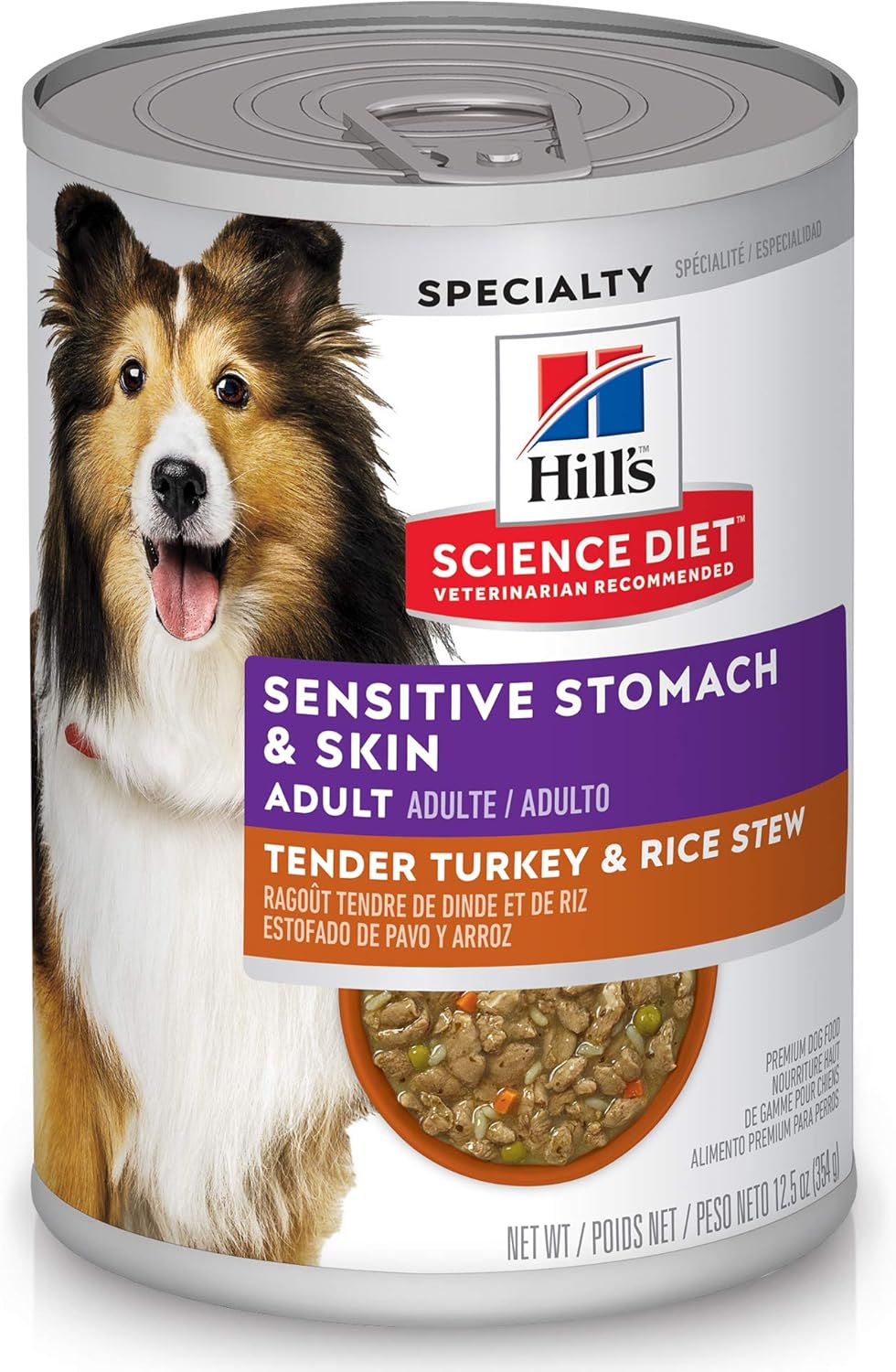
Hill's Science Diet Perfect Weight
Clinically proven for weight management with 19% less calories than leading adult maintenance brands. High fiber for satiety, L-carnitine to promote lean muscle. Research from AAHA shows that maintaining ideal weight can extend lifespan by up to 2 years.
Check Amazon PriceWhen to Consider Supplements
Content about supplements would go here...
Special Dietary Needs & Conditions
Content about special dietary needs would go here...
2026 Nutrition Trends & Future Directions
Content about future trends would go here...
Dog Nutrition FAQs 2026
How much protein does my dog really need?
Protein requirements vary by life stage, activity level, and health status. Most adult dogs need 18-25% protein on a dry matter basis, while puppies, pregnant/lactating dogs, and performance dogs need 25-35%. However, protein quality matters more than quantity. High biological value proteins (eggs, fish, muscle meat) are more efficiently used than lower quality proteins (plant proteins, by-products). Consult your veterinarian for personalized recommendations based on your dog's specific needs.
Are grain-free diets better for dogs?
Not necessarily. While some dogs with grain allergies benefit from grain-free diets, most dogs digest grains well. The FDA has investigated potential links between certain grain-free diets and canine dilated cardiomyopathy (DCM). Unless your dog has a diagnosed grain allergy, high-quality grains like brown rice, oats, and barley provide valuable nutrients and energy. Focus on overall diet quality rather than grain-free status.