The raw food diet for dogs, also known as the BARF (Biologically Appropriate Raw Food) diet, has gained significant popularity among pet owners seeking natural canine nutrition. This comprehensive 2026 raw feeding guide examines the science, benefits, risks, and practical implementation of raw dog food diets based on current veterinary research and nutritional standards.
This guide covers everything from commercial raw dog food options to homemade raw diet recipes, providing evidence-based information to help you make informed decisions about your dog's nutrition. For more general information, explore our dog nutrition basics guide or dog food types comparison.
Table of Contents

What is a Raw Food Diet for Dogs?
A raw food diet for dogs typically consists of uncooked meat, bones, organs, and sometimes vegetables and fruits. The BARF diet principles are based on the idea that dogs' digestive systems are designed to process raw foods similar to their wild ancestors.
- Muscle Meat: The foundation of any raw diet (chicken, beef, lamb, etc.)
- Raw Meaty Bones: Provide calcium and dental benefits
- Organ Meats: Liver, kidney, heart for essential vitamins and minerals
- Vegetables/Fruits: Optional additions for fiber and phytonutrients
- Supplements: May include fish oil, vitamin E, and probiotics
- No Grains/Legumes: Typically excludes these ingredients
- No Cooking/Processing: Foods are served raw or minimally processed
Different Types of Raw Dog Food Diets
There are several approaches to raw feeding for dogs, each with different philosophies and preparation methods:
Prey Model Diet
Mimics the whole prey animals dogs would eat in the wild. Includes meat, bones, organs in specific ratios. No plant matter included.
BARF Diet
Biologically Appropriate Raw Food includes 70% muscle meat, 10% raw edible bone, 10% vegetables/fruit, 5% liver, 5% other organ meats.
Commercial Raw
Pre-made frozen, freeze-dried, or dehydrated raw food from reputable brands. Convenient and nutritionally balanced.
Homemade Raw
Prepared at home using fresh ingredients. Requires careful planning to ensure nutritional balance.
Recommended Commercial Raw Food
Editor's Choice
Stella & Chewy's Freeze-Dried Raw Dinner Patties - Grain-Free Dog Food
Best for: Dogs of all ages and sizes. Top choice for convenient raw feeding.
Raw diet features: 95% meat, organs & bone, 100% complete & balanced nutrition, grain-free, includes probiotics for digestive health.
Check Amazon PriceRaw Diet Feeding Calculator
Most adult dogs need 2-3% of their body weight in raw food daily. Active dogs may need 3-4%, while less active or senior dogs may only need 1.5-2%. A 50-pound dog would need 1-1.5 pounds of raw food daily. Use our interactive dog food calculator for precise recommendations. Always consult with a veterinarian familiar with raw feeding (avma.org) before starting any new diet.
Benefits and Risks of Raw Feeding
Understanding both the benefits of raw food diet for dogs and raw food risks for dogs is crucial for making an informed decision about your pet's nutrition.
Potential Benefits
- Improved Dental Health: Raw meaty bones can reduce plaque and tartar
- Healthier Skin & Coat: Natural oils and nutrients may improve condition
- Smaller, Firmer Stools: Higher digestibility of raw proteins
- Increased Energy Levels: Reported by many raw feeders
- Reduced Allergies: Elimination of common allergens in processed foods
Potential Risks
- Bacterial Contamination: Salmonella, E. coli risks for pets and humans
- Nutritional Imbalances: Homemade diets may lack essential nutrients
- Bone Hazards: Cooked bones or inappropriate bones can cause injury
- Higher Cost: Quality raw diets are typically more expensive
- Zoonotic Disease Risk: Potential transmission of parasites/bacteria
Important Safety Warning
The FDA and AVMA have expressed concerns about raw pet food diets due to potential bacterial contamination risks. Immunocompromised individuals, young children, elderly, or pregnant women in households with raw-fed pets should take extra precautions. Always practice strict food safety measures when handling raw pet food.
High-Safety Raw Food Option
HPP Treated
Primal Pet Foods Frozen Raw Nuggets - HPP Treated for Safety
Best for safety-conscious owners: High Pressure Pasteurization (HPP) kills pathogens while preserving nutrients. Complete and balanced raw nutrition.
Safety features: HPP treated to eliminate harmful bacteria, human-grade ingredients, USDA-inspected facilities.
Check Amazon PriceCommercial vs. Homemade Raw Diets
Choosing between commercial raw dog food and homemade raw dog food involves considering time, cost, expertise, and safety factors.
| Factor | Commercial Raw Food | Homemade Raw Food |
|---|---|---|
| Convenience | High - ready to serve or minimal preparation | Low - requires sourcing, preparation, portioning |
| Cost | $$$ - Premium pricing for convenience & safety | $$ - Can be more affordable with bulk buying |
| Nutritional Balance | High - formulated to meet AAFCO standards | Variable - depends on recipe knowledge and execution |
| Safety | Higher - often includes pathogen reduction steps | Lower - depends on sourcing and handling practices |
| Customization | Limited - choose from available formulas | High - complete control over ingredients |
Types of Commercial Raw Dog Food
Understanding different commercial raw food formats helps choose what works best for your lifestyle:
Frozen Raw Food
Frozen raw dog food is closest to fresh raw food, typically sold as patties, nuggets, or chubs. Must be thawed before feeding. Offers maximum freshness but requires freezer space and thawing time. Brands like Primal, Stella & Chewy's, and Northwest Naturals are popular options.
Freeze-Dried Raw Food
Freeze-dried raw dog food undergoes a dehydration process that removes moisture while preserving nutrients. Lightweight, shelf-stable, and convenient for travel or storage. Simply rehydrate with water before serving. Brands like Stella & Chewy's, Vital Essentials, and Instinct offer quality options.
Dehydrated Raw Food
Dehydrated raw dog food uses low heat to remove moisture. Longer shelf life than frozen but requires rehydration. Less processed than kibble but more than freeze-dried options. Brands like The Honest Kitchen and Sojos are well-known in this category.

Creating Balanced Raw Food Recipes
If preparing homemade raw dog food, achieving proper nutritional balance is essential. Follow these guidelines based on recommendations from veterinary nutritionists (acvn.org).
Basic Raw Diet Ratios
A balanced homemade raw diet for dogs typically follows these approximate ratios:
- 70-80% Muscle Meat: Chicken, beef, lamb, turkey, fish
- 10% Raw Edible Bone: Chicken necks, wings, backs (never cooked bones)
- 5% Liver: Essential vitamin A source
- 5% Other Organs: Kidney, spleen, pancreas, brain
- 0-10% Vegetables/Fruits (optional): Pureed for digestibility
Essential Supplements for Raw Diets
Even with careful planning, homemade raw diets often require supplements to ensure complete nutrition:
Omega-3 Fatty Acids
Fish oil or algal oil provides EPA and DHA for skin, coat, joint, and brain health. Essential for dogs not eating whole fish regularly.
Vitamin E
Raw diets high in polyunsaturated fats increase vitamin E requirements. Prevents vitamin E deficiency and supports immune function.
Iodine Source
Kelp powder or iodized salt provides essential iodine for thyroid function. Often lacking in land-animal-based raw diets.
Probiotics
Support digestive health during diet transitions. Especially important when switching from processed to raw foods.
Complete Raw Meal Mix
Easy Homemade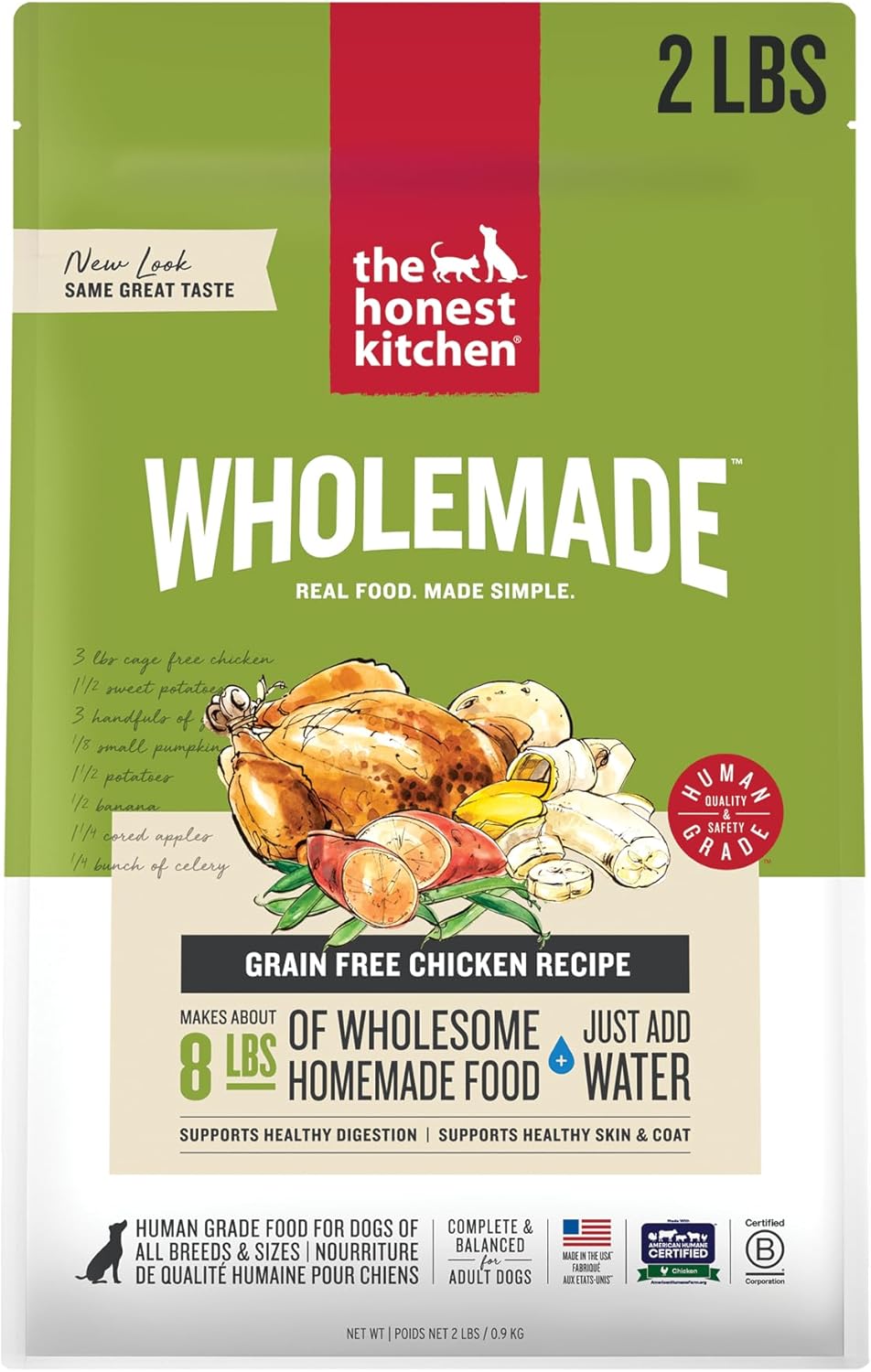
Sojos Complete Raw Dog Food Mix - Just Add Meat
Perfect for homemade raw beginners: Dehydrated raw base mix that you combine with fresh meat. Takes the guesswork out of balancing homemade raw diets.
Benefits: Provides balanced nutrition, includes probiotics, made in USA, grain-free and gluten-free.
Check Amazon PriceTransitioning to a Raw Food Diet
Proper transition is crucial when switching to raw food for dogs. Follow this gradual plan over 10-14 days to minimize digestive upset:
25% Raw, 75% Current Food
Introduce a small amount of raw food mixed with current diet. Start with a single protein source, preferably something similar to what your dog already eats.
50% Raw, 50% Current Food
Gradually increase raw portion. Monitor stool consistency and overall energy levels. Some dogs may experience temporary digestive changes.
75% Raw, 25% Current Food
Most dogs should be adjusting well by this point. Continue monitoring and consider adding probiotic support if needed.
100% Raw Food Diet
Complete transition. Continue to introduce variety by rotating protein sources every few weeks for balanced nutrition.
Detox Period Warning
Some dogs experience a "detox period" when transitioning to raw food, which may include temporary symptoms like:
- Lethargy or increased energy (varies by individual)
- Skin eruptions or itchiness (usually temporary)
- Eye or ear discharge (body eliminating toxins)
- Changes in stool (may be looser initially)
symptoms typically resolve within 2-4 weeks. However, if symptoms persist or worsen, consult your veterinarian immediately.
Top Raw Dog Food Brands for 2026
Based on extensive research, customer reviews, and veterinary input (acvn.org), here are our top recommendations for commercial raw dog food in 2026:
Stella & Chewy's Freeze-Dried Raw
Premium freeze-dried raw food with 95% meat, organs & bone. Grain-free, includes probiotics, and 100% complete nutrition.
Key Features:
- Freeze-dried for convenience
- Includes probiotics & antioxidants
- Grain-free & gluten-free

Primal Pet Foods Frozen Raw
HPP-treated frozen raw nuggets for maximum safety. Human-grade ingredients, complete nutrition, and various protein options.
Key Features:
- HPP treated for pathogen reduction
- Human-grade ingredients
- USDA-inspected facilities
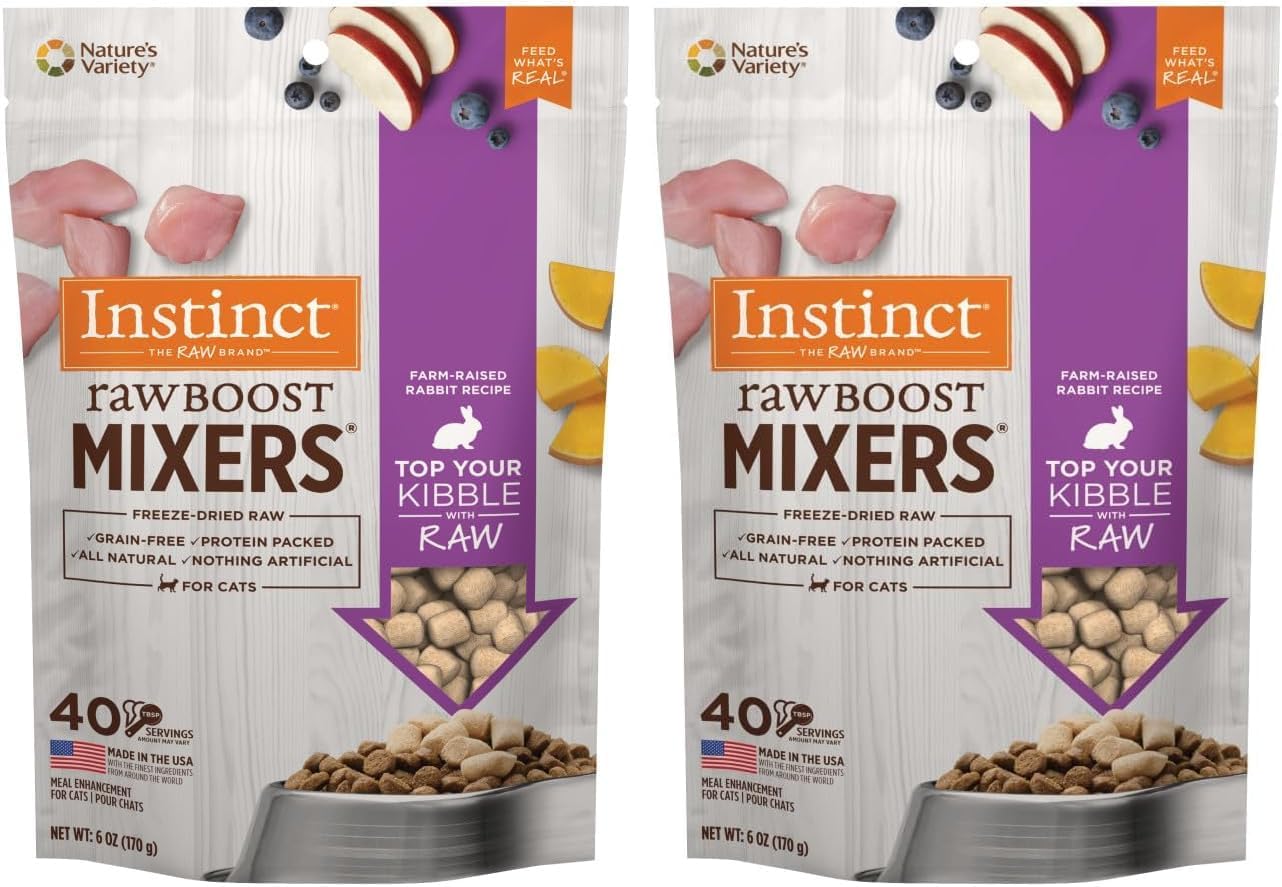
Instinct Raw Boost Mixers
Freeze-dried raw food toppers to enhance kibble or canned food. Perfect for introducing raw benefits gradually.
Key Features:
- Great for gradual transition
- No artificial colors/preservatives
- Made in USA

Vital Essentials Freeze-Dried
Minimally processed freeze-dried raw food with single-source proteins. No synthetic vitamins or minerals added.
Key Features:
- Single-source proteins
- No synthetic additives
- Minimal processing

The Honest Kitchen Dehydrated
Human-grade dehydrated raw food. Just add water to rehydrate. Complete and balanced nutrition with whole food ingredients.
Key Features:
- Human-grade ingredients
- Dehydrated for convenience
- Whole food nutrition
Raw Dog Food Comparison Table 2026
| Raw Dog Food Brand | Type | Primary Protein | Key Feature | Price/Lb | Rating |
|---|---|---|---|---|---|
| Stella & Chewy's | Freeze-Dried | Chicken, Beef, Lamb | Includes probiotics & antioxidants | $$$$ | 4.6/5 |
| Primal Pet Foods | Frozen (HPP) | Chicken, Turkey, Duck | HPP treated for safety | $$$$ | 4.5/5 |
| Instinct Raw Boost | Freeze-Dried Mixer | Chicken, Beef | Perfect food topper | $$$ | 4.3/5 |
| Vital Essentials | Freeze-Dried | Single Protein Options | Minimal processing | $$$$ | 4.4/5 |
| The Honest Kitchen | Dehydrated | Chicken, Beef, Fish | Human-grade ingredients | $$$ | 4.2/5 |
Essential Safety Tips for Raw Feeding
Following proper raw food safety for dogs protocols protects both your pet and your household from potential health risks.
Handling & Preparation
- Wash hands thoroughly before and after handling raw food
- Use separate cutting boards and utensils for pet food
- Clean and disinfect all surfaces after preparation
- Thaw frozen raw food in refrigerator, not on counter
- Discard uneaten food after 20-30 minutes
Bone Safety
- Never feed cooked bones (can splinter and cause injury)
- Choose appropriately sized bones for your dog
- Supervise all bone chewing sessions
- Remove bones when they become small enough to swallow
- Grind bones for small dogs or dogs new to raw feeding
Health Monitoring
- Regular veterinary checkups and fecal tests for parasites
- Monitor weight and body condition score monthly
- Watch for signs of nutritional imbalance
- Consider regular bloodwork to monitor organ function
- Be alert to any changes in energy, coat, or digestion
Household Safety
- Keep raw food away from human food preparation areas
- Prevent children from handling raw pet food
- Clean dog bowls immediately after feeding
- Consider immune-compromised household members
- Store raw food properly in sealed containers
Final Recommendations
The decision to feed a raw food diet for dogs requires careful consideration of your dog's individual needs, your lifestyle, and your commitment to food safety. While many dogs thrive on properly balanced raw diets, it's not the right choice for every dog or household. Start slowly, educate yourself thoroughly, and consult with a veterinarian experienced in raw feeding (avma.org). Whether you choose commercial raw or homemade, prioritize balance, variety, and safety above all. For additional resources, explore our dog nutrition resources page.