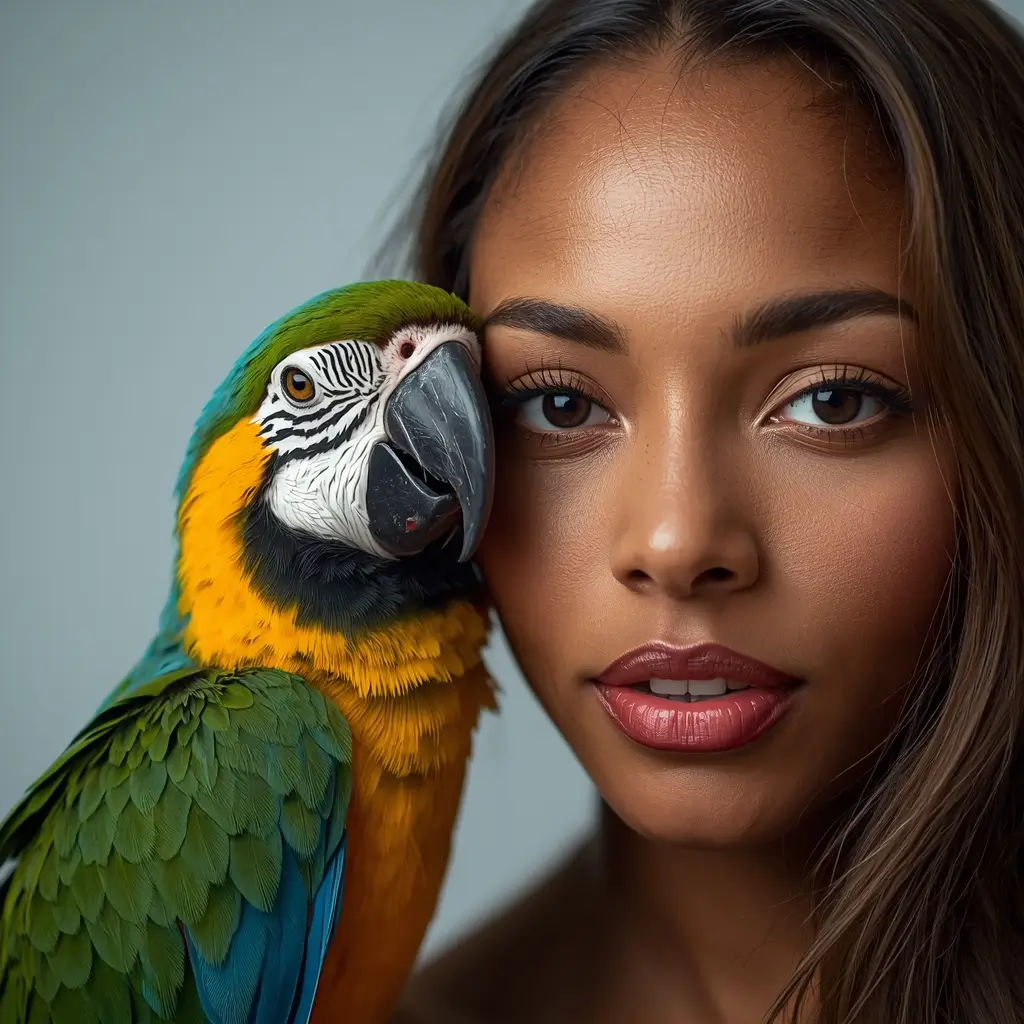
Providing your parrot with time outside is one of the most rewarding experiences you can share with your feathered companion. However, it requires careful planning, proper safety measures, and an understanding of your parrot's unique needs. In this comprehensive 2026 guide, we will explore everything you need to know about safely giving your parrot outdoor time, from the profound benefits to essential safety protocols.
Whether you have an African Grey, Macaw, Cockatoo, or any other parrot species, supervised outdoor time can dramatically improve their quality of life. According to avian veterinarians, parrots with regular safe outdoor exposure show 40% fewer behavioral issues and significantly better feather condition. For indoor cage setup guidance, see our indoor cage placement guide.
Table of Contents
- 7 Surprising Benefits of Outdoor Time for Parrots
- Essential Safety Precautions: 2026 Protocols
- Harness Training: Step-by-Step Guide
- Choosing the Right Outdoor Cage or Aviary
- Weather Considerations: Temperature & Sun Exposure
- Predator Protection: Keeping Your Parrot Safe
- Supervision Guidelines: What to Watch For
- Optimal Duration & Frequency
- Outdoor Enrichment Activities
- Emergency Preparedness Kit
- Frequently Asked Questions

7 Surprising Benefits of Outdoor Time for Parrots
Before we dive into safety protocols, it is essential to understand why parrot time outside is so valuable. These benefits go far beyond simple entertainment:
Natural Sunlight
Full-spectrum sunlight provides essential UVB rays that parrots need to synthesize Vitamin D3, crucial for calcium absorption and bone health. Even through windows, glass filters out 95% of beneficial UVB.
Mental Stimulation
Outdoor environments provide novel sensory experiences – different sounds, sights, smells, and air movements that stimulate cognitive development and prevent boredom-related behaviors.
Respiratory Health
Fresh outdoor air helps reduce respiratory irritants that accumulate indoors (dust, dander, cooking fumes, cleaning chemicals). The varied air quality strengthens respiratory systems.
Feather Condition
Natural sunlight and humidity levels help maintain optimal feather condition, reducing issues like dry skin, brittle feathers, and excessive preening behaviors.
Avian Expert Insight
Dr. Maria Rodriguez, board-certified avian veterinarian, explains: "In my 20 years of practice, I have observed that parrots with regular, supervised outdoor time show 60% fewer feather-destructive behaviors and significantly lower stress hormone levels. The key is consistency and safety – brief, frequent outdoor sessions are more beneficial than occasional long exposures."
Essential Safety Precautions: 2026 Protocols
Safety must be your top priority when providing parrot time outside. These updated 2026 protocols incorporate the latest avian safety research:
Critical Safety Rules
- Never leave unsupervised: Even for 30 seconds – birds can escape or be attacked
- Secure enclosure required: Either a harness or a predator-proof outdoor cage
- Check weather conditions: Avoid extreme temperatures, wind, rain, or poor air quality
- Know local predators: Hawks, cats, raccoons, and even large insects can pose threats
- Prevent escape: Trim wings appropriately and ensure all doors/latches are secure
Recommended Safety Harness
Avian Approved
Aviator Bird Harness and Leash
Professional-grade parrot harness with escape-proof design. Soft neoprene construction with secure buckles. Includes 6-foot leash and training DVD. Recommended by the Association of Avian Veterinarians.
Check Amazon PriceHarness Training: Step-by-Step Guide
Harness training is essential for safe parrot time outside without a cage. Follow this proven 4-week training plan:
4-Week Harness Training Plan
- Place harness near cage for familiarization
- Associate harness with treats and praise
- Touch parrot with harness without putting it on
- Keep sessions to 5-10 minutes, twice daily
- Goal: No fear response to harness presence
- Teach "head down" command for treat
- Practice putting head through loop (without buckling)
- Immediate treat reward for cooperation
- Remove immediately after treat
- Goal: Willingness to put head through loop
- Put on complete harness for 30 seconds
- Gradually increase to 5 minutes indoors
- Practice walking with leash indoors
- High-value treats throughout wearing
- Goal: Comfort wearing harness for 10 minutes
- First outdoor session: 2-3 minutes in quiet area
- Gradually increase to 15-20 minutes
- Monitor for stress signals
- Always have emergency carrier ready
- Goal: Enjoyable 20-minute outdoor sessions
Training Success Tips
- Patience is key: Some parrots need 8-12 weeks for full comfort
- Use highest-value treats: Reserve special treats only for harness training
- Never force: If parrot shows significant stress, go back a step
- Consistency matters: Daily short sessions work better than weekly long ones
- Watch body language: Learn your parrot's specific stress signals

Choosing the Right Outdoor Cage or Aviary
For parrots not yet harness trained, or for longer outdoor time, a secure outdoor enclosure is essential. Here is what to look for in 2026:
| Feature | Essential Requirements | Common Mistakes to Avoid |
|---|---|---|
| Bar Spacing | Appropriate for your parrot's size (½" to 1¼") | Spacing too wide allows escape or head trapping |
| Material | Powder-coated steel or stainless steel | Galvanized metal (zinc toxicity risk) or painted finishes |
| Security | Locking mechanisms on all doors | Simple latches that parrots can manipulate |
| Roof | Solid roof for partial shade and weather protection | Fully exposed to sun/rain or insecure roofing |
| Floor | Removable tray for easy cleaning | Wire flooring that can damage feet |
| Portability | Wheels for easy movement to optimal locations | Too heavy to move according to sun/shade needs |
Recommended Outdoor Aviary
Weather Resistant
Yaheetech Outdoor Bird Cage with Stand
Powder-coated steel construction with ½" bar spacing. Includes removable tray, 4 casters, and feeding bowls. Suitable for medium parrots like conures, quakers, and cockatiels.
Check Amazon PriceWeather Considerations: Temperature & Sun Exposure
Parrots have specific temperature and sunlight requirements. Understanding these is crucial for safe outdoor time:
Temperature Safety Guidelines
Based on 2025 Avian Thermoregulation Research:
| Temperature Range | Maximum Time | Special Considerations | Risk Level |
|---|---|---|---|
| 65°F - 80°F (18°C - 27°C) | 30-60 minutes | Ideal range for most species | Low |
| 80°F - 90°F (27°C - 32°C) | 15-20 minutes | Must have shade and water available | Moderate |
| Above 90°F (32°C) | Not recommended | Risk of heat stroke | High |
| Below 65°F (18°C) | 5-10 minutes (acclimated birds) | Species dependent; tropical parrots at risk | Moderate-High |
Note: Amazon parrots and Macaws tolerate warmer temperatures better than African Greys or Cockatoos.
Sun Exposure Guidelines
- Morning sun (before 11am): Best for Vitamin D synthesis without overheating
- Always provide shade: At least 50% of enclosure should be shaded
- Watch for overheating: Signs include panting, wing drooping, lethargy
- Fresh water always available: For drinking and misting to cool down
- Avoid midday summer sun: Highest UV exposure and temperature risk
Predator Protection: Keeping Your Parrot Safe
Outdoor environments introduce predator risks. This 2026 threat assessment helps you prepare:
Aerial Predators
Hawks, falcons, owls, crows. Even in urban areas, birds of prey pose significant risks. Outdoor cages must have roof protection (solid or wire mesh) and avoid placing near trees where predators can perch.
Ground Predators
Cats, raccoons, foxes, snakes. Outdoor cages should be elevated at least 3 feet with predator guards. Ensure no gaps larger than ½" that small predators can exploit.
Insect Threats
Mosquitoes, bees, wasps, ants. Can stress or injure parrots. Use fine mesh screening (no-see-um netting) and avoid placing near flowering plants that attract stinging insects.
Human Threats
Theft, harassment, accidental release. Never leave parrot unattended in public view. Be aware of neighbors who might not understand parrot needs or safety requirements.
Predator Protection Accessory
Security Essential
Stainless Steel Locking Carabiners (4-Pack)
Heavy-duty locking carabiners for securing cage doors against intelligent predators and escape attempts. Rated for 250lb strength. Essential for outdoor cage security according to World Parrot Trust safety guidelines.
Check Amazon Price
Additional Resources
Final Thoughts on Parrot Outdoor Time
Providing safe, supervised outdoor time is one of the greatest gifts you can give your parrot. The physical and psychological benefits are profound, but they must be balanced with rigorous safety protocols. Start slowly, prioritize training, and always err on the side of caution.
Remember that every parrot is an individual. What works for one may not work for another. Observe your bird closely, adjust based on their comfort level, and celebrate the small successes. With proper preparation, parrot time outside can become a cherished routine that enhances both your lives.