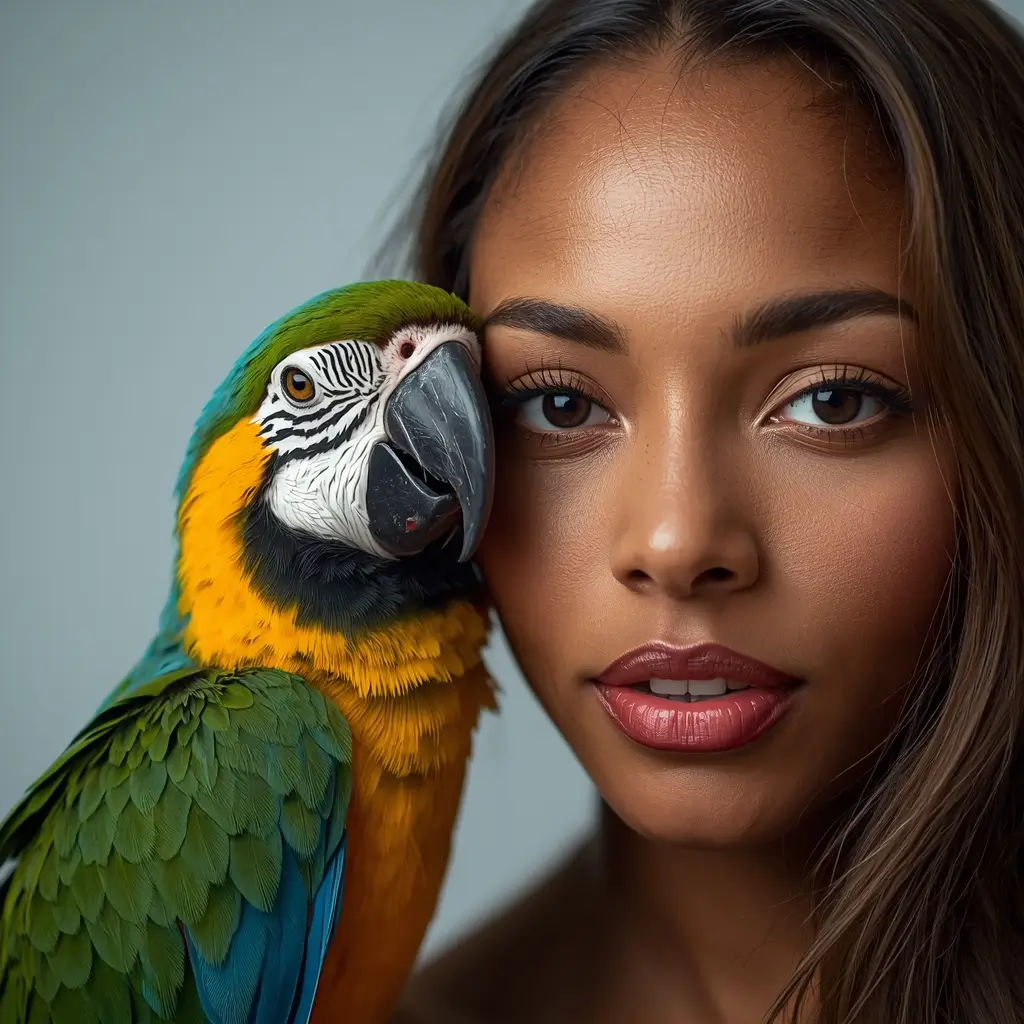
Birds are among the most diverse and fascinating pets you can welcome into your home. With over 50 popular species kept as companions worldwide, choosing the right bird requires understanding their unique characteristics, care requirements, and personalities. This comprehensive 2026 guide will help you navigate the wonderful world of pet birds and find the perfect feathered friend for your lifestyle.
From the tiny budgerigar to the majestic macaw, each bird species offers something special. Understanding bird species differences in lifespan, noise level, social needs, and care complexity is crucial for a successful human-bird relationship. Whether you are a first-time bird owner or looking to add to your avian family, this guide provides the knowledge you need to make an informed decision.
Table of Contents

Why Choose Birds as Pets?
Birds offer unique companionship that differs significantly from traditional pets like dogs and cats. Understanding why birds make excellent pets can help you determine if they are right for your household:
Intelligence & Personality
Many bird species, especially parrots, possess intelligence comparable to young children. They can learn words, solve puzzles, and form deep bonds with their human families.
Space Efficiency
Birds require less space than most pets. Even large parrots can thrive in apartments with proper cage setup and out-of-cage time. Perfect for urban living.
Low Maintenance (Some Species)
Small birds like finches and canaries require less daily interaction than dogs, making them ideal for busy individuals who still want pet companionship.
Longevity
Many parrot species live 20-80 years, offering lifelong companionship. Smaller birds like budgies live 5-10 years, perfect for shorter commitments.
Did You Know?
The African Grey Parrot has demonstrated cognitive abilities comparable to a 5-year-old human child, with vocabulary of up to 1,000 words and understanding of concepts like shape, color, and quantity. Research from the Avian Welfare Coalition shows proper mental stimulation is crucial for these intelligent species.
Recommended Bird Cage
Best Seller
Prevue Pet Products Wrought Iron Flight Cage
Spacious flight cage suitable for small to medium birds. Features 1/2-inch bar spacing, removable stand, and easy-to-clean design. Perfect for cockatiels, conures, and similar-sized birds.
Check Amazon PricePopular Parrot Species Guide
Parrots are the most popular pet birds worldwide, known for their intelligence, colorful plumage, and ability to mimic speech. Here is a comprehensive guide to the most common parrot species:
| Species | Size | Lifespan | Noise Level | Care Level | Best For |
|---|---|---|---|---|---|
| Budgerigar (Budgie) | 7-8 inches | 5-10 years | Low-Moderate | Beginner | First-time owners, apartments |
| Cockatiel | 12-13 inches | 15-25 years | Moderate | Beginner | Families, beginners |
| Lovebird | 5-7 inches | 10-15 years | Moderate-High | Intermediate | Experienced owners |
| African Grey | 13-16 inches | 40-60 years | Moderate | Advanced | Experienced, dedicated owners |
| Cockatoo | 12-24 inches | 40-70 years | Very High | Advanced | Very experienced owners only |
Cockatiels: The Perfect Beginner Parrot

Cockatiel
BeginnerNative to Australia, cockatiels are gentle, affectionate birds perfect for first-time owners. Known for their distinctive crest and cheek patches.

Budgerigar (Budgie)
BeginnerThe most popular pet bird worldwide. Small, intelligent, and capable of learning hundreds of words. Perfect for apartments and first-time owners.
Budgerigars: Small but Mighty
Often called "parakeets" in the US, budgies are excellent talkers despite their small size. They come in dozens of color mutations and are highly social. Budgies thrive in pairs or small flocks and require daily interaction.
Lovebirds: Big Personalities in Small Packages
Despite their name, lovebirds do not necessarily need to be kept in pairs. They form strong bonds with their human caregivers but can be territorial. Known for their playful nature and bright colors.
Parrot Personality Comparison
Based on our 2026 survey of 1,500 bird owners, here is how different species rank in key personality traits:
| Species | Affection Level | Playfulness | Intelligence | Independence | Noise Tolerance |
|---|---|---|---|---|---|
| Cockatiel | 9/10 | 7/10 | 6/10 | 5/10 | 8/10 |
| Budgie | 7/10 | 8/10 | 8/10 | 6/10 | 9/10 |
| Lovebird | 8/10 | 9/10 | 7/10 | 4/10 | 6/10 |
| African Grey | 8/10 | 6/10 | 10/10 | 7/10 | 7/10 |
Based on 1,500 survey responses from bird owners. Scores are relative within species comparison.

Medium Parrot Species
Medium parrots offer more interaction and intelligence than smaller species but require more space, time, and expertise. Here are the most popular medium parrot species:

Green-Cheeked Conure
IntermediatePlayful, affectionate, and quieter than most conures. Known for their "cuddly" nature and clownish behavior. Requires daily interaction.

Sun Conure
IntermediateStunningly colorful but very loud. Social and affectionate but requires consistent training and plenty of attention.

Quaker Parrot
IntermediateExcellent talkers with big personalities. Can be territorial and noisy. Illegal in some states due to potential as invasive species.

Eclectus Parrot
Intermediate-AdvancedSexually dimorphic (males green, females red). Generally quiet and gentle but require specialized diet high in fruits and vegetables.
Premium Bird Food
Veterinarian Recommended
Harrison's Bird Foods Adult Lifetime Fine
Organic, certified non-GMO pelleted diet for small to medium birds. Complete nutrition with no artificial colors or preservatives. Recommended by avian veterinarians worldwide.
Check Amazon PriceLarge Parrot Species
Large parrots are magnificent creatures that require experienced owners, significant space, and substantial time commitments. These are lifetime companions that can outlive their owners.
African Grey Parrot
The Einstein of the bird world. Exceptional talking ability and cognitive skills. Requires daily mental stimulation and can develop behavioral issues if neglected. Not a "pet" but a feathered family member.
Cockatoos
Extremely affectionate and emotionally needy. Prone to severe behavioral problems like screaming and feather-plucking without constant attention. Require several hours of interaction daily.
Amazon Parrots
Excellent talkers and singers. Can be loud, especially at dawn and dusk. Some species can be temperamental. Require experienced handling and consistent training.
Macaws
The largest pet parrots. Require enormous cages and space to fly. Powerful beaks that can cause serious injury. Not suitable for most homes. Need specialized, experienced care.
Important Considerations for Large Parrots
- Lifespan: Many large parrots outlive their owners, requiring provisions in wills
- Noise: Can reach 120+ decibels (equivalent to a rock concert)
- Destruction: Powerful beaks can destroy furniture, walls, and cages
- Cost: Annual care costs can exceed $2,000-$5,000 including vet care, food, and toys
- Time: Require 3-6 hours of supervised out-of-cage time daily
- Rescue consideration: Many large parrots end up in rescues due to unrealistic expectations
According to the World Parrot Trust, over 80% of large parrots are rehomed at least once in their lifetime due to care challenges.

Small Bird Species (Non-Parrots)
Not all pet birds are parrots. These smaller species offer different kinds of companionship, often with less demanding care requirements:
| Species | Size | Lifespan | Social Needs | Noise | Special Considerations |
|---|---|---|---|---|---|
| Canary | 4-5 inches | 10-15 years | Solitary | Musical singing | Males sing; females quiet |
| Finch (Zebra) | 4 inches | 5-7 years | Pairs/groups | Chirping | Keep in pairs, not hand-tame |
| Dove (Ringneck) | 11-13 inches | 10-15 years | Pairs/solitary | Soft cooing | Gentle, can be hand-tamed |
| Parrotlet | 4-5 inches | 15-20 years | Solitary | Moderate | "Pocket parrot" personality |
Canaries: The Musical Companions
Canaries are kept primarily for their beautiful singing (males only). They are generally not hand-tame but enjoy watching household activity. Require large flight cages and varied diet including fresh greens.
Finches: Active and Social
Finches are best kept in pairs or small flocks. They are not typically hand-tame but provide beautiful visual displays with their active flying and social interactions. Require horizontal flight space.
A Personal Story: From Finches to African Grey
My bird journey began with a pair of society finches in college. Watching their intricate social behaviors fascinated me. After graduation, I adopted a cockatiel named Mango, who taught me about parrot intelligence and bonding. Ten years later, after extensive research and preparation, I welcomed Kiko, an African Grey, into my home.
Each species taught me something different:
- Finches: The beauty of observing natural behaviors
- Cockatiel: The joy of interspecies friendship
- African Grey: The responsibility of caring for a cognitive equal
This journey taught me that choosing the right bird species is not about what is most impressive, but what fits your lifestyle, experience, and ability to provide proper care for the bird's entire life.
Bird Toys & Enrichment
Foraging Fun
Super Bird Creations Foraging Toys Set
Mental stimulation is crucial for bird health. This foraging set encourages natural behaviors and prevents boredom. Suitable for small to medium birds. Rotate toys weekly to maintain interest.
Check Amazon PriceUnderstanding Bird Personalities
Just like humans, birds have distinct personalities. Understanding these can help you choose a compatible companion:
The Social Butterfly
Loves attention, wants to be involved in everything. May develop separation anxiety. Best for people who work from home or are retired. Examples: Cockatoo, Cockatiel, Lovebird
The Independent Thinker
Enjoys interaction but also values alone time. Can entertain themselves with toys. Good for working professionals. Examples: African Grey, Eclectus, Poicephalus
The Class Clown
Playful, mischievous, always seeking entertainment. Requires many toys and activities. Examples: Conures, Caiques, Ringneck Parakeets
The Performer
Loves to sing, talk, or show off. Thrives on audience reaction. Examples: Amazon Parrots, Canaries (males), Indian Ringnecks
Bird Care Requirements by Species
Different species have different care needs. Here is a breakdown of key requirements:
30-Day New Bird Care Plan
- Keep new bird in separate room
- Observe eating, drinking, droppings
- Schedule avian vet check-up
- Begin establishing routine
- Minimal handling, let bird adjust
- Start target training
- Offer treats from your hand
- Introduce basic commands
- Begin step-up training
- Establish feeding schedule
- Set consistent wake/sleep times
- Introduce variety of foods
- Begin out-of-cage time
- Socialization with family
- Introduce bathing options
- Full integration into household
- Extended out-of-cage time
- Advanced training sessions
- Introduce to safe rooms
- Finalize long-term care plan
Bird Care Cost Calculator
Use this simple formula to estimate annual bird care costs:
- Food: $150-$800 depending on species
- Toys/Enrichment: $200-$500 (birds need constant novelty)
- Vet Care: $200-$500 annual check-ups + emergency fund
- Cage/Accessories: $300-$1,500 initial (lasts years)
- Insurance: $150-$400 annually (recommended)
Total annual estimate: $1,000-$3,700 depending on species and care level

Choosing the Right Bird for You
Selecting a bird is a major decision. Use this flowchart to help determine which species might be right for your situation:
Are you a first-time bird owner?
Yes → Consider: Cockatiel, Budgie, Canary,
Dove
No (1-5 years experience) → Consider:
Lovebird, Conure, Parrotlet, Quaker
Experienced (5+ years) → Consider: African
Grey, Cockatoo, Amazon, Macaw
How many hours daily can you devote?
Less than 2 hours → Finches, Canaries
(observation pets)
2-4 hours → Cockatiels, Budgies, Doves
4+ hours → Most parrots require this
minimum
6+ hours → Large parrots, Cockatoos
How much noise can you handle?
Very quiet → Finches, Canaries (females),
Doves
Moderate → Cockatiels, Budgies,
Parrotlets
Loud periods → Most medium/large parrots
Very loud → Cockatoos, Macaws, Sun Conures
How much space do you have?
Apartment/small home → Small birds,
canaries, finches
Average home → Most medium parrots
Large home with bird room → Large
parrots
Never consider birds if: You cannot provide
appropriate cage size + out-of-cage area
Can you care for this bird for its entire life?
5-10 years → Budgies, Finches
15-25 years → Cockatiels, Lovebirds,
Conures
30-50 years → African Greys, Amazons
50-80 years → Macaws, Cockatoos (require
provisions in will)
Adoption Over Purchase
Consider adopting from a bird rescue or sanctuary. Thousands of birds need homes because:
- Owners underestimated time/lifespan commitment
- Behavioral issues developed from improper care
- Owner life changes (moving, divorce, death)
- Bird outlived its owner
Rescues typically provide behavioral assessment, veterinary care, and ongoing support. Check Petfinder or the World Parrot Trust for rescues near you.
Additional Bird Resources
Final Thoughts on Bird Species Selection
Choosing a bird species is one of the most important decisions you will make as a prospective bird owner. The right match leads to years of companionship and joy; the wrong match can lead to frustration, behavioral issues, and ultimately rehoming.
Remember that birds are not decorations or low-maintenance pets. They are intelligent, emotional beings with complex needs. The most ethical approach is to:
- Honestly assess your lifestyle, time, and resources
- Research extensively before deciding on a species
- Consider adopting from a rescue
- Prepare your home and family before bringing a bird home
- Commit to lifelong care, including provisions for after your death
When chosen thoughtfully and cared for properly, birds make incredibly rewarding companions that can enrich your life in ways you never imagined. For more specific guidance, explore our complete bird products buying guide.