Providing excellent care for your pets doesn't have to break the bank. With smart strategies and informed decisions, you can maintain your pet's health and happiness while saving hundreds of dollars each year. In this comprehensive 2026 guide, we'll explore budget pet care strategies that deliver quality without the high price tag.
From affordable nutrition and preventive healthcare to DIY solutions and smart shopping tips, this guide covers everything you need to know about budget-friendly pet care. Whether you're a new pet owner or looking to reduce existing expenses, you'll find practical, actionable advice that puts your pet's wellbeing first while protecting your wallet.
Table of Contents
- The Budget Pet Care Mindset: Quality vs. Cost
- 7 Areas Where Pet Owners Overspend Unnecessarily
- Affordable Pet Nutrition: Quality Food on a Budget
- Affordable Veterinary Care: Preventive vs. Emergency
- DIY Pet Supplies: Toys, Beds, and Accessories
- Smart Shopping Strategies for Pet Products
- Preventive Care: The Ultimate Money-Saver
- Cost Analysis: Where Your Pet Budget Really Goes
- 3-Month Budget Pet Care Implementation Plan
- Free and Low-Cost Community Resources
- Frequently Asked Questions

The Budget Pet Care Mindset: Quality vs. Cost
Budget pet care is not about being cheap or cutting corners. It's about being smart, strategic, and informed. The key distinction lies in understanding what's essential for your pet's wellbeing versus what's merely convenient or marketed as necessary.
The fundamental principle of smart budget pet care is:
- Invest in prevention (vaccinations, dental care, proper nutrition)
- Save on convenience (pre-made treats, designer accessories, single-use products)
- Prioritize health essentials over aesthetic luxuries
- Learn to distinguish between marketing hype and genuine value
According to the ASPCA, the average annual cost of pet ownership ranges from $700 to $1,100 for dogs and $600 to $900 for cats. However, with strategic budget pet care practices, these costs can be reduced by 30-40% without compromising your pet's quality of life.
Budget Pet Care Philosophy
"Spend where it matters, save where it doesn't." Quality nutrition and preventive healthcare are non-negotiable investments. Designer outfits, expensive grooming products, and premium-priced toys often provide minimal additional benefit to your pet's actual wellbeing. Focus your budget on what directly impacts health and longevity.
Recommended Budget-Friendly Pet Food
Best Value
Purina ONE SmartBlend Natural Adult Dry Dog Food
High-quality nutrition at an affordable price. Real chicken as first ingredient with natural sources of glucosamine for joint health. Provides complete, balanced nutrition without premium brand pricing.
Check Amazon Price7 Areas Where Pet Owners Overspend Unnecessarily
Through our research and analysis of pet care spending patterns, we've identified the most common areas where owners overspend without realizing significant benefits for their pets:
1. Premium-Priced Treats
Potential savings: $150-300/year Many premium treats offer minimal nutritional advantage over affordable alternatives. Simple, single-ingredient treats or homemade options can be equally healthy at a fraction of the cost.
2. Designer Accessories
Potential savings: $100-400/year While cute, most designer collars, outfits, and beds offer no functional advantage over basic, well-made alternatives. Pets don't care about brand names.
3. Professional Grooming
Potential savings: $200-600/year Many basic grooming tasks (brushing, nail trimming, ear cleaning) can be learned and performed at home with proper tools and guidance.
4. Single-Use Products
Potential savings: $100-250/year Disposable poop bags, single-use cleaning wipes, and similar products have reusable alternatives that save money and reduce environmental impact.
By focusing your spending on areas that truly impact your pet's health and wellbeing, you can redirect those savings toward better nutrition, preventive healthcare, or an emergency fund.
Affordable Veterinary Care: Preventive vs. Emergency
Veterinary expenses often represent the largest portion of pet care budgets. However, strategic approaches to veterinary care can save you thousands while ensuring your pet's health.
The Ultimate Investment
Annual wellness exams ($50-100) can identify issues early, preventing expensive treatments later. Vaccinations ($20-50 each) prevent diseases that cost thousands to treat. Regular dental care prevents periodontal disease, which can lead to systemic health issues and expensive treatments.
Low-Cost Veterinary Resources
Many communities offer low-cost vaccination clinics, spay/neuter programs, and wellness services through shelters or nonprofit organizations. Veterinary schools often provide services at reduced rates with student supervision.
Cost-Benefit Analysis
For young, healthy pets, self-insuring (setting aside $50/month) may be more cost-effective. For breeds prone to specific conditions or older pets, insurance can prevent financial catastrophe. Compare providers at PetInsuranceReview.com.
Financial Preparedness
Establish a dedicated pet emergency fund with $500-2,000, depending on your pet's age and health. This prevents difficult decisions during emergencies and allows you to take advantage of payment plans or care credit options without panic.

DIY Pet Supplies: Toys, Beds, and Accessories
Creating your own pet supplies is one of the most effective ways to practice budget pet care. Not only does it save money, but it also allows for customization to your pet's specific needs and preferences.
Simple DIY Pet Toys
Many household items can be repurposed into engaging toys:
T-Shirt Rope Toy
Cut an old t-shirt into strips, braid them together, and knot the ends. Cost: $0. Provides hours of tugging entertainment for dogs.
Frozen Treat Toys
Fill a Kong or similar toy with plain yogurt, pumpkin, or peanut butter and freeze. Cost: $1-2 per treat. Provides mental stimulation and cooling relief in summer.
Sock Cat Toys
Fill a clean sock with catnip and tie the end. Add bells or crinkle material for extra interest. Cost: $0-1 each. Cats love the homemade texture and scent.
Cardboard Maze
Create a maze or puzzle feeder from cardboard boxes and tubes. Cost: $0. Provides mental enrichment for both cats and dogs.
ZimuShop 2026 DIY Savings Analysis
We compared costs of commercial versus DIY pet supplies for one year:
| Supply Type | Commercial Cost | DIY Cost | Annual Savings | Time Investment |
|---|---|---|---|---|
| Toys (12 items) | $120-$240 | $10-$30 | $110-$210 | 3-5 hours |
| Beds (2 replacements) | $80-$200 | $20-$40 | $60-$160 | 2-4 hours |
| Treats (monthly) | $180-$360 | $60-$120 | $120-$240 | 1-2 hours/month |
| Grooming Supplies | $100-$250 | $30-$80 | $70-$170 | Research time |
| Total Annual Savings | $480-$1,050 | $120-$270 | $360-$780 | 20-40 hours |
*Based on average prices and time estimates for a medium-sized dog. Savings vary by pet size and location.
Budget Cat Care Essential
Cat Favorite
Frisco Basic Scratching Post
Affordable scratching solution that protects furniture. Sisal-wrapped post encourages natural scratching behavior. Saves hundreds in furniture repair while providing essential feline enrichment.
Check Amazon PriceSmart Shopping Strategies for Pet Products
Strategic shopping can reduce pet care expenses by 25-40% without sacrificing quality. Here are proven budget pet care shopping strategies:
1. Buy in Bulk (When It Makes Sense)
Non-perishable items like dry food, litter, and certain treats offer significant per-unit savings in larger quantities. However, calculate cost per unit, not just total price, and ensure you'll use the product before expiration.
2. Subscribe and Save
Many online retailers offer 5-15% discounts for subscription purchases. This works well for regularly consumed items like food, litter, and flea/tick prevention.
3. Time Your Purchases
Pet products often go on sale during specific seasons: pet adoption months (October), holiday seasons, and back-to-school periods. Stock up during sales.
4. Consider Generic/Store Brands
For many basic supplies (litter, basic toys, grooming tools), store brands offer comparable quality at 20-40% savings. Compare ingredients and materials rather than assuming name brands are superior.
5. Buy Multi-Purpose Products
Products that serve multiple functions (grooming tools that also massage, toys that also clean teeth) often provide better value than single-purpose items.
Price Tracking Tools
Use browser extensions like Honey or Keepa to track price histories on Amazon and other retailers. These tools show price trends and alert you to drops, ensuring you never overpay. Many products follow predictable price cycles you can learn to anticipate.
Preventive Care: The Ultimate Money-Saver
Preventive care represents the most significant opportunity for budget pet care savings. While it requires upfront investment, it prevents exponentially higher costs down the road.
Dental Care
Prevention cost: $50-150/year (brushing,
dental treats)
Treatment cost: $300-1,500+ (dental
cleaning, extractions)
Savings potential: 80-90%
Weight Management
Prevention cost: $0-50/year (portion
control, exercise)
Treatment cost: $500-3,000+ (arthritis,
diabetes treatment)
Savings potential: 95%+
Parasite Prevention
Prevention cost: $100-300/year
Treatment cost: $500-5,000+ (tick-borne
diseases, heartworm)
Savings potential: 60-90%
Vaccinations
Prevention cost: $50-100/year
Treatment cost: $1,000-10,000+ (parvovirus,
distemper)
Savings potential: 95%+
Real Savings: Chloe's Story
Chloe, a 7-year-old Labrador, developed arthritis at age 5 due to being 15 pounds overweight. Her owner, Mark, had been saving $30/month on food by buying a budget brand with higher carbohydrate content.
- Short-term "savings": $30/month on food = $360/year
- Arthritis diagnosis costs: $450 (X-rays, consultation)
- Monthly medication: $85 = $1,020/year
- Physical therapy: $1,200 initial, $150/month maintenance
- Total cost over 2 years: $5,340
- Net loss vs. preventive care: $4,620
Mark's experience demonstrates that what seems like savings today can cost dramatically more tomorrow. Proper nutrition and weight management would have prevented most of these expenses.

Cost Analysis: Where Your Pet Budget Really Goes
Understanding typical pet care expenses helps identify areas for budget pet care optimization. Here's a breakdown of average annual costs and potential savings:
| Expense Category | Average Cost (Dog) | Average Cost (Cat) | Potential Savings with Budget Strategies |
|---|---|---|---|
| Food | $250-$750 | $120-$500 | 20-40% with smart shopping and bulk purchases |
| Veterinary Care | $200-$600 | $90-$400 | 15-30% with preventive care and low-cost clinics |
| Supplies/Toys | $100-$300 | $50-$200 | 40-70% with DIY solutions and strategic purchases |
| Grooming | $30-$500 | $0-$300 | 60-90% with at-home grooming |
| Training/Boarding | $50-$500 | $0-$300 | 30-60% with group classes and pet-sitting exchanges |
| Total Potential Savings | $250-$1,200 | $150-$800 | 25-45% overall reduction |
Budget Health Essential
Preventive Care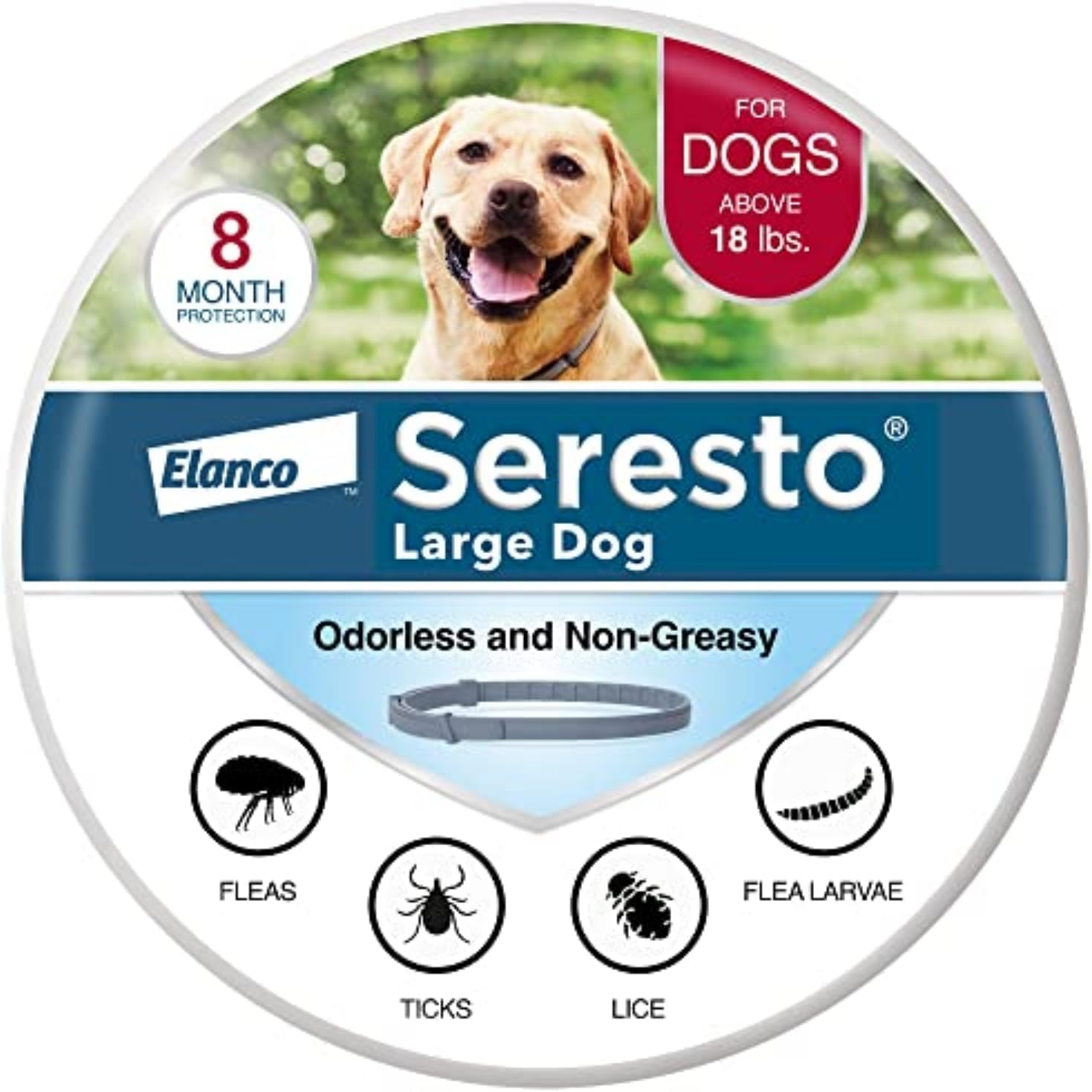
Hartz UltraGuard Flea & Tick Collar
Affordable 7-month protection against fleas and ticks. Prevents expensive tick-borne disease treatments. Always consult your veterinarian about the most appropriate parasite prevention for your pet's specific needs and location.
Check Amazon Price3-Month Budget Pet Care Implementation Plan
Transitioning to budget pet care is most effective when done gradually and systematically. This 3-month plan helps you implement changes without overwhelming yourself or disrupting your pet's routine.
- Track all pet-related spending for 30 days
- Research local low-cost veterinary resources
- Learn basic at-home grooming techniques
- Create a pet emergency fund goal
- Make 2-3 simple DIY toys
- Research affordable, quality food options
- Set up price alerts for regular purchases
- Create a 3-month supply shopping list
- Learn to make 2-3 healthy homemade treats
- Schedule preventive veterinary appointment
- Evaluate and adjust your pet care budget
- Establish a pet care savings system
- Create a semi-annual preventive care schedule
- Build a network for pet care exchanges
- Share successful strategies with other pet owners
Budget Pet Care Pitfalls to Avoid
- Don't skip preventive care to save money - it costs far more later
- Avoid extremely cheap food with questionable ingredients - poor nutrition creates health issues
- Don't use human medications without veterinary guidance - many are toxic to pets
- Avoid unverified online pharmacies - counterfeit medications can be dangerous
- Don't neglect dental care - dental disease affects overall health and is expensive to treat
Free and Low-Cost Community Resources
Many communities offer resources that support budget pet care. Knowing what's available can significantly reduce expenses:
Community Support Resources
- Pet food banks - Many communities have organizations that provide emergency pet food assistance
- Low-cost vaccination clinics - Often hosted by shelters or mobile veterinary services
- Spay/neuter assistance programs - Reduced-cost sterilization prevents future expenses
- Pet care cooperatives - Neighborhood groups that share pet sitting, walking, and care
- Training resources - Many shelters offer free or low-cost basic training classes
- Pet loss support - Free counseling services for grieving pet owners
Final Thoughts on Budget Pet Care
Budget pet care is not about deprivation it's about wisdom. It's recognizing that your pet's happiness and health don't depend on the most expensive products, but on consistent, loving care and attention to their genuine needs.
The most valuable things you can provide regular exercise, mental stimulation, affection, and proper preventive healthcare cost little to nothing. By focusing your resources on what truly matters and eliminating unnecessary expenses, you can provide excellent care while building financial security for unexpected needs.
Remember that every dollar saved through smart budget pet care strategies is a dollar that can be redirected toward your pet's long-term wellbeing, whether through better nutrition, additional preventive care, or an emergency fund that provides peace of mind.