Quick Answer: No, dogs should not eat dry cat food as a regular diet. Dry cat food is formulated for obligate carnivores and contains significantly higher levels of protein, fat, and calories than dogs need. The high fat content can trigger pancreatitis, and the excessive protein can strain kidneys over time. While a small nibble here and there won't cause immediate harm, regular consumption can lead to serious health problems. Dry cat food is actually less dangerous than canned cat food for dogs because it has slightly lower fat content, but it is still not appropriate for dogs.
Table of Contents
- Quick Answer
- Why Dogs and Cats Have Different Nutritional Needs
- Why Dry Cat Food Is Especially Dangerous for Dogs
- Risks of Feeding Dry Cat Food to Dogs
- What If My Dog Eats Dry Cat Food?
- Dog Food vs. Dry Cat Food: Nutritional Comparison
- Safe Alternatives When You're Out of Dog Food
- How to Stop Your Dog From Eating Dry Cat Food
- Related Products for Your Pets
- Frequently Asked Questions
- Further Reading
Why Dogs and Cats Have Different Nutritional Needs
Dogs and cats have very different dietary requirements. Dogs are omnivores, meaning they can thrive on a varied diet that includes meat, grains, vegetables, and plant-based ingredients. Their digestive systems are designed to process a mix of nutrients from both animal and plant sources.
Cats, on the other hand, are obligate carnivores. They must eat meat to survive, and their bodies are specially adapted to process high levels of animal protein and fat. Dry cat food is designed to meet the needs of a strict meat-eater, while dog food is formulated for an omnivore that can handle more carbohydrates and less protein and fat.
Key takeaway: Dry cat food isn't "bad" food. It's simply the wrong food for a dog. While dry cat food is less dangerous than canned cat food due to slightly lower fat content, it is still not appropriate for a dog's digestive system.
Why Dry Cat Food Is Especially Dangerous for Dogs
Dry cat food poses several specific risks to dogs:
- High Protein Content: Dry cat food typically contains 30-45% protein on a dry matter basis, compared to 18-25% for dog food. While protein isn't toxic to dogs, such high levels can strain their kidneys over time.
- High Fat Content: Dry cat food contains significantly more fat (15-25%) than dog food (10-15%). This high fat content is the primary reason dry cat food can trigger pancreatitis in dogs.
- Excessive Calories: Dry cat food is calorie-dense, designed for cats who need more energy per pound of body weight. Dogs eating dry cat food regularly can quickly become overweight or obese.
- Vitamin A Levels: Dry cat food contains high levels of preformed vitamin A (retinol) from animal sources. While dogs need vitamin A, excessive amounts can lead to vitamin A toxicity, causing bone and joint problems.
- Lack of Certain Nutrients: Dry cat food is not formulated with the specific nutrient ratios dogs need, including the correct calcium-to-phosphorus ratio for proper bone health.
- Higher Carbohydrate Digestibility Issues: While dry cat food has lower carbohydrates than wet dog food, dogs still struggle with the high protein and fat content.
Critical Warning: Pancreatitis is one of the most serious risks of feeding dry cat food to dogs. The high fat content can trigger inflammation of the pancreas, leading to severe abdominal pain, vomiting, dehydration, and in severe cases, organ failure. Some dog breeds, like Miniature Schnauzers and Shetland Sheepdogs, are genetically predisposed to pancreatitis and should never eat high-fat foods like dry cat food.
Risks of Feeding Dry Cat Food to Dogs
While a single meal of dry cat food is unlikely to cause lasting harm, regular consumption carries serious health risks:
Short-Term Risks
- Digestive upset like vomiting, diarrhea, and gas
- Stomach discomfort and bloating
- Loss of appetite for proper dog food
- Allergic reactions in sensitive dogs
- Dental issues from hard kibble texture
Long-Term Risks
- Pancreatitis from high fat content
- Obesity from excessive calories
- Kidney strain from excessive protein
- Vitamin A toxicity causing bone problems
- Nutritional deficiencies due to imbalanced ratios
- Digestive system issues from improper nutrient balance
What If My Dog Eats Dry Cat Food?
Dry cat food is often tempting to dogs because of its strong smell and crunchy texture. Here's what to do in different scenarios:
Scenario 1: Your dog ate a small amount (a few bites) once
Likely outcome: Your dog will probably be fine, but monitor them closely. Dry cat food is high in fat, so even a small amount can cause mild digestive upset in sensitive dogs.
What to do: Offer fresh water and their regular dog food at the next mealtime. Watch for signs of stomach upset like vomiting, diarrhea, or abdominal pain. No vet visit is usually necessary unless symptoms develop.
Scenario 2: Your dog ate a large amount (a full bowl) once
Likely outcome: Your dog is at a higher risk for pancreatitis. Watch closely for signs like vomiting, diarrhea, abdominal pain (hunched posture, whining, panting), lethargy, and loss of appetite. The high fat content can trigger pancreatitis within 12-24 hours of consumption.
What to do: Monitor very closely. If your dog shows any signs of abdominal pain, vomiting, or lethargy, contact your veterinarian immediately. If symptoms are severe, seek emergency veterinary care.
Scenario 3: Your dog has been eating dry cat food regularly
Likely outcome: This is the most dangerous scenario. Your dog is at high risk for pancreatitis, obesity, and nutritional imbalances that can cause long-term health problems.
What to do: Stop feeding dry cat food immediately. Transition your dog back to a high-quality dog food. Schedule a veterinary check-up, especially if you've been feeding dry cat food for weeks or months. Your vet may recommend blood work to check for pancreatitis markers, kidney function, and vitamin A levels.
When to call the vet immediately: If your dog shows any of these signs after eating dry cat food, seek emergency veterinary care: severe vomiting, diarrhea with blood, lethargy, weakness, loss of appetite, difficulty breathing, abdominal pain (hunched posture, whining, panting), or seizures.
Dog Food vs. Dry Cat Food: Nutritional Comparison
Here's a side-by-side look at the key nutritional differences between typical adult dog food and dry adult cat food:
| Nutrient | Dog Food (Adult) | Dry Cat Food (Adult) | Why It Matters for Dogs |
|---|---|---|---|
| Protein | 18-25% (dry matter) | 30-45% (dry matter) | Excess protein can strain kidneys over time |
| Fat | 10-15% (dry matter) | 15-25% (dry matter) | High fat triggers pancreatitis risk |
| Calories | 300-350 kcal/cup | 400-500 kcal/cup | Excess calories lead to obesity |
| Vitamin A | Moderate levels | High levels (preformed) | Excess vitamin A causes bone problems |
| Carbohydrates | Higher (30-60%) | Lower (10-25%) | Dogs can digest carbs; cats cannot as well |
| Taurine | Low (not required) | High (essential for cats) | Dogs produce their own taurine; excess is unnecessary |
Safe Alternatives When You're Out of Dog Food
If you've run out of dog food and need a temporary solution, here are safer options than dry cat food:
- Plain, cooked meat: Unseasoned, boiled chicken, turkey, or beef (no bones, no skin, no spices). This provides protein without the high fat content of cat food.
- Plain, cooked white rice: A small amount of plain white rice mixed with meat can help settle an upset stomach.
- Plain, cooked pumpkin: Plain canned pumpkin (not pie filling) can help with digestion and provides some fiber.
- Plain, cooked eggs: Scrambled or hard-boiled with no salt or oil. Eggs are a good source of protein.
- Plain, cooked vegetables: Green beans, carrots, or peas (plain, no salt or seasonings) can add some bulk and nutrients.
Never feed dogs: onions, garlic, chives, chocolate, grapes, raisins, macadamia nuts, xylitol (artificial sweetener), alcohol, or raw dough. These are toxic to dogs.
Important: These alternatives are temporary solutions only. They are not complete and balanced diets. You should get proper dog food as soon as possible.
How to Stop Your Dog From Eating Dry Cat Food
Prevention is always better than emergency treatment. A balanced, nutritious diet tailored to your dog's needs reduces the urge to scavenge. For a great selection of healthy options, check out our Premium Dog Products for Your Canine Companion. Here are some practical steps you can take right now to protect your dog:
Prevention Tips
- Feed in separate rooms: Close the door while each pet eats, and pick up bowls when they're done. Never leave dry cat food out where dogs can reach it.
- Elevate cat bowls: Place dry cat food bowls on a high counter, table, or cat tree that dogs can't reach.
- Use a microchip feeder: These feeders only open for the specific pet wearing the matching microchip or collar tag.
- Feed on a schedule: Instead of free-feeding, offer meals at set times and pick up any uneaten food within 20-30 minutes.
- Store dry food securely: Keep dry cat food in a sealed container in a cabinet or closet that dogs can't open.
- Supervise mealtimes: Stay in the room while both pets eat to ensure they don't swap bowls.
Related Products for Your Pets
To keep both your dog and cat healthy and safe, consider these recommended products available on Amazon:
High-Quality Dog Food
4.6 / 5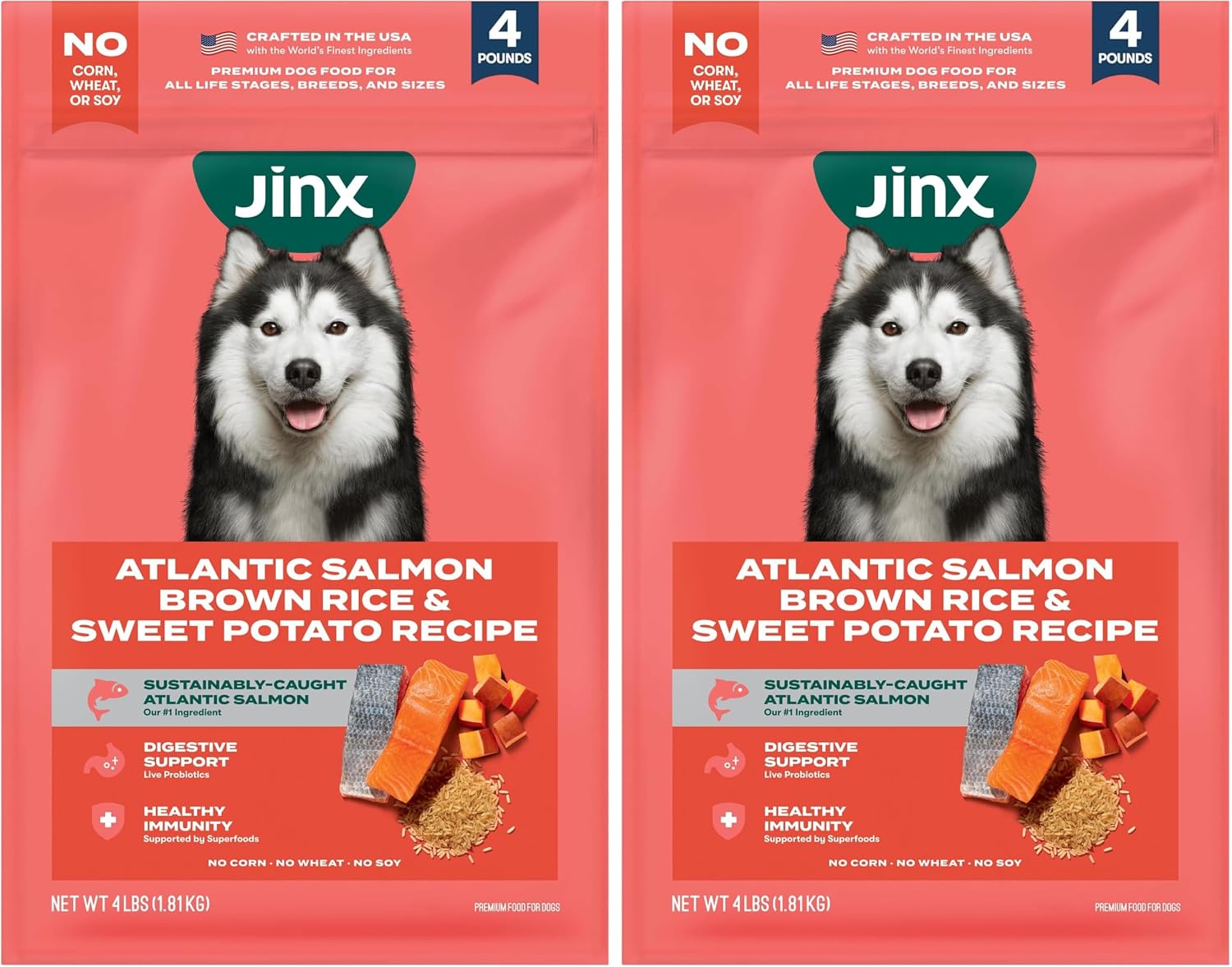 Image credit: Amazon
Premium Balanced Dog Food
A premium dog food formulated with balanced nutrition for all life stages. Contains the right protein and fat levels for dogs, plus essential vitamins and minerals. This is the safest choice to keep your dog healthy and away from dry cat food.
Check Amazon PriceAs an Amazon Associate, we earn from qualifying purchases.
Airtight Cat Food Storage
4.8 / 5 Image credit: Amazon
Airtight Storage Container
Keep dry cat food fresh and securely stored away from curious dogs with this BPA-free, airtight container. Features a locking lid, built-in scoop, and wheels for easy moving.
Check Amazon PriceAs an Amazon Associate, we earn from qualifying purchases.
Elevated Pet Feeding Station
4.5 / 5 Image credit: Amazon
Elevated Feeding Station
An elevated feeding station that keeps cat food at a height dogs can't reach. Made from durable materials with a non-slip base. Perfect for multi-pet households with both cats and dogs.
Check Amazon PriceAs an Amazon Associate, we earn from qualifying purchases.
Our Veterinary Verdict
Dry cat food is not safe for dogs as a regular diet. The high fat content can trigger pancreatitis, and the excessive protein can strain kidneys over time. While dry cat food is slightly less dangerous than canned cat food due to lower fat content, it is still not appropriate for a dog's digestive system. The nutritional differences between dogs and cats are significant, and feeding a dog dry cat food long-term can cause serious health problems.
Best practice: Feed your dog a high-quality, AAFCO-compliant dog food appropriate for their life stage. Keep dry cat food completely separate and inaccessible. If you're unsure about your dog's diet, consult your veterinarian for personalized advice.
Frequently Asked Questions
Can dogs eat dry cat food safely?
No, dogs should not eat dry cat food as a regular diet. Dry cat food is formulated for obligate carnivores and contains significantly higher levels of protein, fat, and calories than dogs need. While a small amount occasionally won't cause immediate harm, regular consumption can lead to pancreatitis, obesity, and nutritional imbalances.
What happens if a dog eats dry cat food?
If a dog eats dry cat food occasionally, they may experience mild digestive upset like vomiting or diarrhea. However, if a dog eats dry cat food regularly over weeks or months, they can develop pancreatitis (inflammation of the pancreas), obesity, and nutritional deficiencies. The high protein and fat content in dry cat food is not appropriate for a dog's omnivorous digestive system.
Why is dry cat food bad for dogs?
Dry cat food is bad for dogs because it is formulated for obligate carnivores, not omnivores. Cat food contains significantly higher levels of protein, fat, and calories than dogs need. It also lacks certain nutrients that dogs require and contains higher amounts of others that can be harmful, like vitamin A. The high fat content can trigger pancreatitis in susceptible dogs.
Can puppies eat dry cat food?
No, puppies should never eat dry cat food. Growing puppies have specific nutritional requirements for proper bone and muscle development. Dry cat food lacks the correct calcium-to-phosphorus ratio that puppies need and contains too much fat and protein, which can lead to rapid growth and joint problems.
What should I do if my dog ate dry cat food?
If your dog ate a small amount of dry cat food once, monitor them for signs of digestive upset like vomiting or diarrhea. Most dogs will be fine after a single incident. If your dog ate a large amount or shows concerning symptoms like lethargy, severe vomiting, or abdominal pain, contact your veterinarian immediately. For long-term prevention, keep dry cat food in a location your dog cannot access.
Is dry cat food less dangerous than canned cat food for dogs?
Yes, dry cat food is generally less dangerous than canned cat food for dogs because it contains slightly lower fat content. However, it still contains significantly more fat, protein, and calories than dogs need. Both dry and canned cat food can trigger pancreatitis and other health problems, so neither should be fed to dogs regularly.
Further Reading
Additional Resources on Pet Nutrition