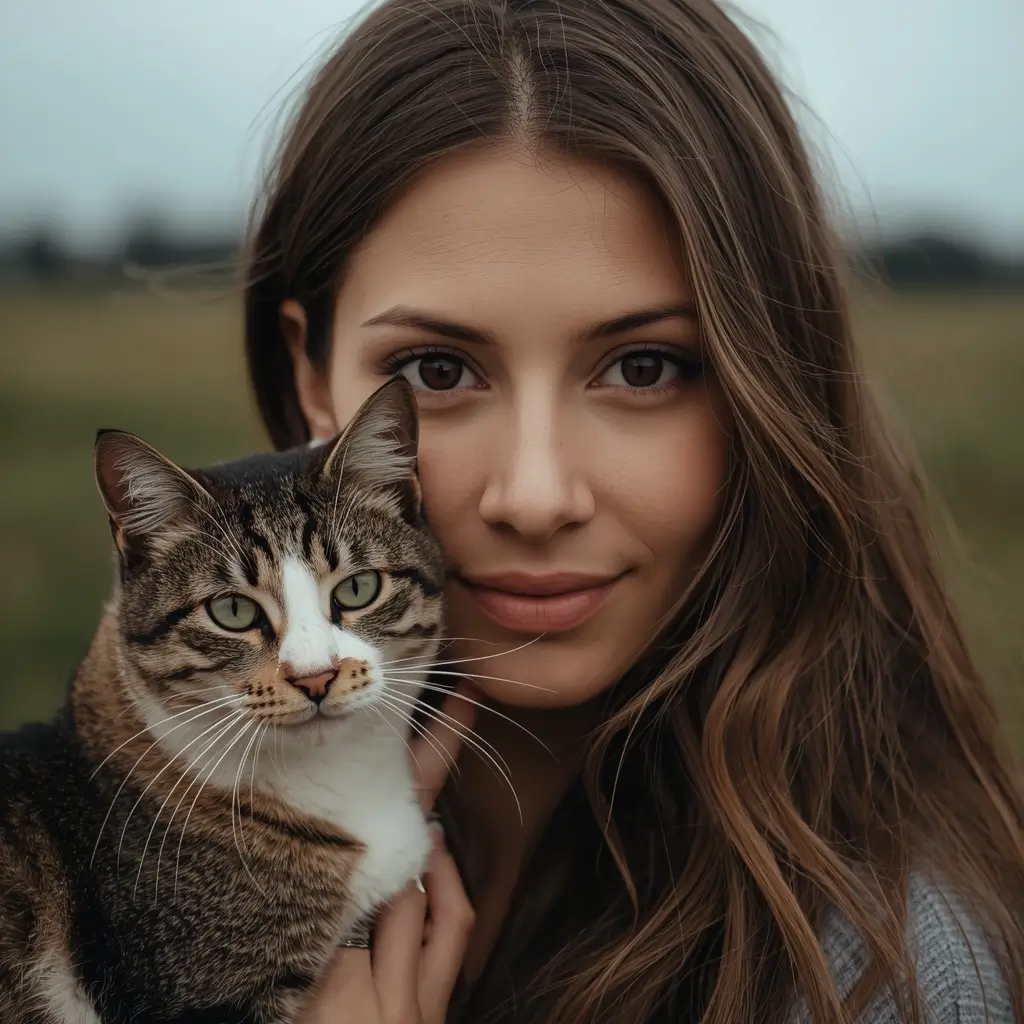
Cats communicate constantly through subtle body language signals that most owners miss. Understanding cat body language is the key to building a stronger bond with your feline friend, preventing behavior problems, and ensuring their emotional well-being. In this comprehensive 2026 guide, we'll decode the secret language of cats, from tail positions to ear signals, vocalizations, and everything in between.
Unlike dogs, cats use more subtle and complex body language that requires careful observation to interpret correctly. A 2025 study published in the Journal of Applied Animal Behaviour Science found that cat owners who understand feline body language report 73% fewer behavior problems and significantly stronger human-animal bonds.
Table of Contents
- Understanding Cat Communication
- The Tail: Your Cat's Emotional Barometer
- Ear Positions: Windows to Feline Emotions
- Eye Language: Trust, Fear, and Affection
- Vocalizations: Beyond Meows and Purrs
- Body Postures: From Relaxed to Defensive
- Whisker Positions: Subtle Mood Indicators
- Common Cat Body Language Misinterpretations
- Breed-Specific Body Language Differences
- Practical Applications: Using Body Language Knowledge
- Test Your Knowledge: Cat Body Language Quiz
- Frequently Asked Questions

Understanding Cat Communication: The Feline Language System
Cats communicate through a complex system of visual signals, vocalizations, and scent marking. Unlike humans who rely primarily on verbal communication, cats use their entire body to express emotions, intentions, and needs. Understanding this multi-modal communication system is essential for interpreting your cat's true feelings.
Visual Signals
Body postures, tail positions, ear orientations, and eye expressions form the primary visual language. These signals are most important for cat-to-cat communication and are highly reliable indicators of emotional state.
Vocalizations
Meows, purrs, trills, chirps, hisses, and growls are primarily used for cat-human communication. Adult cats rarely meow at each other, reserving this vocalization mostly for communicating with their human companions.
Scent Marking
Cheek rubbing, scratching, and urine marking create chemical messages that convey territory, social status, and reproductive availability. This "invisible" communication is crucial in multi-cat households.
Expert Insight
According to feline behaviorist Dr. Sarah Johnson, "Cats are masters of subtle communication. The key is to observe the entire constellation of signals rather than focusing on one body part. A cat with a twitching tail might be excited, but if combined with flattened ears and dilated pupils, it's likely agitated or fearful."
The Tail: Your Cat's Emotional Barometer
The tail is arguably the most expressive part of a cat's body, acting as a clear emotional barometer. Each position and movement conveys specific information about your cat's mood and intentions.
Cat Tail Positions Decoded
Upright Tail
Confidence & Happiness
A tail held straight up indicates a confident, happy cat
who feels secure in their environment. Often accompanied
by a slight curve at the tip.
Puffed Tail
Fear & Aggression
The "bottle brush" tail signals extreme fear or
aggression. The cat is trying to appear larger to
intimidate a perceived threat.
Question Mark Tail
Playfulness & Curiosity
A tail curved like a question mark indicates a playful,
curious mood. Your cat is open to interaction and likely
in a good mood.
Twitching Tip
Focus & Excitement
Just the tip of the tail twitching indicates focused
attention or mild excitement, often seen during hunting or
play.
Low Tail
Insecurity & Anxiety
A tail held low or tucked between legs indicates
insecurity, anxiety, or submission. The cat may be feeling
threatened.
Thumping Tail
Irritation & Warning
A tail thumping rhythmically on the ground signals
irritation. It's a warning to back off before more
aggressive signals appear.

Ear Positions: Windows to Feline Emotions
Cat ears are incredibly mobile, capable of rotating 180 degrees independently. These positions provide crucial insight into your cat's emotional state and level of alertness.
| Ear Position | Meaning | Emotional State | Recommended Action |
|---|---|---|---|
| Forward & Upright | Alert, interested, content | Confident, engaged | Approach normally, offer interaction |
| Slightly Back | Uncertain, mildly annoyed | Apprehensive, irritated | Proceed cautiously, watch for other signals |
| Flattened Sideways | Fearful, defensive | Anxious, threatened | Give space, avoid direct eye contact |
| Completely Flat | Extreme fear, aggression | Defensive, ready to fight | Back away immediately, remove threat |
| Rotating Independently | Listening to multiple sounds | Curious, assessing environment | Allow to focus, minimize distractions |
| Twitching Ears | Irritation, excitement | Agitated, stimulated | Identify source of irritation, provide outlet |
Eye Language: Trust, Fear, and Affection
Cat eyes communicate volumes about their emotional state. From pupil dilation to blinking patterns, understanding feline eye language is crucial for building trust and recognizing distress.
The "Cat Kiss"
When a cat looks at you and slowly closes their eyes, they're expressing trust and affection. This is often called a "cat kiss" and is one of the highest compliments a cat can give. You can return this gesture by slowly blinking back.
Excitement or Fear
Pupils that are fully dilated can indicate either extreme excitement (during play) or fear/anxiety. Context is key: dilated pupils during play with a relaxed body indicate excitement; dilated pupils with a tense body indicate fear.
Aggression or Bright Light
Alertness or Aggression
Narrow pupils in normal lighting can signal aggression or irritation. However, they can also simply mean the cat is in bright light. Always consider the environmental context and other body signals.
Challenge or Threat
Direct, unblinking eye contact is considered challenging or threatening in cat language. Cats usually avoid direct stares with cats they like. A staring cat may be asserting dominance or feeling threatened.
Contentment & Relaxation
Eyes that are partially closed while the cat is awake indicate deep relaxation and contentment. This is often seen during petting sessions or when a cat is enjoying a sunny spot.
The Slow Blink Technique
Research from the University of Sussex shows that cats respond positively to human slow blinking. To build trust with a cat:
- Make soft eye contact with the cat
- Slowly close your eyes as if falling asleep
- Hold them closed for 2-3 seconds
- Slowly open them
- Repeat 2-3 times
This mimics the feline "I trust you" signal and can help anxious cats feel more comfortable around you.
Vocalizations: Beyond Meows and Purrs
While cats are less vocal than dogs, their vocal repertoire is surprisingly complex. Understanding these sounds can help you respond appropriately to your cat's needs and emotions.
Common Cat Vocalizations Decoded
General Attention-Seeking
The all-purpose sound used primarily to communicate with
humans. Can mean anything from "hello" to "feed me" to
"open this door."
Contentment & Self-Soothing
While usually indicating contentment, cats also purr when
injured or stressed as a self-soothing mechanism. Context
determines meaning.
Friendly Greeting
A rolling "brrr" sound often used by mother cats with
kittens or between friendly cats. Means "hello, I'm
friendly."
Frustrated Hunting
The rapid "ek-ek-ek" sound when watching birds or
squirrels through a window. Indicates hunting excitement
and frustration.
Fear & Aggression
Defensive sounds indicating the cat feels threatened. A
serious warning that should always be heeded.
Distress or Mating Call
A long, drawn-out moan that can indicate distress,
disorientation (in elderly cats), or a mating call in
unspayed/unneutered cats.
When Vocalizations Signal Health Issues
Excessive or unusual vocalizations can indicate medical problems:
- Constant meowing: May indicate hyperthyroidism, especially in older cats
- Nighttime yowling: Can signal cognitive dysfunction in senior cats
- Silent meows: Some cats with laryngeal issues or deafness may meow silently
- Changes in purr: A change in purring pattern or sound may indicate pain or discomfort
Always consult your veterinarian if your cat's vocalizations change suddenly or seem excessive.

Body Postures: From Relaxed to Defensive
A cat's overall body posture provides the context for interpreting other signals. Understanding these postures helps you recognize whether your cat is feeling friendly, fearful, or defensive.
Relaxed Posture
Lying on side or back with belly exposed (in trusted environments), paws relaxed, eyes half-closed. The cat feels completely secure and comfortable. However, a belly-up position with tense muscles may be defensive.
Defensive Posture
Crouched low to the ground, ears flattened, tail tucked, pupils dilated. The cat is trying to make itself small and protect vulnerable areas. May hiss or growl. Give space and remove threats.
Offensive Aggression
Body tall and tense, weight on back legs ready to pounce, direct stare, ears forward or slightly back. The cat is preparing to attack. Do not approach or make sudden movements.
Greeting Posture
Tail upright with curved tip, body relaxed, ears forward, may rub against you or objects. The classic "friendly approach" signal. Your cat is happy to see you and open to interaction.
Play Posture
Front end lowered, rear end elevated, tail twitching or swishing, ears forward, pupils slightly dilated. The "play bow" indicates your cat wants to play and may pounce on toys or moving objects.
Affectionate Posture
Kneading with paws, head-butting (bunting), cheek rubbing, purring, half-closed eyes. These behaviors release scent markers and indicate trust, affection, and ownership ("you're mine").
Whisker Positions: Subtle Mood Indicators
Whiskers (vibrissae) are highly sensitive tactile hairs that also serve as mood indicators. While their primary function is spatial awareness, their position can reveal emotional state.
Whisker Position Guide
- Relaxed & Slightly Sideways: Content, calm cat in neutral state
- Pushed Forward: Curious, interested, engaged in hunting or play
- Pulled Back Against Face: Fearful, defensive, or aggressive
- Twitching/Vibrating: Highly focused, possibly assessing prey or interesting object
- Asymmetrical Positions: Each side can move independently based on what the cat is investigating
Remember that whisker position should always be interpreted alongside other body language signals for accurate understanding.
Common Cat Body Language Misinterpretations
Many cat owners misinterpret their cat's signals, leading to misunderstandings and potential conflicts. Here are the most common mistakes:
Top 5 Body Language Misinterpretations
- Bellying Up = Always Wanting Belly Rubs: While some cats enjoy belly rubs, most are showing trust, not an invitation for touch. Belly rubs often trigger defensive biting.
- Purring = Always Happy: Cats also purr when injured, sick, or stressed as a self-soothing mechanism.
- Tail Wagging = Happiness: Unlike dogs, a wagging or thrashing tail usually indicates irritation, not happiness.
- Hissing = Aggression: Hissing is usually defensive, not offensive. The cat is scared, not necessarily aggressive.
- Kneading = Making Biscuits: While cute, kneading can also indicate anxiety or a need for comfort, not just contentment.
Breed-Specific Body Language Differences
While all cats share the same basic body language system, some breeds have physical characteristics or behavioral tendencies that affect their signals:
Persians & Flat-Faced Breeds
Their facial structure makes some expressions harder to read. Focus more on body posture, tail position, and vocalizations. They may appear perpetually grumpy due to their facial structure.
Siamese & Orientals
Highly vocal breeds that use more meows and vocalizations to communicate. Their body language may be more dramatic and easier to read due to their expressive nature.
Sphynx & Hairless Breeds
Without fur to puff up, their fear/aggression signals are less obvious. Pay extra attention to ear positions, pupil dilation, and body tension.
Maine Coons & Large Breeds
Their size means their signals are often more obvious and exaggerated. They may use more dog-like behaviors (following, greeting).
Practical Applications: Using Body Language Knowledge
Understanding cat body language has practical applications that can improve your relationship with your cat and prevent behavior problems:
Practical Body Language Applications
Recognize early signs of stress (flattened ears, tense body) to help your vet handle your cat more comfortably and reduce trauma.
Monitor body language during introductions to ensure both animals feel safe. Separate them if you see defensive or aggressive signals.
Identify subtle tension before it escalates to fighting. Look for avoidance behaviors, tense postures, and resource guarding.
Teach children to recognize when a cat wants space (twitching tail, flattened ears) to prevent scratches and bites.
Test Your Knowledge: Cat Body Language Quiz
How well can you read cat signals? Take this quick quiz to test your understanding:
Question 1: What does a slowly blinking cat usually mean?
Question 2: A cat with a puffed-up tail and arched back is:
Question 3: What does kneading (making biscuits) usually indicate?
Cat Body Language FAQs
Why does my cat suddenly bite me when I'm petting them?
This is called "petting-induced aggression" or "overstimulation aggression." Cats have a threshold for how much petting they can tolerate. Watch for warning signs: tail twitching, skin rippling, ears flattening, sudden stillness. Stop petting at the first sign of these signals to prevent bites. According to the ASPCA, this is one of the most common behavior issues reported by cat owners.
How can I tell if my cat is in pain?
Cats hide pain well, but body language clues include: hunched posture, avoiding movement, changes in facial expression (squinting, tense muzzle), excessive grooming or lack of grooming, hiding, aggression when touched in certain areas, and changes in vocalization. The Feline Grimace Scale is a validated tool for assessing pain in cats based on facial expressions.
What does it mean when my cat brings me dead animals?
This is a complex behavior with several possible
meanings:
1) Teaching behavior (they think you're a clumsy hunter
who needs help).
2) Gift-giving (sharing resources with family
members).
3) Showing off their hunting skills.
or 4) Trying to feed you. While it may seem gross to
humans, it's actually a sign of affection and acceptance
in cat terms.
Why does my cat stare at me?
Staring can mean several things:
1) Affection (if accompanied by slow blinking).
2) Curiosity about what you're doing.
3) Request for attention or food.
4) Mild challenge or assertion of dominance (if intense
and unblinking)..
Context and other body language signals will tell you
which it is. Most staring from cats to their owners is
affectionate or attention-seeking.
How can I apologize to my cat if I've upset them?
Cats don't understand apologies in human terms, but you
can repair the relationship by:
1) Giving them space immediately.
2) Using slow blinking when you make eye contact.
3) Offering treats or favorite food from a distance.
4) Speaking softly and calmly.
5) Engaging in preferred activities (play with favorite
toy) when they seem ready. Never force interaction when
a cat is upset.
Do different colored cats have different personalities or body language?
While coat color doesn't directly determine personality, some studies suggest correlations. For example, tortoiseshell and calico cats may be more likely to display "tortitude" (feistiness), while orange tabbies are often described as friendly and social. However, individual personality, socialization, and breed are much more significant factors than coat color alone.
How can I tell if my cat is playing or fighting?
Play fighting includes: taking turns being "aggressor," inhibited bites (no broken skin), silent interactions (no hissing/growling), relaxed body postures between bouts, and returning for more. Real fighting includes: hissing, growling, yowling, fur flying, both cats trying to be on top, attempts to escape, and injuries. Play should be monitored to ensure it doesn't escalate.
Why does my cat follow me everywhere?
Following behavior can indicate:
1) Attachment and affection (you're their favorite
person).
2) Curiosity about your activities.
3) Learned behavior (you often feed or play with them
when they follow).
4) Security-seeking (they feel safer near you).
or 5) Boredom (they want stimulation). If accompanied by
anxious behaviors, it could indicate separation anxiety.
Final Thoughts on Cat Body Language
Understanding cat body language is a journey, not a destination. Each cat is an individual with unique ways of expressing themselves. The more time you spend observing your cat without judgment, the better you'll understand their specific communication style.
Remember that context is everything. A single signal (like tail twitching) can mean different things in different situations. Always consider the whole picture: body posture, ear position, eye expression, vocalizations, and environmental context.
By learning to speak "cat," you're not just preventing behavior problems you're building a deeper, more meaningful relationship with your feline companion. This understanding allows you to respect their boundaries, recognize their needs, and respond appropriately to their emotional states.
Your cat is communicating with you every day. Now you have the tools to understand what they're saying.