
When it comes to children's horse riding, safety is not negotiable. The helmet is the single most important piece of safety equipment, potentially life-saving in the event of a fall. But with so many options available, how do you choose the right helmet for your young rider? This comprehensive 2026 guide covers everything you need to know about children's horse riding helmets, from safety standards to proper fit and the latest technology.
According to the CDC, properly fitted helmets can reduce the risk of head injury by up to 85%. For young riders whose bodies and brains are still developing, this protection is absolutely critical. Whether your child is just starting out or is an experienced young competitor, understanding helmet safety could make all the difference.
Table of Contents
- Why Children's Riding Helmets Matter
- Understanding Helmet Safety Standards
- Proper Fit: The Most Important Factor
- Types of Children's Riding Helmets
- 2026 Safety Technology in Helmets
- Top Children's Helmet Brands 2026
- Complete Buying Guide
- Helmet Care and Maintenance
- When to Replace a Helmet
- Frequently Asked Questions

Why Children's Riding Helmets Matter
Children are particularly vulnerable to head injuries due to their developing skulls and brains. According to research from the American Academy of Pediatrics, children's heads are proportionally larger and heavier relative to their bodies, making them more susceptible to injury in falls.
Here are critical reasons why proper helmets are non-negotiable for young riders:
Brain Protection
A helmet's primary function is to absorb and dissipate impact energy, protecting the brain from traumatic injury that could have lifelong consequences.
Skull Protection
Helmets prevent skull fractures and lacerations from direct impacts with the ground, fences, or horses' hooves.
Confidence Building
Proper safety gear helps children feel secure, allowing them to focus on learning and enjoying riding rather than worrying about safety.
Setting Good Habits
Learning to always wear a helmet establishes lifelong safety habits that will protect them throughout their riding career.
Safety Statistic
The US Hunter Jumper Association reports that properly fitted ASTM/SEI certified helmets have reduced serious head injuries in youth equestrian sports by 70% over the past decade. For young riders, this statistic underscores why helmet quality and fit cannot be compromised.
Top-Rated Youth Riding Helmet
Editor's Choice
Tipperary Sportage Youth Equestrian Helmet
ASTM/SEI certified with MIPS technology. Lightweight design with moisture-wicking liner and adjustable dial fit system. Ideal for young riders aged 6-12.
Check Amazon PriceUnderstanding Helmet Safety Standards
Not all helmets are created equal. Understanding safety certifications is crucial when selecting a children's riding helmet. Here are the key standards to look for:
2026 Helmet Safety Standards Comparison
We analyzed current safety standards for children's equestrian helmets:
| Standard | Organization | Testing Focus | Recognition | Best For |
|---|---|---|---|---|
| ASTM F1163 | ASTM International | Impact absorption, penetration resistance, retention system | US & Canada (SEI certified) | Competition riding |
| SEI Certification | Safety Equipment Institute | Independent verification of ASTM standards | US Equestrian required | All organized riding |
| VG1 01.040 2014-12 | European Norm | European safety standards | European competitions | European events |
| PAS 015:2011 | British Standards | UK-specific testing protocols | UK competitions | UK riding |
| AS/NZS 3838:2006 | Australia/NZ Standards | Southern hemisphere requirements | Australia & New Zealand | Southern hemisphere |
ASTM F1163 with SEI certification is the gold standard for US youth equestrian activities and is required for most organized competitions.
Critical Warning
Never use bicycle helmets for horse riding! Equestrian helmets are specifically designed for the types of impacts common in riding falls (higher drops, different angles, risk of horse kick). Bicycle helmets do not provide adequate protection for equestrian activities and may not be accepted at riding schools or competitions.
Proper Fit: The Most Important Factor
A helmet that doesn't fit properly offers little protection. Here's how to ensure perfect fit for your child:
Measure Head Circumference
Use a soft measuring tape about 1 inch above eyebrows. Record measurement in centimeters or inches and compare to manufacturer size charts. Measure at least twice for accuracy.
Try Multiple Sizes
Children's heads vary in shape. Try helmets from different brands as shape varies. The helmet should sit level on the head (not tilted back or forward).
Check Security
With straps unbuckled, shake head gently. Helmet should not shift excessively. Brow should not press uncomfortably. There should be no pressure points.
Adjust Retention System
Most modern helmets have dial-adjust systems. Turn until snug but not tight. The system should cradle the back of the head without pressure points.
Fit Check with Strap
Buckle chin strap. You should be able to fit only one finger between strap and chin. Strap should form a "V" under each ear. Mouth should open comfortably.
Fit Test Checklist
- Helmet sits level (not tilted forward or back)
- Brow is approximately one finger width above eyebrows
- No uncomfortable pressure points anywhere
- Cheeks move slightly with helmet when you rotate it gently
- Strap allows mouth to open fully but is snug when closed
- Retention system cradles occipital bone at back of head
- Helmet doesn't shift when child shakes head vigorously

Types of Children's Riding Helmets
Understanding the different types of helmets will help you choose the right one for your child's needs:
| Helmet Type | Best For | Key Features | Price Range |
|---|---|---|---|
| Schooling/Trail | Lessons, casual riding, trail riding | Ventilated, comfortable, often with dial-fit systems | $40 - $100 |
| All-Purpose/Competition | Shows, competitions, serious training | ASTM/SEI certified, sleek look, velvet covers available | $80 - $300 |
| Show Helmets | Hunter/jumper, dressage competitions | Traditional look, often with integrated harness covers | $150 - $500+ |
| Eventing/Safety | Cross-country, high-risk activities | Enhanced protection, often with chin guards | $200 - $600 |
| Western | Western disciplines where hats aren't worn | Western styling, often with brim options | $70 - $250 |
Premium Safety Helmet
MIPS Technology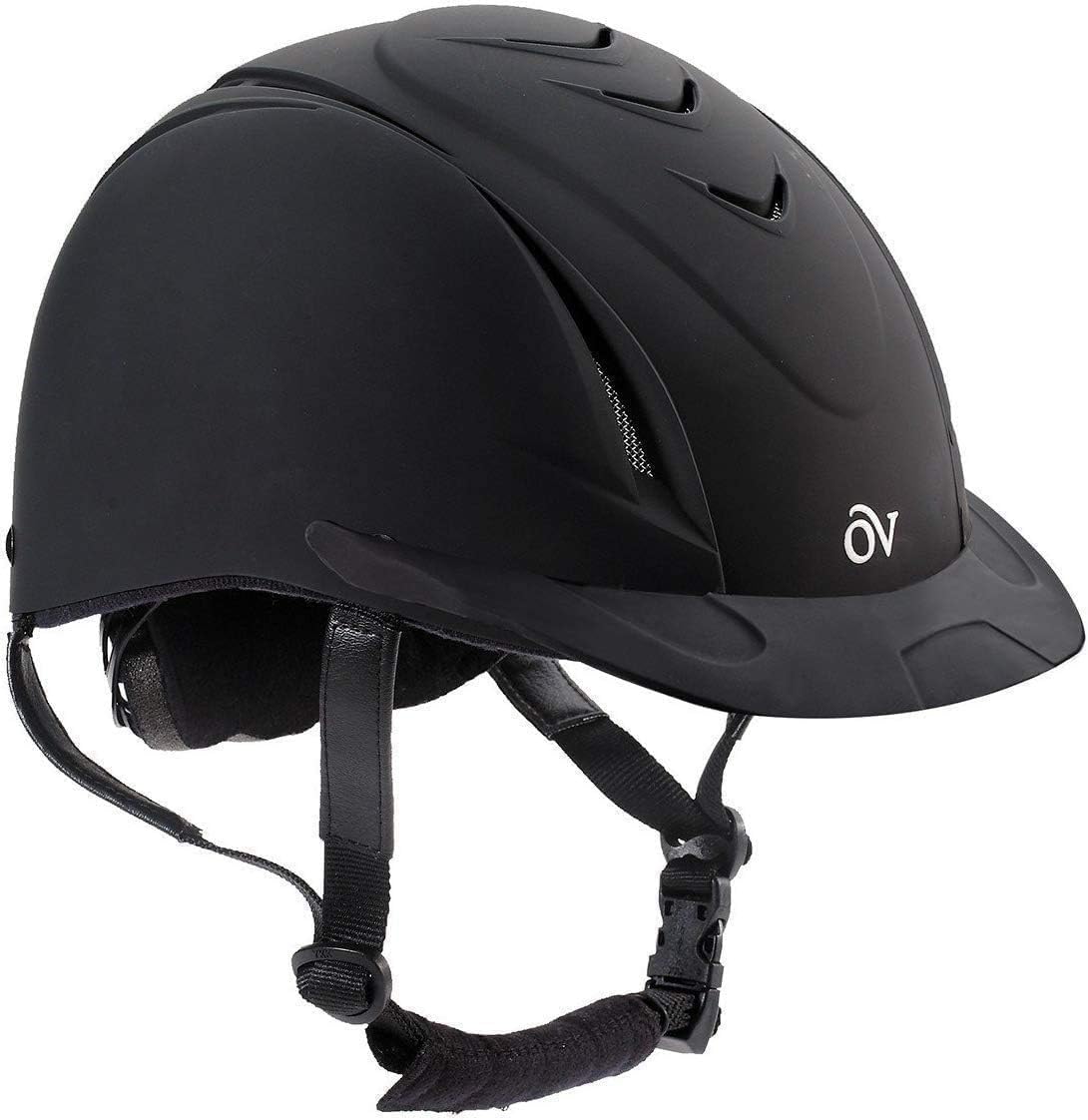
Charles Owen Youth JR8 Helmet
Premium ASTM/SEI certified helmet with advanced protection. Features GRPX construction for superior impact management. Ventilated design with moisture-wicking lining. Recommended by the US Hunter Jumper Association for youth competitors.
Check Amazon Price2026 Safety Technology in Helmets
Recent advances in helmet technology have significantly improved protection for young riders:
MIPS Technology
Multi-directional Impact Protection System reduces rotational forces on the brain during angled impacts. The low-friction layer allows slight movement between the helmet shell and liner, mimicking the brain's own protective system.
Multi-Density Liners
Advanced helmets use varying foam densities in different areas to optimize impact absorption. Softer foam for low-speed impacts, firmer foam for high-energy impacts. Provides tailored protection throughout the helmet.
Advanced Ventilation
Strategic vent placement and channeling systems keep young riders cool without compromising safety. Moisture-wicking, antimicrobial liners improve comfort and hygiene during long riding sessions.
Dial-Fit Systems
Micro-adjustable retention systems allow perfect customization. One-handed operation lets children adjust fit themselves. Most systems allow adjustments even while wearing gloves.
Real Safety Impact: Emma's Story
When 10-year-old Emma took a fall during a jumping lesson, her ASTM/SEI certified helmet with MIPS technology did exactly what it was designed to do. The helmet absorbed the impact energy, and the MIPS layer reduced rotational forces. While the helmet was destroyed (as it should be after a significant impact), Emma walked away with only minor bruises.
"The helmet cracked exactly as designed," said her instructor. "Without that proper protection, we'd be looking at a very different outcome." This incident underscores why investing in quality, certified helmets matters. Emma's parents replaced the helmet immediately, understanding that it had served its purpose perfectly.
This story highlights why never riding in a damaged helmet is rule number one in equestrian safety.
Complete Children's Helmet Buying Guide
Use this checklist when shopping for your child's next riding helmet:
2026 Children's Helmet Buying Checklist
- ASTM F1163 certification
- SEI certified label present
- Appropriate for intended discipline
- Check expiration date (5-8 years)
- No visible damage or cracks
- Professional fitting if possible
- Snug but not tight feel
- Level positioning on head
- Secure retention system
- Proper strap adjustment
- Adequate ventilation
- Moisture-wicking liner
- Lightweight construction
- Easy adjustment systems
- Appropriate for climate
- Budget for replacement
- Color/style preferences
- Ease of cleaning
- Brand reputation
- Warranty coverage
Smart Shopping Tips
- Buy from reputable equestrian retailers who understand fitting
- Always try before you buy - sizes vary between brands
- Consider your child's growth - adjustable systems extend usable life
- Check return policies in case the fit isn't right at home
- Look for package deals - some include helmet bags or covers
- Register your helmet for warranty and recall notifications
Budget-Friendly Option
Great Value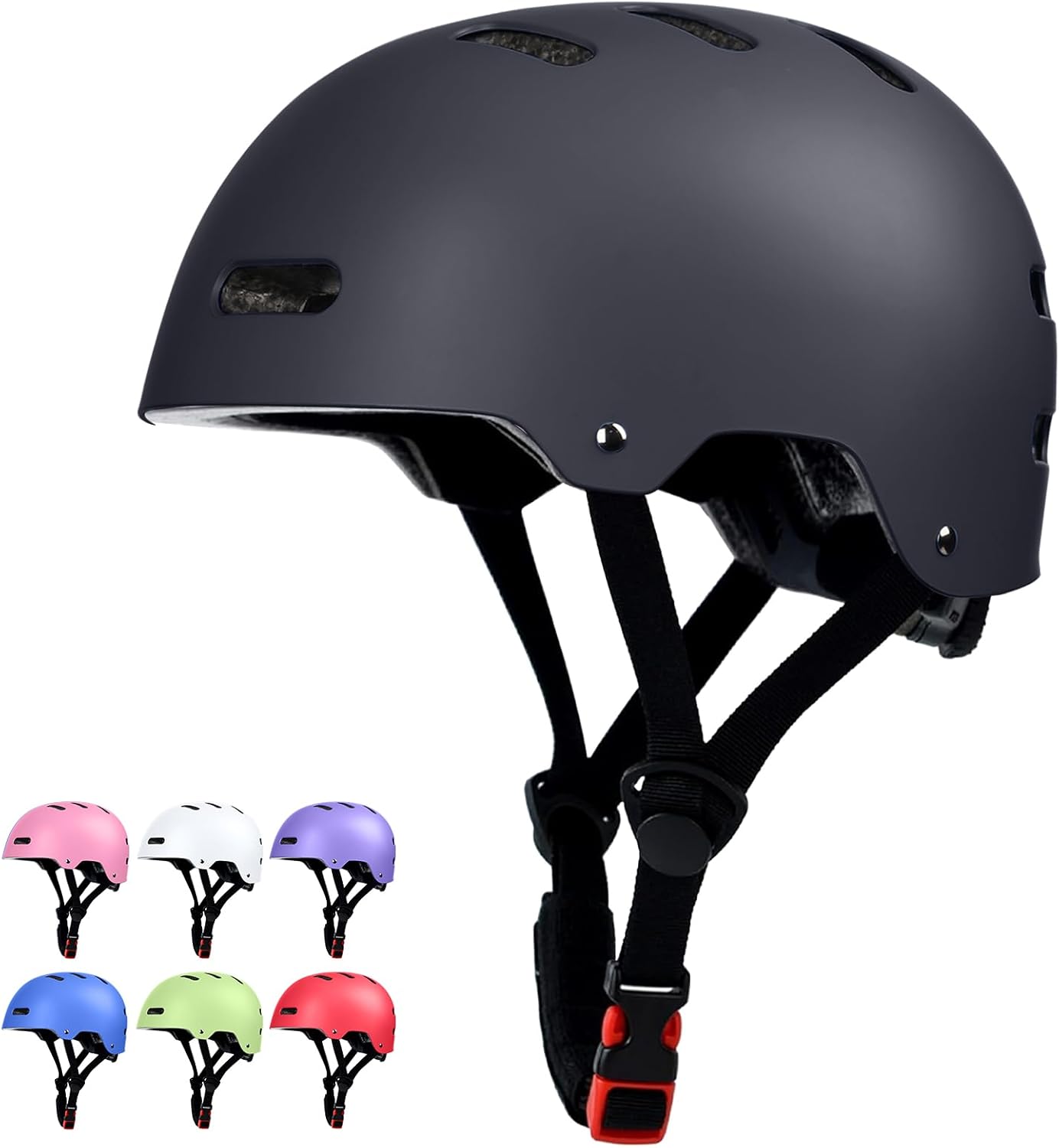
IRH Equi-Pro Youth Helmet
ASTM/SEI certified at an affordable price point. Features dial-fit adjustment system and multiple ventilation ports. Available in various colors and sizes. Perfect for growing riders who need reliable protection without breaking the bank.
Check Amazon PriceHelmet Care and Maintenance
Proper care extends your helmet's life and ensures it provides maximum protection:
Cleaning
Wipe exterior with damp cloth and mild soap. Remove and hand-wash liner according to manufacturer instructions. Never submerge entire helmet. Air dry completely before storage.
Storage
Store in a cool, dry place away from direct sunlight and heat sources. Use a helmet bag for protection. Never leave in hot car (temperatures can damage materials).
Regular Inspection
Check monthly for cracks, dents, or compression. Inspect straps for fraying or weakness. Check retention system operation. Look for interior foam degradation.
Avoid These
Never use harsh chemicals or solvents. Avoid stickers or paint that could degrade materials. Don't modify or alter the helmet in any way. Never share helmets between children.
When to Replace a Helmet
Helmets have a limited lifespan. Replace immediately if:
Replace Helmet Immediately If:
- After any significant impact - even if no damage is visible
- Visible cracks, dents, or compression in shell or liner
- Strap or buckle damage - fraying, cracks, or malfunction
- Interior foam degradation - crumbling or hardening
- Retention system failure - won't adjust or hold position
- After 5-8 years - materials degrade over time (check manufacturer)
- If it doesn't fit properly - children grow quickly
Important: Some manufacturers offer crash replacement programs at discounted rates if your helmet is damaged in an accident. Always check with the manufacturer.

Additional Safety Resources
Final Safety Reminder
Your child's riding helmet is not an accessory it's essential safety equipment. Investing in a properly fitted, certified helmet is one of the most important decisions you'll make as a parent of a young rider. While style and color matter to children, safety certifications and proper fit should always come first.
Remember: A helmet can only protect if it's worn and worn correctly. Make helmet safety non-negotiable from the very first ride. The few minutes spent ensuring proper fit and the investment in quality protection could make all the difference in your child's riding journey.