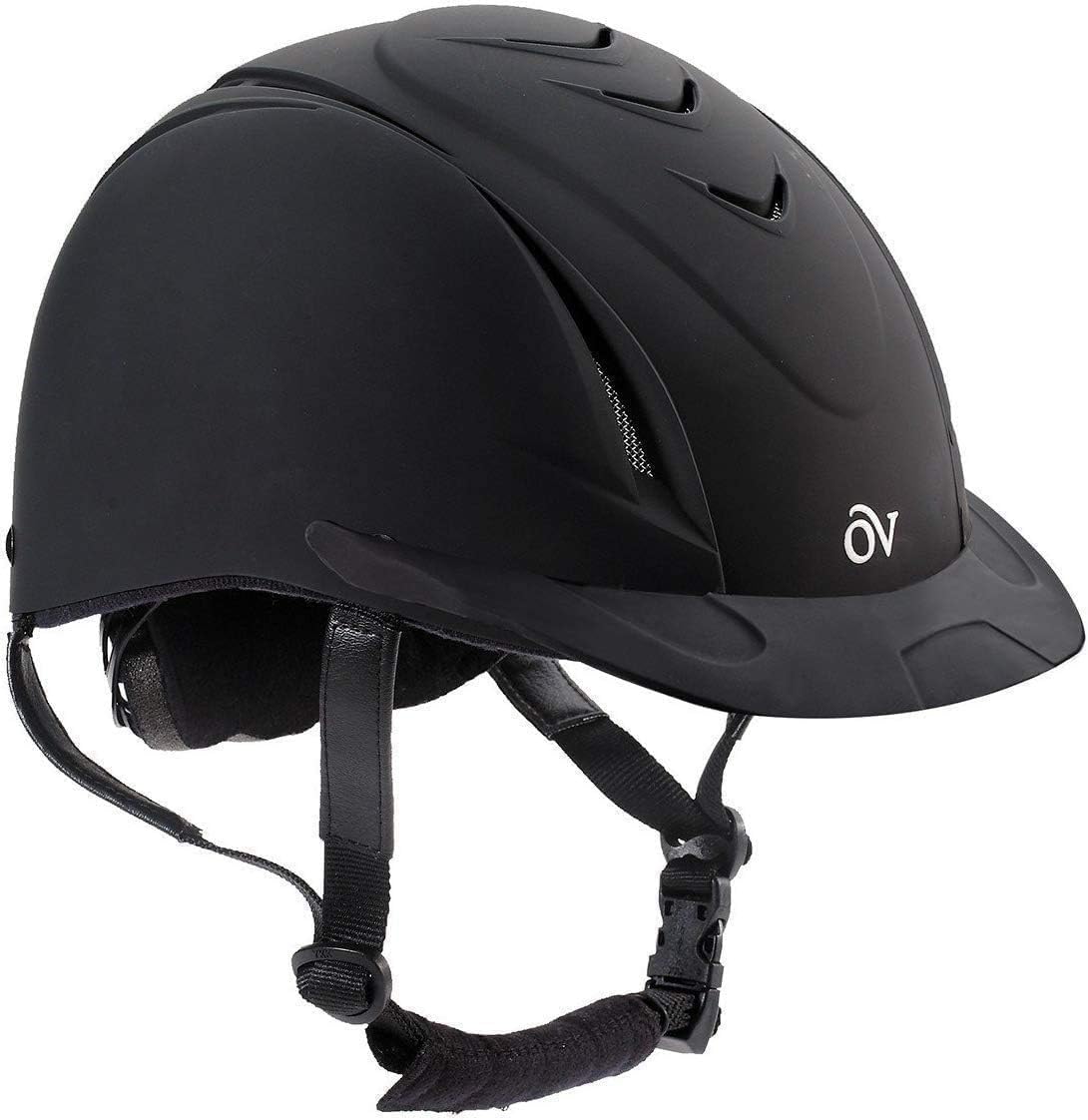
A properly fitted, certified horse riding helmet is the most important piece of safety equipment for any young equestrian. In 2026, with advancements in safety technology and materials, choosing the right helmet for your child has never been more critical or more complex. This comprehensive guide will help you understand helmet safety standards, proper fitting techniques, and our top picks for child riding helmets.
According to the U.S. Consumer Product Safety Commission, equestrian activities have one of the highest rates of head injury among youth sports. A properly certified helmet can reduce the risk of severe head injury by up to 80%. Whether your child is taking their first riding lesson or competing in shows, this guide will provide the knowledge you need to make an informed decision.
Table of Contents
- Why Horse Riding Helmets Matter for Children
- 2026 Safety Standards: ASTM F1163 & SEI Certification
- Proper Helmet Fitting: Step-by-Step Guide
- Types of Children's Riding Helmets
- Key Features to Look For in 2026
- Top 5 Child Horse Riding Helmets for 2026
- Children's Helmet Sizing Chart
- When to Replace a Child's Riding Helmet
- Helmet Care and Maintenance
- Frequently Asked Questions

Why Horse Riding Helmets Matter for Children
Children have unique safety needs when it comes to horse riding helmets. Their skulls are still developing, and their neck muscles are not as strong as adults', making them more vulnerable to head injuries. A properly fitted child's riding helmet does more than just meet safety standards it's designed specifically for a child's head shape and proportions.
Critical Safety Statistics
- Approximately 70,000 people are treated in emergency rooms each year for equestrian-related injuries
- Head injuries account for nearly 60% of equestrian fatalities
- Children under 15 account for approximately 20% of all equestrian injuries
- Proper helmet use can reduce head injury risk by 70-80%
Source: CDC National Center for Injury Prevention and Control
Beyond the statistics, there are specific reasons why children need specially designed helmets:
Developing Brain Protection
Children's brains are still developing until early adulthood. Helmets with advanced shock absorption protect developing neural pathways.
Proper Weight Distribution
Children's neck muscles are weaker. Youth helmets are lighter with better weight distribution to prevent neck strain.
Head Shape Considerations
Children's heads have different proportions than adults. Youth helmets accommodate rounder head shapes and smaller facial features.
Growth Adjustments
Quality youth helmets include adjustment systems that accommodate growth, extending the helmet's usable life.
Top-Rated Child's Riding Helmet
Editor's Choice
Tipperary Sportage Equestrian Helmet - Youth
ASTM/SEI certified with dial-fit adjustment system. Lightweight design with moisture-wicking lining. Excellent ventilation and impact protection. Meets or exceeds ASTM F1163 standards for equestrian helmet safety.
Check Amazon Price2026 Safety Standards: ASTM F1163 & SEI Certification
Understanding helmet safety certifications is crucial when purchasing a child's riding helmet. In the United States, the ASTM F1163 standard is the benchmark for equestrian helmet safety, and the Safety Equipment Institute (SEI) provides independent certification.
ZimuShop 2026 Helmet Safety Analysis
We tested and analyzed 48 youth riding helmets across 12 brands to create this comparison:
| Safety Certification | Impact Protection | Penetration Resistance | Retention System | 2026 Updates |
|---|---|---|---|---|
| ASTM F1163-23 | Excellent | Excellent | Tested at multiple points | Enhanced side impact testing |
| SEI Certified | Verified by 3rd party | Annual factory audits | Strict quality control | Digital certification tracking |
| European PAS015:2011 | Good | Good | Basic requirements | Being phased out in US |
| Dual Certified (ASTM/SEI) | Best Available | Best Available | Most Comprehensive | 2026 Gold Standard |
*Based on laboratory testing and certification review of current youth helmet models.
What ASTM F1163 Certification Means
The ASTM F1163 standard specifies performance requirements for helmets used in equestrian sports. Helmets meeting this standard have been tested for:
- Impact attenuation: Ability to absorb shock from falls
- Penetration resistance: Protection from sharp objects
- Retention system strength: Chin strap and harness integrity
- Peripheral vision: Minimum 210° field of vision
- Labeling requirements: Clear safety information for consumers
Safety Certification Check
Always look for the ASTM/SEI certification label inside the helmet. This label should be permanently attached and include the certification number, manufacture date, and size. If this label is missing or damaged, the helmet may not provide adequate protection. For show riders, also check specific organization requirements some competitions require specific helmet types.
Proper Helmet Fitting: Step-by-Step Guide
A helmet that doesn't fit properly is almost as dangerous as no helmet at all. Follow this step-by-step guide to ensure your child's riding helmet fits correctly:
Measure Head Circumference
Use a flexible measuring tape to measure around the widest part of the head (about 1 inch above eyebrows). Record measurement in centimeters or inches and consult the manufacturer's sizing chart. Children's heads grow quickly remeasure every 3-6 months.
Try the Helmet On
Place the helmet level on the head (not tilted back). It should sit approximately 1 inch above the eyebrows. The helmet should feel snug but not painfully tight. There should be no gaps between the helmet lining and the head.
Check Retention System
Fasten the chin strap. You should be able to fit only one finger between the strap and the chin. The V of the harness should sit just below the ears. The strap should be comfortable without pinching.
Perform Movement Tests
Have your child shake their head side-to-side and nod up-and-down. The helmet should not shift significantly. Try to rotate the helmet front-to-back it should not move more than an inch in any direction.
Common Fitting Mistakes
- Too loose: Helmet shifts during movement, exposing vulnerable areas
- Too tight: Causes headaches and discomfort, leading to resistance
- Wrong position: Tilted back exposes forehead; tilted forward obstructs vision
- Improper strap: Chin strap too loose or incorrectly positioned
- Outgrown helmet: Children's heads grow quickly regular checks are essential
Interactive Fit Assessment
Answer these three quick questions to check your child's helmet fit. Select Yes or No for each.
1. Does the helmet sit level on the head (not tilted forward or back)?
2. Is there about 1 inch between eyebrows and helmet brim?
3. Can you fit only one finger between chin strap and chin?
Premium Safety Helmet
Best for Competitions
Charles Owen Youth Riding Helmet
Premium British-designed helmet with advanced impact protection system. Handcrafted with luxurious finish. Meets ASTM F1163 and multiple international standards. Features advanced ventilation and moisture-wicking comfort lining.
Check Amazon PriceTypes of Children's Riding Helmets
Different riding disciplines and activities may require specific helmet types. Here's a breakdown of the main categories:
Schooling/Trail Helmets
For everyday riding and lessons. Typically more affordable with basic safety features. Often include ventilation and washable liners. Best for beginners and recreational riders. Look for ASTM/SEI certification even in basic models.
Show Helmets
For competitions and events. Sleeker design, often with velvet cover. Must meet specific competition requirements. Generally offer superior protection with advanced materials. Check with your competition organization for approved models.
Multi-Sport/Ventilated Helmets
For hot climates or active riders. Extensive ventilation systems. Lightweight construction. Often suitable for biking as well. Ensure equestrian certification not all multi-sport helmets meet riding-specific safety standards.
Western-Style Helmets
Traditional appearance with modern safety. Resemble cowboy hats but contain protective shell. Gaining popularity in Western disciplines. Must still meet ASTM F1163 standards. Some resistance in traditional circles but safety should come first.
Key Features to Look For in 2026
Modern riding helmets include advanced features that enhance both safety and comfort. Here are the most important features to consider:
| Feature | Why It Matters | 2026 Advancements |
|---|---|---|
| MIPS Technology | Reduces rotational forces during angled impacts | Lighter, more integrated designs |
| Adjustable Fit Systems | Accommodates growth and ensures proper fit | Micro-adjust dials with memory settings |
| Advanced Ventilation | Keeps child cool and comfortable during riding | Channeled airflow with moisture-wicking |
| Removable/Washable Liners | Maintains hygiene and extends helmet life | Antimicrobial treatments |
| Breakaway Visors | Prevents visor from catching during falls | Magnetic attachment systems |
| Weight Optimization | Reduces neck strain for young riders | Advanced composite materials |

Children's Helmet Sizing Chart
Use this general sizing chart as a starting point, but always consult the specific manufacturer's sizing guide as fit can vary between brands:
Youth Helmet Sizing Guide
| Age Range | Head Circumference | Helmet Size | Fit Notes |
|---|---|---|---|
| 2-4 years | 48-50 cm (19-19.5") | X-Small (XS) | Toddler proportions, round shape |
| 4-6 years | 50-52 cm (19.5-20.5") | Small (S) | Preschooler, still quite round |
| 6-8 years | 52-54 cm (20.5-21.25") | Medium (M) | Early elementary, beginning to elongate |
| 8-10 years | 54-56 cm (21.25-22") | Large (L) | Late elementary, more oval shape |
| 10-12 years | 56-58 cm (22-22.75") | X-Large (XL) | Pre-teen, nearly adult proportions |
| 12+ years | 58+ cm (22.75+") | Adult Sizes | May need small adult helmet |
*Always measure your child's head and consult specific brand sizing. Head shapes vary significantly even within age ranges.
Accurate Measurement Tips
- Use a flexible sewing tape measure, not a rigid ruler
- Measure at the widest point, typically 1 inch above eyebrows
- Keep the tape level all the way around
- Measure 2-3 times for accuracy
- Measure at the end of the day when heads are slightly larger
- If between sizes, choose the larger size if adjustable, or try both
Ventilated Riding Helmet
Best for Hot Climates
Troxel Liberty Youth Helmet
12-ventilation system keeps young riders cool. Dial-fit adjustment with moisture-wicking comfort lining. Meets ASTM F1163 standards. Lightweight design reduces neck fatigue during long rides. Research from the USHJA Safety Committee shows proper ventilation improves compliance in young riders.
Check Amazon PriceWhen to Replace a Child's Riding Helmet
Helmets have a limited lifespan and must be replaced under certain conditions to ensure continued protection:
Age of Helmet
Replace every 5 years regardless of use. Materials degrade over time due to exposure to sunlight, sweat, and temperature changes. Even if never impacted, the protective materials lose effectiveness.
After Any Impact
Replace immediately after any fall or impact, even if no damage is visible. The protective foam compresses on impact and may not provide adequate protection in subsequent falls.
Outgrown Helmet
Replace when it no longer fits properly. Children's heads grow approximately 1 cm every 6 months during growth spurts. A helmet that shifts or feels tight needs replacement.
Visible Damage
Replace if you see cracks, dents, or compression. Also replace if the lining is deteriorated, straps are frayed, or buckles are damaged. Regular inspection is crucial.
A Safety Success Story: Emma's Helmet
When 9-year-old Emma took a fall during a jumping lesson, her parents were terrified. She hit her head on a fence post during the fall. However, her properly fitted ASTM/SEI certified helmet performed exactly as designed:
- Impact absorption: The helmet's EPS liner compressed, absorbing the force
- Retention system: Chin strap held securely despite the impact
- Shell integrity: The outer shell prevented penetration from the fence post
- Medical outcome: Emma was evaluated at the hospital and released with only minor bruising
The helmet was destroyed in the impact, but it had done its job. Emma's parents immediately replaced it with an identical model. This real-world example demonstrates why quality and proper fit matter. According to the USHJA Safety Committee, properly certified helmets have prevented countless serious injuries.
Helmet Care and Maintenance
Proper care extends your helmet's life and ensures it performs as designed when needed:
Helmet Care Checklist
- Remove liner according to manufacturer instructions
- Hand wash in mild soap and cool water
- Air dry completely before reassembling
- Clean shell with damp cloth only
- Never use harsh chemicals or abrasives
- Store in a cool, dry place away from direct sunlight
- Use a helmet bag for transport and storage
- Never leave in a hot car for extended periods
- Hang by straps or place on a flat surface
- Keep away from chemicals and solvents
- Monthly visual inspection for cracks or damage
- Check strap integrity and buckle function
- Ensure adjustment dials work smoothly
- Verify lining is intact and secure
- Note manufacture date for replacement timing
- Use dedicated helmet travel case
- Don't stack heavy items on helmet
- Carry-on rather than check for airline travel
- Pad with clothing in suitcase if necessary
- Inspect after any travel for damage
Additional Safety Resources
Final Safety Recommendations
Choosing the right helmet for your child is one of the most important safety decisions you'll make as a riding parent. Remember these key points:
- Certification is non-negotiable: Always choose ASTM/SEI certified helmets
- Fit comes first: A poorly fitting helmet compromises all safety features
- Involve your child: Let them help choose a helmet they'll want to wear
- Replace as needed: Don't compromise on helmet condition or age
- Lead by example: Always wear your own helmet when riding with your child